Exercise For Kittens: 20-30 Minutes Daily For Lifelong Health
Unlock your kitten's potential through play and movement for lifelong health.
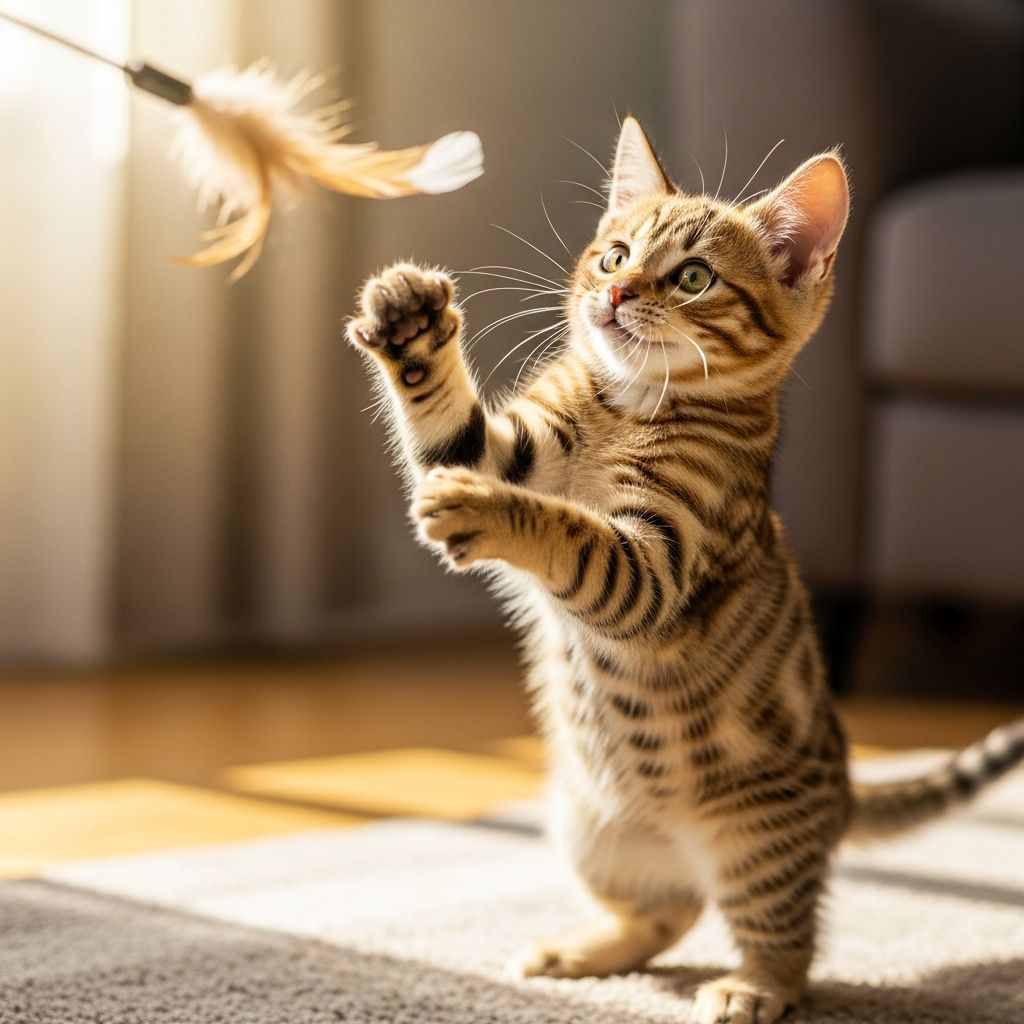
The Importance of Exercise for Kittens
Kittens are bundles of energy, constantly pouncing, climbing, and exploring their surroundings. This isn’t just adorable behavior—it’s essential for their development. According to veterinary experts, encouraging your kitten’s natural playfulness isn’t something to discourage; it’s something to actively foster. As Ernie Ward, DVM, founder of the Association for Pet Obesity Prevention, explains, “When they’re young, kitty cats are going to be much more active and playful, just like people. So when you see your kitten doing that, encourage it, don’t discourage it, and then try to maintain that activity as lifelong habits.” The play your kitten engages in during their early months sets the foundation for a lifetime of good health and behavioral patterns.
Why Play Is Essential for Kittens Development
Learning to play is far more than entertainment—it’s a critical component of your kitten’s development. According to Andrew Edney, DVM, author of the ASPCA Complete Cat Care Manual, “Learning to play is essential for the development of kittens because it teaches them important skills that they will need as adults.” When your kitten engages in play, they’re developing the physical coordination, strength, and instinctive behaviors that will serve them throughout their life.
Building Physical Skills Through Play
As your kitten plays, she’s developing crucial physical abilities. Through jumping, stalking, and pouncing activities, kittens learn how to balance, climb, and coordinate their movements with precision. These aren’t just random movements—they’re essential skills that contribute to agility, nimbleness, and better coordination. The developmental process helps kittens understand their bodies and how to control their movements in different environments.
Tapping Into Natural Instincts
Kittens have a built-in predatory drive that’s deeply instinctive. This is why you’ll find them hiding in boxes, chasing a wad of paper on the floor, or pouncing on anything that moves. According to Dr. Ward, “Kittens have a built-in predatory drive. It’s instinctive, and this is why you see them hiding in boxes. This is why they chase a wad of paper on the floor. This is stuff that really excites them.” Your job as a pet owner is to encourage your kitten to tap into this wild side through appropriate play and activities. When you facilitate this expression of natural behaviors, you’re setting your kitten up for a lifetime of physical and mental health.
Physical Health Benefits of Exercise for Kittens
Exercise plays a fundamental role in maintaining your kitten’s physical well-being. Regular activity helps prevent obesity, which is a growing concern among domestic cats. Play encourages your cat to be active, helps maintain a healthy body weight, and keeps muscles toned and strong. Beyond weight management, exercise offers several critical physical benefits.
Muscle Development and Strength
When kittens stay active through play and exploration, they engage major muscle groups that keep their bodies stable and strong. Interactive toys, climbing structures, and chase games naturally develop stronger muscles throughout their body. This strength contributes to better balance and reduced risk of injuries during play or daily movement. The muscle development that occurs during kittenhood establishes a strong foundation for adult fitness and mobility.
Bone Health and Density
Weight-bearing exercise plays a key role in strengthening your kitten’s bones. Physical activity places healthy stress on the skeletal system, which encourages bone density and durability. This is especially important for growing kittens, as developing strong bones during this critical period helps reduce the likelihood of serious injuries later in life. Activities like jumping and climbing naturally provide the kind of weight-bearing exercise that promotes skeletal development.
Preventing Chronic Health Conditions
Kittens that establish regular exercise habits are less likely to suffer from obesity, diabetes, and joint disease as they age. Exercise also supports healthy digestion and improves cardiovascular function. By maintaining a healthy weight through consistent activity, kittens experience less stress on their bones and joints, which leads to fewer injuries and less need for medical intervention throughout their lives.
Mental and Behavioral Benefits of Play
Exercise isn’t just about physical health—it’s equally important for your kitten’s mental well-being. When cats don’t receive sufficient exercise, they may develop problematic behaviors or become withdrawn or depressed. Regular playtime keeps your kitten mentally stimulated, sharp, and engaged, which reduces feelings of anxiety, boredom, frustration, and stress. Activities that let your cat express their natural hunting instincts also help keep their mind alert and active.
Mental Stimulation Through Interactive Play
Interactive play provides the mental stimulation that indoor kittens especially need. Toys that mimic prey animals—laser pointers, feather wands, crinkle balls, and battery-operated mice—engage your kitten’s cognitive abilities as they strategize their approach and execute their “hunt.” This mental engagement keeps their brain sharp and prevents the boredom that can lead to destructive behaviors.
Stress Reduction and Emotional Health
Play serves as an outlet for stress and anxiety in kittens. Physical activity releases endorphins that improve mood and emotional well-being. By encouraging regular playtime, you’re helping your kitten maintain a balanced emotional state and preventing behavioral problems that often stem from pent-up energy and stress.
Channeling Your Kitten’s Energy
Your little panther may seem ready to play 23 hours a day, but her body is actually designed to perform short bursts of intense activity, just like a wildcat in nature. Understanding this natural rhythm helps you structure playtime in a way that’s effective and sustainable.
Recommended Play Duration
Rather than extended play sessions, kittens thrive with multiple shorter bursts of activity. A good starting point is three 5-minute play periods a day, because this taps into the predatory instinct that’s designed for short, intense hunting bursts. This approach is more aligned with how wild cats naturally behave and is more sustainable for both you and your kitten. For kittens and young cats, aim for at least 20-30 minutes of total playtime daily, distributed throughout the day.
Types of Play by Age
Your kitten’s play preferences and abilities evolve as she grows. Different developmental stages call for different types of activities:
| Age Range | Recommended Activities | Focus |
|---|---|---|
| 3-4 Months | Hide-and-seek, feather wands, mouse on a string, teasing games | Interactive and bonding activities |
| 5 Months and Older | Laser pointers, crackle balls, battery-operated mice, solo prey drive exercises | Individual prey drive development |
| Throughout | Laser pointers, remote control cars, feather dancers, motion-sensitive toys | Predatory instinct engagement |
Essential Play Equipment and Toys
Stocking your home with the right toys and play equipment makes it easier to keep your kitten engaged and active. The variety of toys available today allows you to tap into different aspects of your kitten’s predatory nature.
Interactive Toy Options
The best toys for kittens are those that mimic the movement and behavior of prey animals. These include:
- Laser Pointers: Great for encouraging sprinting and pouncing from across the room
- Feather Wands and Teasers: Allow you to control the movement and engage your kitten in interactive play
- Crinkle Balls: Lightweight toys that kittens can bat around and chase
- Battery-Operated Mice: Provide autonomous movement that triggers hunting instincts
- Remote Control Cars: Offer unpredictable movement patterns that excite kittens
- Motion and Sound-Activated Toys: Mimic the sounds and movements of real prey animals
Environmental Enrichment
Beyond handheld toys, environmental features that encourage movement are equally important. Cat trees with multiple levels, climbing structures, and perches allow your kitten to jump, climb, and explore vertically. Boxes and enclosed spaces satisfy their instinct to hide and ambush. These environmental elements work alongside active play to keep your kitten engaged and physically active throughout the day.
Building Bonds Through Play
Interactive play isn’t just beneficial for your kitten—it’s also an opportunity to strengthen your bond. When you actively participate in your kitten’s playtime, you’re not just providing exercise; you’re creating shared experiences and memories that deepen your relationship. This active involvement shows your kitten that you’re part of their world and reinforces positive associations with play and human interaction.
Playing with your cat, or interactive play, is a great way to get your kitty moving every day. Especially if they are an indoor-only pet, your cat will benefit both physically and mentally, from kittenhood all the way through their golden years. The time you invest in play during your kitten’s early months pays dividends throughout their entire life.
Establishing Lifelong Healthy Habits
One of the most important aspects of encouraging exercise in kittens is establishing patterns that will last throughout their lives. Young kittens that grow up with regular, active play are more likely to maintain those habits as adults. Dr. Ward emphasizes this point: “If your kitten says, ‘Let’s play, play, play, play, play,’ make it happen and think, this is setting her up for a lifetime of health.”
The activity levels and behaviors you establish during kittenhood create a template for your cat’s adult life. Cats that are accustomed to regular playtime are more likely to remain active as they age, which helps prevent obesity and related health problems. By investing in exercise and play now, you’re giving your kitten the gift of a healthier, more vibrant life.
Special Considerations for Overweight Kittens
If you have a kitten that’s already overweight, it’s important to approach exercise carefully. Introduce activity gently and gradually to avoid injury. Overweight and obese kittens can damage their joints if they do too much too fast. Additionally, these kittens may not have enough stamina for even 10 minutes of playtime, so start gradually and build up their tolerance over time. Hold off on stair running and jumping until your kitten has lost some weight and built up their fitness level.
Frequently Asked Questions
Q: How much exercise does a kitten need daily?
A: Kittens benefit from 20-30 minutes of playtime daily, distributed in shorter sessions. A good starting point is three 5-minute play periods a day to tap into their natural predatory instincts.
Q: What types of toys are best for kittens?
A: The best toys are those that mimic prey movement, such as laser pointers, feather wands, crinkle balls, battery-operated mice, and motion-activated toys. These encourage pouncing and chasing behaviors.
Q: Can too much exercise be harmful to kittens?
A: Kittens are naturally designed for short bursts of intense activity. While overexertion isn’t typical, overweight kittens should introduce exercise gradually to avoid joint damage.
Q: How does play benefit kittens beyond physical exercise?
A: Play provides mental stimulation, reduces stress and anxiety, teaches essential adult skills, strengthens the bond between kitten and owner, and establishes lifelong healthy habits.
Q: At what age should I start structured playtime with my kitten?
A: Start interactive play early, with more structured activities recommended around 3-4 months of age. By 5 months and older, you can introduce more individual prey drive exercises like laser pointers and automated toys.
Q: Is play important for indoor kittens?
A: Yes, indoor kittens especially need regular playtime and exercise. Since they don’t have outdoor access, interactive play is essential for their physical and mental well-being.
References
- Regular Playtime Is Good for Kitty — Diamond Pet Foods. https://www.diamondpet.com/blog/health/exercise/regular-playtime-is-good-for-kitty/
- The Importance Of Exercise For Kittens — Chewy. https://www.chewy.com/education/cat/health-and-wellness/the-importance-of-exercise-for-kittens
- The Benefits of Regular Exercise in Strengthening Your Pet’s Muscles and Bones — Oak Grove Veterinary Hospital. https://oakgrovevet.com/blog/1347724-the-benefits-of-regular-exercise-in-strengthening-your-pets-muscles-and-bones
- Why Exercise Is so Important for Cats and Dogs (and How Much They Need) — PawSync. https://pawsync.com/blogs/news/why-exercise-is-so-important-for-cats-and-dogs-and-how-much-they-need-1
- Understanding The Importance of Exercise for Cats — Blaine Central Veterinary Clinic. https://blainecentralveterinaryclinic.com/understanding-the-importance-of-exercise-for-cats/
Similar Articles








Read full bio of medha deb