

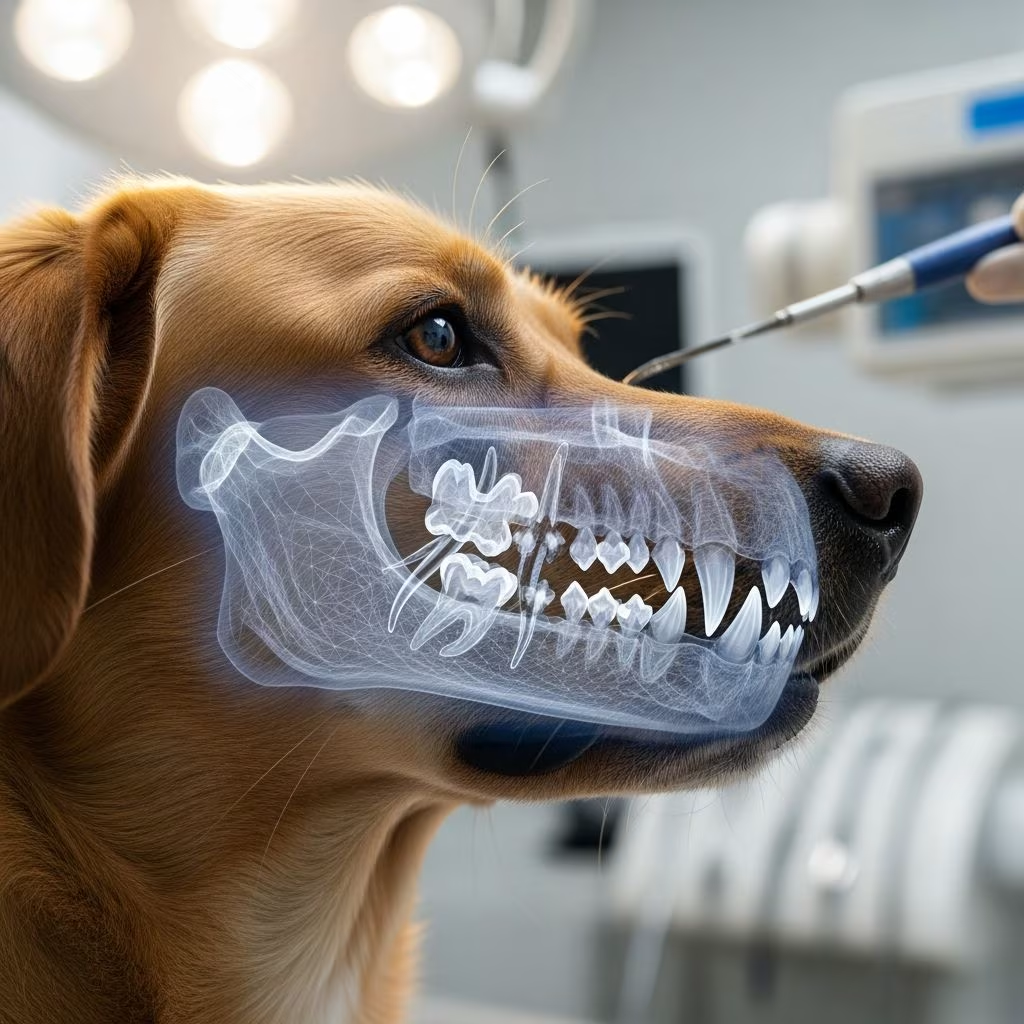
The Importance of Dental X-Rays in Dogs
Dogs cannot communicate when their teeth are diseased, and many dogs never show obvious signs of pain even when experiencing significant dental problems. This is why dental X-rays have become an essential component of comprehensive veterinary care. Dental X-rays serve as a diagnostic tool that allows veterinarians to identify serious oral health issues that would otherwise remain hidden from view. In many cases, X-rays are the only way your veterinarian can detect that your dog has a serious dental problem that requires treatment.
Cleaning a dog’s teeth without X-rays often results in missed opportunities to improve the quality of life and health of your canine companion. By incorporating dental radiography into routine veterinary examinations, veterinarians can catch problems early, prevent complications, and ensure your dog maintains optimal oral health throughout their lifetime.
Why Dental X-Rays Are Important for Your Dog
Dental X-rays provide a level of diagnostic detail that visual examination alone simply cannot achieve. While a veterinarian can observe tartar buildup, inflammation, or broken teeth during a routine inspection, more than 60% of the tooth structure lies below the gumline where it is invisible to the naked eye. This hidden portion of the tooth is where serious problems often develop, including infections, bone loss, and structural damage.
Detecting Hidden Dental Disease
Dental radiographs are instrumental in revealing dental pathologies that may not be apparent during a standard visual examination. These hidden issues can include severe bone loss due to periodontal disease, tooth root infections, cavities, structural abnormalities, and other conditions that cause pain and compromised oral function. For example, teeth may appear normal to the naked eye, but X-rays can reveal severe bone loss beneath the gumline, indicating advanced periodontal disease that requires immediate treatment.
Identifying Problems Before They Become Severe
Early detection of dental pathology is crucial for preventing pain, infection, and more serious health complications. When dental infections go untreated, they can spread through the bloodstream and damage vital organs including the heart, liver, and kidneys. By identifying these issues early through dental radiographs, veterinarians can provide targeted treatment that helps your pet avoid unnecessary suffering and live a longer, healthier life. Identifying problems early in life also allows for more effective and less invasive treatment options, improving the overall prognosis for optimal oral health.
What Can Dental X-Rays Reveal?
Dental X-rays provide comprehensive visualization of your dog’s oral cavity, including the teeth, roots, and surrounding bone structures. This technology enables veterinarians to identify numerous conditions and abnormalities that could compromise your dog’s health and comfort.
Common Findings on Dental X-Rays
Dental radiographs can detect a wide range of oral conditions, including:
- Extra roots or abscesses that have extended to adjacent teeth that appear normal
- Unerupted or impacted teeth that may lead to complications
- Root fractures or root ankylosis for teeth that must be extracted
- Oral growths including cysts, infections, and tumors
- Tooth root infections and hidden abscesses
- Fractured or loose teeth requiring intervention
- Retained baby teeth or abnormal tooth development
- Bone loss from periodontal disease
- Non-vital or dead teeth
- Tooth resorption and other degenerative conditions
Assessing Jawbone Health
Beyond individual tooth assessment, dental X-rays allow veterinarians to evaluate the overall health and structure of your dog’s jawbone. This is particularly important in small breed dogs, where periodontal disease can cause marked weakening of the mandible, creating a risk for pathologic fracture. By monitoring bone density and structure through regular radiographs, veterinarians can identify dogs at risk for serious complications and implement preventive measures.
When Does Your Dog Need Dental X-Rays?
Your dog may require dental X-rays in several situations. Dogs need an oral examination under anesthesia whenever there are missing, discolored, or broken teeth, swollen and inflamed gums, oral growths, or bad breath. However, X-rays are not just for dogs with obvious symptoms. Routine dental X-rays should be part of your dog’s preventive care regimen.
Signs Your Dog May Need Dental X-Rays
Be alert for the following indicators that your dog may benefit from dental radiography:
- Persistent bad breath
- Reluctance to eat or difficulty chewing
- Dropping food from the mouth
- Pawing at the mouth or face
- Excessive drooling
- Bleeding from the gums
- Swelling around the face or jaw
- Visible tartar buildup
- Loose or missing teeth
- Changes in behavior, such as irritability or withdrawal
These symptoms can be subtle, especially in the early stages of dental disease, which is why routine dental examinations and X-rays are essential for maintaining your dog’s oral health.
Routine Dental X-Ray Recommendations
Even without any obvious signs of dental trouble, dogs need to have their mouths X-rayed at least once every year. To put this in perspective, one human year is approximately equivalent to 5-7 dog years for aging purposes. By this calculation, dental diseases in dogs progress at a much faster rate than in humans. People routinely have dental X-rays at least every other year, yet dogs, who age more rapidly, should receive them annually to maintain optimal oral health and catch emerging problems before they become severe.
Dogs That Require Special Attention
Certain dogs may benefit from more frequent dental radiographs and examinations:
- Older pets with increased susceptibility to dental disease
- Small breed dogs, which are more prone to dental problems
- Cats and dogs with a history of oral problems
- Pets with chronic bad breath, drooling, or difficulty chewing
- Dogs with periodontal disease requiring ongoing monitoring
- Dogs with a predisposition for tooth resorption or other specific dental pathologies
Dental X-Rays Before and After Dental Procedures
Dental X-rays play a critical role in planning and executing dental procedures. Before performing dental procedures such as extractions or root canal therapy, veterinarians rely on dental radiographs to plan and guide their interventions with precision. This ensures a more accurate and successful outcome.
Pre-Extraction Radiographs
Before tooth extraction, X-rays provide veterinarians with a detailed map of the tooth structure, including the number and configuration of roots. This information is essential for planning the extraction procedure and anticipating potential complications. Understanding the exact anatomy of the tooth and surrounding bone allows the veterinarian to proceed with confidence and minimize trauma to surrounding tissues.
Post-Extraction Verification
Dental X-rays are essential after dental extraction to ensure that the entire tooth structure, including all roots, has been removed. Retained root fragments can cause pain, infection, and chronic inflammation. Post-extraction radiographs confirm complete removal of the tooth and prevent these complications from occurring. This step is crucial for preventing pain and infection from developing after the extraction procedure.
The Role of Anesthesia in Dental X-Rays
Many pet owners have questions about the necessity of anesthesia for dental X-rays. Anesthesia is absolutely necessary for obtaining accurate dental radiographs in dogs. Dogs have 42 teeth, and capturing accurate images of all teeth requires proper positioning and patient cooperation that can only be achieved under anesthesia. Anesthesia ensures that the X-ray sensor is correctly placed and that your dog remains still during image capture, resulting in high-quality diagnostic images.
Safety of Anesthesia and Radiation
Pet owners often express concern about the safety of anesthesia and radiation exposure associated with dental X-rays. Modern anesthesia protocols used in veterinary medicine are very safe when administered by experienced veterinarians. Pre-anesthetic bloodwork can be performed to assess your dog’s health status and ensure they are a good candidate for anesthesia.
Regarding radiation exposure, veterinarians use only a small amount of radiation to take dental X-rays. There have been no reported cases of dogs suffering from harmful radiation effects as a result of this level of exposure. The diagnostic benefits of dental X-rays far outweigh any minimal radiation risk, making this procedure an important component of preventive veterinary care.
Digital Dental Radiography Technology
Modern veterinary practices utilize digital radiography equipment, which has revolutionized dental diagnostics. Digital radiography provides immediate images with lower radiation levels compared to traditional film-based radiography and delivers greater diagnostic detail. These high-resolution images allow veterinarians to identify even subtle changes in tooth structure and bone density.
The ability to instantly view and enhance digital images enables veterinarians to make more informed treatment decisions and educate pet owners about their dog’s dental health by showing them the radiographic findings. This technology also allows for easy comparison of images over time, making it possible to monitor disease progression accurately in dogs with chronic conditions.
Monitoring Chronic Dental Conditions
For dogs with chronic periodontal disease or a predisposition for specific dental pathologies such as tooth resorption, full-mouth dental radiographs combined with professional dental cleaning performed on an annual basis help monitor disease progression and allow veterinarians to adjust treatment plans accordingly. This ongoing management approach is particularly important for conditions such as periodontal disease, where consistent intervention is necessary to prevent deterioration.
Regular radiographic monitoring enables early intervention if disease progresses, potentially preventing tooth loss and maintaining better long-term oral function.
Comprehensive Oral Health Assessment
Dental radiographs provide a comprehensive view of your dog’s entire oral cavity, including the teeth and surrounding bone structures. This comprehensive assessment, combined with a thorough anesthetized oral examination, allows veterinarians to make informed decisions regarding treatment plans. Understanding the full extent of any dental disease helps veterinarians prioritize treatments and provide recommendations for ongoing care.
Frequently Asked Questions
Q: Why can’t my veterinarian see everything during a regular dental exam without X-rays?
A: More than 60% of each tooth lies below the gumline where it cannot be seen with the naked eye. Dental disease often develops beneath the gums and in the tooth roots, making X-rays essential for complete evaluation.
Q: How often should my dog have dental X-rays?
A: Dogs should have dental X-rays at least once every year as part of routine preventive care. Dogs with existing dental disease, small breed dogs, or older dogs may require more frequent radiographs.
Q: Is anesthesia safe for my senior dog?
A: Pre-anesthetic bloodwork can assess your dog’s health status. Modern anesthesia protocols are very safe when administered by experienced veterinarians, even for senior dogs. The benefits of identifying and treating dental disease typically outweigh the minimal anesthesia risk.
Q: Can dental X-rays detect cancer?
A: Yes, dental radiographs can help identify oral tumors, cysts, and other abnormal growths within the oral cavity. Early identification of such issues allows for timely intervention and improves treatment chances.
Q: What is the radiation exposure from dental X-rays?
A: Veterinarians use only a small amount of radiation for dental X-rays. There have been no reported cases of dogs suffering harmful effects from this minimal exposure level.
Q: Can dental infections in my dog affect their overall health?
A: Yes, untreated dental infections can spread through the bloodstream and damage vital organs including the heart, liver, and kidneys. Early detection through dental X-rays helps prevent these serious complications.
References
- The Importance of Dental X-rays in Dogs — VCA Animal Hospitals. 2025. https://vcahospitals.com/know-your-pet/the-importance-of-dental-x-rays-in-dogs
- Why Dental X-Rays Matter for Your Pet’s Health — Alpharetta Animal Hospital. 2025. https://www.alpharettaanimalhospital.com/blog/why-dental-x-rays-matter-for-your-pets-health-alpharetta-animal-hospital
- Dental X-Rays for Dogs — Edgewater Vets – Animal General. 2023. https://www.animal-general.com/site/blog/2023/06/22/dental-x-rays-dogs
- The Importance of Dental Radiography — Today’s Veterinary Practice. 2023. https://todaysveterinarypractice.com/dentistry/dental-radiography-series-the-importance-of-dental-radiography/
- The Importance of Dental X-Rays for Pets — WellPets. 2024. https://www.wellpets.com/blog/the-importance-of-dental-x-rays-for-pets/
- Understanding Dental Radiography for Pets: What to Expect at the Vet — Poolesville Pike Community Veterinary Hospital. 2025. https://www.ppcvh.com/blog/understanding-dental-radiography-for-pets-what-to-expect-at-the-vet
- Improving Patient Care with Diagnostic Dental Imaging — American Animal Hospital Association (AAHA). 2023. https://www.aaha.org/trends-magazine/september-2023/ts-improving-patient-care-with-diagnostic-dental-imaging/



