

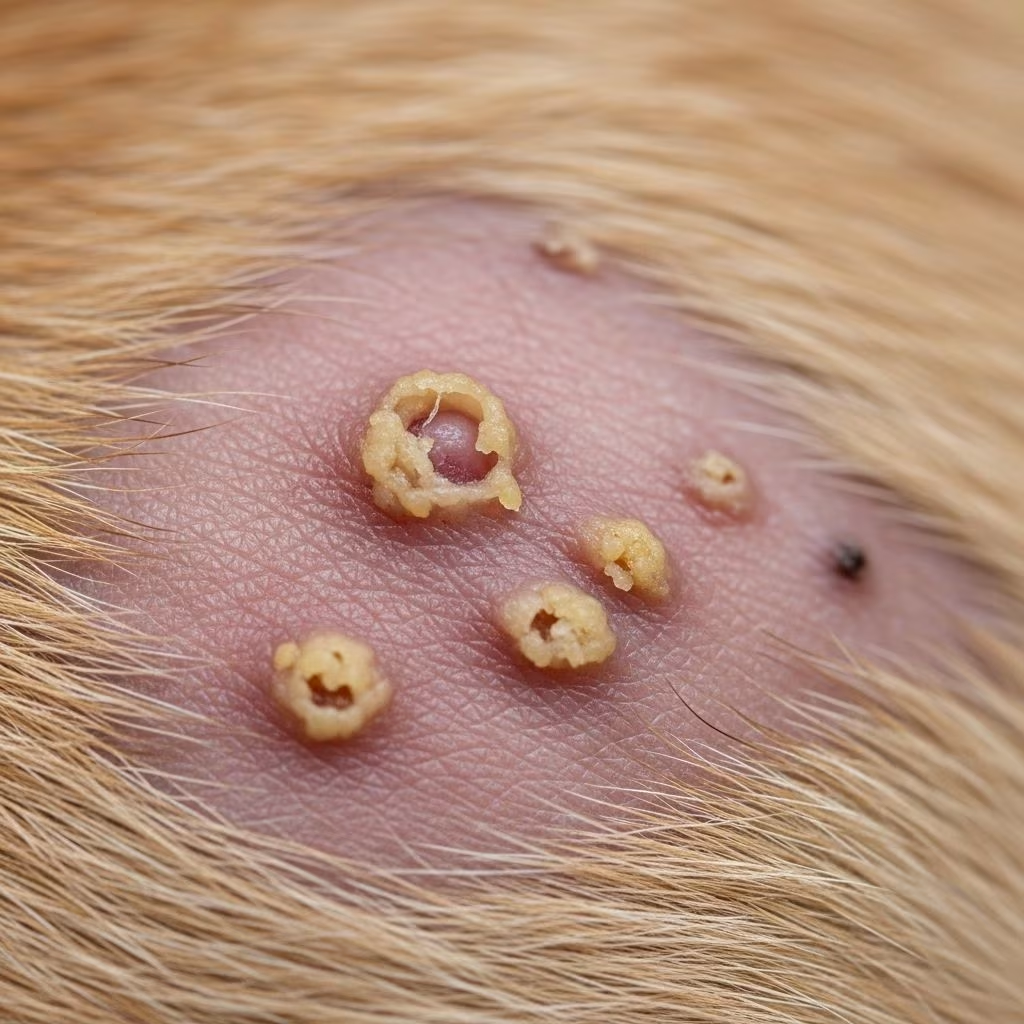
Impetigo, often called puppy pyoderma, is a superficial bacterial skin infection primarily affecting young dogs. It involves staphylococcus bacteria infecting the top skin layers, leading to pustules and crusts, especially in areas without hair.
Understanding the Nature of Canine Impetigo
This condition arises when normal skin bacteria overgrow due to skin breaches or immune weaknesses. Puppies under 6 months are most vulnerable as their immune systems develop, but adults can also suffer if underlying issues exist. Unlike deeper pyodermas, impetigo stays surface-level unless worsened.
Staphylococcus pseudintermedius or aureus are key culprits, naturally present on dog skin but problematic when barriers fail. Early detection prevents spread, pain, or complications like hair loss.
Key Causes Behind Skin Infections in Dogs
Several factors enable bacterial invasion:
- Skin trauma: Scratches from play, insect bites, or urine scalding create entry points.
- Immune compromise: Puppies’ immature defenses or adult conditions like malnutrition/stress heighten risk.
- Allergies and parasites: Food sensitivities, fleas, mange disrupt skin flora.
- Environmental factors: Poor hygiene, dirty bedding spreads bacteria.
- Genetics: Certain breeds face higher susceptibility due to skin folds or allergies.
Endocrine issues or fleas exacerbate outbreaks, turning minor abrasions into full infections.
Recognizing Symptoms Early
Spot impetigo through visible changes:
- Pustules: Small, red, pus-filled bumps on abdomen, groin, face, paws—hairless zones.
- Crusts and scaling: Blisters rupture, forming yellow/brown scabs.
- Itchiness: Dogs scratch excessively, worsening lesions.
- Hair loss: Alopecia around sites from follicle damage.
- Behavioral shifts: Lethargy, appetite loss in severe cases.
Mild cases cause discomfort; untreated ones lead to pain, secondary infections, or systemic effects like weight loss. Monitor thin-skinned areas closely.
Breeds Most at Risk
Genetics influence vulnerability. Breeds with loose skin, allergies, or weak barriers include Bulldogs, Shar-Peis, and Retrievers—prone to folds trapping moisture/bacteria. Puppies of all breeds under 6 months top the list due to immunity gaps.
| Breed Group | Examples | Risk Factors |
|---|---|---|
| Mastiff Types | Bulldog, Mastiff | Skin folds, allergies |
| Sighthounds | Greyhound | Thin skin |
| Sporting | Golden Retriever | Atopy predisposition |
| All Puppies | Any <6 mo | Immature immunity |
These traits amplify exposure; routine checks help.
Veterinary Diagnosis Process
Vets confirm via physical exam, skin scrapes, cytology, or cultures to ID staph and rule out demodex/mange. Biopsies occur rarely for chronic cases. Bloodwork uncovers allergies/endocrine links. Accurate diagnosis tailors treatment, avoiding resistance.
Proven Treatment Strategies
Treatment targets bacteria and roots:
- Topical therapies: Antibacterial shampoos (chlorhexidine) 2-3x weekly clean lesions.
- Oral antibiotics: Cephalexin or similar for 3-4 weeks—finish full course.
- Supportive care: Antihistamines/steroids for itch/allergies; flea control.
- Wound management: Cleanse gently; e-collars prevent scratching.
Puppy cases often self-resolve with hygiene, but vets monitor. Adults need underlying fixes like diet changes.
Step-by-Step Home Care Plan
- Isolate: Prevent spread to other pets.
- Bathe: Use vet-recommended shampoo; rinse thoroughly.
- Medicate: Apply topicals as prescribed; give orals on schedule.
- Monitor: Track lesion changes; report worsening.
- Prevent reinjury: Trim nails, use cone.
Expect improvement in 7-10 days; full heal in weeks.
Prevention Tips for Lifelong Skin Health
Avoid recurrences:
- Regular grooming/bathing maintains flora balance.
- Flea preventives year-round.
- Balanced diet supports immunity.
- Clean environment/bedding.
- Early allergy management.
Puppy owners: Gentle handling minimizes trauma.
Potential Complications to Watch
Untreated impetigo risks deeper pyoderma, cellulitis, or resistance. Scratching invites yeast/fungus; systemic spread rare but serious in immunocompromised dogs. Prompt vet care averts these.
Frequently Asked Questions
Is impetigo contagious to humans?
Rarely; staph strains differ, but hygiene prevents zoonosis.
How long does treatment last?
2-6 weeks; complete antibiotics crucial.
Can puppies outgrow it?
Often yes, as immunity strengthens.
Is it always staph?
Primarily, but cultures confirm.
DIY treatments safe?
No—vet guidance essential to avoid resistance.
Long-Term Management for Chronic Cases
Recurring impetigo signals allergies/endocrinopathies. Ongoing shampoos, hypoallergenic diets, or immunotherapy help. Annual vet skins checks for at-risk breeds.
Impetigo responds well to intervention, restoring comfort quickly. Owners play key roles in vigilance and compliance for optimal outcomes.
References
- Uncovering & Managing Impetigo in Puppies: A Comprehensive Guide — Animal Friends Dermatology. 2024-03-15. https://www.animalfriendsdermatology.com/site/blog/2024/03/15/uncovering-managing-impetigo-puppies
- Understanding What is Impetigo in Dogs — Pet Honesty. N/A. https://www.pethonesty.com/blogs/blog/understanding-what-is-impetigo-in-dogs
- Pyoderma in Dogs: Signs, Symptoms & Treatment — MetLife Pet Insurance. N/A. https://www.metlifepetinsurance.com/blog/pet-health/pyoderma-in-dogs/
- What is Impetigo in Dogs? — Canna-Pet. N/A. https://canna-pet.com/articles/what-is-impetigo-in-dogs/
- Impetigo in Puppies: Causes, Symptoms & Treatment — Pets4Homes. N/A. https://www.pets4homes.co.uk/pet-advice/impetigo-in-puppies.html
- Impetigo in Dogs: What to Know — Pet Insurance Quotes. N/A. https://www.petinsurancequotes.com/blog/pet-health/impetigo-in-dogs
- Pyoderma in Dogs — VCA Animal Hospitals. N/A. https://vcahospitals.com/know-your-pet/pyoderma-in-dogs



