

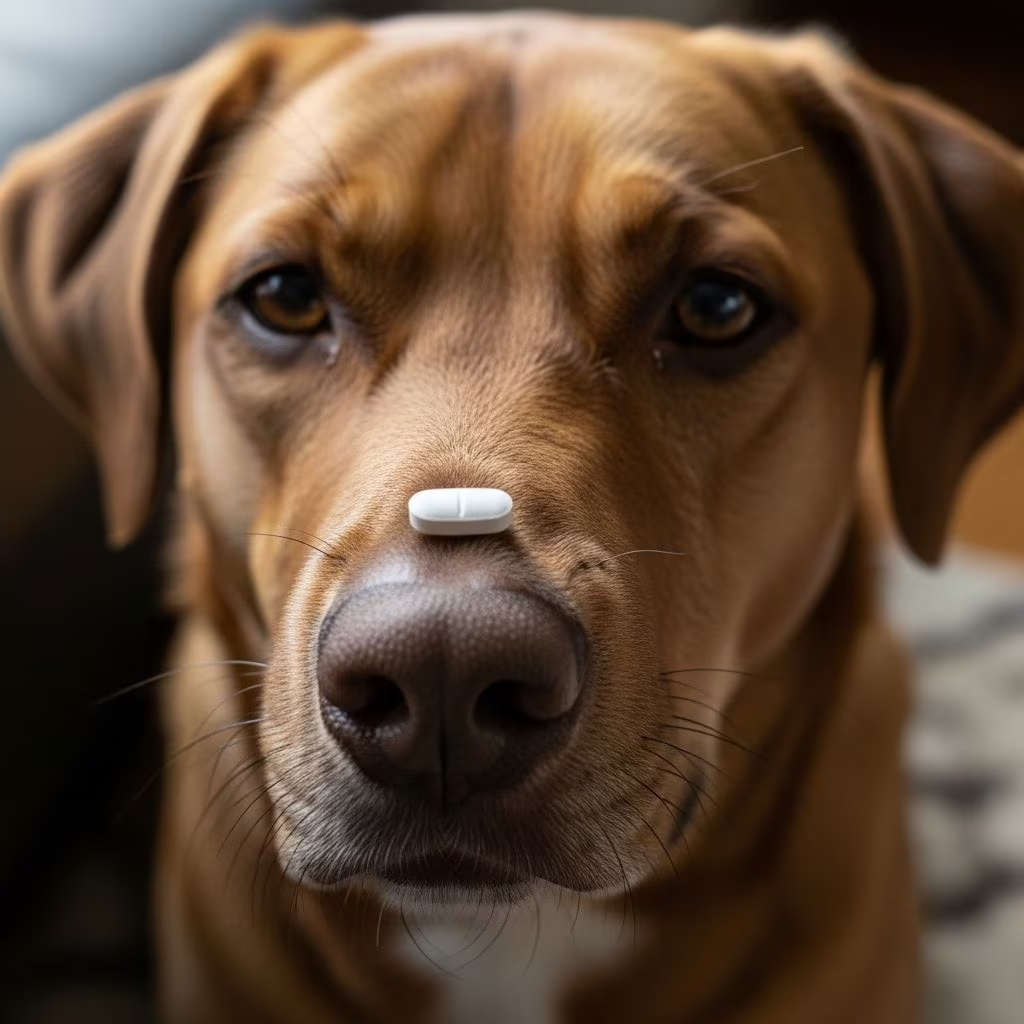
Imodium, known generically as loperamide, serves as an over-the-counter remedy for human diarrhea but finds occasional veterinary application in dogs for managing certain types of loose stools. While not FDA-approved for canine use, veterinarians may prescribe it off-label for short-term relief in healthy dogs with uncomplicated diarrhea.
What Is Imodium and How Does It Function in Canines?
Loperamide works by attaching to opioid receptors within the intestinal walls of dogs. This attachment reduces gut motility, allowing more time for water absorption and nutrient processing, which firms up stools and curbs diarrhea episodes. Unlike stronger opioids, it stays confined to the digestive tract and avoids crossing into the brain, minimizing addiction risks or central nervous system effects in most cases.
Vets typically reserve it for acute, non-infectious diarrhea—such as that triggered by dietary indiscretion, stress, or mild irritations—rather than chronic or severe conditions. It provides symptomatic control but does nothing to address root causes like infections or parasites.
Potential Benefits of Using Imodium in Dogs
For suitable candidates, Imodium offers quick relief from mild diarrhea, helping prevent dehydration and discomfort. It proves useful in scenarios like travel-related stress colitis or sudden loose stools from eating something unsuitable. Short-term administration can stabilize a dog’s condition until a vet evaluates the underlying issue.
- Reduces stool frequency and urgency within hours.
- Supports hydration by slowing fluid loss.
- Non-sedating in proper doses for most breeds.
Standard Dosage Recommendations from Veterinary Experts
Veterinarians determine dosages empirically, as no official canine trials exist. A common guideline starts at 0.1 mg of loperamide per kilogram of body weight, administered every 8-12 hours, not exceeding 48 hours without professional oversight. Imodium tablets contain 2 mg each, while liquid forms vary, often at 1 mg per 7.5 ml.
| Dog Weight (lbs) | Approx. Weight (kg) | Imodium Dose (mg) | Frequency |
|---|---|---|---|
| 10-20 | 4.5-9 | 0.5-1 mg | Every 8-12 hrs |
| 20-50 | 9-23 | 1-2 mg | Every 8-12 hrs |
| 50+ | 23+ | 2 mg | Every 8-12 hrs |
Table notes: Doses are approximate; always follow vet instructions. Do not use human packaging labels directly.
Precise weighing and form selection matter—overdosing risks toxicity. Liquid allows finer adjustments for small dogs.
Common Side Effects to Monitor
Most dogs tolerate Imodium well at correct doses, but watch for mild reactions like constipation from overuse, gas buildup causing bloating, or temporary lethargy. These often resolve within 24 hours as the drug clears the system.
- Constipation: Hard stools or straining; reduce dose or stop.
- Bloating: Abdominal distension; non-lethal but uncomfortable.
- Drooling or sedation: Mild in sensitive dogs; signals need for discontinuation.
Severe responses, though rare, include vomiting, intestinal inflammation, or pancreatitis—promptly contact a vet if observed.
High-Risk Breeds: The MDR1 Gene Mutation Explained
Certain herding breeds carry the MDR1 (multi-drug resistance 1) gene deletion, impairing a liver protein that pumps drugs out of cells. Affected dogs—Collies, Australian Shepherds, Shelties, Old English Sheepdogs, and mixes—cannot metabolize loperamide efficiently, leading to toxic buildup.
Symptoms in these dogs appear rapidly: extreme drowsiness, wobbly gait (ataxia), profuse salivation, or collapse even from one dose. Genetic testing via cheek swab confirms carrier status; vets recommend avoidance.
- Prevalence: Up to 70% in some Collie lines.
- Alternatives: Vet-prescribed probiotics or kaolin-pectin products.
Medical Conditions That Contraindicate Imodium Use
Imodium masks symptoms without treating causes, potentially worsening issues like bacterial overgrowth or obstructions. Avoid entirely in dogs with:
- Liver or kidney dysfunction—impaired drug clearance.
- Infectious diarrhea (e.g., parvovirus, Salmonella)—traps toxins.
- Intestinal blockages, tumors, or parasites—delays diagnosis.
- Toxin ingestion or food poisoning—prevents expulsion.
- Endocrine disorders like hypothyroidism or Addison’s—heightens sensitivity.
- Respiratory problems, head trauma, or CNS issues—opioid effects amplify.
- Pregnancy, nursing, puppies under 6 months, or frail seniors—increased vulnerability.
Allergic Reactions and Overdose Signs
Rare allergies manifest as facial swelling, hives, itchiness, or breathing distress—administer emergency care immediately. Overdose mimics opioid toxicity: pinpoint pupils, respiratory depression, coma. Induce vomiting only under vet direction and seek poison control.
When Diarrhea Signals an Emergency: Red Flags
Not all diarrhea warrants Imodium; some cases demand urgent intervention. Seek emergency vet care for:
- Bloody, black, or tarry stools.
- Persistent vomiting alongside diarrhea.
- Lethargy, fever, or dehydration (sunken eyes, dry gums).
- Abdominal pain (hunched posture, whining).
- Diarrhea lasting over 24-48 hours.
Bloody diarrhea often indicates hemorrhagic gastroenteritis or infections untreatable by anti-diarrheals.
Preferred Alternatives to Imodium for Dog Diarrhea
Vets favor cause-specific treatments over symptom suppressors:
- Probiotics: Restore gut flora (e.g., FortiFlora).
- Dietary bland diets: Boiled chicken/rice for 24-72 hours.
- Electrolyte solutions: Pedialyte analogs for hydration.
- Prescription meds: Metronidazole for infections, sulfasalazine for colitis.
- Parasite control: Fenbendazole or similar.
These options address origins while supporting recovery.
Best Practices for Administering Imodium Safely
If a vet approves:
- Confirm breed and health history—no MDR1 risks.
- Start low, monitor closely for 4-6 hours post-dose.
- Withhold food 12 hours, then introduce bland meals.
- Track stool quality, energy, appetite.
- Limit to 2 days max; re-evaluate if no improvement.
Frequently Asked Questions About Imodium in Dogs
Can all dogs take Imodium?
No—avoid in MDR1 breeds, pregnant dogs, or those with infections/blockages. Vet approval is essential.
How quickly does Imodium work in dogs?
Effects begin in 1-3 hours, peaking at 4-6 hours; full clearance in 24 hours.
Is liquid Imodium safer than tablets for dogs?
Liquid enables precise dosing for small pets, reducing error risk.
What if my dog worsens after Imodium?
Stop immediately; signs like bloating or vomiting need prompt vet attention.
Can Imodium interact with other dog medications?
Yes—consult vets on combos with opioids, sedatives, or antibiotics.
Key Takeaways for Pet Owners
Imodium aids select diarrhea cases but demands veterinary guidance to sidestep dangers, especially in vulnerable dogs. Prioritize diagnostics over quick fixes—healthy guts start with professional input.
References
- Can I Give My Dog Imodium? A Vet Explains Potential Risks — The Pet Lab Co. 2024. https://thepetlabco.com/learn/dog/health-wellness/can-i-give-my-dog-imodium
- Imodium for Dogs: Uses, Dosage, and Side Effects — GoodRx. 2024. https://www.goodrx.com/pet-health/dog/imodium
- Imodium® For Dogs: Can You Give Dogs Imodium? — PetMD. 2024. https://www.petmd.com/dog/general-health/imodium-dogs-it-good-idea
- Imodium for Dogs: Understand Safe Use & When It’s an Emergency — GSVS. 2024. https://gsvs.org/blog/imodium-for-dogs-emergency/
- How Veterinarians Use Imodium in Pet Care: A 2025 Vet’s Guide — Ask A Vet. 2025. https://askavet.com/blogs/news/how-veterinarians-use-imodium-in-pet-care-a-2025-vet-s-guide-%F0%9F%90%BE
- Loperamide — American College of Veterinary Pharmacists. 2024. https://vetmeds.org/pet-poison-control-list/loperamide/



