

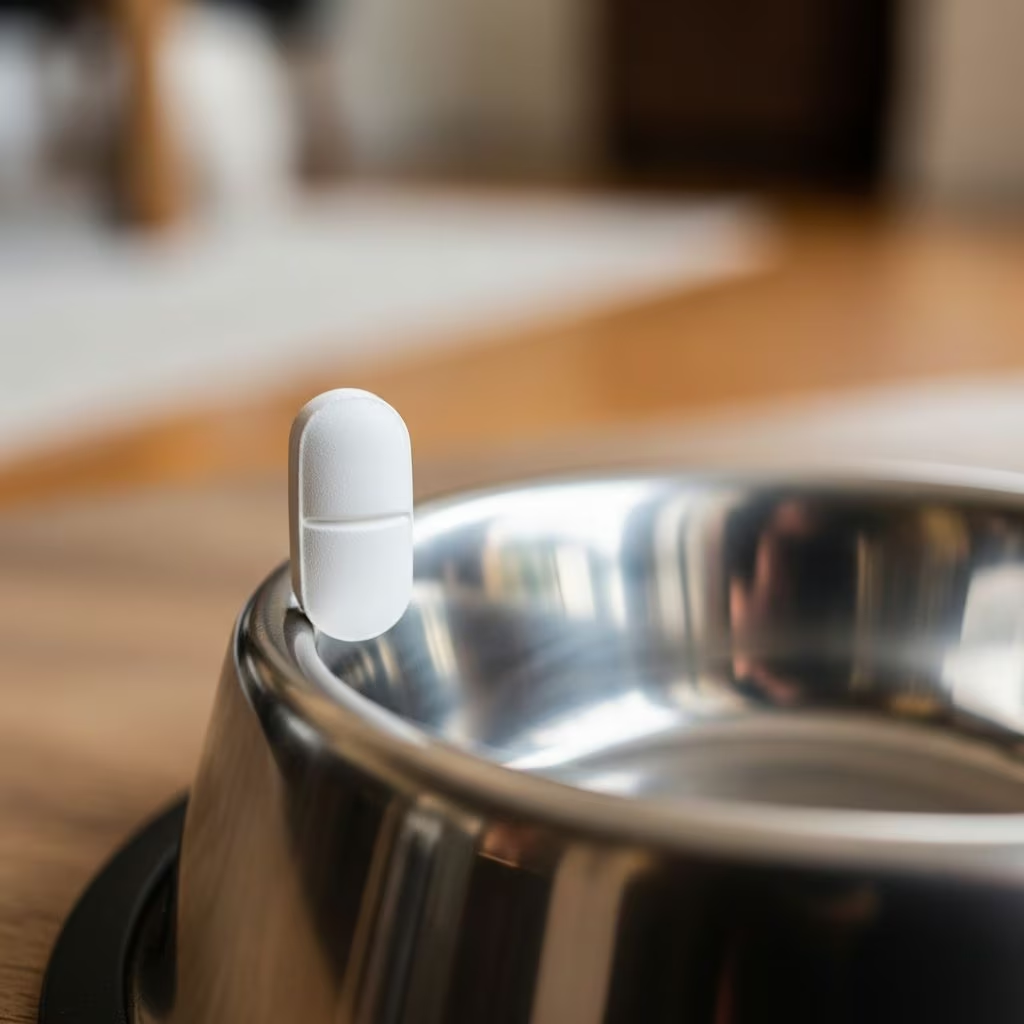
Imodium, known generically as loperamide, is an over-the-counter medication commonly used by humans to control diarrhea. While it can sometimes help dogs with similar symptoms, it is not FDA-approved for veterinary use and requires careful consideration.
Understanding Loperamide and Its Role in Canine Health
Loperamide works by binding to opioid receptors in the gastrointestinal tract, which slows intestinal motility. This allows more time for water absorption, firming up stools and reducing diarrhea frequency. In dogs, veterinarians may recommend it off-label for acute, non-infectious diarrhea, but only after ruling out serious underlying issues.
Diarrhea in dogs can stem from dietary indiscretions, stress, or mild infections, making short-term symptom relief appealing. However, masking symptoms without diagnosis risks overlooking conditions like parvovirus or toxins.
Is Imodium Safe for Most Dogs?
For healthy dogs without contraindications, Imodium can be safe when dosed correctly under veterinary guidance. It is rarely a first-line treatment in clinics due to potential complications, but extra-label prescribing allows vets to use it judiciously.
Key safety factors include the dog’s age, weight, overall health, and concurrent medications. Puppies under six weeks, pregnant or nursing females, and toy breeds face higher risks from even small doses.
Critical Risks: The MDR1 Gene Mutation
Certain breeds carry the MDR1 (multi-drug resistance 1) gene mutation, impairing their ability to metabolize loperamide. Affected dogs can experience toxic buildup, leading to severe sedation or worse.
- High-risk breeds: Australian Shepherds, Collies, Shetland Sheepdogs, English Shepherds, and related herding breeds.
- Testing recommendation: Genetic tests are available to confirm MDR1 status, especially for mixed breeds.
- Symptoms of overdose in mutated dogs: Extreme lethargy, ataxia (drunken gait), excessive drooling, and respiratory depression.
Veterinarians often advise against Imodium in these breeds outright.
Recommended Dosage Guidelines
Dosing must be precise to avoid toxicity, which can occur above 40 mg per kg body weight, though lower thresholds apply for sensitive dogs. The standard veterinary guideline is 0.1 mg of loperamide per kg of body weight, administered up to twice daily.
| Dog Weight (lbs) | Dog Weight (kg) | Approximate Dose (mg) | Frequency |
|---|---|---|---|
| 10 | 4.5 | 0.45 | 1-2 times/day |
| 25 | 11.4 | 1.1 | 1-2 times/day |
| 50 | 22.7 | 2.3 | 1-2 times/day |
| 75 | 34 | 3.4 | 1-2 times/day |
Note: Use liquid form for small dogs to ensure accuracy; tablets suit larger ones. Always confirm with a vet, as adjustments are needed for health conditions.
Potential Side Effects To Watch For
Even in safe candidates, Imodium can cause issues by over-slowing the gut.
Common Side Effects
- Constipation from reduced bowel movement.
- Bloating or gas buildup.
- Sedation or lethargy.
- Excessive drooling.
Severe Side Effects (Seek Immediate Vet Care)
- Respiratory distress or heavy breathing.
- Vomiting or pancreatitis signs (abdominal pain).
- Intestinal inflammation or toxic megacolon.
- Depression, weight loss, or impaired motility.
Dogs with hypothyroidism, Addison’s disease, liver issues, or brain injuries are more prone to these.
When to Avoid Imodium Entirely
Never use Imodium if diarrhea accompanies:
- Blood or mucus in stool (suggests infection or parasites).
- Fever or lethargy (possible systemic illness).
- Recent toxin exposure or dietary changes.
- Conditions like respiratory disease, endocrine disorders, or head trauma.
Infectious causes (e.g., parvovirus) worsen with slowed motility, trapping bacteria.
Alternatives for Managing Dog Diarrhea
Before medications, try supportive care:
- Fast and hydrate: Withhold food 12-24 hours, offer electrolyte solutions.
- Bland diet: Boiled chicken and rice in small portions.
- Probiotics: Veterinary formulas to restore gut flora.
Vet-prescribed options include metronidazole for infections or kaolin-pectin for mild cases. For chronic issues, diagnostics like fecal tests are essential.
Steps Before Giving Any Human Medication
- Contact your veterinarian for approval and dosing.
- Discuss breed, age, and health history.
- Rule out infections via exam or tests.
- Monitor closely post-dose; stop if side effects appear.
Human formulations like Imodium-AD (with simethicone) may be okay if cleared, but multi-symptom versions need vet review.
Frequently Asked Questions (FAQs)
Can I give my puppy Imodium?
No, avoid in puppies under 6 weeks or very young dogs without vet approval due to immature systems.
What if my dog has bloody diarrhea?
Do not use Imodium; seek emergency care as it indicates serious issues.
How quickly does Imodium work in dogs?
Effects often start within 1-2 hours, but full relief may take 24-48 hours.
Is liquid Imodium better than tablets for dogs?
Liquid allows precise small dosing, ideal for under 20 lbs.
What breeds absolutely cannot have Imodium?
Herding breeds with MDR1 mutation, like Collies and Aussies, unless tested negative.
Long-Term Considerations for Canine Gut Health
Recurrent diarrhea signals deeper problems like food allergies, IBD, or parasites. Invest in high-quality diets, regular deworming, and annual checkups. Probiotics and fiber supplements support ongoing digestive wellness, reducing reliance on drugs.
Pet owners often overlook how stress or environmental changes trigger loose stools. Gradual diet transitions and routine minimize episodes.
References
- Imodium For Dogs: A Full Explanation — Innovet Pet. 2023. https://www.innovetpet.com/blogs/medications/imodium-for-dogs
- Imodium® For Dogs: Can You Give Dogs Imodium? — PetMD. 2024-01-15. https://www.petmd.com/dog/general-health/imodium-dogs-it-good-idea
- Imodium for Dogs: Uses, Dosage, and Side Effects — GoodRx. 2024. https://www.goodrx.com/pet-health/dog/imodium
- Imodium (Loperamide) for Dogs: Uses, Side Effects, and Alternatives — American Kennel Club (AKC). 2023-05-10. https://www.akc.org/expert-advice/health/imodium-for-dogs/
- Loperamide (Imodium®) for Dogs and Cats — PetPlace.com. 2023. https://www.petplace.com/article/drug-library/drug-library/library/loperamide-imodium-for-dogs-and-cats



