

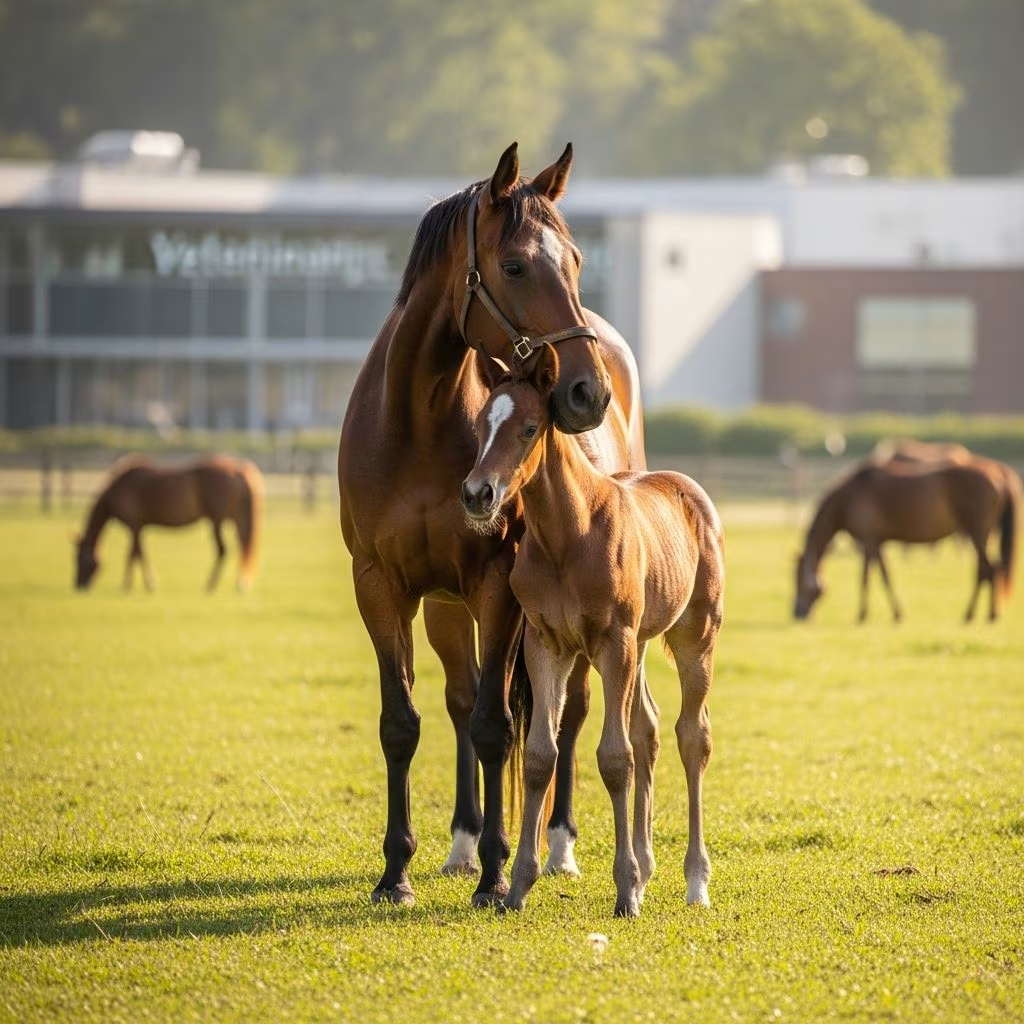
Protecting breeding horses and their offspring requires a comprehensive understanding of vaccination protocols tailored to reproductive operations. Unlike general equine vaccination programs, breeding facilities must address unique challenges including pregnancy management, foal immunity, and disease transmission risks inherent to concentrated populations. A well-designed immunization strategy ensures that mares produce robust colostral antibodies, foals receive adequate passive immunity, and stallions maintain disease resistance during breeding seasons.
Understanding the Foundation of Reproductive Immunization
The primary goal of vaccination in breeding operations extends beyond individual horse protection. Mares must build sufficient antibody levels to pass protective immunity to foals through colostrum, the first milk produced after birth. This passive transfer of maternal antibodies provides crucial protection during the critical first weeks of a foal’s life when active immunity development is incomplete. Therefore, vaccination timing in breeding mares differs significantly from standard equine protocols, requiring strategic scheduling around gestation and parturition timelines.
Breeding facilities face heightened disease exposure risks due to horse density, frequent animal introductions, and the presence of pregnant mares with compromised immune responses. Young foals, immunologically naive until vaccination protocols begin, remain particularly vulnerable. Stallions serving as breeding animals require special consideration to prevent disease transmission through reproductive activity. Understanding these interconnected factors allows veterinarians and farm managers to develop cohesive vaccination strategies that protect the entire breeding operation.
Core Vaccine Components and Disease Prevention Targets
Reproductive operations typically implement vaccination protocols addressing several critical equine diseases. The following represent essential components of most breeding facility programs:
- Equine Herpesvirus (EHV-1 and EHV-4): These viruses pose particular concern for breeding operations due to their association with reproductive loss, including abortion and neonatal disease. EHV-1 specifically causes significant reproductive complications, making targeted vaccination during pregnancy essential for protecting both mare and developing foal.
- Tetanus: Universal recommendation across all equine populations due to environmental ubiquity of causative organisms and severity of clinical disease. Breeding mares require reinforcement vaccination before foaling to maximize colostral antibody transfer.
- Equine Encephalomyelitis (Eastern and Western): Mosquito-borne diseases with significant morbidity and mortality. Vaccination timing coincides with insect season onset, typically spring months in most geographic regions.
- West Nile Virus: Vector-borne infection causing neurological disease with variable severity. Vaccination provides critical protection, particularly in endemic regions or during high-transmission periods.
- Equine Influenza: Highly contagious respiratory disease with significant economic impact in breeding operations due to temporary reproductive disruption and foal complications.
- Rotavirus and Botulism: Additional concerns in some breeding programs, with rotavirus causing severe diarrhea in young foals and botulism toxoid providing protection against toxin-mediated disease.
Vaccination Scheduling for Pregnant Mares
Pregnant mares require distinctly different vaccination strategies compared to non-reproductive horses. The timing of vaccine administration during pregnancy significantly influences foal immunity and maternal health outcomes. Most reproductive protocols incorporate three critical phases of vaccination: pre-breeding immunization, mid-pregnancy booster vaccinations, and pre-foaling reinforcement doses.
Pre-breeding vaccination establishes baseline immunity and occurs 2-4 weeks before the breeding season commences. This timing allows immune system activation before conception while avoiding potential vaccine reactions during early pregnancy. Mares with unknown vaccination history receive primary immunization series consisting of multiple doses spaced at 4-6 week intervals, while previously vaccinated mares may require single doses depending on prior immunization status and disease-specific requirements.
Mid-gestation vaccination focuses on reproductive disease prevention, particularly equine herpesvirus. Many protocols recommend vaccination at specific gestational milestones, such as 5, 7, and 9 months of gestation, using inactivated vaccine formulations that minimize abortion risk while stimulating robust maternal immune responses. This staggered approach ensures sustained antibody levels throughout pregnancy and into the colostral period.
Pre-foaling vaccination, administered 4-6 weeks before expected parturition, represents the most critical timing for ensuring adequate colostral antibody transfer. During this window, booster vaccines stimulate maximum antibody production, and these freshly synthesized immunoglobulins concentrate in colostrum. The timing allows sufficient interval for antibody synthesis while maintaining peak levels through parturition.
Protecting Foals Through Maternal Immunity
Newborn foals depend entirely on maternally-derived antibodies for disease protection during their first weeks of life. The quality and quantity of these passive antibodies directly reflect the vaccination status and immune competence of the dam. Foals born to well-vaccinated mares receive robust protection against multiple diseases, while those from under-vaccinated or unvaccinated mares face significant vulnerability.
The window of passive immunity typically spans 4-12 weeks depending on disease-specific factors and individual foal characteristics. During this period, foals cannot develop active immunity because maternal antibodies suppress their own immune responses to vaccination. This apparent paradox requires careful vaccination timing to begin foal immunization only after maternal antibodies have declined sufficiently to allow vaccine responsiveness.
Foals born to vaccinated dams typically begin primary immunization at 4-6 months of age, while those from unvaccinated or unknown-status dams may begin earlier at 3-4 months to establish protection as maternal immunity wanes. The primary series consists of 3 doses spaced at 4-6 week intervals, with the final dose administered at 10-12 months of age to establish long-term immunity.
Stallion Immunization Within Breeding Operations
Male breeding animals require vaccination protocols that maintain individual health while preventing disease transmission through reproductive contact. Stallions should receive complete vaccination before the breeding season commences, with semi-annual booster vaccinations throughout their productive years. This schedule ensures consistent immunity without gaps during active breeding periods.
Specific considerations apply to certain vaccines in stallions. Equine herpesvirus vaccination status becomes particularly important in stallions, as these animals may shed virus through reproductive secretions. Some breeding operations recommend testing and vaccination protocols that document negative antibody titers before breeding season commencement. This documentation provides assurance to breeding partners and helps prevent virus transmission through mating.
Teaser stallions and non-breeding males in reproductive facilities should follow vaccination protocols similar to active breeding stallions, recognizing their proximity to pregnant mares and foals. Young stallions entering breeding programs benefit from complete immunization series before their first breeding season.
Special Considerations and Vaccine Selection
Vaccine selection within breeding operations requires attention to formulation type and disease coverage. Inactivated vaccines, killed vaccines containing no live virus components, provide enhanced safety for pregnant mares compared to modified-live vaccines. Most reproductive protocols specifically mandate inactivated formulations during pregnancy to minimize abortion risk while maintaining immunogenicity.
Multivalent vaccine products combining protection against several diseases simplify administration schedules in busy breeding operations. Common combinations include 4-way vaccines covering encephalomyelitis and tetanus, 5-way vaccines adding influenza or rhinopneumonitis coverage, and extended products incorporating additional disease protection. Veterinarians customize vaccine combinations based on individual operation risk profiles, geographic disease prevalence, and specific breeding program objectives.
Timing intervals between vaccine doses remain critical to immunologic success. Standard recommendations suggest 4-6 week intervals between doses in primary series, with some disease-specific variations. Shorter intervals may reduce immune response quality, while excessively prolonged intervals delay immunity establishment. Consistency in vaccination scheduling ensures predictable immune development and colostral antibody production.
Continuous Vaccination Management Year-Round
Successful reproductive facility vaccination requires continuous, year-round program implementation rather than seasonal or sporadic approaches. Continuous vaccination management addresses disease risks throughout the calendar year while aligning with natural reproductive cycles and seasonal disease transmission patterns.
Spring and early summer represent critical vaccination windows in most geographic regions. Vaccines for vector-borne diseases like encephalomyelitis and West Nile Virus should precede peak insect season, typically administered before June in temperate zones. This timing establishes immunity before disease transmission reaches maximum intensity.
Fall vaccination of non-pregnant animals prepares the herd for winter respiratory disease season. Young horses and recently introduced animals benefit from immunization during this period, ensuring protection during high-contact winter housing periods common in many regions.
Pregnancy vaccination occurs according to predetermined schedules coordinating with individual mare breeding dates and expected foaling periods. Maintaining detailed breeding records allows vaccination scheduling that optimally aligns with gestational timelines.
Documentation and Veterinary Collaboration
Comprehensive vaccination records form the foundation of effective reproductive health management. Documentation should include vaccine type and lot number, administration date, route of administration, and any adverse reactions. Records specifically note pregnant mare vaccination dates relative to expected foaling dates, foal birth dates, and foal immunization initiation timing.
Regular consultation with equine veterinarians familiar with reproductive medicine ensures vaccination protocols reflect current scientific evidence and best practices. Veterinarians assess individual horse status, review facility disease history, evaluate new animal introductions, and recommend protocol adjustments based on changing circumstances or emerging disease concerns.
Comprehensive farm health plans integrate vaccination programs with other disease prevention measures including biosecurity protocols, parasite management, nutrition optimization, and environmental sanitation. Veterinarians guide development of customized programs reflecting each operation’s unique risk profile, geographic location, and breeding objectives.
Common Questions About Reproductive Vaccination
Frequently Asked Questions
- What happens if a pregnant mare receives live vaccine by mistake?
- Live vaccines should be avoided during pregnancy due to potential abortion risk. However, accidental administration of modified-live vaccine requires immediate veterinary consultation. Many situations result in uneventful pregnancies, but individual assessment by a veterinarian familiar with the specific vaccine and mare situation is essential. Documentation of the incident and subsequent pregnancy monitoring helps determine potential consequences.
- Can foals receive vaccinations while nursing?
- Foals can receive vaccinations while nursing, though timing relative to weaning influences optimal scheduling. Vaccinations typically begin at 4-6 months when maternal antibody levels have declined sufficiently. Nursing foals continue receiving colostral antibody benefits while developing their own immune responses to vaccines.
- How often should breeding stallions receive boosters?
- Breeding stallions require semi-annual booster vaccinations to maintain immunity throughout their productive years. This schedule prevents gaps in protection during active breeding seasons while accommodating the needs of animals in intensive breeding programs.
- What vaccine products work best for breeding mares?
- Inactivated vaccine formulations specifically designed for pregnant animals provide optimal safety profiles for breeding mares. Products should provide coverage for equine herpesvirus, tetanus, encephalomyelitis, influenza, and West Nile Virus based on individual facility risk profiles. Veterinarians recommend products appropriate for each operation’s specific disease exposure risks.
- How do I know if my foal has adequate maternal immunity?
- Foals from well-vaccinated dams typically possess adequate passive immunity when colostrum intake occurs within the first 24 hours of life. Serum IgG testing provides objective assessment of colostral antibody adequacy, with levels above 800 mg/dL generally indicating sufficient passive immunity. Foals from unknown-status or unvaccinated dams should be tested to guide management decisions.
Implementation Checklist for Breeding Operations
Establishing or refining vaccination programs benefits from systematic approach addressing all operation components:
- Consult with equine veterinarian to assess current disease risks and develop facility-specific protocols
- Document baseline vaccination status of all breeding animals through records review and individual assessment
- Create master vaccination calendar coordinating mare breeding dates with vaccination milestones
- Establish protocols for new animal introductions including quarantine and immunization requirements
- Develop foal vaccination schedule beginning at appropriate age based on dam immunization status
- Implement comprehensive record-keeping system documenting all vaccinations with dates and lot numbers
- Schedule regular program reviews with veterinarian to assess effectiveness and adjust as needed
- Train staff on proper vaccine handling, storage, and administration techniques
- Integrate vaccination program with other biosecurity and health management strategies
- Monitor for adverse reactions and maintain communication with veterinarian regarding program outcomes
Moving Forward With Reproductive Vaccination
Vaccination programs for breeding operations represent significant investments in herd health with substantial return through reduced disease incidence, improved reproductive outcomes, and foal survival. Strategic vaccination during pregnancy establishes the foundation for foal health through maternal antibody transfer, while comprehensive protocols protecting all breeding animals prevent disease circulation within the facility.
Customization of vaccination protocols to individual operation circumstances, geographic disease risks, and breeding objectives ensures programs remain practical and effective. Regular veterinary consultation, meticulous record-keeping, and systematic implementation transform vaccination from a routine procedure into a cornerstone of reproductive health management that protects one of agriculture’s most valuable assets.
References
- Equine Vaccination Protocols — West Central Veterinary Services. https://www.westcentralvet.com/wp-content/uploads/2019/03/equine.pdf
- Keeping Horses Healthy with Proper Vaccine Protocols — Kansas State Veterinary Health Center. https://www.ksvhc.org/services/equine/timely-topics/vaccinationprotocols.html
- Vaccination in Breeding Horses – Management and Nutrition — Merck Veterinary Manual. https://www.merckvetmanual.com/management-and-nutrition/management-of-reproduction-horses/vaccination-in-breeding-horses
- Vaccination Guidelines — American Association of Equine Practitioners (AAEP). https://aaep.org/guidelines-resources/vaccination-guidelines/
- Recommended Vaccine Schedule for Broodmares — Zoetis. https://www.zoetisus.com/content/_assets/docs/PDFs/Equine/Vaccine-Schedule-for-Broodmares.pdf



