

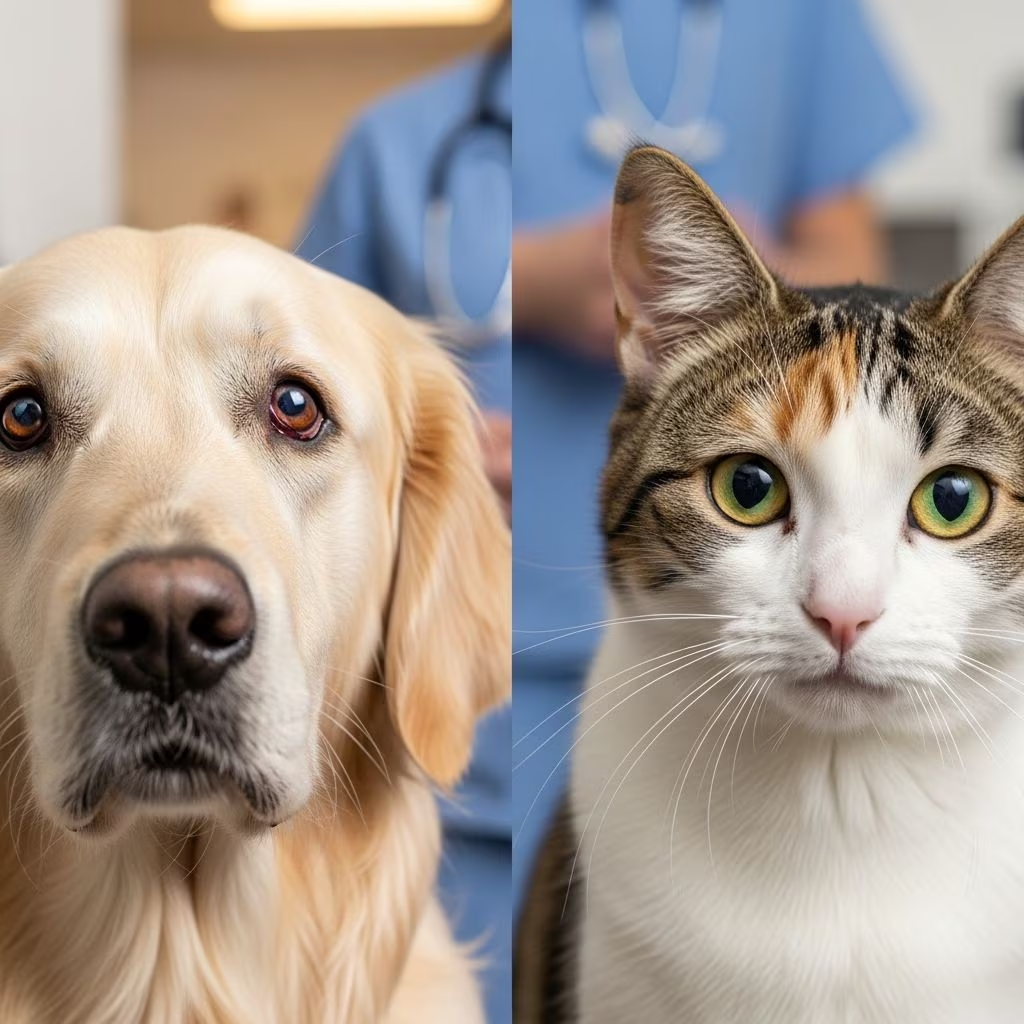
Understanding Immune-Mediated Thrombocytopenia (ITP or IMTP)
Immune-mediated thrombocytopenia (ITP) is a serious blood disorder that affects both dogs and cats, though it is considerably more common in canines. The condition is characterized by the immune system mistakenly targeting and destroying the body’s platelets, which are essential cellular components responsible for blood clotting. In this autoimmune condition, the body’s immune system produces antibodies that coat the surface of platelets, causing the spleen to recognize these cells as foreign invaders and subsequently destroy them. This leads to a dangerous reduction in circulating platelets, potentially resulting in spontaneous bleeding and life-threatening hemorrhage.
The term \”immune-mediated\” or \”autoimmune\” describes a pathological situation where the body reacts against its own tissues rather than protecting them. ITP represents one of the most common acquired primary hemostatic disorders in dogs, with mortality rates ranging from 10 to 30 percent in both species. Given the serious nature of this condition and the intensive immunosuppressive treatments required for management, rapid and accurate diagnosis is absolutely critical for pet owners and veterinarians alike.
Classification of ITP: Primary and Secondary Forms
Immune-mediated thrombocytopenia can be classified into two distinct categories: primary and secondary. Understanding this distinction is crucial for determining the appropriate treatment approach and prognosis.
Primary ITP
Primary ITP, also known as idiopathic immune thrombocytopenia, occurs when no obvious underlying inciting cause can be identified. In primary ITP, the immune system dysfunction appears to develop spontaneously without any detectable trigger. This form is significantly more common in dogs than in cats and represents the majority of canine ITP cases. Primary ITP is characterized by the body’s immune system attacking platelets for reasons that remain unclear despite thorough diagnostic investigation.
Secondary ITP
Secondary ITP develops when an underlying disease or condition triggers the abnormal immune response that subsequently targets platelets. Interestingly, secondary ITP is more common than primary ITP in cats, though both forms remain relatively rare in felines. When a patient has both immune-mediated thrombocytopenia and autoimmune hemolytic anemia simultaneously, this combined condition is referred to as Evans syndrome.
Secondary ITP can be triggered by numerous underlying conditions, including:
- Tick-borne infectious diseases such as Rocky Mountain Spotted Fever, ehrlichiosis, babesiosis, and hemotropic mycoplasmosis, where blood parasites directly target blood cells
- Systemic infections including leptospirosis, heartworm disease, canine distemper virus, and canine infectious hepatitis in dogs
- Feline-specific infections such as feline leukemia virus, feline immunodeficiency virus, and feline infectious peritonitis in cats
- Systemic inflammatory conditions such as severe bacterial infections, pancreatitis, bee stings, or snake bite envenomation
- Other autoimmune diseases including autoimmune hemolytic anemia (AIHA or IMHA) and lupus
- Malignant neoplasia and cancer
- Adverse drug reactions
- Recent vaccinations (though this remains controversial and lacks definitive supporting evidence)
Risk Factors and Breed Predispositions
While ITP can theoretically affect any dog or cat, certain populations demonstrate higher susceptibility to developing this condition. Understanding these risk factors can help pet owners remain vigilant.
In dogs, females are approximately twice as likely as males to develop primary ITP, and the condition is most prevalent in middle-aged dogs. Certain dog breeds are significantly over-represented among ITP cases, including cocker spaniels, miniature and toy poodles, and Old English sheepdogs. However, ITP can develop in dogs of any breed or size, and mixed-breed dogs are equally susceptible.
In cats, no known breed, sex, or age predispositions have been identified, meaning that any cat regardless of breed, gender, or age can develop ITP. However, secondary ITP appears somewhat more common than primary ITP in the feline population.
Clinical Signs and Symptoms of ITP
The symptoms of immune-mediated thrombocytopenia result directly from the body’s reduced ability to form blood clots due to insufficient platelet numbers. Owners should be alert to the following manifestations:
Hemorrhagic Manifestations
The most characteristic signs of ITP involve abnormal bleeding. Pets may develop unexplained bruising on the skin and mucous membranes. Blood may appear in the urine, stool, or vomit. Nosebleeds are relatively common presentations. If bleeding occurs within the eye, this can result in blindness. Bleeding within the central nervous system may cause seizures or other neurologic dysfunction. If hemorrhage occurs within the lungs, breathing difficulty and respiratory distress can be observed. Generally, large internal bleeds are not typically found at presentation, though some bleeding may be detected during physical examination.
If blood loss becomes significant, the gums may appear pale rather than the normal healthy pink color. This pallor results from reduced circulating hemoglobin and reflects the severity of blood loss.
Non-Specific Signs
Beyond hemorrhagic manifestations, pets with ITP may display various non-specific clinical signs including fever, weakness, lethargy, decreased appetite, and malaise. Lymph nodes may become enlarged (lymphadenopathy), and the liver and/or spleen may become enlarged (hepatomegaly and/or splenomegaly). These signs often result from the underlying immune dysregulation and can make diagnosis more challenging.
Diagnosis of ITP
Accurate diagnosis of immune-mediated thrombocytopenia requires a systematic approach combining clinical evaluation and laboratory testing. ITP remains fundamentally a diagnosis of exclusion, meaning that other causes of thrombocytopenia must be ruled out before confirming ITP.
Initial Examination
The diagnostic process begins with a thorough physical examination performed by the veterinarian. During this examination, the veterinarian will assess for evidence of bruising or abnormal bleeding, which suggests a clotting disorder. If such findings are present, further blood tests will be warranted to evaluate the patient’s clotting abilities comprehensively.
Complete Blood Count (CBC)
The cornerstone of ITP diagnosis is the complete blood count, a laboratory test that measures red blood cells, white blood cells, and platelets. This test also allows microscopic evaluation of cell size and shape. Thrombocytopenia (reduced platelet count) is diagnosed through this test. The severity of thrombocytopenia can help differentiate between immune-mediated and non-immune causes, as dogs with ITP typically demonstrate more severe thrombocytopenia compared to other causes. Most dogs with ITP present with platelet counts below 30,000 per microliter, and dogs requiring blood transfusions typically have platelet counts at or below 20,000 per microliter.
Additional Testing
Once thrombocytopenia is detected, additional diagnostic testing must be performed to determine whether the condition represents primary or secondary ITP. This may include serological testing for infectious diseases, bone marrow evaluation to assess megakaryocyte function, and imaging studies to identify potential underlying causes such as neoplasia.
Treatment Approaches for ITP
The treatment strategy for immune-mediated thrombocytopenia depends on whether the condition is classified as primary or secondary. If secondary ITP is diagnosed, treatment must address the underlying cause in addition to managing the thrombocytopenia itself.
Management of Secondary ITP
When an underlying cause is identified, treating that cause becomes the priority. For example, if a tick-borne disease triggered the ITP, appropriate antibiotic or antiparasitic therapy would be initiated. If a malignancy is responsible, cancer treatment would be pursued. Addressing the underlying condition often results in resolution of the secondary ITP.
Treatment of Primary ITP
When no underlying cause is found and thrombocytopenia is suspected to be primary ITP, treatment is based on suppressing the abnormal immune response. Immunosuppressive medications form the mainstay of treatment for primary ITP.
First-Line Therapy
Prednisone (or prednisolone in cats) is the standard first-line immunosuppressive medication used to treat primary ITP. These corticosteroids work by suppressing the immune system’s attack on platelets. Although corticosteroids can cause undesirable side effects including increased thirst, urination, and appetite, the benefits of controlling a life-threatening condition typically outweigh these temporary effects.
Additional Immunosuppressive Medications
If no response is observed after approximately one week of prednisone therapy, or if clinical signs worsen despite treatment, additional immunosuppressive medications can be considered. These may include azathioprine, cyclosporine, and mycophenolate. These medications work through different mechanisms to suppress the pathologic immune response.
Supportive Care and Blood Products
Dogs with ITP are typically hospitalized for stabilization and treatment initiation. Blood transfusions may be necessary, particularly if sudden and excessive blood loss has occurred. Plasma transfusions can also be administered to help increase platelet numbers more rapidly. Supportive care measures are essential to manage the life-threatening complications of severe thrombocytopenia.
Prognosis and Outcomes
The prognosis for dogs and cats with ITP varies considerably depending on disease severity, response to initial therapy, and the presence or absence of underlying complications. While mortality rates of 10 to 30 percent are reported for both species, many patients respond well to appropriate immunosuppressive therapy and achieve long-term remission. Factors influencing prognosis include the severity of thrombocytopenia at presentation, response to first-line treatment, presence of concurrent bleeding complications, and the patient’s overall health status.
Frequently Asked Questions About ITP
Q: Is immune-mediated thrombocytopenia contagious to other pets?
A: No, ITP is not contagious. It is an autoimmune condition where the individual’s own immune system malfunctions and cannot be transmitted from one pet to another through contact or exposure.
Q: Can ITP be prevented?
A: There is no proven method to prevent primary ITP, as the cause of most cases remains unknown. For secondary ITP, preventing or treating underlying diseases such as tick-borne infections can help reduce the risk of ITP development.
Q: How long does treatment for ITP typically last?
A: Treatment duration varies significantly among individual patients. Some pets respond quickly to initial therapy and can gradually discontinue medications, while others require long-term immunosuppressive therapy to maintain platelet counts and prevent relapse.
Q: Can cats recover completely from ITP?
A: Many cats with ITP can achieve remission with appropriate treatment, though the prognosis in cats may be somewhat guarded. Some cats may relapse after initially responding to therapy, requiring continued or resumed treatment.
Q: What should I do if my pet shows signs of unusual bleeding?
A: If you notice unexplained bruising, blood in urine or stool, nosebleeds, or any other signs of abnormal bleeding, contact your veterinarian immediately. These can indicate serious conditions requiring urgent evaluation and treatment.
Q: Are there any dietary considerations for pets with ITP?
A: While diet alone cannot treat ITP, maintaining good nutritional status supports overall health and immune function. Discuss specific dietary recommendations with your veterinarian, particularly if your pet is receiving corticosteroid therapy.
When to Seek Veterinary Care
Immediate veterinary attention should be sought if your pet exhibits signs of abnormal bleeding, including unexplained bruising, blood in bodily fluids, difficulty breathing, neurologic changes such as seizures, or sudden onset of lethargy and weakness. These symptoms can indicate serious conditions requiring urgent evaluation and intervention.
References
- ACVIM Consensus Statement on the Diagnosis of Immune-Mediated Thrombocytopenia in Dogs and Cats — National Center for Biotechnology Information (NCBI). 2024. https://pmc.ncbi.nlm.nih.gov/articles/PMC11256148/
- Immune-Mediated Thrombocytopenia in Dogs and Cats — Veterinary Centers of America (VCA). https://vcahospitals.com/know-your-pet/immune-mediated-thrombocytopenia-in-dogs-and-cats
- Immune-Mediated Thrombocytopenia — University of Missouri Veterinary Health Center. https://vhc.missouri.edu/small-animal-hospital/small-animal-internal-medicine/diseases-and-treatments/immune-mediated-thrombocytopenia/
- Platelet Disorders in Animals — Circulatory System — Merck Veterinary Manual. https://www.merckvetmanual.com/circulatory-system/hemostatic-disorders/platelet-disorders-in-animals
- ACVIM Consensus Statement on the Treatment of Immune-Mediated Thrombocytopenia — Journal of Veterinary Internal Medicine. 2024. https://onlinelibrary.wiley.com/doi/full/10.1111/jvim.17079



