

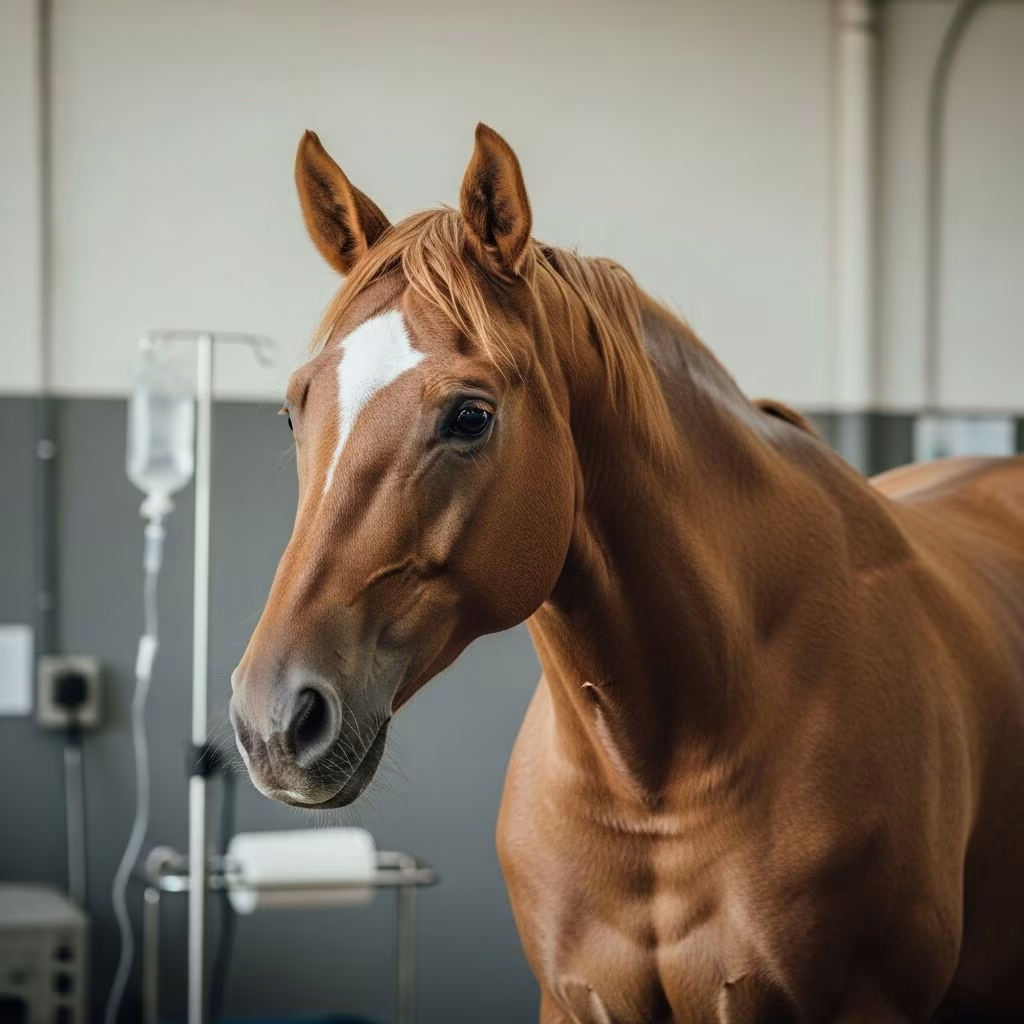
Immune-mediated myopathies represent a significant challenge in equine veterinary medicine, particularly affecting certain breeds with genetic vulnerabilities. These conditions involve the horse’s immune system mistakenly targeting its own muscle tissues, leading to severe inflammation and rapid degeneration. Understanding this disease is crucial for timely intervention and improved outcomes.
Understanding the Pathophysiology
At the core of immune-mediated myopathies, such as immune-mediated myositis (IMM), lies an autoimmune response where the body’s defenses attack skeletal muscle fibers. This process primarily targets fast-twitch type 2X myofibers, resulting in myonecrosis and infiltration by lymphocytes, especially CD4+ T-lymphocytes. The destruction manifests as rhabdomyolysis, characterized by elevated serum markers like creatine kinase (CK) and aspartate aminotransferase (AST).
A key genetic factor is a mutation in the MYH1 gene, which encodes the myosin heavy chain in fast-twitch muscles. Horses homozygous for this mutation experience more severe episodes, while heterozygotes may remain asymptomatic or show milder signs. Triggers often precede onset by 3-4 weeks, activating the immune response against structurally abnormal muscle fibers.
Breeds at Risk and Genetic Insights
Quarter Horses and related breeds, including Paints and Appaloosas, are predominantly affected due to the prevalence of the MYH1 mutation. Up to 40% of horses with a single copy of the mutation avoid symptoms, but those with two copies face heightened risk and intensity.
- High-risk groups: Quarter Horses, especially performance lines.
- Mutation carriers: Genetic testing identifies susceptible individuals before breeding.
- Non-carriers: Rare cases occur, possibly linked to other immune dysregulation.
Genetic screening via PCR tests for the MYH1 E321G mutation enables preventive breeding strategies, reducing disease incidence in future generations.
Common Triggers and Precipitating Factors
While the genetic predisposition sets the stage, environmental triggers ignite the immune assault. Infections top the list, including respiratory pathogens like equine influenza virus, herpesvirus-1 and -4, Streptococcus equi (strangles), and S. equi zooepidemicus. Vaccinations against these agents, particularly within recent weeks, have also been implicated.
Other potential inciters include Corynebacterium pseudotuberculosis and tick-borne Anaplasma phagocytophilum, which can cause concurrent systemic signs like fever and leukocytosis. In over half of cases, no clear trigger is identified, highlighting the role of unknown factors in disease activation.
| Trigger Type | Examples | Incidence |
|---|---|---|
| Viral Infections | Influenza, Herpesvirus | Common |
| Bacterial Infections | Streptococcus equi, Anaplasma | Frequent |
| Vaccinations | Respiratory vaccines | Occasional |
| Unknown | N/A | >50% |
Recognizing Clinical Manifestations
The hallmark of IMM is dramatic, symmetrical muscle atrophy, often striking the epaxial (back), gluteal (hindquarters), and neck/shoulder regions. Atrophy can claim up to 40-50% of muscle mass within 48 hours to a week, creating a gaunt, bony appearance.
Acute signs mimic nonexertional rhabdomyolysis: stiffness, muscle pain, firm musculature, weakness, tremors, and reluctance to move. Some horses become recumbent (8% incidence), while others show fever (44%, up to 104°F), lethargy, reduced appetite, and poor performance.
- Primary signs: Rapid topline wasting, stiff gait (74%).
- Systemic features: Fever, leukocytosis (60%), hyperfibrinogenemia.
- Severe cases: Recumbency, bloody urine from myoglobinuria.
These symptoms demand differentiation from exertional rhabdomyolysis, polysaccharide storage myopathy, or nutritional deficiencies.
Laboratory and Diagnostic Approaches
Diagnosis hinges on clinical history, physical exam, and targeted tests. Serum biochemistry reveals markedly elevated CK (>10,000 U/L) and AST (>1,000 U/L), persisting due to ongoing myofiber damage. However, these levels do not predict survival.
Complete blood count often shows leukocytosis and hyperfibrinogenemia, signaling inflammation or infection. Muscle biopsies confirm lymphocytic infiltration and myonecrosis, though invasive. Genetic testing for MYH1 mutation provides definitive susceptibility confirmation via blood or hair samples.
Urinalysis checks for myoglobinuria and renal compromise, as rhabdomyolysis can precipitate acute kidney injury. Ultrasound or thermography may reveal muscle edema in early stages.
Treatment Protocols and Management
There is no cure for IMM, but acute episodes respond well to immunosuppression. High-dose corticosteroids like dexamethasone (0.1 mg/kg IV or PO) halt immune attack, often administered immediately for 87% survival to discharge. Prompt therapy is critical, especially before extensive atrophy.
Supportive care includes:
- NSAIDs or pain relievers for stiffness and discomfort.
- Muscle relaxants like methocarbamol.
- Fluid therapy to protect kidneys and flush myoglobin.
- Rest in a stall; gradual remobilization as enzymes normalize.
Muscle mass regenerates over weeks to months with proper management, though recurrences are common in genetically affected horses.
Prognosis and Long-Term Outlook
Survival exceeds 85% with early intervention, but concurrent fever or illness worsens odds. Horses without such complications recover fully, regaining topline strength. Homozygotes face recurrent flares, necessitating lifelong monitoring.
Breeding restrictions for carriers prevent propagation. Regular CK/AST screening post-triggers aids early detection.
Prevention Strategies for Owners and Breeders
Proactive measures mitigate risk:
- Genetic testing: Screen breeding stock; avoid homozygote pairings.
- Vaccine management: Monitor post-vaccination for 4 weeks.
- Infection control: Biosecurity to limit respiratory diseases.
- Performance monitoring: Track subtle signs like lethargy.
Annual wellness checks with enzyme panels catch subclinical issues.
Frequently Asked Questions (FAQs)
What breeds are most susceptible to IMM?
Quarter Horses and related breeds like Paints carry the highest risk due to MYH1 mutation prevalence.
Can IMM be fatal?
While rare with treatment, complications like renal failure or recumbency can lead to euthanasia; early care yields high survival.
How quickly does muscle wasting occur?
Up to 40% loss in 48 hours, progressing to 50% in a week if untreated.
Is there a vaccine or definitive cure?
No cure exists; management focuses on immunosuppression during flares. Prevention relies on genetics.
Should I breed a horse testing positive for MYH1 mutation?
Heterozygotes can breed selectively; homozygotes should not to avoid affected offspring.
Key Takeaways for Equine Care
Immune-mediated myopathies demand vigilance in at-risk breeds. Rapid recognition of atrophy and stiffness, coupled with genetic awareness and swift therapy, optimizes recovery. Owners play a pivotal role through testing and monitoring.
References
- Clinical Implications and Hospital Outcome of Immune‐Mediated Myositis — Aleman M et al. Wiley Online Library. 2016-10-26. https://pmc.ncbi.nlm.nih.gov/articles/PMC5259621/
- Immune Mediated Myositis (IMM) in Horses: Causes — Mad Barn. 2023. https://madbarn.com/immune-mediated-myositis-in-horses/
- Causes of Immune-Mediated Myopathies in Horses — EquiManagement. 2022. https://equimanagement.com/research-medical/disease/causes-of-immune-mediated-myopathies-in-horses/
- Immune Mediated Myositis (IMM) — UC Davis Veterinary Medicine, Finno Laboratory. 2024. https://www.vetmed.ucdavis.edu/labs/finno-laboratory/immune-mediated-myositis-imm
- IMM in Horses: What It Is and How to Manage — PetMD. 2023. https://www.petmd.com/horse/conditions/musculoskeletal/imm-in-horses



