

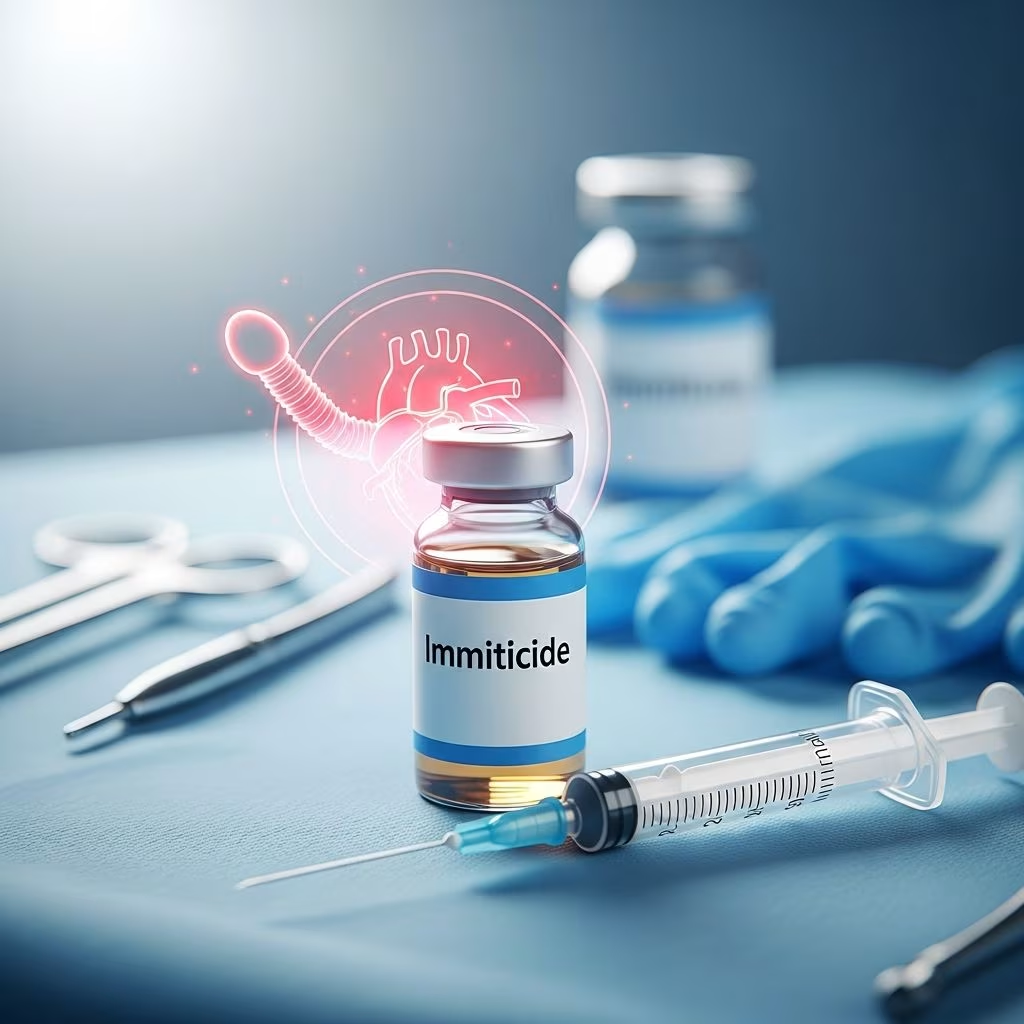
Immiticide, known scientifically as melarsomine dihydrochloride, stands as the gold-standard treatment for adult heartworms in dogs, approved by the FDA for eliminating this dangerous parasite. Heartworm disease, transmitted via mosquito bites, poses a severe threat to canine cardiovascular health, and Immiticide’s targeted arsenic-based action disrupts the worms’ life cycle effectively when integrated into structured protocols.
Understanding Heartworm Infection in Dogs
Heartworms (Dirofilaria immitis) reside in a dog’s heart, pulmonary arteries, and lungs, leading to inflammation, organ damage, and potentially fatal complications if untreated. Infections progress through larval stages introduced by infected mosquitoes, maturing into adults within six months. Early detection via antigen tests is crucial, as symptoms like coughing, fatigue, and weight loss emerge only in advanced stages.
Veterinarians classify infections by severity: Class 1 (mild, asymptomatic), Class 2 (moderate with cough), Class 3 (severe with heart failure signs), and Class 4 (caval syndrome, life-threatening). Regardless of class, the American Heartworm Society (AHS) endorses a uniform adulticide approach using Immiticide for reliable clearance.
Why Immiticide Remains the Preferred Choice
Immiticide’s efficacy stems from its ability to kill over 98% of adult heartworms when administered in the recommended three-dose regimen, surpassing alternatives like two-dose protocols (90% efficacy) or slow-kill methods. As an injectable arsenical, it targets deep muscle tissue where worms lodge, minimizing systemic exposure while maximizing worm mortality.
Unlike oral preventives that only manage larvae, Immiticide addresses established adults, preventing further damage such as pulmonary hypertension and right-sided heart failure. Recent AHS updates reinforce its role, incorporating doxycycline to weaken worms by targeting Wolbachia bacteria, enhancing treatment safety and success.
Step-by-Step Pre-Treatment Preparation
Treatment begins with stabilization to reduce risks from dying worms. Initiate macrocyclic lactone (ML) preventives like ivermectin or moxidectin on Day 0 to kill circulating microfilariae and prevent new infections. Concurrently, administer doxycycline at 10 mg/kg orally twice daily for 28 days; this antibiotic depletes Wolbachia, making worms more vulnerable and curbing inflammation.
For symptomatic dogs, add corticosteroids like prednisone (0.5 mg/kg orally twice daily, tapering over 2-4 weeks) to manage pneumonitis or cough. Restrict activity immediately—leash walks only—to avoid thromboembolism from worm fragments. Diagnostic imaging, including thoracic radiographs and echocardiography, assesses worm burden and organ involvement.
Key Pre-Treatment Timeline
- Day 0: Start ML preventive and doxycycline.
- Days 1-28: Continue doxycycline; monitor for tolerance (reduce dose if gastrointestinal upset occurs).
- Day 30: Administer ML preventive; confirm microfilariae clearance.
- Days 60-90: Ongoing ML; prepare for Immiticide injections.
The Three-Dose Immiticide Protocol
The AHS-recommended regimen involves one intramuscular injection of Immiticide (2.5 mg/kg) deep into the epaxial muscles on Day 60, followed by two more doses on Days 90 and 91 (24 hours apart). This split-dose approach optimizes efficacy while minimizing complications compared to front-loading.
Injections occur under veterinary supervision, often with hospitalization for monitoring. Pain, swelling, or soreness affects about one-third of dogs, resolving with ice packs and analgesics; rare abscesses require drainage. Post-injection, enforce 6-8 weeks of strict rest and continue ML preventives monthly.
| Protocol Variant | Efficacy | Advantages | Disadvantages |
|---|---|---|---|
| Three-Dose (AHS Standard) | 99% worm kill | High clearance; suitable for all classes | Multiple visits required |
| Two-Dose Alternative | 90% worm kill | Fewer injections; cost-effective | Higher complication risk; incomplete clearance |
| Slow-Kill (ML + Doxy) | Variable, slower | No injections | Not recommended; prolonged damage |
This table summarizes options per MSD Veterinary Manual and AHS data, highlighting the three-dose superiority.
Managing Side Effects and Complications
Common reactions include injection-site pain (managed with NSAIDs) and lethargy. Severe risks like pulmonary thromboembolism occur if activity isn’t restricted, as worm emboli block lung vessels. Monitor for hypersensitive reactions to dying microfilariae, treated with steroids and supportive care.
Follow-up antigen testing at 6-9 months confirms clearance; retesting ensures no resurgence. In shelters or resource-limited settings, spectrum-of-care adaptations allow two-dose use, but with informed risk disclosure.
Post-Treatment Recovery and Monitoring
Recovery demands patience: maintain crate rest, short leashed walks, and no play for 2 months post-final dose. Gradually reintroduce exercise based on veterinary clearance. Nutritional support with omega-3 fatty acids aids lung repair, while ongoing preventives are lifelong.
Annual antigen and microfilariae tests track status. Success rates exceed 95% with adherence, restoring normal longevity.
Prevention: The Ultimate Defense
Year-round ML preventives form the cornerstone, now augmented by isoxazolines and EPA-approved repellents to curb mosquito vectors. Products like Heartgard or Advantage Multi require prescriptions and monthly dosing. Avoid gaps, especially in endemic areas.
- Moxidectin topicals for microfilariae control.
- Combine with insecticides like permethrin.
- Vaccinate against transmission in high-risk zones (emerging options).
Cost Considerations and Owner Responsibilities
Treatment averages $1,000-$3,000, covering diagnostics, drugs, and monitoring—not including complications. Pet insurance or financing eases burdens. Owners must commit to protocols; non-compliance risks recurrence or legal issues in boarding.
Frequently Asked Questions (FAQs)
Is Immiticide safe for all dogs?
Yes, for stabilized Class 1-3 cases; Class 4 requires stabilization first. Puppies over 6 months and pregnant dogs are eligible post-vet assessment.
How painful are Immiticide injections?
Moderately painful with swelling; pre-medication and rest mitigate discomfort.
Can heartworms return after treatment?
Rare with proper follow-up and prevention; re-infection occurs without monthly protectants.
What if I can’t afford the full protocol?
Discuss alternatives with your vet; two-dose or slow-kill options exist but are less effective.
How long until my dog is normal again?
Full recovery takes 2-6 months with strict rest.
Emerging Advances in Heartworm Management
AHS 2024 guidelines expand diagnostics with point-of-care ultrasound for worm visualization and refine non-adulticide options for interruptions. Research into Wolbachia-targeted therapies promises adjuncts to Immiticide, potentially shortening regimens. Moxidectin injectables offer long-acting prevention.
Vector control gains traction: community mosquito management reduces incidence by 50% in trials. Owners should advocate for local efforts alongside personal prevention.
References
- Guidelines for canine heartworm disease are updated — DVM360. 2024. https://www.dvm360.com/view/guidelines-for-canine-heartworm-disease-are-updated
- A Dog Owner’s Guide to Heartworm Treatment — CareCredit. 2024. https://www.carecredit.com/well-u/pet-care/how-does-heartworm-treatment-work/
- Heartworm Disease Management — Best Friends Animal Society. 2024. https://bestfriends.org/network/resources-tools/heartworm-disease-management
- Heartworm Disease in Dogs, Cats, and Ferrets — MSD Veterinary Manual. 2024-11-22. https://www.msdvetmanual.com/circulatory-system/heartworm-disease/heartworm-disease-in-dogs-cats-and-ferrets
- Canine Guidelines Summary — American Heartworm Society. 2024. https://www.heartwormsociety.org/images/pdf/Canine-Guidelines-Summary.pdf
- The Facts about Heartworm Disease — FDA. 2024. https://www.fda.gov/animal-veterinary/animal-health-literacy/keep-worms-out-your-pets-heart-facts-about-heartworm-disease
- Prevention, Diagnosis, and Management of Heartworm Disease — American Heartworm Society. 2024-11-22. https://d3ft8sckhnqim2.cloudfront.net/images/AHS_Canine_Guidelinesweb22NOV2024.pdf?1732318144



