

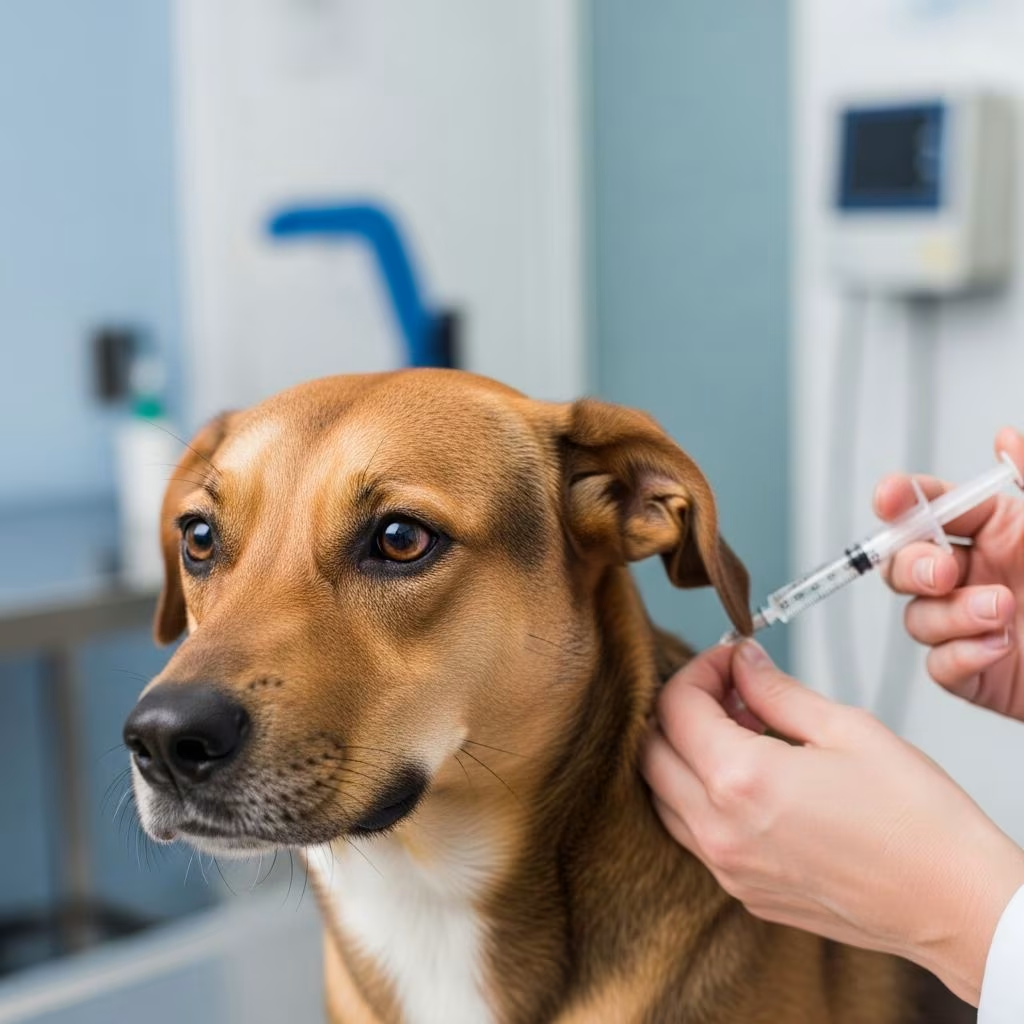
Canine ehrlichiosis represents a significant health challenge for dogs, primarily transmitted through tick bites and caused by intracellular bacteria like Ehrlichia canis. Imizol, known scientifically as imidocarb dipropionate, stands out as a specialized injectable treatment designed to target these pathogens effectively, particularly in regions where the disease prevails. This therapy disrupts the bacteria’s lifecycle within white blood cells, promoting faster recovery when administered promptly.
Recognizing the Threat of Ehrlichiosis in Dogs
Ehrlichiosis progresses through distinct phases, starting with an acute stage marked by fever, lethargy, and loss of appetite. Dogs may exhibit swollen lymph nodes, petechial hemorrhages on gums, and joint pain during this period. Without intervention, it advances to a subclinical phase where the dog appears healthy but harbors the bacteria, potentially leading to chronic complications like severe anemia, thrombocytopenia, and organ damage.
Ticks such as the brown dog tick (Rhipicephalus sanguineus) are the primary vectors, thriving in warm climates and infesting kennels or yards. Co-infections with agents like Anaplasma platys or Babesia complicate diagnosis, as symptoms overlap with Lyme disease or Rocky Mountain spotted fever. Early blood tests, including PCR and serology, are crucial for confirmation, revealing morulae in leukocytes or elevated antibody titers.
Why Choose Imizol for Treatment?
While doxycycline remains the first-line oral antibiotic at 5-10 mg/kg daily for 28 days, Imizol provides a potent alternative or adjunct, especially for acute or refractory cases. Its mechanism involves inhibiting DNA replication in rickettsial organisms, offering rapid bactericidal action. Veterinary guidelines highlight its efficacy against E. canis and related species, often resolving clinical signs within days.
Imizol’s intramuscular or subcutaneous administration ensures high bioavailability, bypassing gastrointestinal issues common with oral meds in nauseous dogs. It’s particularly valuable in endemic areas or for dogs unable to tolerate tetracyclines due to age or concurrent conditions.
Precise Dosing Guidelines for Imizol
Veterinarians typically administer Imizol at 3-6 mg/kg body weight, given as two doses 14 days apart. For a 20 kg dog, this equates to 0.5-1.0 ml per injection using the standard 12% concentration. The first dose tackles the acute infection, while the second eliminates persistent carriers.
| Dog Weight (kg) | Dose Volume (ml) at 3 mg/kg | Dose Volume (ml) at 6 mg/kg |
|---|---|---|
| 5 | 0.125-0.25 | 0.25-0.5 |
| 10 | 0.25-0.5 | 0.5-1.0 |
| 20 | 0.5-1.0 | 1.0-2.0 |
| 30 | 0.75-1.5 | 1.5-3.0 |
Adjustments may be needed for severe cases, and combination with doxycycline enhances outcomes. Always administer under veterinary supervision to monitor for anaphylaxis.
Managing Side Effects and Complications
Common reactions to Imizol include transient salivation, lacrimation, and mild cholinergic signs like diarrhea or tremors, stemming from its parasympathomimetic properties. These resolve within hours without intervention. Severe hypersensitivity occurs rarely but warrants epinephrine readiness.
- Cholinergic effects: Excessive drooling, slowed heart rate—treat with atropine if persistent.
- Injection site reactions: Swelling or pain; rotate sites for second dose.
- Rare systemic issues: Liver enzyme elevations; baseline bloodwork advised.
Supportive care like IV fluids, blood transfusions for anemia (PCV <20%), and steroids for immune-mediated thrombocytopenia bolsters recovery. Hospitalization is key for dogs in crisis.
Monitoring Progress During and After Therapy
Post-injection, expect fever reduction in 24-48 hours and appetite return shortly after. Weekly CBC tracks platelet recovery and normalization of globulin levels, typically within 10-15 days. PCR follow-ups at 4 weeks confirm clearance, as subclinical carriers risk relapse.
Chronic ehrlichiosis demands extended monitoring; some dogs require months of therapy. Growth factors like erythropoietin aid bone marrow recovery in pancytopenic cases.
Comparing Imizol with Standard Protocols
| Treatment | Dosage | Duration | Pros | Cons |
|---|---|---|---|---|
| Doxycycline | 5-10 mg/kg/day | 28 days | Oral, well-tolerated, broad-spectrum | GI upset, not for puppies <6 months |
| Imizol | 3-6 mg/kg IM/SC | 2 doses, 14 days apart | Fast-acting, single injections | Side effects, vet-administered |
| Minocycline | 5-10 mg/kg BID | 28 days | Doxycycline alternative | Less studied in dogs |
Imizol excels in outpatient settings for its brevity, but doxycycline is preferred for chronic phases due to sustained action.
Prevention: The Best Defense Against Ehrlichiosis
Tick control is paramount. Monthly topicals like Bravecto or oral isoxazolines (Nexgard, Simparica) kill ticks before transmission. Seresto collars offer 8-month protection. Environmental management—yard treatments and tick checks post-outings—reduces exposure.
Vaccines are unavailable, so annual serology in high-risk areas aids early detection. Heartworm preventives with tick coverage provide dual benefits.
Real-World Recovery Stories and Prognosis
Dogs treated acutely with Imizol boast excellent prognoses, with 90% full recovery. Chronic cases improve but may persist as carriers, necessitating lifelong vigilance. A study of experimentally infected dogs showed persistent infection post-therapy in some, underscoring combo treatments.
Owners report dogs regaining energy within a week, resuming normal activities after the second dose. Success hinges on prompt vet visits at tick season onset.
Frequently Asked Questions (FAQs)
Can my dog fully recover from ehrlichiosis with Imizol?
Yes, acute cases respond well, but chronic infections may require ongoing management.
Is Imizol safe for puppies?
Use cautiously; doxycycline is avoided under 6 months, but Imizol may be considered per vet discretion.
How soon do symptoms improve after Imizol injection?
Fever and lethargy often lift in 24-48 hours.
Will my dog get reinfected?
Yes, without prevention, as immunity is incomplete.
Can I use Imizol at home?
No, it requires veterinary administration due to side effect risks.
Long-Term Health Strategies Post-Treatment
Post-recovery, maintain quarterly blood panels for at-risk dogs. Nutritional support with omega-3s and antioxidants aids immune rebound. Avoid endemic areas during peak tick seasons. Educate on tick removal: grasp with tweezers, pull steadily without twisting.
Integrate wellness exams focusing on vector-borne panels. For breeding dogs, clear infections pre-mating to prevent puppy transmission.
References
- The Treatment of Ehrlichiosis in Dogs — Snellville Animal Hospital. 2024-05-15. https://www.snellvilleanimalhospital.org/site/blog/2024/05/15/treatment-ehrlichiosis-dogs
- Guideline for veterinary practitioners on canine ehrlichiosis and anaplasmosis in Europe — PMC (PubMed Central). 2015-02-11. https://pmc.ncbi.nlm.nih.gov/articles/PMC4324656/
- Stages & Treatment for Ehrlichiosis in Dogs — Dockery & Mobley Veterinary Hospital. 2022-01-06. https://www.dockerymobleyvets.com/site/blog/2022/01/06/ehrlichiosis-stages-dogs
- Ehrlichiosis in Dogs — VCA Animal Hospitals. N/A. https://vcahospitals.com/know-your-pet/ehrlichiosis-in-dogs
- Ehrlichiosis in Dogs — Merck Veterinary Manual. N/A. https://www.merckvetmanual.com/infectious-diseases/rickettsial-diseases-in-dogs/ehrlichiosis-in-dogs
- Ehrlichia spp. and Anaplasma spp. — Companion Animal Parasite Council (CAPC). N/A. https://capcvet.org/guidelines/ehrlichia-spp-and-anaplasma-spp/



