

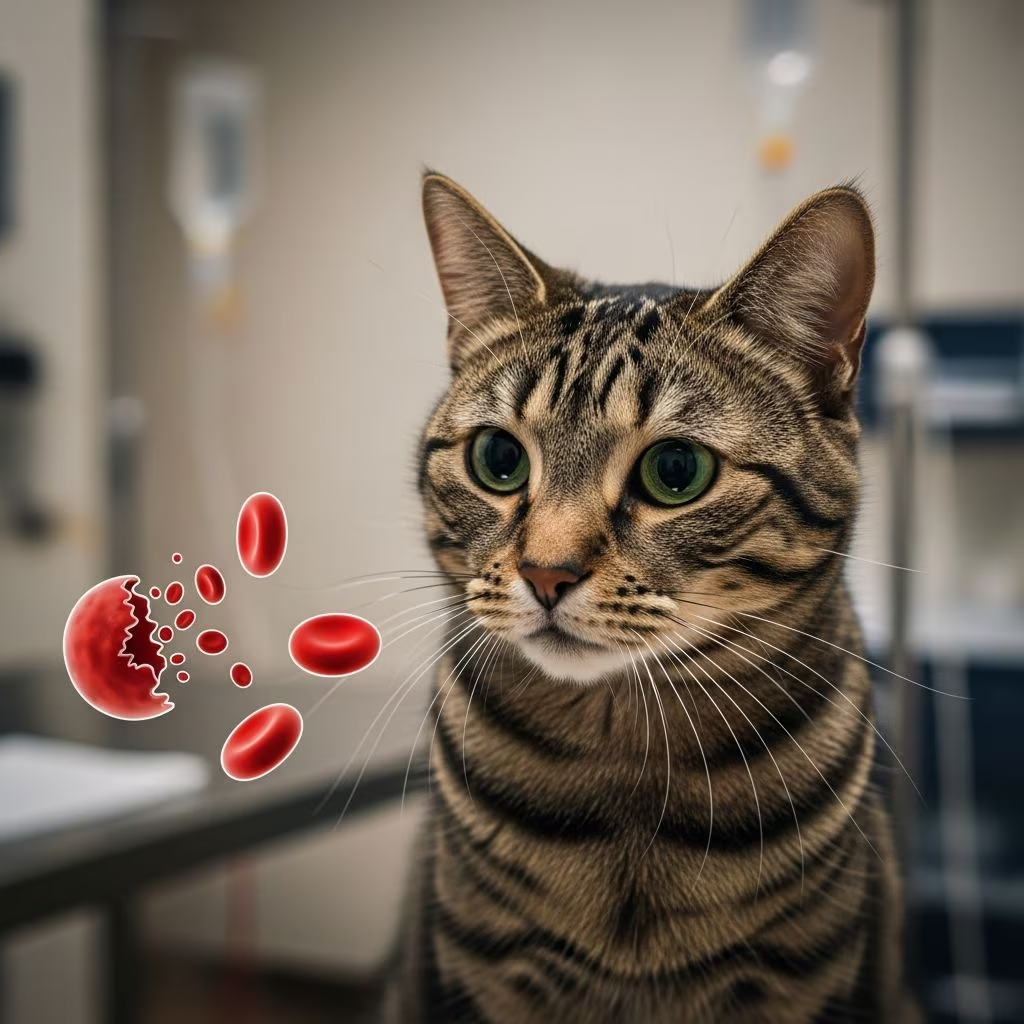
Immune-Mediated Hemolytic Anemia (IMHA) in cats is a critical condition where the immune system mistakenly attacks and destroys the body’s own red blood cells, leading to severe anemia. This autoimmune disorder can be life-threatening if not addressed promptly, but early detection and targeted treatment can improve outcomes for affected felines.
What Is IMHA in Cats?
IMHA, also known as autoimmune hemolytic anemia, occurs when a cat’s immune system produces antibodies that target red blood cells (RBCs), causing their premature destruction or hemolysis. This results in fewer RBCs available to carry oxygen throughout the body, leading to anemia. In cats, IMHA is relatively uncommon compared to dogs but can be more prevalent in regions with blood-borne infections.
The destruction primarily happens in the spleen, liver, or bloodstream (intravascular hemolysis). Cats may experience regenerative anemia, where the bone marrow attempts to produce new RBCs, but the immune attack overwhelms this response. Prompt veterinary intervention is essential, as complications like blood clots (thromboembolism) can arise.
Types of IMHA in Cats
IMHA in cats is classified into two main types: primary (idiopathic) and secondary.
- Primary IMHA: No identifiable underlying cause; the immune system attacks RBCs idiopathically. This form is less common in cats.
- Secondary IMHA: More frequent in felines, triggered by underlying conditions such as infections (e.g., feline leukemia virus – FeLV, hemoplasmosis), neoplasia (blood cancers), drug reactions, inflammatory diseases, or other immune-mediated disorders.
Identifying the type is crucial, as treatment varies significantly. Secondary IMHA requires addressing the root cause alongside immunosuppression.
Symptoms of IMHA in Cats
Symptoms often develop rapidly once anemia becomes severe, though early signs may be subtle. Common clinical signs include:
- Pale or white gums (mucous membranes), indicating anemia.
- Lethargy, weakness, or collapse due to oxygen deprivation.
- Jaundice (yellowing of eyes, skin, or gums) from bilirubin buildup as RBCs break down.
- Increased heart and respiratory rates (tachycardia and tachypnea).
- Decreased appetite and activity levels initially.
- Dark urine (hemoglobinuria) in cases of intravascular hemolysis.
Severe cases may present with shock-like symptoms, requiring immediate hospitalization. Owners should monitor for these signs, especially in cats with known risk factors like FeLV.
Causes of IMHA in Cats
While primary IMHA has unknown triggers, secondary IMHA stems from identifiable factors. Key causes include:
| Cause Category | Examples |
|---|---|
| Infectious Diseases | FeLV, FIV, hemoplasmosis, babesiosis (more common in endemic areas) |
| Neoplasia | Lymphoma, other blood cancers |
| Drugs/Toxins | Adverse reactions to medications like cephalosporins or acepromazine |
| Inflammatory/Immune | Systemic lupus erythematosus, other autoimmune diseases |
| Idiopathic | No known trigger (primary IMHA) |
Thorough testing is vital to rule out secondary causes, as treating infections with immunosuppressants alone can worsen outcomes.
Diagnosis of IMHA in Cats
Diagnosing IMHA involves a multi-step process starting with history and physical exam, followed by targeted tests.
- Physical Examination: Checks for pale gums, jaundice, splenomegaly, or heart murmurs.
- Bloodwork: Complete blood count (CBC) reveals regenerative anemia (low PCV/hematocrit, reticulocytosis), spherocytosis on smear.
- Blood Smear: Identifies autoagglutination, Heinz bodies, or parasites.
- Coombs’ Test: Detects antibodies on RBC surfaces, confirming immune-mediated cause.
- Infectious Disease Screening: FeLV/FIV tests, PCR for hemoplasmas.
- Imaging/Advanced: Ultrasound, X-rays, bone marrow biopsy if neoplasia suspected.
Differentiating primary from secondary IMHA is critical to avoid fatal misdiagnosis.
Treatment for IMHA in Cats
Treatment focuses on halting hemolysis, supportive care, and addressing underlying causes. It’s intensive and may require hospitalization.
Immunosuppressive Therapy
The cornerstone is glucocorticoids like prednisolone (2-4 mg/kg PO q24h) to suppress the immune response. If unresponsive, add cyclosporine or cyclophosphamide; azathioprine is contraindicated due to toxicity in cats.
Supportive Care
- Blood transfusions for severe anemia (PCV <15-20%).
- Fluid therapy to combat dehydration and support circulation.
- Oxygen supplementation for hypoxic cats.
- Antithrombotics (e.g., low-dose aspirin, heparin) to prevent clots.
- Antibiotics if infection suspected, tailored to regional diseases.
Treatment has two phases: acute induction (high-dose immunosuppression) and chronic maintenance (tapering doses). Owners must commit to long-term monitoring.
Prognosis for Cats with IMHA
Prognosis is guarded to poor, with mortality rates high due to complications like thromboembolism or refractory disease. Survival improves with early intervention and secondary cause treatment, but many cats require lifelong therapy. FeLV-positive cats have worse outcomes. Factors improving prognosis: rapid response to steroids, no underlying disease. Discuss euthanasia if quality of life declines.
Recovery and Management at Home
Post-hospitalization, monitor PCV weekly, administer meds strictly, and watch for side effects like GI upset or infections from immunosuppression. Provide a stress-free environment, soft food, and regular vet check-ups. Long-term success depends on owner vigilance.
Prevention of IMHA in Cats
No sure prevention for primary IMHA, but minimize risks: vaccinate against FeLV, test carriers, avoid trigger drugs, control parasites/infections. Routine wellness exams aid early detection.
Frequently Asked Questions (FAQs)
What is the most common cause of IMHA in cats?
Secondary IMHA linked to infections like FeLV or hemoplasmosis is more common than primary idiopathic cases.
Can my cat recover from IMHA?
Yes, with aggressive treatment, but prognosis varies; some respond well to steroids while others need multi-drug therapy.
Is IMHA contagious?
No, it’s an autoimmune disorder, not transmissible between cats.
How much does IMHA treatment cost for cats?
Costs vary; hospitalization, transfusions, and meds can exceed thousands, depending on severity and duration.
Can IMHA come back in cats?
Relapses occur, especially if underlying issues persist; lifelong management may be needed.
References
- Immune Mediated Hemolytic Anemia in Cats – Causes, Treatment — Vetster. 2023. https://vetster.com/en/conditions/cat/immune-mediated-hemolytic-anemia
- IMHA (Immune Mediated Haemolytic Anaemia) Fact Sheet — Vet Specialists. 2022. https://www.vetspecialists.co.uk/fact-sheets-post/imha-immune-mediated-haemolytic-anaemia-fact-sheet/
- IMHA (Immune Mediated Hemolytic Anemia) — Neighborhood Vet Clinic. 2023. https://www.neighborhoodvetclinic.com/imha-immune-mediated-hemolytic-anemia/
- Immune-mediated hemolytic anemia: Treating cats and dogs with a complex disease — dvm360. 2022-05-01. https://www.dvm360.com/view/immune-mediated-hemolytic-anemia-treating-cats-and-dogs-with-complex-disease
- Management Of Immune-Mediated Hemolytic Anemia — Today’s Veterinary Practice. 2023. https://todaysveterinarypractice.com/hematology/management-of-immune-mediated-hemolytic-anemia-a-common-hematologic-disorder-in-dogs-cats/
- Autoimmune Hemolytic Anemia in Cats — VCA Animal Hospitals. 2023. https://vcahospitals.com/know-your-pet/autoimmune-hemolytic-anemia-in-cats
- Regenerative Anemias in Animals — Merck Veterinary Manual. 2024. https://www.merckvetmanual.com/circulatory-system/anemia/regenerative-anemias-in-animals



