

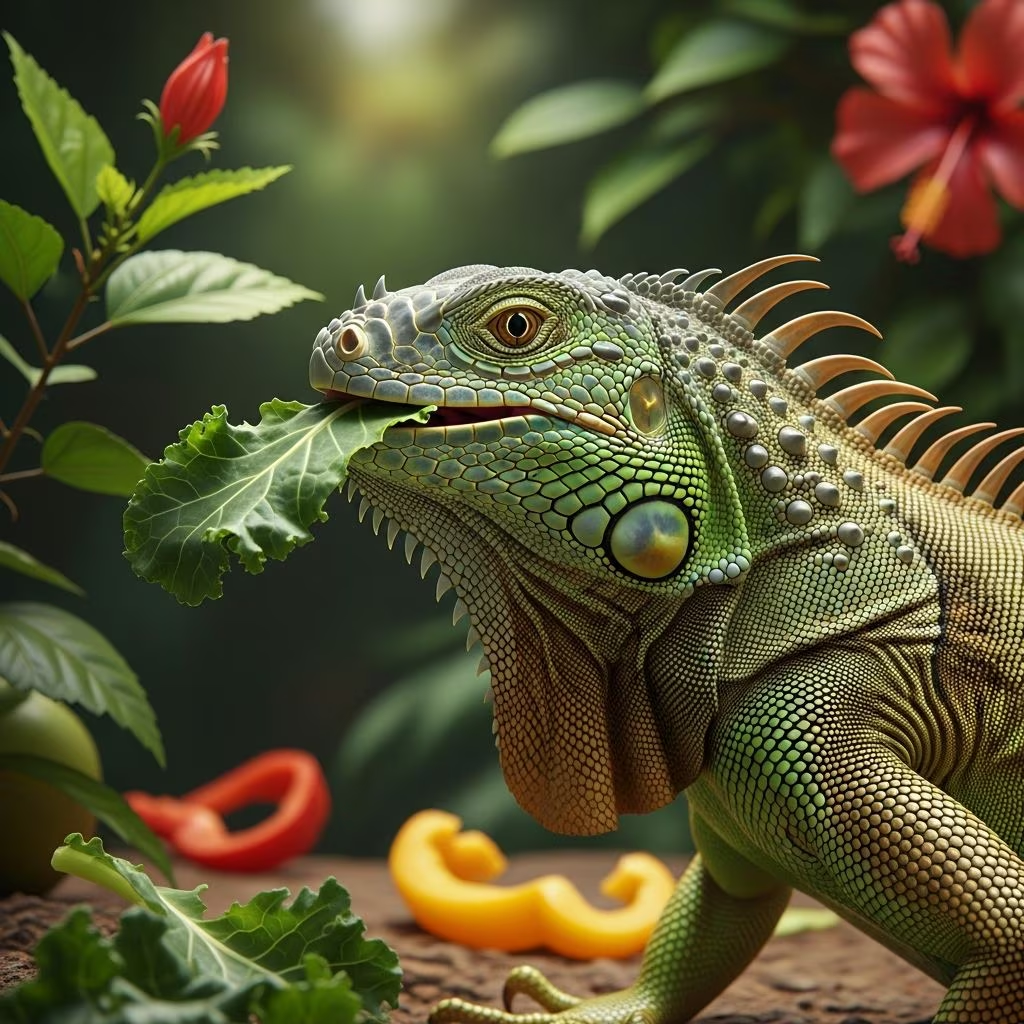
Iguanas: Feeding Guide for Optimal Health
Proper nutrition is essential for maintaining the health and longevity of your pet iguana. As herbivorous reptiles, iguanas require a carefully balanced diet composed primarily of dark green leafy vegetables, supplemented with other vegetables, fruits, and appropriate mineral and vitamin supplements. Understanding the nutritional needs of your iguana at different life stages will help you provide optimal care and prevent common health problems associated with poor diet.
Understanding Your Iguana’s Dietary Needs
Iguanas are primarily herbivorous reptiles that thrive on a plant-based diet in both wild and captive environments. The key to maintaining a healthy iguana is understanding the proper distribution of food groups throughout their diet. Most of the diet, comprising 80%-90%, should consist of dark green leafy vegetables, with less than 20% of the diet dedicated to fruit. This composition ensures that your iguana receives adequate fiber, vitamins, and minerals necessary for optimal health and digestion.
Yellow, red, and orange vegetables can also be offered as part of the dietary variety, providing additional nutrients and visual enrichment for your pet. However, it is crucial to avoid nutrient- and vitamin-deficient light green vegetables, including celery and iceberg or head lettuce, as these vegetables contain mostly water and very few essential nutrients.
What Types of Plant Material Can I Feed My Iguana?
Calcium-Rich Vegetables
Calcium-rich vegetables form the foundation of a healthy iguana diet and should compose 40%-50% of an adult iguana’s diet. These vegetables are essential for maintaining proper bone health, preventing metabolic bone disease, and supporting overall skeletal development. The following calcium-rich vegetables are best for feeding iguanas:
- Collard greens
- Beet greens
- Mustard greens
- Turnip greens
- Alfalfa hay
- Bok choy
- Kale
- Parsley
- Swiss chard
- Romaine
- Kohlrabi
- Escarole
- Dandelion
While Swiss chard, spinach, and beet greens are excellent sources of calcium, they also contain oxalates which can interfere with calcium absorption. Therefore, these vegetables should be offered, but not as the sole source of calcium in the diet.
Other Vegetables
In addition to calcium-rich vegetables, other vegetables can make up an additional 30%-40% of an adult iguana’s diet, providing variety and additional nutrients. These vegetables include:
- Cactus
- Broccoli
- Squash
- Bell peppers
- Green beans
- Sprouts
- Sweet potato
- Parsnips
- Okra
- Cucumber
- Asparagus
- Mushrooms
- Carrots
- Peas
- Corn
Offering a variety of vegetables throughout the week ensures that your iguana receives a broad spectrum of vitamins and minerals while preventing dietary boredom and encouraging natural foraging behaviors.
Fruits
Fruit should comprise only a small percentage (less than 20%) of an iguana’s total diet. While iguanas love fruit, most fruit is water-rich and nutrient-poor, so these items should be fed sparingly and only as a top dressing on the vegetables. Recommended fruits for iguanas include:
- Apples
- Pears
- Bananas (with skin)
- Mangoes
- Grapes
- Star fruit
- Peaches
- Tomatoes
- Guava
- Kiwis
- Melons
- Figs
- Apricots
- Dates
- Blueberries
- Raspberries
- Strawberries
Supplementation Requirements
Proper supplementation is vital for preventing nutritional deficiencies and maintaining optimal health in captive iguanas. Even with a varied diet of vegetables and fruits, it may be challenging to provide all necessary minerals and vitamins through food alone. Commercial reptile vitamin and mineral supplements, such as Nekton-Rep combined with powdered calcium carbonate or calcium gluconate, should be added to your iguana’s diet.
The recommended ratio for mixing supplements is 1 part vitamins to 2 parts mineral (calcium). Tums® can also be used as an alternative calcium source if preferred. The frequency of supplementation varies by age and sex of the iguana, with hatchlings and juveniles requiring smaller amounts than adult iguanas.
Age-Specific Feeding Guidelines
Hatchlings (Up to 14 inches in length)
Hatchling iguanas have high metabolic rates and require frequent feeding to support rapid growth and development. Hatchlings should be fed twice daily or provided with continuous food availability to ensure they receive adequate nutrition throughout the day. Plant matter for hatchlings must be finely chopped or shredded into small pieces to prevent choking and facilitate easy consumption and digestion.
Juveniles (Up to 2½ years or 3 feet in length)
Juvenile iguanas are transitioning from rapid growth to more stable development. During this stage, once-daily feeding is typically sufficient to meet their nutritional needs. Plant matter should be fine to medium chopped or shredded to accommodate their growing size while still maintaining ease of consumption.
Adults (Over 2½ years and 3 feet in length)
Adult iguanas have reached skeletal maturity and have lower metabolic rates compared to younger individuals. Adults can be fed once daily or every other day, depending on their activity level and individual metabolism. Plant matter for adult iguanas can be coarsely chopped, as their larger size and developed digestive systems can handle larger food pieces.
Preparing Food for Your Iguana
Proper food preparation is essential for ensuring that your iguana can safely consume and digest their meals. All vegetables and fruits should be washed thoroughly to remove any pesticides or contaminants. The size of chopped food should correspond to your iguana’s age and size, with younger animals requiring finer cuts and older animals tolerating coarser pieces.
Creating a varied diet requires planning and preparation. A practical approach is to prepare a fresh salad for your iguana each day, combining several calcium-rich greens with other vegetables and occasionally adding a small amount of fruit as a treat. This ensures variety while maintaining nutritional balance.
Foods to Avoid
While it is important to know what to feed your iguana, it is equally important to understand what foods should be avoided. Iguanas are herbivores and should never be fed insects, eggs, cheese, or dog food, as these animal-based proteins are not appropriate for their digestive systems and can cause serious health issues.
Additionally, avoid feeding iguanas citrus fruits in excess, as these are high in phosphorus and can interfere with calcium absorption. Light green vegetables with high water content and minimal nutrients should also be limited or avoided entirely.
Creating a Balanced Daily Diet
A well-balanced daily meal for your iguana should follow this composition: 40-50% calcium-rich vegetables, 30-40% other vegetables, less than 20% fruit, and appropriate supplementation based on age and sex. For example, an adult iguana’s daily meal might include a combination of collard greens, mustard greens, dandelion greens (calcium-rich vegetables), bell peppers, squash, and green beans (other vegetables), with a small amount of melon or apple (fruit) as garnish.
Consistency in feeding and diet composition supports healthy digestion and prevents digestive upset. However, variety within the recommended food groups maintains nutritional balance and prevents dietary boredom.
Frequently Asked Questions
How often should I feed my iguana?
Feeding frequency depends on your iguana’s age. Hatchlings should be fed twice daily or have continuous food availability. Juveniles and adults typically require once-daily feeding, with adults sometimes thriving on feeding every other day.
Can iguanas eat insects?
No, iguanas are herbivores and should not be fed insects, eggs, cheese, or any animal-based proteins. These foods can cause serious digestive and health problems.
How much fruit should I feed my iguana?
Fruit should comprise less than 20% of your iguana’s total diet. While iguanas enjoy fruit, it is relatively low in nutrients compared to vegetables and should be offered sparingly as a top dressing.
What vegetables are best for my iguana?
Dark leafy greens such as collard greens, mustard greens, dandelion greens, and turnip greens are excellent choices. These calcium-rich vegetables should make up 40-50% of your adult iguana’s diet.
Do I need to supplement my iguana’s diet?
Yes, vitamin and mineral supplementation is recommended to ensure your iguana receives all necessary nutrients. A combination of commercial reptile supplements with calcium should be added to the diet according to age-specific guidelines.
Is iceberg lettuce safe for iguanas?
No, iceberg and head lettuce contain mostly water with very few nutrients and should be avoided. Instead, offer nutrient-rich varieties such as romaine, collard greens, or mustard greens.
References
- Green Iguana Diet and Nutrition — Winter Park Veterinary Hospital. 2024. https://wpvet.com/exotic-pets-care-guides/green-iguana-diet/
- Iguanas: Feeding — VCA Animal Hospitals. 2024. https://vcahospitals.com/know-your-pet/iguanas-feeding
- Green Iguana Diet: A Guide to Feeding Your Pet Iguana — Talis US. 2024. https://talis-us.com/blogs/news/green-iguana-diet-a-guide-to-feeding-your-pet-iguana
- What Should Iguanas Eat to Stay Healthy? — Pet Assure. 2024. https://www.petassure.com/maxscorner/what-should-iguanas-eat-to-stay-healthy/
- Pet Iguana Care Sheet: Habitat, Diet, UVB, Lighting — Tortoise Town. 2024. https://www.tortoisetown.com/iguana-diet/



