

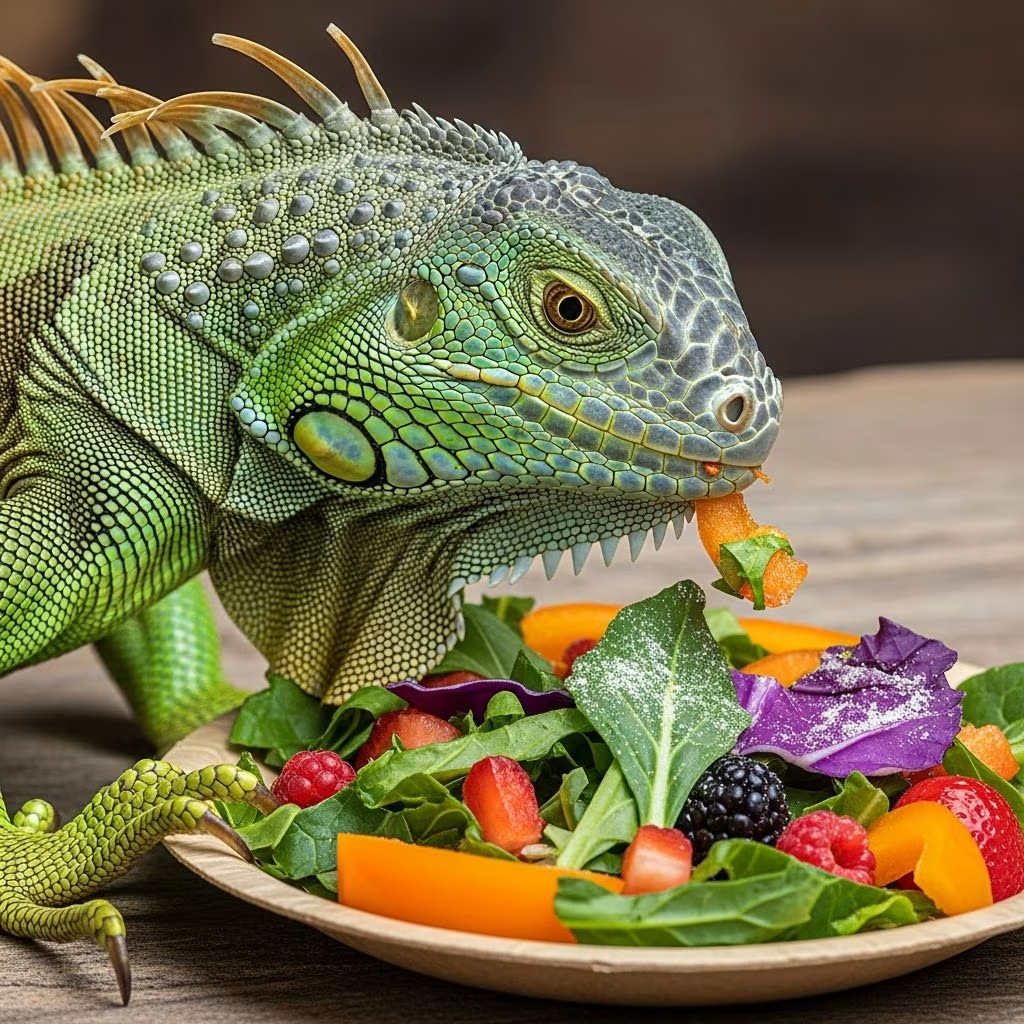
Iguanas: Feeding Guide for Healthy Pet Care
Proper nutrition is essential for maintaining the health and longevity of your pet iguana. Unlike many reptiles, iguanas are primarily herbivorous, requiring a diet rich in leafy greens, vegetables, and limited fruits. Understanding the correct nutritional balance, feeding frequency, and appropriate food types will help ensure your iguana thrives in captivity.
Understanding Your Iguana’s Dietary Needs
Iguanas are obligate herbivores, meaning their digestive systems are specifically adapted to process plant material. In the wild, green iguanas feed on a variety of leaves, fruits, flowers, and occasionally insects. When keeping iguanas in captivity, it is crucial to replicate their natural diet as closely as possible to maintain optimal health and prevent nutritional deficiencies.
Most veterinarians recommend feeding only plant material to iguanas to replicate their natural herbivorous diet. However, some veterinarians feel that supplementing the total diet up to 5%-10% with commercial canned or pelleted food formulated specifically for iguanas is acceptable. The key is ensuring that your iguana receives adequate calcium, phosphorus, vitamins, and fiber to support bone health, growth, and overall well-being.
Diet Composition and Percentages
A properly balanced iguana diet should follow specific proportions to ensure nutritional completeness:
80%-90% of the diet should consist of dark green leafy vegetables, which form the foundation of a healthy iguana diet. These vegetables are nutrient-dense and provide essential calcium, vitamins, and minerals. The remaining portion includes other vegetables, fruits, and supplements to create a complete nutritional profile.
Calcium-Rich Vegetables (40%-50% of Diet)
Calcium is one of the most critical nutrients for iguanas, particularly for bone development and maintaining proper skeletal health. The best calcium-rich vegetables include:
Collard greens, beet greens, mustard greens, turnip greens, alfalfa hay, bok choy, kale, parsley, Swiss chard, romaine, kohlrabi, escarole, and dandelion. These vegetables should be offered daily and should compose the largest portion of your iguana’s diet. However, it’s important to note that while Swiss chard, spinach, and beet greens are excellent sources of calcium, they contain oxalates that can bind calcium and reduce its bioavailability, so they should be offered in moderation alongside other calcium-rich options.
Other Vegetables (30%-40% of Diet)
In addition to calcium-rich greens, other vegetables provide important nutrients and dietary variety. These can include cactus, broccoli, squash, bell peppers, green beans, sprouts, sweet potato, parsnips, okra, cucumber, asparagus, mushrooms, carrots, peas, and corn. Offering a variety of vegetables throughout the week ensures your iguana receives a broader spectrum of nutrients and prevents dietary boredom.
Fruits (Less Than 20% of Diet)
While iguanas love fruit, most fruits are water-rich and nutrient-poor, making them less beneficial nutritionally compared to vegetables. Acceptable fruits include apples, pears, bananas with skin, mangoes, grapes, star fruit, peaches, tomatoes, guava, kiwis, melons, figs, apricots, dates, blueberries, raspberries, and strawberries. Fruits should be fed sparingly and primarily as a top dressing on vegetables rather than as a main food source. It’s important to avoid citrus fruits, as they can cause digestive upset in iguanas.
Vegetables to Avoid
Not all vegetables are appropriate for iguanas. Light green vegetables such as celery and iceberg or head lettuce should be avoided, as they contain mostly water and very few nutrients, making them nutrient- and vitamin-deficient options. Prioritize darker, more nutrient-dense leafy greens instead.
Feeding Frequency by Age
The feeding schedule for iguanas varies depending on their age and developmental stage:
Young Iguanas
Most young iguanas need to eat daily to support their rapid growth and development. Hatchlings up to 14 inches in length should be fed twice daily or provided continuous availability of food, with plant matter finely chopped or shredded.
Juvenile Iguanas
Juveniles up to 2½ years old or 3 feet in length should be fed once daily. At this stage, plant matter should be chopped or shredded to a fine-to-medium consistency to accommodate their size while still being easy to consume.
Adult Iguanas
Adult iguanas over 2½ years and 3 feet in length can be fed once daily or every other day, depending on their activity level and overall health. For adult iguanas, plant matter can be coarsely chopped. If your iguana is overweight, feeding every other day or every third day may be sufficient to maintain a healthy weight.
Food Preparation and Portion Control
Proper food preparation is essential for ensuring your iguana can safely consume and digest their meals. The size of chopped vegetables should be appropriate for your iguana’s size and age. Finely chopped or shredded vegetables work best for young iguanas, while larger, coarser pieces suit adult iguanas better.
Portion control plays a vital role in preventing obesity and maintaining digestive health. Monitor your iguana’s food intake closely and adjust portion sizes based on their activity level and overall body condition. A general guideline is to provide an amount of food approximately the size of your iguana’s head at each feeding.
Calcium and Vitamin Supplementation
While a well-balanced vegetable diet provides many essential nutrients, calcium and vitamin supplementation is crucial for preventing metabolic bone disease and other nutritional deficiencies. The recommended approach involves mixing vitamin and mineral supplements together, following a specific ratio of 1 part vitamins to 2 parts mineral (calcium).
Supplementation Schedule
Hatchlings and juveniles should receive 1 small pinch of supplement per feeding. Adult iguanas should receive 1 full pinch per 2 pounds of body weight twice weekly. Adult females require special consideration during breeding season, receiving 1 full pinch per meal from December until egg laying to support reproductive health and calcium demands.
Calcium sources can include powdered calcium carbonate or calcium gluconate, cuttlebone shavings, or even Tums as an alternative calcium source. Nekton-Rep is a commonly recommended vitamin and mineral supplement for iguanas.
Nutritional Balance Considerations
One of the most important nutritional ratios to maintain is a 2:1 calcium-to-phosphorus ratio, which promotes normal bone growth and development. Too much phosphorus in the diet renders the calcium unusable, even if adequate calcium is consumed, leading to potential skeletal problems. By emphasizing calcium-rich vegetables and limiting phosphorus-rich foods like fruits and certain legumes, you can maintain this ideal ratio.
Frequently Asked Questions
Q: Can I feed my iguana any insects or animal protein?
A: No. Iguanas are herbivores and do not require animal protein. Feeding insects, eggs, cheese, or dog food can cause digestive upset and is not recommended by veterinarians.
Q: How often should I change my iguana’s diet?
A: You should offer a variety of different vegetables and greens throughout the week to ensure nutritional diversity. Rotate between different calcium-rich greens and other vegetables to prevent nutrient deficiencies and maintain your iguana’s interest in food.
Q: What’s the best way to prepare vegetables for my iguana?
A: Vegetables should be fresh whenever possible. Chop them into appropriately sized pieces—finely for young iguanas and coarser for adults. Wash all vegetables thoroughly to remove pesticides, and consider blanching frozen vegetables before serving, though fresh is always preferable.
Q: Can iguanas become overweight, and how do I prevent it?
A: Yes, iguanas can become overweight if overfed. If your iguana appears overweight, adjust feeding frequency to every other day or every third day, and monitor portion sizes carefully. Consult with a reptile veterinarian if you have concerns about your iguana’s weight.
Q: Should I use fresh or frozen vegetables?
A: Fresh vegetables are always preferable because they retain more nutrients. While frozen vegetables can be substituted occasionally, the blanching process before freezing causes a loss of folic acid and vitamin C.
Q: Are there any plants I can offer that iguanas enjoy in the wild?
A: Yes, iguanas enjoy hibiscus flowers and greens, which can be mixed into their salad. Dandelion greens—both flowers and leaves—are also excellent options that closely replicate their natural diet.
Summary and Best Practices
Feeding your pet iguana correctly is one of the most important aspects of reptile care. By providing an 80%-90% diet of dark green leafy vegetables, incorporating 30%-40% additional vegetables, limiting fruits to less than 20%, and supplementing with appropriate calcium and vitamin supplements, you will establish a solid foundation for your iguana’s health and longevity.
Remember to adjust feeding frequency based on your iguana’s age, monitor portions to prevent obesity, and vary vegetables throughout the week to ensure comprehensive nutrition. Consult with a veterinarian or reptile specialist if you have specific questions about your individual iguana’s dietary needs, particularly if your pet has special health considerations or dietary restrictions.
With proper nutrition, appropriate feeding schedules, and attention to nutritional balance, your pet iguana will enjoy a long, healthy, and active life in captivity.
References
- Green Iguana Diet and Nutrition — Winter Park Veterinary Hospital. https://wpvet.com/exotic-pets-care-guides/green-iguana-diet/
- Basic Iguana Diet List — Our Reptile Forum Community. https://ourreptileforum.com/community/threads/basic-iguana-diet-list.16276/
- Pet Iguana Care Sheet: Habitat, Diet, UVB, Lighting — Tortoise Town. https://www.tortoisetown.com/iguana-diet/
- Iguanas: Feeding — VCA Animal Hospitals. https://vcahospitals.com/know-your-pet/iguanas-feeding
- Green Iguana Diet: A Guide to Feeding Your Pet Iguana — Talis Us. https://talis-us.com/blogs/news/green-iguana-diet-a-guide-to-feeding-your-pet-iguana
- What Should Iguanas Eat to Stay Healthy? — Pet Assure. https://www.petassure.com/maxscorner/what-should-iguanas-eat-to-stay-healthy/
- The IgDen Diet — The Iguana Den. http://www.iguanaden.org/diet/dendiet.htm



