
Owning an Iguana: Complete Guide to Care and Selection
Master iguana ownership with expert guidance on selection, health, and proper care requirements.
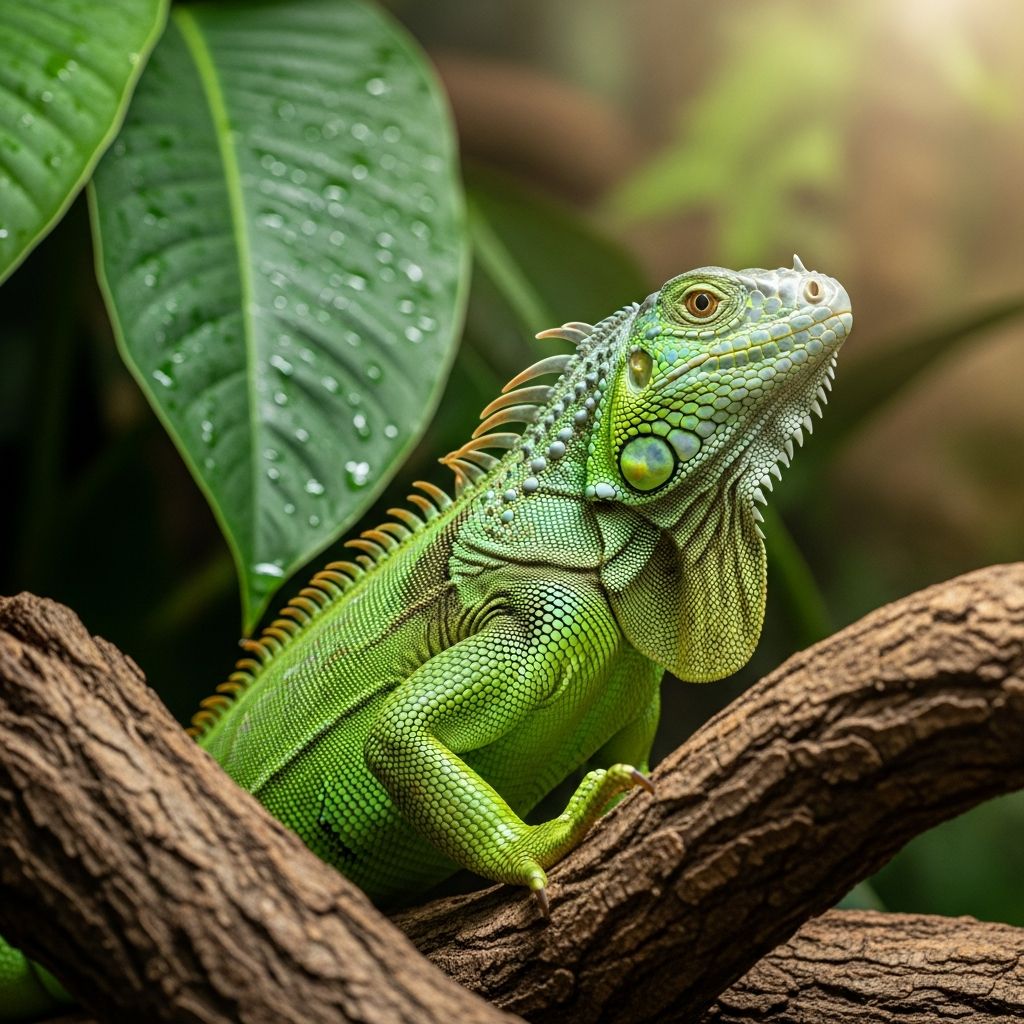
Owning an Iguana: A Comprehensive Guide to Selection and Care
Iguanas are fascinating reptile companions that have become increasingly popular as pets over the past decades. However, potential iguana owners must understand that these animals require specialized care, specific environmental conditions, and a significant long-term commitment. With proper care and attention, your iguana can live between 10 to 15 years, with some individuals reaching 25 years of age. This comprehensive guide will help you understand what it takes to be a responsible iguana owner, from selecting a healthy animal to providing ongoing veterinary care and daily maintenance.
Understanding Iguana Suitability as Pets
Before bringing an iguana into your home, it is crucial to understand whether these reptiles are appropriate for your household situation. Iguanas are not suitable pets for young children or young teenagers. These animals can be aggressive by nature, possess sharp claws and teeth, and require handling techniques that young children may not be able to execute safely. Additionally, iguanas reach sexual maturity by two years of age, and females can produce and lay eggs without a male, although these eggs will be infertile and will not hatch. Understanding these biological and behavioral characteristics is essential before making the commitment to iguana ownership.
Selecting a Healthy Iguana
Choosing the right iguana is one of the most important decisions you will make as a prospective owner. A healthy start sets the foundation for years of successful pet ownership.
Where to Purchase Your Iguana
Most owners acquire iguanas locally from reptile fairs, breeders, or established pet stores. Online purchases have become increasingly common in recent years, offering more variety and convenience. However, regardless of where you purchase your iguana, young, captive-raised animals make the best pets. Older imported animals are considerably harder to tame, may harbor intestinal parasites, and often suffer from the stress of forced captivity. Always inquire about health guarantees from the pet store, breeder, or online site before making your purchase.
Physical Signs of Health
Identifying a healthy iguana requires careful observation of several physical characteristics. A young, healthy iguana will display the following traits:
- Bright green coloration (color gradually fades to brown, dull orange, or grayish-green as the animal reaches adulthood)
- Alert, aware, and active demeanor with front legs pushing the chest and head upright and high
- Round, plump, and full tail near the back legs, not sunken in or bony
- Clean cloaca or vent area, free of wetness or stool
Conversely, avoid purchasing lizards that appear skinny, have loose or wrinkled skin, sunken eyes, or display inactive or lethargic behavior. These signs often indicate poor health or underlying conditions that may be difficult to treat.
Initial Veterinary Examination
Your responsibility as an iguana owner begins immediately after purchase. Within 48 hours of bringing your iguana home, you should schedule an examination with a veterinarian who has specific experience and training with reptiles. This initial health check is critical for establishing a baseline health profile and identifying any potential issues early.
What the Initial Examination Includes
During this comprehensive examination, your veterinarian will perform several important assessments:
- Measurement of the animal’s weight and overall body condition
- Assessment for physical abnormalities or deformities
- Evaluation for signs of dehydration and malnutrition
- Fecal testing to check for intestinal parasites
- Examination of the oral cavity for signs of infectious stomatitis, commonly called mouth rot
These initial assessments provide crucial information about your iguana’s health status and help establish appropriate care protocols moving forward.
Ongoing Veterinary Care and Health Monitoring
Like all pets, iguanas require consistent veterinary attention throughout their lives to maintain optimal health. Annual health examinations and fecal parasite checks are essential components of responsible iguana ownership.
Annual Health Examinations
Your veterinarian will continue to monitor your iguana’s health through regular annual check-ups. During these examinations, your veterinarian may recommend blood tests, bacterial cultures, or radiographs (X-rays) to check for various diseases and conditions. While no vaccines are required for iguanas, routine monitoring helps catch potential health issues before they become serious problems.
Parasite Management
Many veterinarians consider all iguanas, even those bred in captivity, to harbor pinworms. Your iguana may be routinely checked for these parasites and dewormed if necessary. The good news is that these pinworms are not transmissible to humans and are considered part of the iguana’s natural intestinal flora. However, regular monitoring and treatment as needed help maintain your iguana’s digestive health.
Salmonella Considerations and Safety Precautions
Iguanas are known to be carriers of Salmonella bacteria, a concern that every potential owner should understand and take seriously. While the bacteria typically do not make the iguana ill, they can potentially cause human illness, particularly in vulnerable individuals.
Special Considerations for At-Risk Household Members
If anyone in your household has immunodeficiency or is undergoing cancer treatment, it is highly recommended to obtain a stool culture to check for Salmonella and other bacteria that may cause human illness. This precaution allows you to make informed decisions about iguana ownership given the specific health circumstances of your household members.
Preventing Salmonella Transmission
The best way to control Salmonella transmission is through meticulous prevention practices. Key hygiene measures include:
- Thoroughly cleaning and disinfecting the cage every time it is soiled
- Cleaning up all feces immediately
- Using a separate cleaning area for people and reptiles
- Washing your hands thoroughly with disinfectant soap every time you handle, feed, or clean up after your iguana
Since most iguanas carrying Salmonella are not ill, they usually require no treatment. Additionally, treatment is often unsuccessful in killing all bacteria present in the intestinal tract, making prevention through proper hygiene the most effective strategy.
Finding a Qualified Reptile Veterinarian
Access to knowledgeable veterinary care is essential for successful iguana ownership. To find a competent reptile veterinarian in your area, you can consult the Association of Reptile and Amphibian Veterinarians (ARAV) directory at their official website. This resource connects you with veterinarians who have specialized training and experience in reptile medicine, ensuring your iguana receives the highest quality of care.
Environmental and Behavioral Considerations
Beyond veterinary care and selection, successful iguana ownership requires understanding the animal’s behavioral nature and environmental needs. Iguanas are aggressive by nature, and handlers must exercise extreme caution when managing these animals. Frequent and regular handling will help tame them over time. Young iguanas should be held 2 to 3 times daily for approximately fifteen minutes each session. During handling, stroke the back and neck gently while keeping your fingertips away from sharp teeth and claws. This consistent, gentle interaction helps your iguana become accustomed to being picked up and handled.
When restraining an iguana for handling, proper technique is essential. For smaller animals, hold the iguana over your shoulder, keeping its front legs back along its chest while restraining the back at its pelvis with its back legs against its tail. Large iguanas should be restrained in a heavy towel or light blanket, as an adult iguana can deliver a dangerous bite. If you are uncertain about proper handling techniques, seek guidance from experienced veterinarians, herpetologists, or pet shop personnel.
Key Takeaways for Responsible Iguana Ownership
Successful iguana ownership requires careful selection of a healthy young animal, immediate veterinary examination within 48 hours of purchase, and ongoing annual health care. Understanding the specialized needs of these reptiles, including their aggressive nature, Salmonella-carrying potential, and the fact that they are unsuitable for young children, ensures you can provide appropriate care and safety measures. By following these guidelines and committing to the physical, financial, and emotional demands of iguana ownership, you can enjoy a rewarding relationship with these remarkable reptiles for many years to come.
Frequently Asked Questions About Iguana Ownership
Q: How long do iguanas typically live?
A: With proper care, iguanas typically live 10 to 15 years, although some individuals have been reported to live up to 25 years.
Q: Are iguanas suitable pets for children?
A: No, iguanas are not suitable pets for young children or young teenagers due to their aggressive nature and the risk of injury from their sharp claws and teeth.
Q: What color should a healthy young iguana be?
A: A healthy young iguana is typically bright green in color. Their color gradually fades to brown, dull orange, or grayish-green as they reach adulthood.
Q: Should I have my new iguana examined by a veterinarian?
A: Yes, within 48 hours of purchase, you should have your iguana examined by a veterinarian familiar with reptiles to establish a baseline health profile and identify any potential issues.
Q: Do iguanas need vaccines?
A: No, vaccines are not required for iguanas. However, annual health examinations and fecal parasite checks are recommended.
Q: Can iguanas transmit Salmonella to humans?
A: Yes, iguanas are known carriers of Salmonella bacteria. Proper hygiene practices, including thorough handwashing and cage sanitation, are essential to minimize transmission risk.
Q: Where should I purchase my iguana?
A: Young, captive-raised iguanas make the best pets and can be obtained from reptile fairs, reputable breeders, established pet stores, or online sources. Always inquire about health guarantees before purchasing.
Q: What should I look for when selecting a healthy iguana?
A: Look for bright green coloration, alertness, active behavior with upright posture, a round and plump tail, and a clean vent area. Avoid animals that appear skinny, lethargic, or have sunken eyes.
References
- Iguanas – Owning — VCA Animal Hospitals. Accessed 2025-11-28. https://vcahospitals.com/know-your-pet/iguanas—owning
- Iguanas – Problems — VCA Animal Hospitals. Accessed 2025-11-28. https://vcahospitals.com/know-your-pet/iguanas-problems
- Care and Feeding of Iguanas — Avian and Exotic Animal Hospital. Accessed 2025-11-28. https://www.drexotic.com/care-and-feeding-of-iguanas/
Similar Articles








Read full bio of Sneha Tete


