Iguana Care Guide: Selecting & Owning Healthy Iguanas
Complete guide to selecting, purchasing, and caring for pet iguanas with expert veterinary recommendations.
Owning an Iguana: A Complete Guide to Selection and Care
Iguanas have become increasingly popular as exotic pets, captivating owners with their striking appearance and unique personalities. However, successful iguana ownership begins long before bringing your new reptile home. Whether you are a first-time iguana owner or an experienced reptile enthusiast, understanding the fundamentals of selecting a healthy iguana and providing proper veterinary care is essential for ensuring your pet thrives in captivity for years to come.
How to Select a Healthy Iguana
Choosing the right iguana is the foundation of responsible pet ownership. The selection process involves understanding where to purchase your iguana, what characteristics to look for, and how to avoid common pitfalls that many new owners encounter.
Where to Purchase Your Iguana
Most owners acquire iguanas through local sources such as reptile fairs, professional breeders, or established pet stores. In recent years, online purchasing has become more common, offering convenience for buyers who may not have access to local reptile vendors. Regardless of where you choose to purchase your iguana, prioritize finding sources that specialize in reptiles and can provide detailed information about your animal’s background and health history.
When selecting a source, consider the following factors:
- Reputation and experience with reptile sales
- Availability of health guarantees
- Willingness to answer questions about care requirements
- Transparent information about the iguana’s origin and age
Young Captive-Raised Iguanas Make the Best Pets
One of the most critical decisions you will make is choosing between a young, captive-raised iguana and an older, imported animal. Young, captive-raised animals consistently make the best pets for several compelling reasons. These iguanas have been acclimated to human care from an early age, making them more receptive to handling and socialization. In contrast, older imported animals present significant challenges: they are considerably harder to tame, may harbor intestinal parasites acquired in the wild, and frequently suffer from severe stress associated with forced captivity and transport.
Captive-raised iguanas also tend to have better overall health outcomes and adapt more readily to domestic environments. The investment in a quality captive-bred iguana from a reputable source will pay dividends in reduced behavioral problems and lower veterinary expenses throughout your pet’s life.
Identifying a Healthy Iguana
Once you have located a potential iguana, careful observation of physical characteristics will help you identify a truly healthy animal. Avoid purchasing any lizard that appears sick, lethargic, or shows signs of poor nutrition or health.
A healthy, young iguana typically displays the following characteristics:
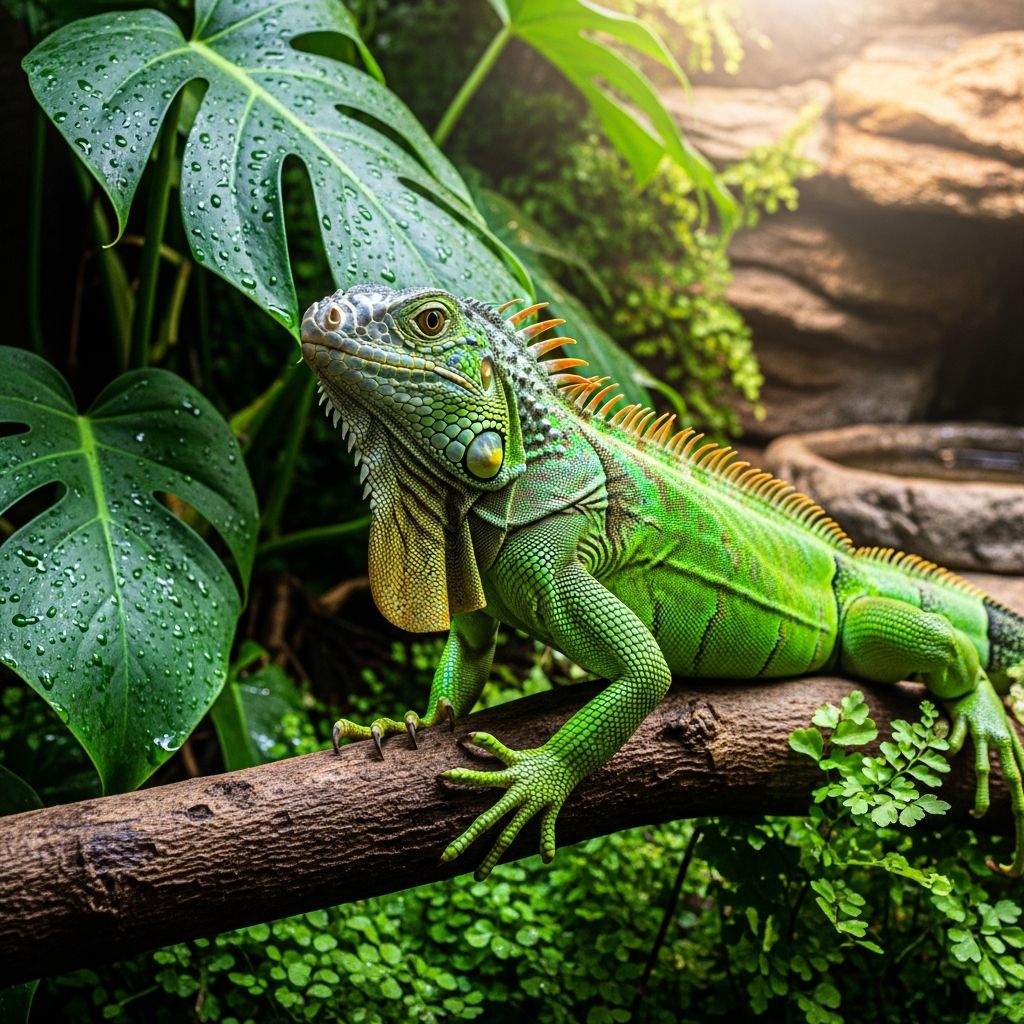
- Bright green coloration, indicating good health and vitality
- Alert and aware demeanor with responsive behavior
- Active movement with front legs pushing the chest and head upright and high
- Round, plump, and full tail near the back legs
- Absence of sunken eyes or loose, flaky skin
- Clean cloaca (vent) free of wetness or fecal matter
Conversely, red flags that should prompt you to look elsewhere include a skinny appearance, loose or dull skin, sunken eyes, lethargy, and a bony or sunken tail. These signs may indicate malnutrition, parasitic infection, dehydration, or other underlying health conditions that will create significant challenges for a new owner.
Health Guarantees and Purchase Protection
Always inquire about health guarantees before making your purchase. Reputable pet stores, breeders, and online retailers should be willing to provide some form of health guarantee or warranty. This protection ensures that if your iguana develops health problems shortly after purchase, you have recourse options such as veterinary treatment coverage or replacement.
Veterinary Care Requirements for Iguanas
Proper veterinary care is essential for maintaining your iguana’s health throughout its life. Many new owners are surprised to learn that iguanas require regular professional medical attention, not just when they appear ill.
Initial Veterinary Examination
Your first priority after acquiring an iguana should be scheduling a comprehensive veterinary examination. Within 48 hours of purchase, you should have your iguana examined by a veterinarian with experience and training in reptile medicine. This initial appointment serves multiple critical purposes and establishes a baseline for your pet’s health.
During this examination, your veterinarian will perform the following assessments:
- Measurement of the animal’s weight to establish a baseline
- Physical examination checking for any visible abnormalities
- Assessment for signs of dehydration and malnutrition
- Fecal testing to check for intestinal parasites
- Examination of the oral cavity for infectious stomatitis (commonly called “mouth rot”)
Starting your iguana’s veterinary relationship immediately demonstrates commitment to preventive care and allows your veterinarian to catch any existing health issues before they become serious problems.
Annual Health Examinations and Ongoing Monitoring
Like all pets, iguanas should receive annual health examinations and fecal parasite checks throughout their lives. These routine appointments allow your veterinarian to monitor your iguana’s weight, assess its overall condition, and detect any developing health issues early when treatment is most effective.
Many veterinarians consider all iguanas, even those bred in captivity, to be carriers of pinworms. These parasites are considered part of the iguana’s natural intestinal flora and are not transmissible to humans. However, your veterinarian may recommend routine deworming to manage parasite loads and maintain optimal health. Regular fecal testing helps determine whether deworming is necessary and verifies its effectiveness.
Vaccinations and Additional Testing
Unlike many common pets, no vaccines are currently required for iguanas. However, your veterinarian may recommend additional diagnostic testing based on your individual iguana’s health history and physical examination findings. Blood tests, bacterial cultures, and radiographs (X-rays) can identify underlying diseases or conditions that may not be apparent during a routine physical examination.
Salmonella Considerations and Special Circumstances
Iguanas are known to be carriers of Salmonella bacteria. While this rarely affects the iguana’s health, it represents an important consideration for household members. If anyone in your household has immunodeficiency or is undergoing cancer treatment, it is highly recommended to obtain a stool culture to check for Salmonella and other bacteria that may cause human illness. This information allows you to implement appropriate hygiene protocols to protect vulnerable family members.
Preventing Salmonella transmission relies primarily on consistent hygiene practices. Thoroughly clean and disinfect your iguana’s cage every time it becomes soiled, clean up feces immediately, use separate cleaning areas for reptiles and people, and most importantly, wash your hands thoroughly with disinfectant soap after handling, cleaning, or feeding your iguana.
Finding a Qualified Reptile Veterinarian
Not all veterinarians have experience treating reptiles. Finding a knowledgeable professional who specializes in reptile medicine ensures your iguana receives expert care. The Association of Reptile and Amphibian Veterinarians (ARAV) maintains a directory of qualified reptile veterinarians organized by location. Consulting this resource helps you identify experienced professionals in your area who can provide specialized care for your iguana throughout its life.
Understanding Iguana Lifespan and Long-Term Commitment
Before selecting an iguana, prospective owners should understand the long-term commitment involved. On average, iguanas live 12-15 years in captivity, though they can exceed 20 years with proper care. This lifespan represents a significant commitment, requiring consistent attention to housing, nutrition, veterinary care, and environmental conditions for multiple decades.
Frequently Asked Questions About Iguana Ownership
Q: What is the difference between captive-raised and imported iguanas?
A: Captive-raised iguanas are bred in controlled environments and are healthier, easier to tame, and better adapted to life as pets. Imported iguanas are wild-caught, often harbor parasites, suffer from capture stress, and are significantly harder to manage.
Q: How soon after purchase should I take my iguana to a veterinarian?
A: You should schedule a comprehensive veterinary examination within 48 hours of purchase to establish a baseline health assessment and identify any existing health issues.
Q: Do iguanas need vaccinations?
A: No vaccines are currently required for iguanas. However, annual health examinations and fecal parasite checks are essential for maintaining long-term health.
Q: Can I transmit Salmonella from my iguana to my family?
A: Yes, iguanas carry Salmonella, but transmission is prevented through proper hygiene including hand washing after handling and thorough cage cleaning. Immunocompromised individuals should take extra precautions.
Q: What should a healthy iguana’s appearance look like?
A: A healthy iguana should be bright green, alert, active with upright posture, have a round and full tail, and show no signs of sunken eyes, loose skin, or lethargy.
Q: What signs indicate an unhealthy iguana to avoid?
A: Avoid iguanas that appear skinny, have loose or dull skin, sunken eyes, seem inactive or lethargic, or have a bony or sunken tail, as these indicate potential health problems.
References
- Iguanas – Owning — VCA Animal Hospitals. Accessed 2025-11-28. https://vcahospitals.com/know-your-pet/iguanas—owning
- Iguanas – Problems — VCA Animal Hospitals. Accessed 2025-11-28. https://vcahospitals.com/know-your-pet/iguanas-problems
- How do you care for a pet iguana? — Carolina Veterinary Specialists. 2023-03-15. https://www.huntersville.carolinavet.com/site/huntersville-veterinary-blog/2023/03/15/iguana-care-guide
- Care and Feeding of Iguanas — Avian and Exotic Animal Hospital. Accessed 2025-11-28. https://www.drexotic.com/care-and-feeding-of-iguanas/
Similar Articles







Read full bio of Sneha Tete