

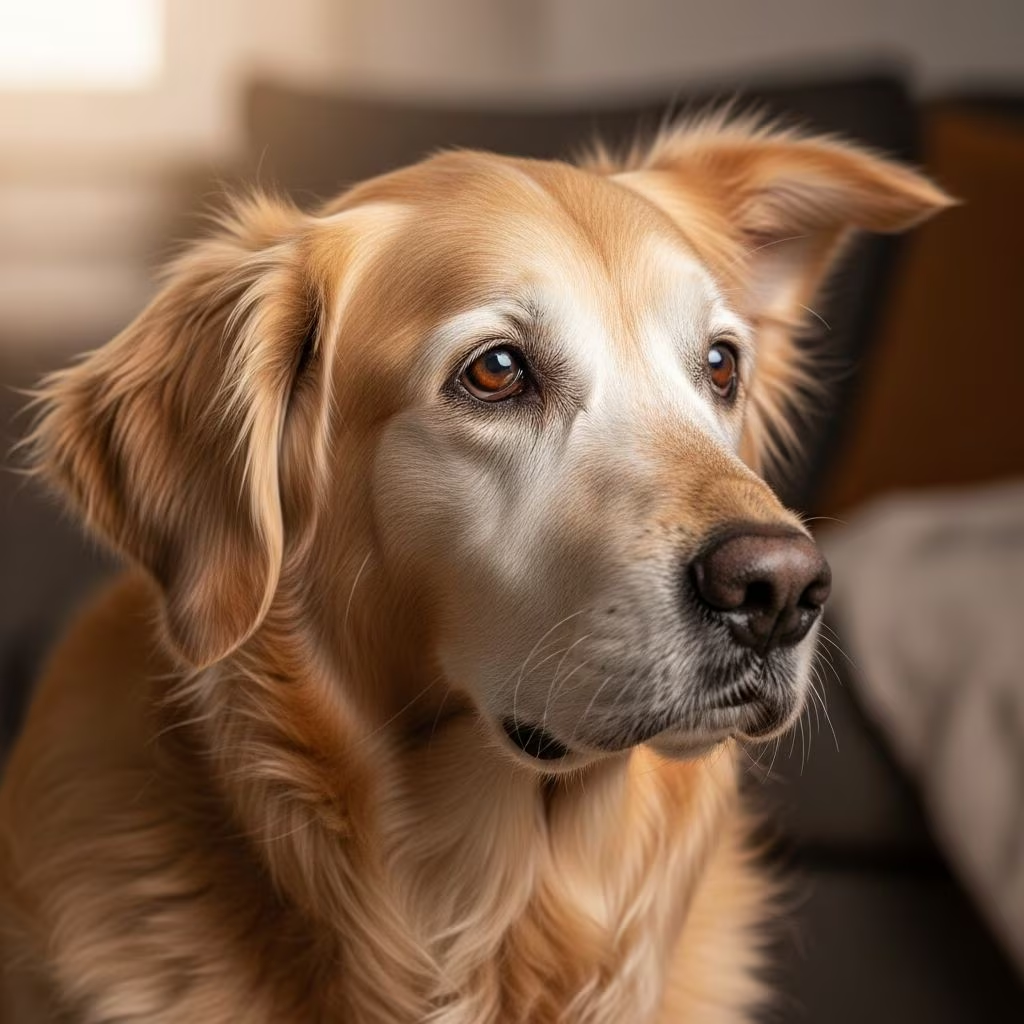
Idiopathic vestibular disease, commonly known as old dog vestibular disease, is a sudden-onset condition affecting senior dogs, characterized by loss of balance, head tilt, and rapid eye movements. Most cases are benign and resolve within days to weeks with supportive care, though identifying underlying causes is essential for proper management.
What is old dog vestibular disease?
Old dog vestibular disease refers to a syndrome causing acute neurological signs due to dysfunction in the vestibular system, which maintains balance and spatial orientation. In senior dogs (typically over 8 years), the idiopathic form predominates, meaning no specific cause is identified after ruling out other issues. Symptoms appear abruptly, often alarming owners, but the prognosis is excellent for peripheral idiopathic cases, with rapid improvement distinguishing it from more serious central causes.
The vestibular system involves the inner ear (peripheral) and brainstem/cerebellum (central). Peripheral issues, like idiopathic disease, affect the inner ear and resolve faster, while central problems may indicate tumors or strokes requiring advanced diagnostics.
Symptoms of vestibular disease in dogs
Symptoms of vestibular disease emerge suddenly, often overnight, mimicking a stroke but usually peripheral in origin. Common signs include:
- Head tilt: Dog holds head cocked to one side, most pronounced on the affected side.
- Loss of balance (ataxia): Stumbling, falling, or circling toward the tilted side.
- Nystagmus: Involuntary rapid eye flicking, horizontal or rotary.
- Nausea/vomiting: Due to motion sickness from vertigo.
- Reluctance to move/eat: Dogs may refuse food, appear disoriented or anxious.
- Facial droop or ear droop: In peripheral cases from ear involvement.
Severity varies; some dogs walk unsteadily, others cannot stand. Signs improve within 24-72 hours in idiopathic cases, though mild head tilt may persist.
Causes of vestibular disease in older dogs
While idiopathic causes are most common in seniors, vestibular signs can stem from peripheral or central origins. Idiopathic old dog vestibular disease has no identifiable cause and affects dogs over 7 years, especially large breeds like German Shepherds.
| Type | Common Causes | Prognosis |
|---|---|---|
| Peripheral | Idiopathic, ear infections (otitis media/interna), trauma, ototoxic drugs (e.g., metronidazole), hypothyroidism | Excellent; most recover fully in 1-3 weeks |
| Central | Brain tumors (meningiomas), strokes, infections (meningoencephalitis), thiamine deficiency | Guarded; depends on underlying issue |
Peripheral causes are more likely in acute, resolving cases; central if proprioception deficits or cranial nerve issues present.
How is old dog vestibular disease diagnosed?
Diagnosis is clinical, based on history and neurological exam confirming vestibular dysfunction. Idiopathic is a diagnosis of exclusion—no tests needed if signs improve rapidly.
Key steps:
- Neurological exam: Assess nystagmus direction, head tilt, postural reactions.
- Otoscopy: Check for ear infections.
- Bloodwork: Thyroid, CBC, tick panels.
- Advanced: MRI/CSF for persistent or central signs.
Horizontal nystagmus suggests peripheral; vertical/positional indicates central, warranting imaging.
Treatment for old dog vestibular disease
Treatment focuses on supportive care for idiopathic cases, as most resolve spontaneously. Address underlying causes if identified.
Medications
- Antiemetics: Maropitant (Cerenia) daily for nausea/vertigo; ondansetron alternative.
- Motion sickness: Meclizine (Bonine) for dizziness.
- Antibiotics/steroids: For infections or inflammation.
Supportive care at home
- IV/subQ fluids if dehydrated.
- Mobility aid: Slings, non-slip mats, confine to small area.
- Hand-feeding elevated soft foods; warm, smelly to entice.
- Quiet, padded environment to prevent falls.
- Assist with elimination: Support standing to urinate/defecate.
No specific cure for idiopathic; recovery timeline: 72 hours marked improvement, 1-2 weeks near normal, mild tilt possible long-term.
Recovery time and prognosis
Idiopathic cases show rapid improvement: 50% better in 24 hours, full recovery in 3-7 days for most. Some retain mild head tilt (20-30%). Relapses rare but possible.
Poor prognosis if central (e.g., tumors); surgical options for resectable masses. Monitor for recurrence signaling underlying disease.
Home care tips during recovery
- Safety first: Block stairs, use baby gates; padded bedding.
- Nutrition: Small, frequent meals; elevated bowls reduce neck strain.
- Hygiene: Clean if incontinent; gentle cleaning.
- Exercise: Short, supported walks as balance returns; avoid overexertion.
- Monitor: Worsening signs? Return to vet.
Patience key—dogs adapt quickly.
When to see a vet for vestibular symptoms
Seek immediate care for sudden vestibular signs, especially seniors. Emergency if:
- Unable to stand/eat >24 hours.
- Seizures, blindness, or behavior changes.
- Vertical nystagmus or proprioceptive deficits.
Early vet visit differentiates benign from serious causes.
Preventing vestibular disease in dogs
No prevention for idiopathic, but minimize risks:
- Ear cleaning/checks to prevent infections.
- Treat hypothyroidism promptly.
- Avoid ototoxic drugs; tick prevention.
- Regular senior wellness exams.
Frequently Asked Questions (FAQs)
Is old dog vestibular disease fatal?
No, idiopathic cases are not fatal and most dogs recover fully within weeks.
Will my dog’s head tilt go away completely?
Often yes, but mild permanent tilt occurs in some (up to 30%).
How long does it take for vestibular disease to resolve?
Marked improvement in 1-3 days; full recovery 1-4 weeks.
Can vestibular disease happen in young dogs?
Yes, but less common; often due to infections/trauma, not idiopathic.
Should I give my dog meclizine for vestibular disease?
Consult vet; useful for motion sickness but not always needed.
References
- Vestibular Syndrome In Dogs: Treatment Options — Paws at Peace. 2023. https://pawsatpeace.com/vestibular-syndrome-in-dogs/
- Current definition, diagnosis, and treatment of canine and feline vestibular syndrome: an international web-based survey study — PMC/Frontiers in Veterinary Science. 2023-10-11. https://pmc.ncbi.nlm.nih.gov/articles/PMC10556701/
- Understanding Dog Vestibular Disease and Helping Your Pet Get Better — Compass Veterinary Neurology. 2024. https://compassvetneurology.com/blog/vestibular-disease-in-dogs/
- Treatment for Vestibular Disease in Dogs — Carolina Veterinary Specialists. 2020-11-27. https://www.rock-hill.carolinavet.com/site/blog/2020/11/27/treatment-vestibular-disease-in-dogs
- Diagnosis and treatment of vestibular syndrome — Veterinary Practice. 2023. https://www.veterinary-practice.com/article/diagnosis-treatment-vestibular-syndrome
- Vestibular Disease in dogs — PDSA. 2024. https://www.pdsa.org.uk/pet-help-and-advice/pet-health-hub/conditions/vestibular-disease-in-dogs



