

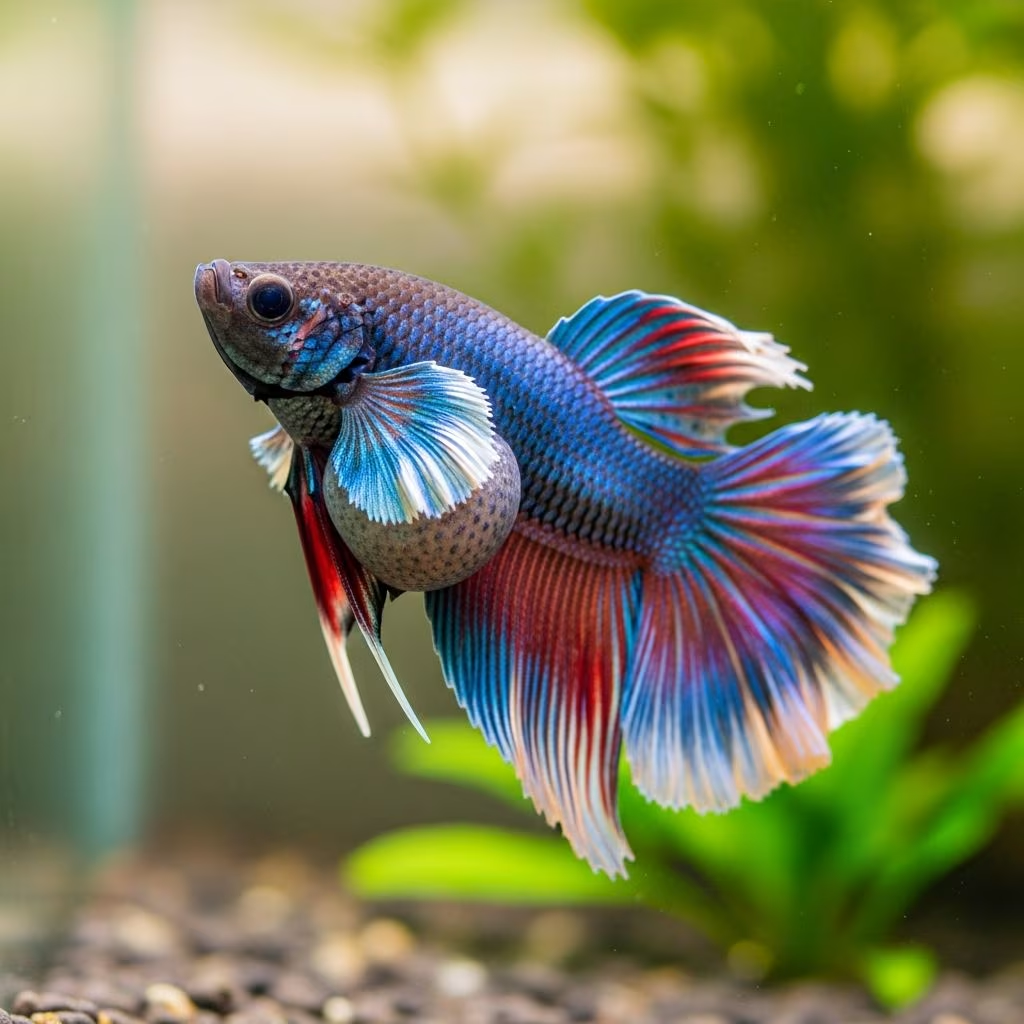
Identifying and Treating Swim Bladder Disease in Fish
Swim bladder disease is one of the most challenging conditions aquarium enthusiasts encounter, affecting a fish’s ability to maintain proper buoyancy and swim normally. This condition can be stressful for both the fish and the owner, but with proper identification and timely intervention, many fish can make a full recovery. Understanding what causes swim bladder disease, recognizing its symptoms early, and knowing how to treat it are essential skills for any fish keeper.
What is Swim Bladder Disease?
Swim bladder disease, also known as swim bladder disorder or buoyancy disorder, is a condition that impairs a fish’s ability to control its position in the water column. The swim bladder is a gas-filled organ that helps fish maintain neutral buoyancy, allowing them to stay at specific depths without expending excessive energy. When this organ malfunctions, fish struggle to swim normally and may sink to the bottom, float to the surface, or swim at odd angles.
The condition can affect various fish species, though some are more prone to it than others. Goldfish and bettas are particularly susceptible to swim bladder problems, making it crucial for owners of these species to be well-informed about prevention and treatment.
Common Causes of Swim Bladder Disease
Identifying the underlying cause of swim bladder disease is critical for effective treatment. Several factors can contribute to this condition:
- Poor Water Quality: Elevated ammonia, nitrite, and nitrate levels create a toxic environment that stresses fish and weakens their immune systems, making them susceptible to swim bladder issues.
- Improper Diet and Overeating: Feeding fish too much or providing nutritionally inadequate food can lead to constipation, bloating, and pressure on the swim bladder. Floating pellets in particular can cause fish to gulp air, exacerbating the problem.
- Sudden Temperature Changes: Rapid fluctuations in water temperature stress fish and can trigger swim bladder problems. Fish require stable, species-appropriate temperatures to maintain health.
- Bacterial Infections: Secondary bacterial infections are among the most common causes of persistent swim bladder disease, often requiring antibiotic treatment.
- Parasites: Various parasitic infections can damage the swim bladder or surrounding organs, causing buoyancy problems.
- Physical Trauma: Injury from shipping, rough handling, or aggressive interactions with tank mates can damage the swim bladder.
- Genetic Predisposition: Some fish, particularly selectively bred varieties, may have structural abnormalities in their swim bladder making them inherently prone to buoyancy issues.
Recognizing the Symptoms
Early identification of swim bladder disease dramatically improves treatment outcomes. Watch for these warning signs in your fish:
Physical Symptoms
- Abnormal Swimming Behavior: Fish may swim sideways, upside down, or at unusual angles, struggling to maintain proper orientation.
- Floating at the Surface: Affected fish often spend most of their time at the water’s surface and have difficulty descending into deeper water.
- Sinking to the Bottom: Some fish may struggle to stay afloat and rest constantly on the tank floor.
- Distended Belly: The fish’s abdomen may appear full, bloated, or swollen, and the fish will struggle to maneuver normally.
- Curved or Twisted Spine: In some cases, the spine may appear curved or bent.
- Loss of Appetite: Affected fish may refuse food or have difficulty eating due to their abnormal positioning.
- Lethargy: Decreased activity levels and reduced interest in their environment are common signs.
Diagnostic Process and Water Testing
Before implementing any treatment, it is essential to test your aquarium water parameters. Poor water quality is often the underlying cause of swim bladder disease, and correcting these issues should be your first step.
Key Water Parameters to Test
| Parameter | Acceptable Range | Action if Outside Range |
|---|---|---|
| Ammonia | 0 ppm | Perform 25-50% water changes immediately |
| Nitrite | 0 ppm | Perform 25-50% water changes immediately |
| Nitrate | Less than 40 ppm (varies by species) | Perform 25-50% water changes; increase frequency |
| pH | Species-dependent (typically 6.5-7.5) | Use aquarium pH adjusters as needed |
| Temperature | Species-dependent (typically 72-78°F) | Adjust heater or chiller; avoid rapid changes |
The recommended ranges for these parameters vary depending on your specific fish species, so consult with an aquatic veterinarian or experienced fish keeper about the ideal levels for your tank. Testing kits are readily available and allow you to monitor your aquarium’s chemistry regularly.
Treatment Strategies for Swim Bladder Disease
Step 1: Correct Water Quality Issues
The first and most critical step in treating swim bladder disease is addressing any water quality problems. If your tests reveal elevated ammonia, nitrite, or nitrate levels, perform substantial water changes (25-50% of your tank volume) immediately. For persistent nitrate problems, you may need to perform water changes more frequently and consider adding live plants, which help absorb excess nitrates. Use appropriate water treatment products to adjust pH if needed, bringing it within the acceptable range for your fish species.
Step 2: Adjust Feeding Practices
Modify your feeding routine to support recovery. If your fish appears bloated, consider fasting them for one to three days. This allows their digestive system to clear and reduces pressure on the swim bladder. After the fasting period, resume feeding with smaller portions of high-quality sinking or slow-sinking pellets rather than floating pellets, which encourage fish to gulp air. Feed only what your fish can consume in two to three minutes, typically once or twice daily, depending on your species.
Some aquarists recommend feeding blanched green peas to fish with swim bladder disease, as the fiber content may help with digestion and constipation relief. Remove the outer shell and feed a small portion to see if your fish will accept it.
Step 3: Maintain Stable Water Temperature
Ensure your aquarium temperature remains stable and appropriate for your fish species. Sudden temperature fluctuations stress fish and compromise immune function. Use a reliable aquarium heater with a thermostat to maintain consistent temperatures, and acclimate new fish gradually to your tank’s temperature to minimize stress.
Step 4: Provide Antibiotic Treatment if Necessary
If your fish’s condition does not improve after two weeks of corrected water quality, adjusted feeding, and environmental stability, bacterial infection may be the underlying cause. Broad-spectrum antibiotics such as Maracyn or Kanaplex can help eliminate secondary bacterial infections. Follow the medication’s instructions carefully and complete the full treatment course. Some medications are added directly to the water column, while others are mixed into food for targeted delivery.
Step 5: Isolate Affected Fish
Consider moving the affected fish to a separate hospital tank (even a large plastic container works temporarily) for treatment. This allows you to monitor the fish more closely, adjust feeding more easily, and prevent the medication from affecting beneficial bacteria in your main tank. The isolation tank should have gentle aeration and be maintained at the same temperature as your main aquarium.
Additional Treatment Options
Epsom Salt Baths
Epsom salt baths are a popular natural remedy for swim bladder disease, particularly for fish that appear bloated or constipated. To prepare an Epsom salt bath, dissolve one tablespoon of Epsom salt per gallon of water in a separate container. Place your fish in this solution for 15-20 minutes, then return it to your main tank. Repeat this process once daily for several days. The salt may help relieve constipation and reduce bloating, easing pressure on the swim bladder.
Tonic Salts
Products like aquarium salt or tonic salt can support osmoregulation, the process by which fish maintain proper internal salinity balance. Since the swim bladder plays a crucial role in osmoregulation, supporting this system with tonic salts may speed recovery. Follow product instructions for dosing, as different products have different concentrations.
Environmental Modifications
For fish that float uncontrollably, adding bubble wrap to two-thirds to three-quarters of the water surface (without blocking filter outflow) can help keep their dorsal side moist, maintaining their protective slime coat. Remove the substrate or use fine sand instead of gravel if your fish spends extended periods on the bottom, as regular gravel can damage delicate fins and skin.
Recovery Timeline and Prognosis
Recovery time from swim bladder disease varies significantly depending on the severity of the condition, the underlying cause, treatment effectiveness, and the individual fish’s overall health. With appropriate care and treatment, some fish show improvement within one to two weeks. However, more severe cases may require several weeks or even months for full recovery. Some fish may never regain completely normal swimming ability, particularly if the swim bladder has sustained permanent damage or if the condition is genetically based.
Consistent observation of your fish is essential during recovery. Look for gradual improvements in swimming ability, increased appetite, and more normal behavior. If no improvement is evident after three weeks of treatment, consult an aquatic veterinarian for additional guidance.
Prevention Strategies
Preventing swim bladder disease is far easier than treating it. Implement these preventive measures in your aquarium management:
- Maintain Excellent Water Quality: Perform regular water changes (typically 25% weekly for most tanks) and test water parameters consistently.
- Feed Appropriately: Provide species-appropriate foods in proper quantities, using sinking pellets for bottom feeders and slow-sinking options for mid-water swimmers.
- Avoid Overfeeding: Feed only what your fish can consume in a few minutes, typically once or twice daily.
- Acclimate Fish Properly: When introducing new fish, acclimate them gradually over 1-2 hours to prevent stress from temperature and water chemistry changes.
- Monitor Tank Mates: Ensure compatible species and watch for aggressive behavior that could cause injury.
- Observe Fish Regularly: Spend time watching your fish daily to notice any behavioral changes or signs of illness early.
Frequently Asked Questions
Q: Is swim bladder disease contagious to other fish?
A: Swim bladder disease itself is not contagious between fish. However, if the condition is caused by bacterial infection, isolating the affected fish prevents the spread of pathogens. Even non-contagious cases should be isolated to allow focused treatment and monitoring.
Q: Can swim bladder disease be permanent?
A: Yes, depending on the cause and severity. If the swim bladder has sustained permanent structural damage or if the condition is genetically based, the fish may never fully recover. However, many cases resolve completely with appropriate treatment.
Q: Which fish species are most prone to swim bladder disease?
A: Goldfish and bettas are particularly susceptible due to their body shape and feeding behavior. Fancy goldfish varieties are especially prone to buoyancy problems. However, any fish species can develop swim bladder disease under poor conditions.
Q: How long should I fast my fish if it has swim bladder disease?
A: Most aquarists recommend fasting for one to three days. Start with a shorter fast (24 hours) and observe your fish. If bloating persists, extend the fast to 2-3 days. Always resume feeding with smaller portions after the fast ends.
Q: What type of food is best for fish with swim bladder disease?
A: Sinking or slow-sinking pellets are preferable to floating pellets, which encourage fish to gulp air. Some aquarists also use frozen foods like bloodworms or blanched peas. Ensure food is high-quality and nutritionally complete for your species.
Q: Can I treat my entire tank, or should I isolate the affected fish?
A: While you can treat the entire tank, isolation is often better for targeted treatment, easier monitoring, and protecting beneficial bacteria. A simple hospital setup using a large container with gentle aeration works well for temporary isolation.
References
- Swim Bladder Disease in Fish: What It Is and How To Treat It — Chewy, Inc. 2024. https://www.chewy.com/education/fish/general/what-is-swim-bladder-disease-and-how-is-it-treated
- Swim Bladder Infections — Interpet Ltd. 2024. https://interpet.co.uk/support/we-can-help-you-with/your-fish/your-fish-health/swim-bladder-infections/
- Swim Bladder Disorders in Fish — PetMD, Inc. 2024. https://www.petmd.com/fish/conditions/respiratory/swim-bladder-disorders-fish
- How to Fix Swim Bladder Disease in Fish — Aquatic Veterinary Services. 2024. https://cafishvet.com/fish-health-disease/swim-bladder-disease/
- Swim Bladder Disease — American College of Veterinary Pharmacists. 2018. https://vetmeds.org/wp-content/uploads/2018/07/2018-1st-Quarter-Pet-Talk-Swim-Bladder-Disease.pdf
- Swim Bladder — Aquarium Science, Rhonda Wilson. 2024. https://aquariumscience.org/index.php/11-6-swim-bladder/



