

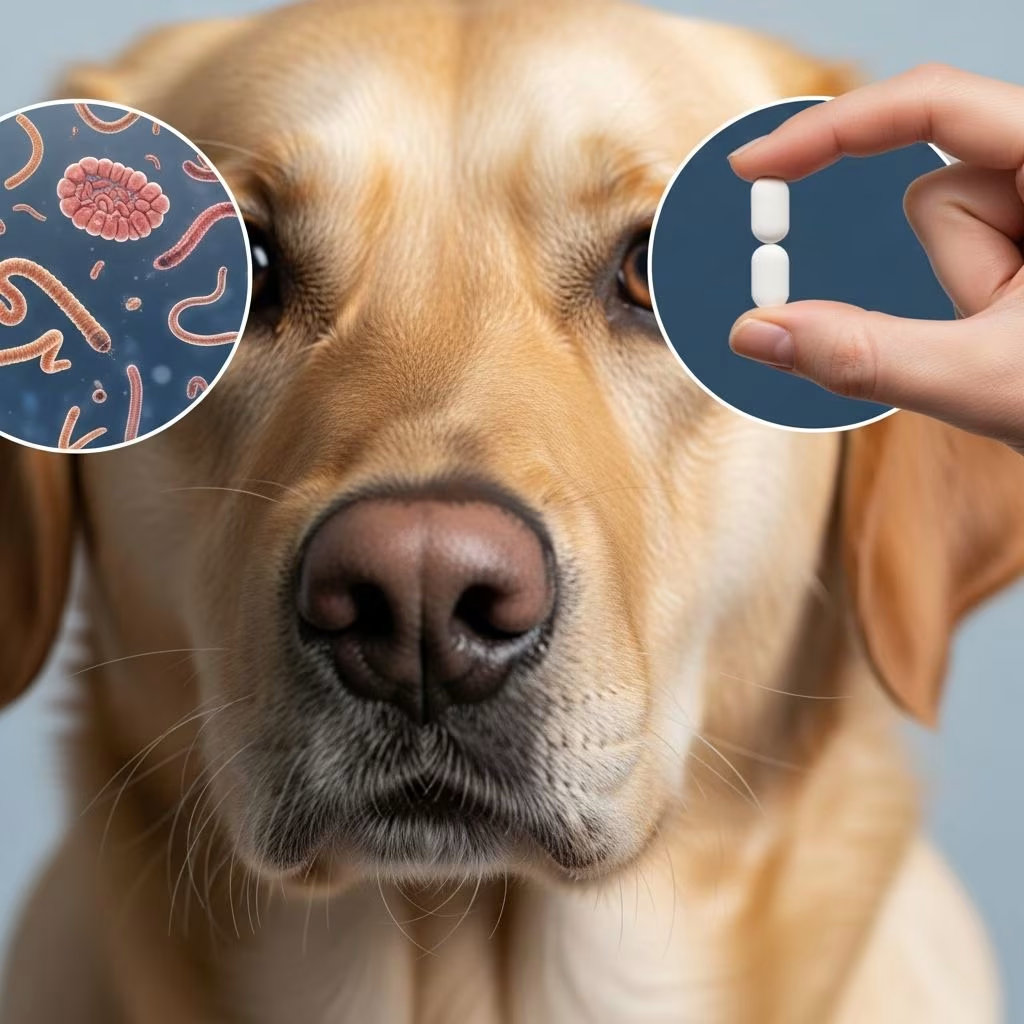
Discovering worms in your dog’s feces can be alarming for any pet owner. However, understanding what causes parasitic infections, recognizing the warning signs, and knowing your treatment options will help you address this common health concern effectively. Intestinal worms are parasitic infections that affect many dogs at various life stages, and prompt intervention is crucial to prevent complications and maintain your pet’s overall wellness.
Understanding Common Parasitic Infections in Dogs
Dogs can contract several types of intestinal parasites, each with distinct characteristics and transmission methods. The most prevalent parasitic infections include roundworms, hookworms, tapeworms, whipworms, and coccidia. Understanding the differences between these parasites helps pet owners recognize potential health threats and seek appropriate veterinary care.
Roundworms: The Most Common Infection
Roundworms are among the most frequently diagnosed intestinal parasites in canines. Young puppies often inherit roundworms from their mothers during pregnancy or through nursing, while adult dogs typically acquire infections by consuming contaminated feces or raw meat. These parasites can grow quite large within the intestinal tract, sometimes visible to the naked eye in your dog’s stool or vomit. Roundworm infections are particularly serious in puppies because their developing immune systems are less equipped to handle the infection.
Hookworms: Dangerous and Damaging
Hookworms represent one of the most serious parasitic threats to dogs, especially puppies. These parasites attach to the intestinal lining and feed on blood, potentially causing anemia and internal bleeding. Dogs typically contract hookworms through contaminated soil or by ingesting infected feces. The parasite’s life cycle involves a developmental period in the environment before becoming infectious to new hosts. Hookworm infections demand immediate veterinary attention, as severe cases can be life-threatening, particularly in young animals.
Tapeworms: Visible Segments and Transmission
Tapeworms differ from other intestinal parasites in their appearance and transmission method. These parasites are contracted when dogs ingest infected fleas or consume raw or undercooked infected prey animals. Owners may notice tapeworm segments in their dog’s stool that resemble small pieces of rice. Some infected dogs exhibit a behavior called scooting, where they drag their bottoms along the ground due to irritation. Unlike other parasites, tapeworm control requires not only deworming medication but also flea prevention.
Whipworms and Their Environmental Threat
Whipworms are acquired when dogs consume infective eggs present in contaminated environments. These eggs require four to eight weeks in the environment to become infectious, making environmental contamination a significant factor in transmission. While light whipworm infections may produce no symptoms, heavy infections cause bloody diarrhea, weight loss, and anemia. Dogs with whipworms may also show signs of lethargy and general malaise. The environmental stability of whipworm eggs means that proper sanitation and environmental management are critical for preventing reinfection.
Coccidia: A Different Type of Parasite
Coccidia represents a different category of parasitic infection compared to worms. This protozoan parasite affects the intestinal lining and is particularly problematic in puppies and immunocompromised dogs. Many adult dogs with coccidia infections show no symptoms and may not require treatment, but puppies and symptomatic dogs need intervention to prevent serious complications.
Recognizing the Warning Signs of Parasitic Infection
Early detection of parasitic infections enables prompt treatment and prevents the condition from worsening. Pet owners should be familiar with the various symptoms that indicate their dog may have contracted intestinal parasites.
Digestive System Indicators
The most common symptoms of parasitic infection involve the digestive system. Diarrhea is perhaps the most frequently observed sign, and the stool may contain blood or mucus in more serious cases. Dogs may experience vomiting, which sometimes reveals actual parasites. Some infected dogs develop constipation alternating with loose stools. Changes in appetite patterns, ranging from increased hunger to complete loss of appetite, may also occur. Black or tarry-colored feces can indicate internal bleeding caused by parasites like hookworms.
Physical Appearance and Weight Changes
Parasitic infections often manifest through visible physical changes in affected dogs. Weight loss despite normal food intake is a common indicator, as parasites consume nutrients intended for your dog’s body. Some dogs develop a potbellied appearance, where the abdomen appears swollen and distended even as the rest of their body grows thin. The coat often becomes dull and loses its natural shine, and infected dogs may appear generally unkempt or unhealthy.
Behavioral and Systemic Signs
Beyond digestive symptoms, parasitic infections affect your dog’s overall behavior and energy levels. Lethargy and decreased activity are common, with affected dogs appearing less interested in play or exercise. Some dogs exhibit scooting behavior, dragging their rear end along the ground due to anal irritation. In severe cases, parasitic infections can cause dehydration, anemia, and respiratory symptoms like coughing. Growth delays are particularly noticeable in puppies with significant parasitic infections.
How Parasitic Infections Develop
Understanding the transmission routes helps pet owners implement appropriate preventive measures. Dogs acquire parasitic infections through multiple pathways depending on the parasite type.
Most adult dogs contract intestinal parasites by consuming infected feces or ingesting raw or undercooked meat containing parasite larvae or eggs. Puppies face different risk factors because their immature immune systems make them more susceptible to infection. Puppies may inherit parasites from their mothers during pregnancy or through nursing. The environment plays a crucial role in transmission, particularly for parasites like whipworms that develop in soil and fecal matter. Fleas serve as intermediate hosts for tapeworms, so flea control directly impacts tapeworm prevention. Dogs with access to outdoor areas, those in multi-pet households, and animals in kennels face higher infection risks.
Diagnostic Methods Used by Veterinarians
Professional diagnosis is essential for identifying the specific parasite affecting your dog and determining appropriate treatment. Veterinarians employ several diagnostic techniques to identify parasitic infections accurately.
Fecal Flotation Testing
The fecal flotation test is the most common diagnostic method used by veterinarians. This procedure involves mixing a fresh stool sample with a special solution that causes parasite eggs to float to the surface. The floating eggs are then examined under a microscope to identify the parasite type. This method effectively detects roundworms, hookworms, whipworms, and other parasitic eggs. Bringing a fresh stool sample to your appointment ensures accurate results, as parasite eggs can degrade over time.
Microscopic Examination
Direct microscopic examination of stool samples helps identify parasite segments, eggs, and larvae. For tapeworms, visible segments in the stool or around the anal area provide diagnostic confirmation without requiring microscopic analysis. Multiple fecal examinations may be necessary for some parasites, particularly whipworms, as eggs are not consistently present in every stool sample.
Additional Diagnostic Considerations
In some cases, veterinarians may recommend repeat fecal examinations if initial results are negative but parasitic infection is suspected based on symptoms. Blood tests can detect certain parasites and assess damage caused by infections, such as anemia from hookworm infections. The specific diagnostic approach depends on your dog’s symptoms and the veterinarian’s clinical assessment.
Treatment Options and Recovery
Once parasitic infection is diagnosed, prompt treatment eliminates the parasites and prevents ongoing damage to your dog’s health. Treatment protocols vary based on parasite type, infection severity, and your dog’s age and overall health status.
Deworming Medications
Prescription dewormers are the primary treatment for intestinal parasitic infections. These medications target specific parasites and are available in multiple formulations. Oral tablets offer convenience for some owners, while liquid dewormers are easier to administer to puppies or reluctant dogs. Injectable dewormers provide another option for resistant patients. Pyrantel is a commonly prescribed yellow liquid dewormer effective against multiple parasites. The specific dewormer chosen depends on the parasite type, so accurate diagnosis is crucial for selecting the appropriate medication.
Treatment Duration and Follow-Up
Treatment duration varies depending on the parasite type and medication used. Some parasites require a single dose, while others necessitate multiple doses administered at specific intervals. For example, hookworm treatment typically involves two doses spaced two to four weeks apart: the first dose targets adult worms, and the second eliminates newly developed worms. Whipworm infections often require three monthly treatments to ensure complete elimination. Follow-up fecal examinations confirm treatment success and determine whether additional therapy is needed.
Specialized Treatment Cases
Coccidia infections require medications outside the standard dewormer arsenal. Sulfadimethoxine is the only FDA-approved medication specifically for treating coccidia in the United States. Dogs with severe infections may need additional supportive care, including fluid therapy, gastrointestinal protection medications, and bland diets to support healing. Coinfections with multiple parasite types require comprehensive treatment plans addressing all parasites simultaneously.
Prevention Strategies for Long-Term Protection
Preventing parasitic infections is far more effective than treating established infections. A multi-faceted prevention approach protects your dog’s health and reduces environmental contamination risks.
Regular Deworming Schedules
Following your veterinarian’s recommended deworming schedule provides consistent protection against parasitic infections. Puppies require more frequent deworming than adult dogs during their vulnerable early life stages. Adult dogs benefit from regular preventive dewormers, with many veterinarians recommending monthly parasitic prevention. Combination products that prevent multiple parasites simultaneously streamline prevention efforts. Some monthly heartworm preventatives also provide intestinal parasite protection.
Environmental Management and Sanitation
Prompt removal and proper disposal of feces is critical for breaking the parasitic life cycle. Whipworm eggs are susceptible to drying, so maintaining clean, dry living environments significantly reduces infection risk. Dogs housed in kennels should be kept on concrete slabs rather than dirt to minimize environmental contamination. Regular cleaning and disinfection of your dog’s living spaces eliminate parasite eggs and reduce reinfection likelihood. Removing moist areas and maintaining proper drainage prevents conditions favorable for parasite development.
Flea Control and Prey Prevention
Controlling fleas directly prevents tapeworm infections, as fleas serve as intermediate hosts for tapeworms. Regular flea prevention protects your dog from both parasitic infections. Preventing access to raw or undercooked meat eliminates a significant infection source for adult dogs. Restricting outdoor access to contaminated areas reduces exposure to parasitic eggs and larvae in the environment.
When to Seek Emergency Veterinary Care
While most parasitic infections respond well to treatment, certain symptoms warrant immediate veterinary attention. Seek emergency care if your dog exhibits severe bloody diarrhea, extreme weakness or lethargy, difficulty breathing, signs of severe dehydration, or suspected hookworm infection. Puppies with severe infections require urgent evaluation, as they face higher risks of serious complications.
FAQ
How long does it take to eliminate parasitic infections?
Treatment timeline varies by parasite type and medication used. Some infections clear within days, while others require multiple doses over several weeks. Follow-up testing confirms complete elimination, typically performed 2-4 weeks after final treatment.
Can humans catch parasites from infected dogs?
Some parasites, particularly roundworms, can affect humans. Proper hygiene practices, including handwashing after handling infected dogs and cleaning up feces promptly, minimize transmission risk. Maintaining clean environments protects both human and canine health.
Is it normal to see worms after treatment?
Seeing dead worms in stool after starting treatment is common and indicates the medication is working. This is not cause for concern but rather evidence of parasite elimination. Contact your veterinarian if you have questions about treatment response.
How can I prevent my puppy from getting worms?
Maintain regular deworming schedules recommended by your veterinarian, practice strict sanitation, control fleas, limit access to contaminated areas, and ensure your puppy receives proper nutrition to support immune function. Some breeders administer deworming treatment before puppies go to new homes.
Are over-the-counter dewormers as effective as prescription medications?
Prescription dewormers are formulated specifically for diagnosed parasites and are generally more reliable than over-the-counter products. Your veterinarian can recommend the most appropriate treatment based on diagnosis and your dog’s individual circumstances.
Summary
Parasitic infections, while concerning, are manageable conditions when caught early and treated appropriately. By remaining vigilant for warning signs, maintaining preventive care routines, and working closely with your veterinarian, you can protect your dog from parasitic infections and ensure optimal health throughout their life. Regular fecal examinations, consistent deworming schedules, and environmental management work together to eliminate existing parasites and prevent future infections. Your dog’s well-being depends on your commitment to these prevention and treatment strategies.
References
- Gastrointestinal Parasites of Dogs — Merck Veterinary Manual. 2024. https://www.merckvetmanual.com/dog-owners/digestive-disorders-of-dogs/gastrointestinal-parasites-of-dogs
- Coccidia in Dogs — Cornell University College of Veterinary Medicine. 2024. https://www.vet.cornell.edu/departments-centers-and-institutes/riney-canine-health-center/canine-health-topics/coccidia-dogs
- Parasites in Dog’s Stool: Signs and Treatments — Wakefield Pet Veterinary Services. 2024. https://wakefieldpetvet.com/blog/parasites-in-dogs-stool/
- Intestinal Parasites in Dogs — HEARTGARD Plus. 2024. https://heartgard.com/intestinal-parasites-in-dogs
- How to Get Rid of Worms in Dogs — PetVet Care Centers. 2022. https://www.petvetcarecenters.com/site/blog/2022/03/31/get-rid-dog-worms
- How To Tell if Your Dog Has Worms: Symptoms, Treatment — PetMD. 2024. https://www.petmd.com/dog/general-health/how-to-tell-if-your-dog-has-worms



