
Identifying Kidney and Urinary Issues in Dogs
Learn how to recognize early warning signs of kidney and urinary tract problems in your dog
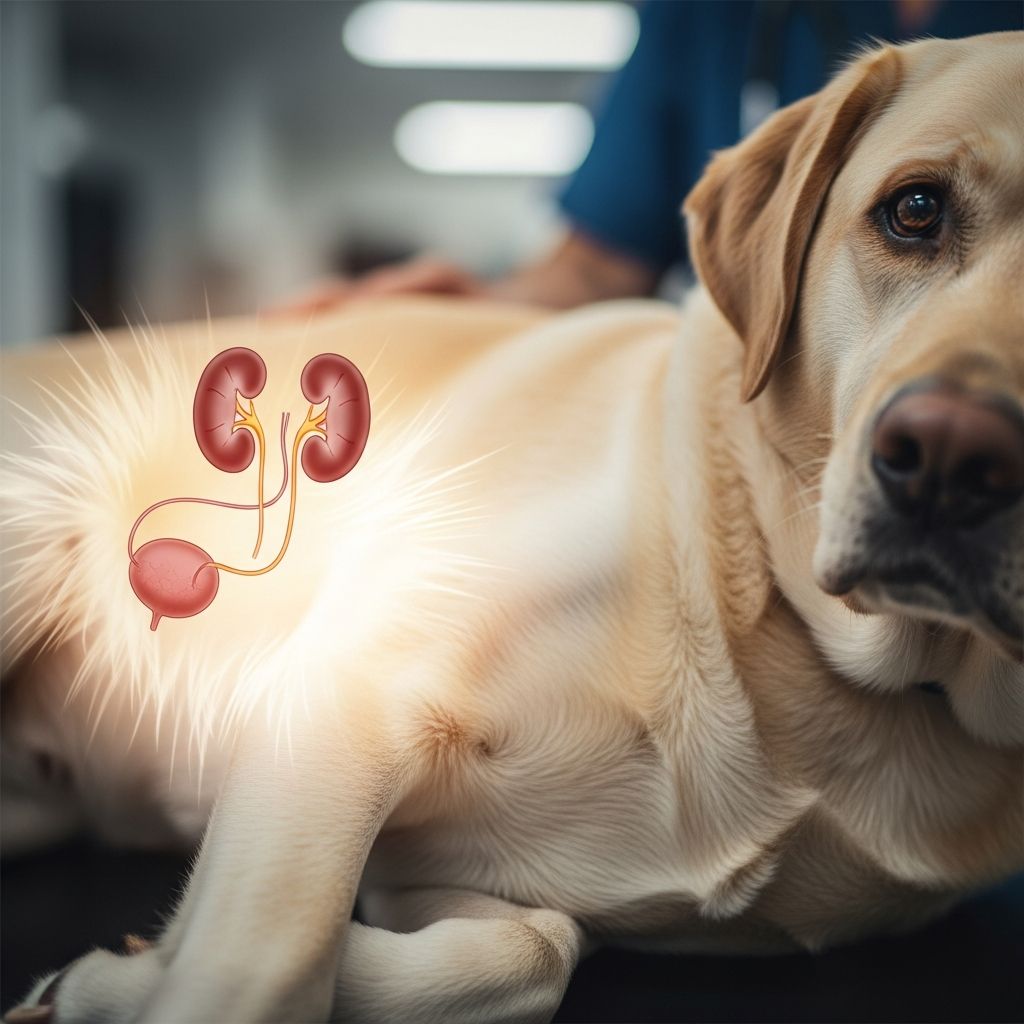
Kidney and urinary tract disorders represent some of the most common health concerns affecting dogs of all ages and breeds. Early detection of these conditions can significantly improve treatment outcomes and quality of life. Understanding what to observe in your dog’s behavior and physical condition is essential for prompt intervention. This guide explores the various methods veterinarians use to identify these disorders and what pet owners should know about recognizing potential problems.
Understanding the Role of the Kidneys and Urinary System
The kidneys serve as the body’s filtration system, removing waste products from the bloodstream and regulating fluid balance, electrolytes, and blood pressure. The urinary system includes the kidneys, ureters, bladder, and urethra, all working together to produce, store, and eliminate urine. When any component of this system malfunctions, it can lead to serious health complications. Recognizing dysfunction early requires understanding both the normal function of these organs and the signs that indicate problems.
Common Behavioral Changes That Warrant Attention
Dogs with kidney or urinary tract problems often exhibit noticeable changes in their daily habits. Increased thirst and frequent urination represent the most common early indicators of kidney disease. Pet owners typically observe their dogs drinking from water bowls more often than usual and requiring more frequent trips outside to urinate. This pattern occurs because damaged kidneys struggle to concentrate urine properly, forcing the body to produce more dilute urine and triggering increased thirst to compensate for fluid loss.
Changes in urination patterns extend beyond simple frequency increases. Dogs may experience difficulty or pain during urination, straining with minimal urine output, or accidents inside the home despite being housetrained. Some dogs produce very small amounts of urine multiple times throughout the day. Others may develop incontinence, particularly noticeable during sleep. In contrast, some conditions cause dramatically reduced urine production or complete urinary blockage, which constitutes a medical emergency.
Behavioral alterations often accompany these physical symptoms. Lethargy and reduced activity levels become increasingly apparent as disease progresses. Dogs may seem disinterested in activities they previously enjoyed, spending more time resting, and showing reluctance to play or exercise. Some owners notice personality changes, with previously social dogs becoming withdrawn or irritable.
Physical Symptoms and Oral Changes
Examining your dog’s mouth can reveal important diagnostic clues. Pale or discolored gums indicate potential anemia, a common complication of kidney disease. The gums should appear pink; pale, white, or yellowish gums suggest reduced oxygen delivery to tissues. Additionally, mouth ulcers and bad breath often accompany advanced kidney dysfunction. The distinctive ammonia-like odor of breath in dogs with kidney disease results from accumulated waste products the body cannot adequately filter.
Gastrointestinal symptoms frequently develop alongside kidney problems. Loss of appetite or finicky eating represents an early warning sign, while advanced disease may cause complete refusal of food. Vomiting and nausea occur as the body’s toxic waste load increases. These symptoms typically worsen with disease progression. Many affected dogs experience weight loss, resulting from reduced nutritional intake combined with the body’s metabolic dysfunction.
Diagnostic Methods Veterinarians Employ
Veterinary evaluation for suspected kidney or urinary disorders involves multiple assessment techniques. During the physical examination, veterinarians palpate the abdomen to assess kidney size and shape, as enlarged, shrunken, or painful kidneys suggest underlying problems. They evaluate mucous membrane color, check for dehydration, and assess overall body condition.
Blood tests form a critical component of kidney disease diagnosis. These tests measure creatinine and blood urea nitrogen (BUN), which indicate how effectively the kidneys filter waste. Electrolyte levels, particularly potassium and calcium, reveal metabolic imbalances. Complete blood counts may show anemia, indicating chronic kidney dysfunction.
Urinalysis examines urine composition, color, clarity, and specific gravity. Abnormal findings such as blood, protein, or bacteria in the urine point toward specific urinary tract problems. Urine specific gravity helps determine whether the kidneys concentrate urine appropriately. Abnormally dilute urine suggests kidney dysfunction.
Urine culture becomes necessary when infection is suspected. This test identifies bacterial growth and determines which antibiotics will prove most effective for treatment. Culture remains the gold standard for diagnosing urinary tract infections.
Imaging studies provide visual assessment of kidney and urinary tract structure. Abdominal radiographs (X-rays) reveal kidney size, shape, and position. Ultrasound provides superior detail, showing internal kidney structure, the presence of stones, and detecting other abnormalities. Ultrasound proves particularly valuable for identifying blockages or cystic changes within the kidneys.
Distinguishing Between Different Urinary Conditions
Several distinct conditions affect the urinary system, each with slightly different presentations. Lower urinary tract infections primarily affect the bladder and urethra, causing frequent, painful urination with small urine volumes, urgency, and sometimes blood in the urine. Dogs may have accidents indoors.
Upper urinary tract infections (pyelonephritis) involve the kidneys and can be more serious. These typically present with fever, lethargy, reduced appetite, and abdominal pain in addition to urinary symptoms. Dogs may show visible discomfort when their sides are palpated.
Chronic kidney disease develops gradually over months or years, with subtle early signs like mild increased thirst and slightly reduced appetite. Advanced stages present dramatically with severe symptoms.
Acute kidney injury develops suddenly and requires immediate veterinary attention. Dogs often vomit repeatedly, refuse food, and appear extremely ill. Urine output may increase dramatically or decrease to dangerous levels.
Stages of Severity and When Emergency Care Is Needed
Understanding symptom severity helps determine urgency of veterinary care. Mild cases present with subtle signs: slightly increased thirst and urination, occasional appetite reduction, and minimal weight loss. While less immediately alarming, these warrant veterinary evaluation within days to prevent progression.
Moderate cases involve more noticeable changes: consistent appetite loss, vomiting episodes, clear lethargy, and obvious changes in urination patterns. These require prompt veterinary attention within 24 hours.
Severe cases demand immediate emergency care. Red flags include:
- Inability to urinate or complete absence of urine production
- Excessive uncontrollable vomiting
- Complete refusal of food and water
- Extreme weakness or inability to stand
- Difficulty breathing
- Swelling of the face or limbs
- Seizures or loss of consciousness
- Sudden blindness
Risk Factors and Susceptible Populations
Certain dogs face elevated risk for kidney and urinary disorders. Senior dogs develop chronic kidney disease more frequently, with prevalence increasing significantly after age seven. Specific breeds show genetic predisposition to kidney disease, including Cocker Spaniels, Samoyeds, and Bull Terriers.
Infectious exposures can trigger urinary problems. Lyme disease transmitted by tick bites can cause severe kidney dysfunction in some infected dogs. Leptospirosis, spread through contaminated water, causes acute kidney injury.
Lifestyle factors influence risk, including access to toxins, recessed vulva anatomy in females increasing infection risk, and overall health status. Dogs with diabetes or other metabolic conditions face higher kidney disease risk.
The Importance of Regular Health Monitoring
Establishing baseline knowledge of your dog’s normal urination frequency, appetite, activity level, and appearance enables early detection of changes. Regular veterinary check-ups, particularly for senior dogs, allow veterinarians to identify subtle early indicators through physical examination and bloodwork before clinical symptoms develop.
Keeping detailed records of any changes—increased water consumption, accidents in the house, appetite changes, or behavioral shifts—provides valuable information for your veterinarian. Photos or videos documenting concerning behaviors can help communicate problems accurately.
FAQ Section
What is the difference between kidney disease and urinary tract infections?
Kidney disease involves dysfunction of the kidney organs themselves and their inability to filter waste effectively. Urinary tract infections represent bacterial infections anywhere in the urinary system, from the urethra to the bladder to the kidneys. While infections can damage kidneys if left untreated, they represent different conditions requiring different treatments.
Can kidney disease in dogs be cured?
Chronic kidney disease cannot be reversed, but progression can be slowed through appropriate management. Acute kidney injury sometimes responds well to aggressive treatment if caught early. Urinary tract infections can be completely cured with appropriate antibiotics.
How quickly do kidney problems develop in dogs?
Chronic kidney disease develops gradually over months or years, with subtle early signs. Acute kidney injury develops within hours or days and represents a medical emergency. Urinary tract infections vary in development speed depending on cause and severity.
Should I restrict water intake if my dog is drinking excessively?
No. Excessive water consumption indicates your dog is attempting to maintain hydration. Restricting water in a dog with kidney or urinary problems can cause serious harm. Always provide unlimited fresh water access and consult your veterinarian about managing increased thirst.
Are there home tests for kidney disease?
While some urine test strips exist for home use, professional laboratory analysis provides much more reliable information. Veterinary assessment combining physical examination, blood tests, and urinalysis remains the gold standard for accurate diagnosis.
References
- Kidney Disease in Dogs: Everything You Need to Know — Vetster. 2025. https://vetster.com/en/wellness/kidney-disease-in-dogs-everything-you-need-to-know
- Dog Kidney Failure: What You Need To Know In Madison, WI — Pet Care AH. 2024. https://petcareah.com/dog-kidney-failure-what-you-need-to-know-in-madison-wi/
- Pyelonephritis (Bacterial Infection of the Kidney) in Dogs — VCA Animal Hospitals. 2024. https://vcahospitals.com/know-your-pet/pyelonephritis-bacterial-infection-of-the-kidney-in-dogs
- Kidney Failure in Dogs: Emergency Signs & What to Do Now — Golden State Veterinary Services. 2024. https://gsvs.org/blog/kidney-failure-dogs-emergency-signs/
- Infectious Diseases of the Urinary System in Dogs — Merck Veterinary Manual. 2024. https://www.merckvetmanual.com/dog-owners/kidney-and-urinary-tract-disorders-of-dogs/infectious-diseases-of-the-urinary-system-in-dogs
- UTI in Dogs: Signs, Causes, and Treatment — PetMD. 2024. https://www.petmd.com/dog/conditions/urinary/uti-dogs-signs-causes-and-when-call-your-vet
- Kidney Disease and Renal Failure in Dogs — Blue Cross. 2024. https://www.bluecross.org.uk/advice/dog/health-and-injuries/kidney-failure-and-disease-in-dogs
Similar Articles








Read full bio of medha deb




