
Identifying Food Allergies in Dogs
Learn how to recognize and diagnose food allergies in your dog with expert guidance.
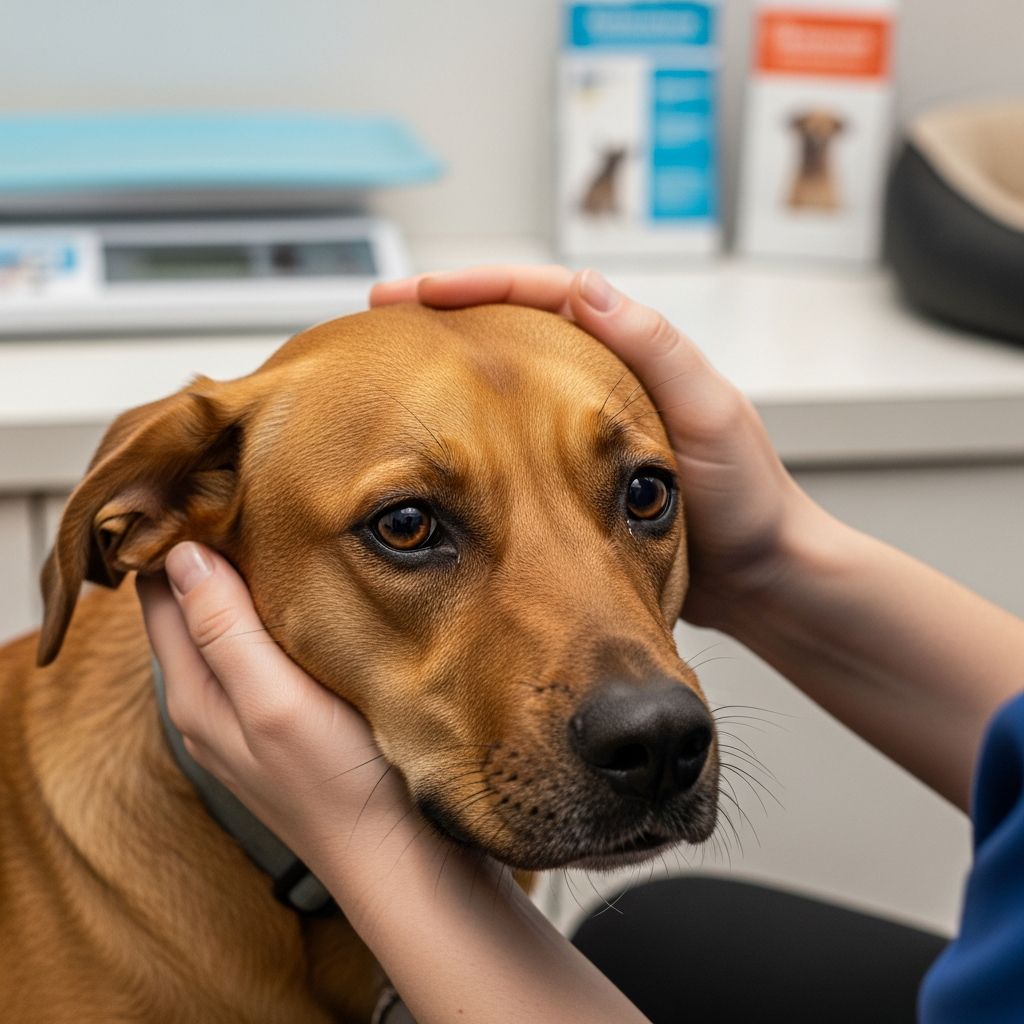
Understanding Canine Food Allergies: A Comprehensive Guide to Recognition and Diagnosis
When your dog scratches excessively, develops ear infections, or experiences digestive upset, food allergies may be the underlying cause. Unlike environmental allergies triggered by seasonal changes or flea infestations, food allergies represent an immune system overreaction to specific dietary ingredients. Understanding how to identify these allergies is essential for pet owners seeking to improve their dog’s quality of life and address persistent health issues.
What Constitutes a Food Allergy in Dogs?
A food allergy occurs when a dog’s immune system mistakenly identifies a particular food ingredient—typically a protein—as a harmful foreign substance and mounts an defensive response. This immune reaction triggers inflammatory processes throughout the body, affecting multiple organ systems and tissue types. The resulting inflammation can manifest in the skin, gastrointestinal tract, respiratory system, and eyes, leading to a diverse range of observable symptoms.
It is important to distinguish between true food allergies and food intolerances. While both conditions may produce similar symptoms, they involve different biological mechanisms. A food allergy activates the immune system, whereas food intolerance represents a digestive system’s inability to process certain ingredients effectively, similar to lactose intolerance in humans.
Recognizing the Physical Signs of Food Allergies
The symptoms of canine food allergies vary considerably among individual dogs, though certain manifestations appear more frequently than others. Identifying these signs is the first step toward seeking professional diagnosis and treatment.
Skin and Coat Symptoms
The most prevalent indicators of food allergies in dogs involve the skin and coat. Persistent itching represents the single most common sign, often accompanied by various self-directed grooming behaviors. Dogs may excessively lick, scratch, bite, or rub affected areas including the face, paws, back, limbs, rear end, and ears. Physical examination may reveal redness and inflammation of the skin and ears, along with unusual dryness or conversely, an oily appearance to the coat.
Secondary complications frequently develop as a result of the constant scratching and skin irritation. Hair loss, hot spots (localized areas of eczema), increased dandruff production, and recurring bacterial or yeast skin infections are common consequences. Dogs with food allergies often display licking and chewing of their feet, with veterinarians frequently observing brown staining on the paw pads resulting from saliva discoloration during intense grooming sessions.
Ear-Related Issues
The ears present a particularly vulnerable area for food-allergic dogs. Repeated ear infections and inflammation occur frequently, sometimes becoming chronic conditions that persist despite conventional antibiotic treatment. These recurring ear problems may represent one of the earliest or most persistent signs of an underlying food allergy.
Gastrointestinal Manifestations
Beyond skin symptoms, food allergies commonly produce digestive disturbances. Dogs may experience soft stools, diarrhea, vomiting, and excessive gas production. An increased frequency of bowel movements and inconsistent stool quality can also indicate potential food allergy involvement. Some dogs demonstrate weight loss, decreased energy levels, or lethargy despite adequate caloric intake.
Additional Systemic Signs
Less commonly recognized symptoms include watery eyes or ocular discharge, eye redness, sneezing, and facial or periocular swelling. In rare cases, severe allergic reactions may produce more dramatic responses, though these are typically associated with environmental rather than food allergies. Behavioral changes such as hyperactivity or uncharacteristic aggression have also been documented in food-allergic dogs.
Why Diagnosis Can Be Challenging
One significant complication in identifying food allergies involves symptom overlap. The clinical signs associated with food allergies are clinically indistinguishable from those produced by environmental allergies (such as pollen sensitivity) and flea bite allergies. Many dogs suffer from multiple concurrent allergies, further complicating the diagnostic picture. A dog experiencing itching may have environmental allergies, food allergies, flea allergies, or a combination thereof.
Additionally, food allergies represent a relatively uncommon condition in the canine population. Research indicates that only 0.2% of dogs actually develop true food allergies, despite food allergy being frequently suspected by owners. This low prevalence means that itching and skin problems are far more likely to stem from other causes, making targeted investigation necessary.
The Gold Standard: Elimination Diet Trial
No reliable blood, saliva, or hair tests exist for diagnosing canine food allergies. Commercial testing kits marketed for this purpose have not demonstrated reliable accuracy. Instead, veterinarians rely on a controlled elimination diet trial as the definitive diagnostic tool.
How the Elimination Trial Works
An elimination diet trial involves feeding a specialized diet containing only ingredients the dog has never previously consumed. This new diet must exclude all proteins and other components the dog has eaten before, as any previously encountered ingredient could potentially trigger an allergic response.
The trial typically extends for 8 to 12 weeks, with some sources recommending 2 to 3 months for optimal results. During this entire period, strict adherence is essential—no other foods, treats, flavored supplements, or medications with edible components should be administered, as these can interfere with the trial’s accuracy and invalidate the results.
Throughout the trial period, owners should carefully document their dog’s symptoms. If the offending food ingredient is truly responsible for the allergic response, symptoms should gradually resolve over the 2 to 8-week period as the inflammatory response subsides.
The Food Challenge Phase
Following symptom resolution during the elimination phase, veterinarians recommend performing a food challenge test to confirm the diagnosis. This involves reintroducing the dog’s original diet or suspected allergenic ingredients. In dogs, this challenge phase typically lasts 14 days, whereas cats generally require only 7 days.
If symptoms rapidly return within 1 to 7 days of reintroduction, a food allergy diagnosis is confirmed. This response pattern—improvement during elimination followed by rapid recurrence upon reintroduction—definitively establishes that food allergies are responsible for the clinical signs.
Professional Supervision is Essential
Veterinarians and veterinary dermatologists emphasize that elimination trials are diagnostic tests requiring professional oversight, not simply casual dietary changes. Improperly conducted trials often yield misleading results. Sometimes additional supportive treatments are necessary during the trial period to manage secondary infections or severe itching while the elimination diet takes effect.
Factors That May Influence Food Allergy Likelihood
Certain historical and clinical patterns suggest higher probability of food allergy involvement. Dogs exhibiting skin symptoms combined with more than two bowel movements daily, or those developing skin issues before one year of age, show increased likelihood of food allergy contribution.
Conversely, dogs experiencing itching exclusively during spring through fall with complete comfort during winter months likely suffer from environmental allergies rather than food allergies. The seasonal pattern indicates pollen or environmental trigger involvement rather than year-round dietary component exposure.
When to Suspect Food Allergies
Consider food allergy investigation when your dog demonstrates:
- Chronic itching unresponsive to seasonal patterns
- Recurring ear infections despite appropriate treatment
- Persistent skin infections or hot spots
- Year-round gastrointestinal disturbances
- Simultaneous skin and digestive symptoms
- Young age of symptom onset (before 1 year)
- Failure to respond to standard allergy treatments
Frequently Asked Questions
Can I diagnose a food allergy without veterinary involvement?
While diligent pet owners can potentially self-diagnose food allergies using proper elimination diet methodology, veterinary guidance significantly improves accuracy and ensures that complicating factors are appropriately addressed. Professional supervision helps distinguish food allergies from other conditions with similar presentations.
How much will a food allergy diagnosis cost?
Elimination diet trials require only special prescription or limited-ingredient commercial diets, making the diagnostic process relatively affordable compared to other veterinary investigations. The primary cost involves the specialized diet itself over the 8-12 week trial period, along with veterinary consultation fees.
What diet should I use for the elimination trial?
Your veterinarian will recommend appropriate hypoallergenic or limited-ingredient diets based on your dog’s prior dietary history. These diets typically feature novel protein sources (such as venison, duck, or kangaroo) and limited carbohydrate options that your dog has not previously encountered.
What happens if the elimination diet doesn’t help?
Lack of improvement during an elimination trial suggests that food allergies are not the primary cause of your dog’s symptoms. Environmental allergies, flea allergies, or other medical conditions may be responsible, prompting investigation through alternative diagnostic approaches.
The Path Forward
Discovering that your dog has a food allergy, while initially disappointing, ultimately provides clarity and direction for long-term management. Once a specific problematic ingredient is identified through the elimination and challenge process, you can work with your veterinarian to develop a permanent dietary management plan. Many dogs thrive on appropriately formulated limited-ingredient or hypoallergenic diets, experiencing dramatic improvement in comfort, coat quality, and overall wellbeing once triggering ingredients are permanently eliminated.
The key to success involves patience with the diagnostic process, strict adherence to elimination trial protocols, and professional collaboration with your veterinary team. While the 8-12 week investigation period may seem lengthy, the information gained provides the foundation for effective, lasting treatment rather than temporary symptomatic relief.
References
- Food Allergies in Pets: Signs, Diagnosis, and Treatment — VetDerm Clinic. Accessed March 2026. https://www.vetdermclinic.com/food-allergies-in-pets-signs-common-triggers-diagnosis-treatment/
- Food Allergies and Intolerances in Dogs — PetMD. Accessed March 2026. https://www.petmd.com/dog/conditions/digestive/food-allergies-dogs
- Food Allergies in Dogs — VCA Canada Animal Hospitals. Accessed March 2026. https://vcahospitals.com/know-your-pet/food-allergies-in-dogs
- Food Allergies in Dogs: Does My Dog Have Food Allergies? — MedVet. Accessed March 2026. https://www.medvet.com/food-allergy-dog/
- Food Allergy — Animal Dermatology Group. Accessed March 2026. https://www.animaldermatology.com/services/food-allergy
- Food Allergens — Pet Dermatology Clinic. Accessed March 2026. https://www.petdermatologyclinic.com/food-allergens
Similar Articles








Read full bio of Sneha Tete




