

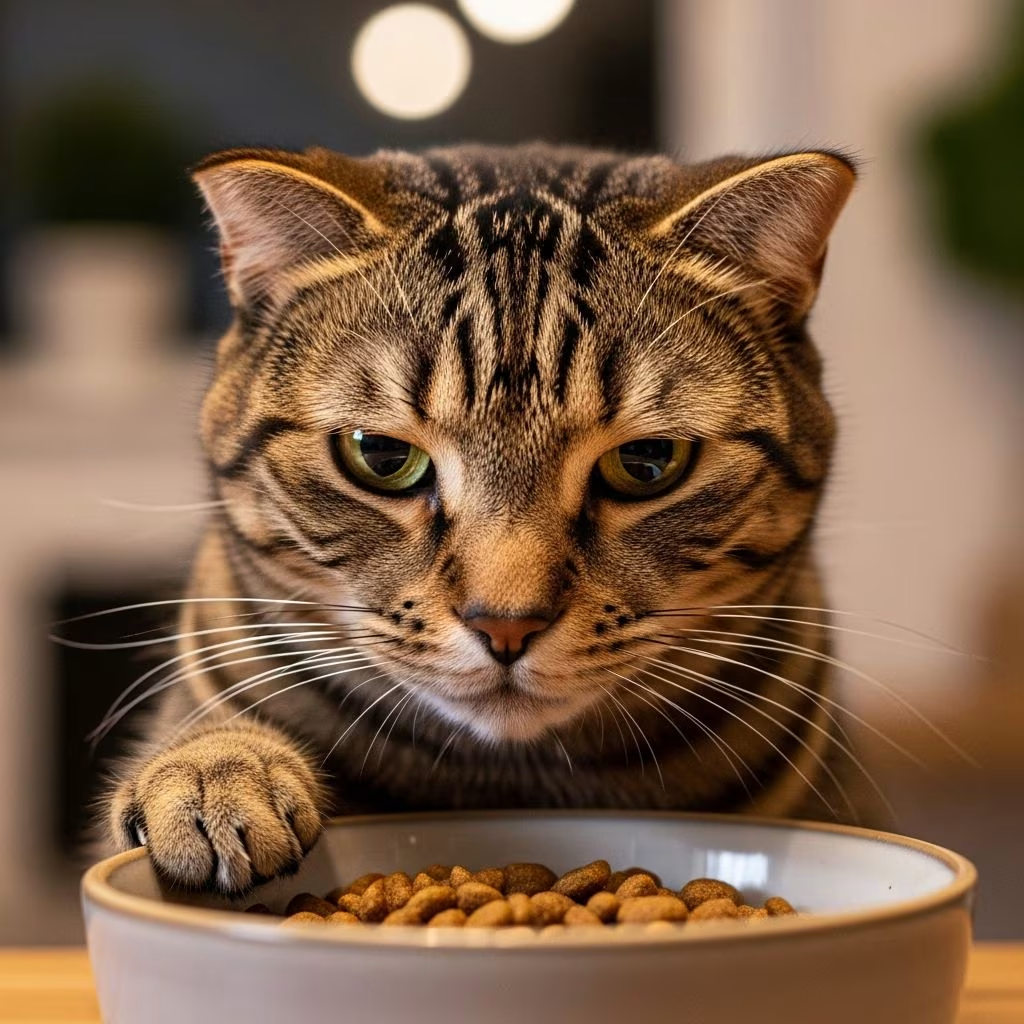
Food aggression in cats is a concerning behavioral issue that can manifest in various ways, from subtle warning signs to dangerous aggressive displays. Unlike dogs, food aggression is relatively uncommon in felines; however, when it does occur, it requires immediate attention and careful management. Food aggression occurs when a cat displays aggressive behavior around food, including growling, hissing, swatting, or even biting to protect its meal. Understanding how to identify this behavior and implement effective solutions is essential for maintaining a safe and harmonious household for both cats and their owners.
What Is Food Aggression in Cats?
Food aggression is a form of resource guarding where cats become possessive and defensive about their meals and eating spaces. This behavior is seriously viewed as an important contributing factor to obesity, heart disease, liver problems, and other chronic health issues, making it more than just an annoying behavioral quirk. In some cases, cats develop what researchers call “psychogenic abnormal feeding behavior” (PAFB), a condition where cats become truly consumed with food and act aggressively toward people and other pets while seeking out and protecting food.
The condition was first formally characterized in a case study involving Otto, an 8-month-old Siamese cat who exhibited extreme food-seeking behavior, including stealing food from his owner’s plate and attempting to eat plastic toys despite having regular meals. Researchers determined that Otto’s behavior was psychogenic in origin, meaning it stemmed from psychological rather than purely physical causes, and required behavioral intervention rather than standard medical treatment.
Signs Your Cat May Have Food Aggression
Identifying food aggression early is crucial for preventing escalation. The signs can vary in intensity and frequency, but recognizing them allows you to intervene before the behavior becomes more entrenched.
Common Behavioral Signs
- Bowl guarding: Your cat positions itself in front of the food bowl and stares down anyone who approaches, displaying territorial aggression.
- Vocal warnings: Growling, hissing, or meowing excessively during feeding time or when the food bowl is empty.
- Physical aggression: Swatting, batting, or attempting to bite anyone who comes near during meals.
- Targeting other pets: Terrorizing other household pets and keeping them away from their own food bowls.
- Food stealing: Actively searching for and stealing food from counters, tables, or other pets’ bowls.
- Destructive feeding behavior: Eating through pet food packaging, rummaging through garbage bins, or consuming non-food items.
- Escalating patterns: Behaviors that intensify over time, such as growling louder, swatting before food even hits the bowl, or refusing to eat unless completely alone.
Physical Warning Signs
Beyond behavioral displays, cats may show physical signs of aggression when threatened around food. Signs of aggression include standing with an arched back, hairs held erect, ears flattened backward on the head, and tail held erect. These postures indicate that your cat feels defensive and may escalate to more serious aggressive displays if the situation is not addressed.
Understanding the Root Causes
Food aggression rarely develops without underlying causes. Understanding what drives this behavior is essential for implementing effective solutions. Multiple factors can contribute to or trigger food aggression in cats.
Premature Weaning
Kittens separated from their mothers too early may not learn proper feeding behaviors and social skills. This early deprivation can create lasting anxiety around food availability, leading to possessive and aggressive behaviors later in life.
Environmental Stress and Anxiety
Food aggression can be a stress response in cats feeling anxious due to changes in their environment, the addition of a new pet, or disruptions to their daily routines. Cats thrive on consistency, and any significant changes can trigger anxiety-related behaviors, including food aggression. The inability to access food safely and eat privately can be important predisposing factors of food aggression.
Multi-Cat Household Dynamics
In households with multiple cats, resource competition can be predisposed, particularly when cats are fed large quantities of food once or twice daily. When cats must compete for limited resources, they may develop aggressive guarding behaviors to ensure they get adequate nutrition. This is especially problematic in households where cats are not fed separately or in quiet locations.
Reinforcement of Unwanted Behavior
If your cat pesters you with non-stop meowing because she’s hungry and you give in to her plea, you reinforce the behavior. Your cat learns that persistent vocalization results in food rewards, creating a cycle where the behavior intensifies over time. This learned behavior can escalate into more aggressive displays if the cat perceives that aggression is necessary to obtain food.
Improper Feeding Practices
Incorrect feeding schedules, small portions, and once-per-day feeding can cause hunger, frustration, and aggression after eating. The first step in a food aggression case is to compare the caloric needs of the cat with the amount of food the cats get fed. Many cases of apparent aggression are actually manifestations of inadequate nutrition or feeding schedules that don’t align with feline dietary needs.
Undiagnosed Medical Conditions
Health issues can significantly contribute to food aggression. Hyperthyroidism, which is more common in senior pets, cranks up a cat’s metabolism and can cause the cat to feel famished all the time. Additionally, dental disease causes pain while eating, making cats irritable and prone to aggressive displays. Periodontal disease specifically can trigger aggressive behavior during feeding times due to oral discomfort.
Pica and Related Behavioral Issues
Some cats with food aggression also exhibit pica, the behavior of chewing or eating non-food items. This behavior is more common in purebreds like Siamese and Burmese, and may be caused by a variety of psychological issues, including being weaned too early, stress, feelings of anxiety, and boredom. More commonly, pica may stem from physical issues like illness and dietary deficiencies, making veterinary evaluation essential.
Strategies to Stop Food Aggression
Managing and eliminating food aggression requires a multi-faceted approach combining environmental modifications, feeding practice changes, and in some cases, professional behavioral intervention.
Veterinary Evaluation
Before implementing behavioral modifications, consult your veterinarian to rule out medical causes. A thorough examination can identify issues like hyperthyroidism, dental disease, or other conditions contributing to aggressive behavior. Blood work and laboratory tests may be necessary to ensure the behavior is not medically motivated.
Separate Feeding Spaces
Create individual, quiet feeding areas for each cat in a multi-cat household. This allows each cat to eat without competition or threat from other household members. Feeding areas should be:
- Separated from high-traffic areas of your home
- Equipped with resources (water, litter) located away from the food bowl
- Closed off if necessary to provide complete privacy and security
- Maintained as consistent and predictable spaces
Adjust Feeding Schedules and Portions
Move from once or twice daily feeding to multiple small meals throughout the day. This approach:
- Reduces hunger and associated frustration
- Aligns better with feline natural feeding patterns (cats are crepuscular hunters)
- Provides more opportunities for positive feeding interactions
- Allows you to monitor food intake and adjust portions based on your cat’s caloric needs
Desensitization and Counter-Conditioning
Gradually acclimate your cat to human proximity during feeding through systematic desensitization. This involves slowly decreasing the distance between you and your cat during meals while pairing your presence with positive associations. A case study involving an 8-month-old cat with food aggression was successfully treated with a regimen aimed at reducing the cat’s exposure to stressors coupled with desensitization to food and counter-conditioning to feeding. This evidence-based approach can effectively reduce aggressive responses to human presence around the food bowl.
Environmental Enrichment
Reduce overall stress and anxiety through environmental enrichment:
- Provide vertical spaces and hiding spots throughout your home
- Offer regular play and mental stimulation
- Maintain consistent daily routines
- Use calming aids if recommended by your veterinarian
When to Seek Professional Help
If your cat keeps acting up at meals even after changes, it may be time to get outside help. Feline aggression can build over time, especially when ignored. Consult a certified animal behaviorist or feline behavior specialist if:
- Aggression escalates despite your intervention efforts
- Your cat shows signs of escalating aggression, such as biting or scratching
- The behavior poses a safety risk to household members or other pets
- Your cat refuses to eat unless completely alone
Frequently Asked Questions
Q: Is food aggression common in cats?
A: Food aggression is relatively uncommon in cats compared to dogs, but when it occurs, it requires careful management and attention to prevent escalation and ensure household safety.
Q: Can food aggression be cured?
A: Yes, with proper intervention including veterinary evaluation, environmental modifications, feeding practice adjustments, and in some cases professional behavioral training, food aggression can be effectively managed and often eliminated.
Q: Should I punish my cat for food aggression?
A: No. Punishment can increase anxiety and worsen aggressive behavior. Instead, focus on identifying underlying causes and implementing positive behavioral modification techniques that reduce stress and create safe feeding conditions.
Q: How long does it take to resolve food aggression?
A: The timeline varies depending on the severity of the behavior and underlying causes. Some cats respond quickly to environmental and feeding changes within weeks, while others with psychogenic issues may require several months of consistent behavioral intervention.
Q: Can cats with food aggression live safely with other pets?
A: Yes, through separate feeding areas, consistent routines, and behavioral modification, cats with food aggression can coexist safely with other household pets. However, management and supervision remain necessary.
Key Takeaways
Food aggression in cats is a manageable behavioral issue when addressed with understanding and appropriate intervention. Start by identifying the signs early and consulting your veterinarian to rule out medical causes. Implement environmental and feeding changes tailored to your cat’s needs, and seek professional behavioral support when necessary. With patience and consistency, most cases of food aggression can be significantly improved or resolved, creating a safer and more harmonious household for all family members.
References
- Why Is My Cat Food Aggressive? — The Comforted Kitty. 2025. https://comfortedkitty.com/food-aggression-in-cats/
- How To Deal With Food Aggression in Cats — Cats.com. 2025. https://cats.com/food-aggression-in-cats
- Food Aggression in Cats — Dupont Veterinary Clinic. 2025. https://www.dupontvet.com/blog/food-aggression-in-cats/
- How to Stop Food Aggression in Cats: Smart Solutions That Work — Holistic Pet. 2025. https://www.holistapet.com/blogs/cat-care/how-to-stop-food-aggression
- Feline Behavior Problems: Aggression — Cornell University College of Veterinary Medicine. 2025. https://www.vet.cornell.edu/departments-centers-and-institutes/cornell-feline-health-center/health-information/feline-health-topics/feline-behavior-problems-aggression
- How to recognize food aggression in cats — The Feline Consultant. 2025. https://www.thefelineconsultant.com/blog/cat-food-aggression



