

Understanding Hot Spots in Dogs: A Comprehensive Guide
Hot spots represent one of the most distressing skin conditions that dog owners encounter. These painful, inflamed lesions can develop rapidly—sometimes within just a few hours—leaving pet parents bewildered by their sudden appearance. Understanding what causes hot spots, how to treat them, and most importantly, how to prevent them is essential for maintaining your dog’s skin health and overall well-being.
What Are Hot Spots?
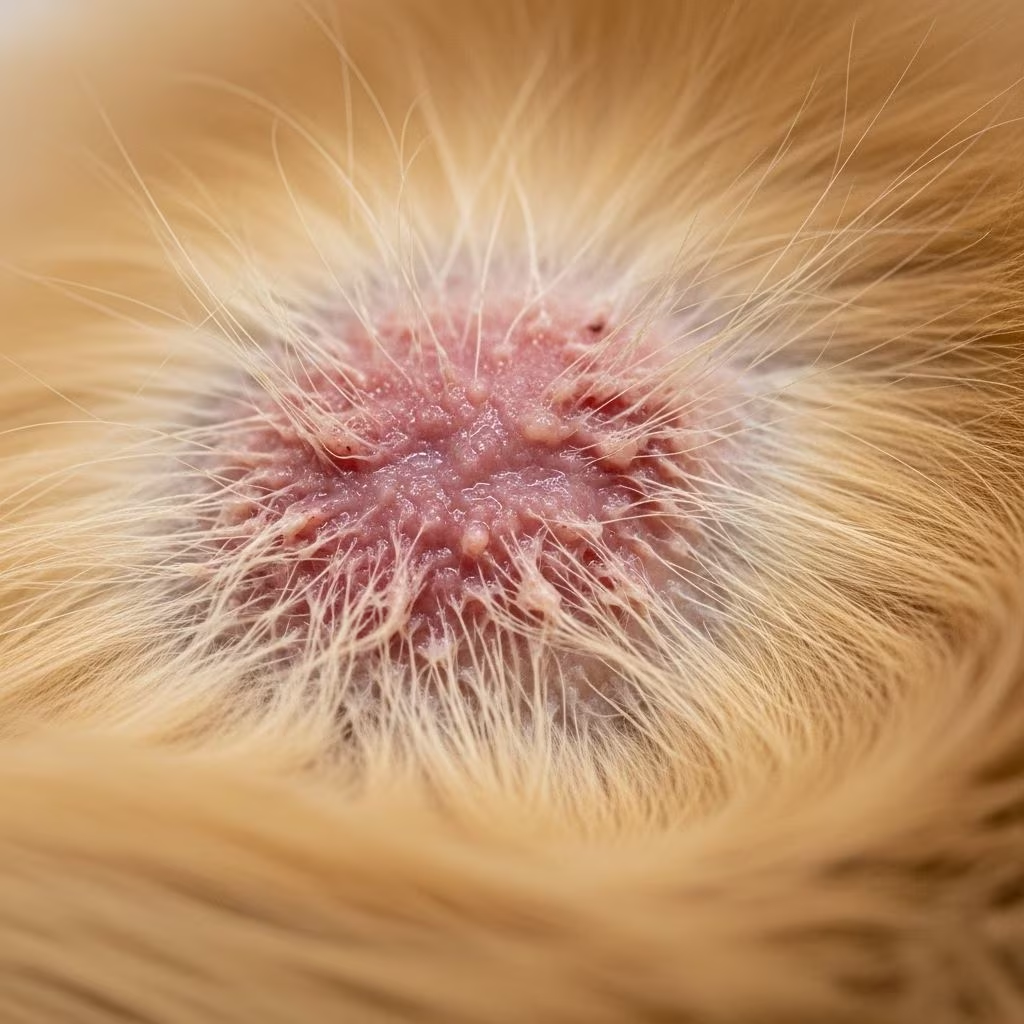
Hot spots, medically known as pyotraumatic dermatitis or acute moist dermatitis, are red, inflamed skin lesions that appear suddenly on a dog’s body. These lesions are characterized by their ability to ooze and may contain pus, creating uncomfortable conditions for affected dogs. The term “hot spot” is descriptive—these areas feel warm to the touch and appear angry red, often surrounded by matted or wet fur.
While hot spots can develop anywhere on a dog’s body, they most commonly appear on the head, legs, and hips. In some cases, hot spots may be hidden beneath matted fur, making them difficult to detect initially. These painful, itchy lesions produce a distinctive odor that often alerts owners to their presence. Certain dog breeds with long, dense coats—such as German Shepherds and Saint Bernards—are particularly prone to developing hot spots.
Identifying the Root Causes of Hot Spots
Hot spots are rarely spontaneous skin conditions. Instead, they typically develop as secondary lesions resulting from a dog’s vigorous self-trauma through scratching and licking. The initial itch that triggers this self-mutilation can stem from numerous underlying causes. Understanding these causes is critical because addressing the root problem is essential for preventing recurrence.
Primary Triggers for Hot Spot Development
Allergies represent the most common culprit behind hot spot formation. These may include flea allergies, food allergies, or environmental allergies (atopy). When a dog’s immune system reacts to allergens, intense itching ensues, prompting vigorous scratching that damages the skin barrier and creates an entry point for bacterial infections.
Insect Reactions can trigger the initial itch leading to hot spots. Flea bites are particularly problematic, but other insects including mites (Sarcoptes and Cheyletiella species), caterpillars, bees, wasps, lice, gnats, and mosquitoes can all cause sufficient irritation to initiate the hot spot cycle.
Ear Infections deserve special attention as a hot spot cause. Bacterial or yeast infections in the ear canal create intense irritation that compels dogs to scratch at their ears persistently, resulting in hot spots on the ear flaps, behind the ears, or on the neck.
Skin Infections (Pyoderma) caused by bacteria or yeast may independently cause itching or exacerbate existing conditions, leading dogs to scratch areas so vigorously that secondary hot spots develop.
Poor Grooming contributes significantly to hot spot formation. Dogs with unkempt, matted coats bite at tangles, creating small wounds. Matted fur prevents air circulation to the skin and retains moisture from swimming or rain, creating a perfect warm, damp environment for bacterial growth and hot spot development.
Boredom and Behavioral Issues can lead to excessive licking in accessible areas. Dogs lying down for extended periods naturally have their feet and forearms positioned directly beneath their faces, making these areas prime targets for boredom-related licking that can evolve into hot spots.
Orthopedic Problems such as arthritis or back issues cause dogs to lie down excessively. Prolonged pressure on bony protrusions like hips or hocks creates abrasions, especially in elderly dogs with diminishing muscle mass. When dogs lick these sore areas seeking relief, hot spots rapidly develop.
Anal Gland Inflammation represents another significant cause. Infected or impacted anal glands create discomfort that prompts dogs to lick the area around the rectum, frequently resulting in hot spots under or on top of the tail.
Treating Hot Spots Effectively
Successful hot spot treatment requires a multi-faceted approach addressing both the immediate lesion and the underlying cause. The primary goal is to stop self-trauma while preventing deep skin infections from developing.
Immediate Treatment Steps
Stop the Self-Mutilation represents the critical first step in hot spot management. Several strategies can prevent further licking and scratching:
- Place an Elizabethan collar (E-collar or cone) that physically prevents dogs from accessing the affected area
- Cover the hot spot with a protective sock or bandage acting as a barrier
- Use topical or oral steroids (prednisone) and antihistamines such as diphenhydramine (Benadryl) or cetirizine (Reactine, Zyrtec) to reduce itching
Important Note: Always consult your veterinarian before using medications intended for humans, as many are toxic to dogs.
Professional Grooming and Cleaning
Clipping the hair away from the hot spot and surrounding area is crucial to successful treatment. This essential step removes matted fur and allows the lesion to dry properly, accelerating healing. Professional grooming may be uncomfortable for your dog, requiring sedation beforehand. Once hair is clipped, the lesion should be disinfected with a chlorhexidine solution that kills bacteria.
Topical and Oral Medications
After clipping and disinfection, topical antibiotics, desiccating sprays, and soothing agents become significantly more effective when applied to clean, clipped skin. For serious hot spots, oral antibiotics and additional steroids or antihistamines may be prescribed to combat infection and reduce inflammation.
Addressing Underlying Causes
Treating the root cause is essential for preventing recurrence. Specific underlying conditions require targeted approaches:
- Impacted Anal Glands: Professional expression by a veterinarian
- Flea Allergy: Monthly flea control protocols using products like Frontline Plus, Advantage, Advantix, Revolution, Nexgard, Simparica, or Bravecto to control the entire flea life cycle
- Arthritis: Non-steroidal anti-inflammatory drugs (NSAIDs) such as meloxicam (Metacam), carprofen (Rimadyl), deracoxib (Deramaxx), or pain medications like gabapentin (Neurontin)
- Environmental or Food Allergies: Avoidance strategies, desensitization therapy, or hypoallergenic diets
- Poor Grooming: Professional grooming services using fear-free techniques
Prevention Strategies for Long-Term Health
Preventing hot spots is significantly easier than treating them. A proactive approach to your dog’s skin care can dramatically reduce the likelihood of these painful lesions developing.
Regular Grooming and Hygiene
Consistent grooming forms the foundation of hot spot prevention. Regular brushing removes mats and tangles before they become problematic, while bathing removes allergens and maintains skin health. Seasonal grooming adjustments help address breed-specific needs and environmental changes throughout the year.
Monitoring and Treating Underlying Conditions
Continued monitoring and treatment of any underlying causes is paramount for prevention. Dogs with known allergies, ear infections, or orthopedic issues require ongoing management to prevent hot spot recurrence. Regular veterinary checkups allow early detection of problems before they escalate into hot spots.
Environmental Management
Managing your dog’s environment can reduce exposure to irritants. Ensure your dog dries completely after swimming or exposure to rain, as retained moisture creates ideal conditions for hot spot development. Maintain flea prevention protocols year-round, even in colder months, as fleas can survive indoors.
Mental Health and Enrichment
Boredom-related hot spots can be prevented through adequate exercise and mental stimulation. Ensure your dog receives sufficient physical activity and interactive play appropriate to their age and health status.
Frequently Asked Questions About Hot Spots
Q: How quickly can hot spots develop?
A: Hot spots can develop remarkably quickly, sometimes appearing within just a couple of hours. They can dramatically increase in size in a very short period of time, which is why prompt treatment is essential.
Q: Which dog breeds are most prone to hot spots?
A: Dogs with long, dense coats are particularly susceptible to hot spots. Breeds like German Shepherds and Saint Bernards are commonly affected due to their coat characteristics making matting and moisture retention more likely.
Q: Can I treat a hot spot at home without veterinary care?
A: While some initial first aid measures can help, professional veterinary treatment is strongly recommended. Your veterinarian can properly diagnose the cause, prescribe appropriate medications, and prevent serious infections from developing.
Q: Why do hot spots keep coming back?
A: Hot spots commonly recur when the underlying cause is not identified and treated. Even if the lesion heals, if the root cause—such as allergies or ear infections—persists, new hot spots will likely develop.
Q: Is an Elizabethan collar necessary for hot spot treatment?
A: Yes, stopping self-trauma is the critical first step in treatment. An Elizabethan collar effectively prevents licking and scratching, allowing the lesion to heal. It’s often combined with other protective measures and medications for optimal results.
Q: How long does it take for a hot spot to heal?
A: Healing time varies depending on the severity of the lesion and how effectively the underlying cause is addressed. Mild hot spots may resolve within one to two weeks with proper treatment, while more serious cases may take longer.
Q: What role does diet play in preventing hot spots?
A: If your dog has food allergies, switching to a hypoallergenic diet can significantly reduce itching and prevent hot spot development. Work with your veterinarian to identify potential food allergens through elimination diets or allergy testing.
Conclusion
Hot spots represent a manageable skin condition when approached systematically through identification, treatment, and prevention. By understanding the various triggers, implementing appropriate treatment strategies, and maintaining proactive preventative care, you can significantly reduce the occurrence of these painful lesions in your dog’s life. When hot spots do develop, prompt veterinary attention combined with identification and treatment of underlying causes will lead to faster healing and reduced recurrence. Your commitment to your dog’s skin health, grooming practices, and overall wellness directly translates to a happier, more comfortable companion.
References
- Hot Spots in Dogs — VCA Animal Hospitals. https://vcahospitals.com/know-your-pet/hot-spots-in-dogs
- Hot Spots: What Are They and How to Treat Them — VCA Animal Hospitals. https://vcahospitals.com/shop/home/articles/hot-spots-what-are-they-and-how-to-treat-them
- First Aid for Hot Spots in Dogs — VCA Animal Hospitals. https://vcahospitals.com/know-your-pet/first-aid-for-hot-spots-in-dogs



