

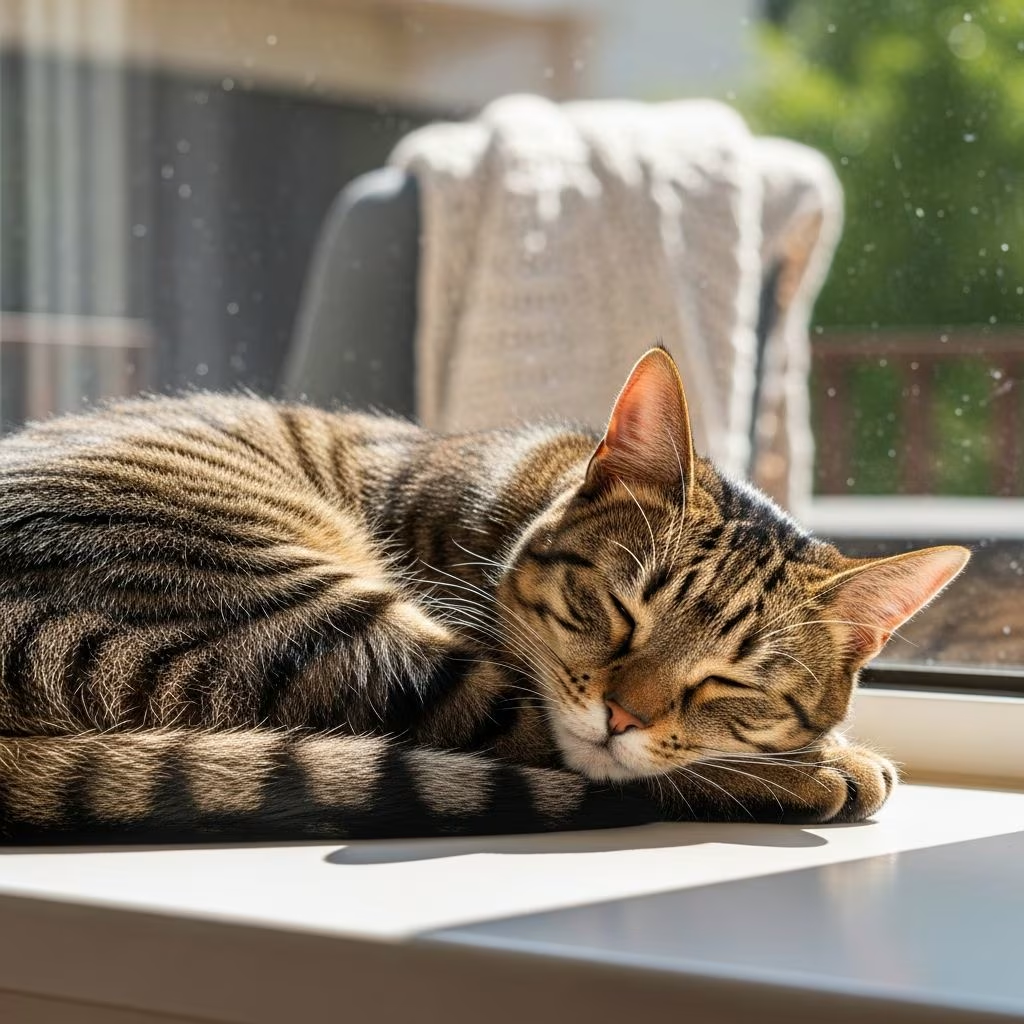
Cats maintain a normal body temperature between 99°F and 102.5°F (37.2°C to 39.2°C), higher than the human average of 98.6°F, allowing them to prefer warmer surroundings.
Understanding Feline Thermoregulation
Felines possess a unique thermoneutral zone, the range where they neither shiver nor pant to regulate heat, spanning 86°F to 101°F (30°C to 38°C). This explains why cats often seek sunlit spots or curl into tight balls in cooler rooms, as standard human-comfort levels around 68°F to 72°F feel chilly to them.
Their fur acts as insulation, trapping body heat effectively, while behaviors like grooming and stretching aid in dissipating excess warmth. Kittens, seniors, and certain breeds deviate from these norms due to thinner coats or metabolic differences.
Optimal Indoor Temperatures for Feline Comfort
For indoor cats, aim for 65°F to 75°F (18°C to 24°C) as a baseline for relaxation and activity. Within this, provide variety: warmer zones near radiators or windows for lounging, and cooler tiles or elevated beds for respite.
| Temperature Range (°F) | Safety Level | Cat Response |
|---|---|---|
| 65-75 | Ideal | Active, relaxed, normal grooming |
| 75-80 | Acceptable | May seek shade; monitor hydration |
| 80-99 | Caution | Increased panting risk; ensure airflow |
| Above 100 | Dangerous | Heatstroke possible; cool immediately |
When Heat Becomes a Hazard
Temperatures exceeding 80°F indoors warrant vigilance, especially without ventilation. Cats tolerate up to 85°F-90°F briefly if healthy, but prolonged exposure risks hyperthermia above 103°F. Brachycephalic breeds like Persians struggle more due to airway restrictions.
Signs of overheating include rapid breathing, drooling, lethargy, and red gums. Prevent by offering ice water, fans, or damp towels. Never leave cats in cars or enclosed spaces where temps soar rapidly.
Navigating Cold Weather Challenges
Below 60°F, discomfort sets in for many cats, with risks escalating under 45°F and hypothermia likely below 32°F. Vulnerable groups—seniors with arthritis, hairless breeds like Sphynx, or underweight felines—shiver earliest around 50°F-60°F.
- Shivering or hunching: Early cold stress indicator.
- Lethargy and poor appetite: Body conserving energy.
- Cold extremities: Ears and paws signal frostbite risk.
- Restlessness or vocalizing: Seeking heat sources.
Outdoor ferals adapt with thicker winter coats, but no cat withstands prolonged freezes.
Breed-Specific Temperature Preferences
Coat density and origin influence tolerance. Siberian or Norwegian Forest Cats thrive in colder climates down to 32°F briefly, thanks to water-repellent double coats. Conversely, Siamese prefer 86°F+ in their thermoneutral zone and may shiver below 75°F.
Sphynx demand heated beds or clothing year-round, as their minimal fur offers scant protection. Long-haired Persians fare better in cold but overheat faster in summer humidity.
Seasonal Home Adjustments for Cats
Summer Cooling Strategies
Run AC at 75°F-78°F when absent, supplementing with fans for circulation. Frozen treats like tuna ice cubes or wet food encourage hydration. Groom regularly to remove undercoat, enhancing airflow to skin.
- Provide shaded retreats and multiple water bowls.
- Use cooling mats or window films to block solar gain.
- Avoid direct sun during peak hours (10 AM-4 PM).
Winter Warming Solutions
Insulate drafty areas and set heaters to 68°F-72°F minimum. Self-warming beds, heated pads (low-voltage, chew-proof), or microflannel blankets mimic body heat retention.
- Cardboard boxes lined with mylar emergency blankets trap warmth.
- Place food and litter in warmed zones to encourage movement.
- Monitor for icy outdoor excursions.
Creating a Multi-Zone Environment
Designate areas for choice: a sunny perch with a fleece pad for warmth, cool linoleum corners with gel mats for cooling. This respects their 86°F-101°F preference without overheating the whole home.
Smart thermostats allow scheduling warmer nights (70°F+) and cooler days. Humidity control prevents dry air cracking paws or worsening respiratory issues.
Health Monitoring and Veterinary Insights
Rectal temperature via digital thermometer confirms normalcy (100°F-103°F); lubricate tip with petroleum jelly for ease. Above 104°F signals emergency; below 99°F requires warming gradually.
Annual vet checks assess coat health, obesity, or thyroid issues affecting thermoregulation. Vaccinations and flea preventives guard against parasites worsening heat loss.
Frequently Asked Questions
What is the best house temperature for cats?
65°F-75°F suits most indoors, with access to warmer spots up to 86°F.
Can cats overheat at 80°F?
Yes, especially low-airflow; watch brachycephalic breeds closely.
How cold is unsafe for cats outdoors?
Below 45°F risks issues; under 32°F threatens hypothermia.
Do fans cool cats effectively?
They promote evaporation via airflow, aiding alongside AC.
Should I shave my long-haired cat in summer?
No; fur insulates against heat. Brush instead.
Daily Routines for Temperature Balance
Incorporate play in cooler morning hours, naps in warm afternoons. Observe preferences: some burrow under blankets at 70°F, others sprawl on vents at 80°F. Adjust bedding seasonally—thicker fills in winter, breathable linens in summer.
For multi-pet homes, balance dog (68°F-95°F TNZ) and cat needs with zoned heating. Track utility bills; energy-efficient windows reduce drafts without cranking heat.
Traveling? Portable heated carriers or cooling vests maintain stability. Community cats benefit from insulated shelters with straw bedding, elevating above snow.
References
- What Temperature Do Cats Like? — Hill’s Pet Nutrition. 2024. https://www.hillspet.com/cat-care/routine-care/what-temperature-do-cats-like
- How Hot Is Too Hot for Cats? — Chewy. 2024. https://www.chewy.com/education/cat/health-and-wellness/how-hot-is-too-hot-for-cats
- What’s The Ideal Temperature For A Cat? — TheCatSite. 2024-10-01. https://thecatsite.com/c/ideal-temperature-for-cat/
- How Cold Is Too Cold for Cats? — PetMD. 2024. https://www.petmd.com/cat/general-health/how-cold-is-too-cold-for-cats
- Can We Keep Our Cats Warm Enough? — AVSAB. 2024. https://avsab.org/can-we-keep-our-cats-warm-enough/
- How Hot Is Too Hot for Cats? — Aspen Veterinary Hospital. 2024. https://www.aspenvetflagstaff.com/services/cats/blog/how-hot-too-hot-cats-your-guide-caring-outdoor-cats-temperatures-rise
- Taking Your Pet’s Temperature — VCA Animal Hospitals. 2024. https://vcahospitals.com/know-your-pet/taking-your-pets-temperature



