

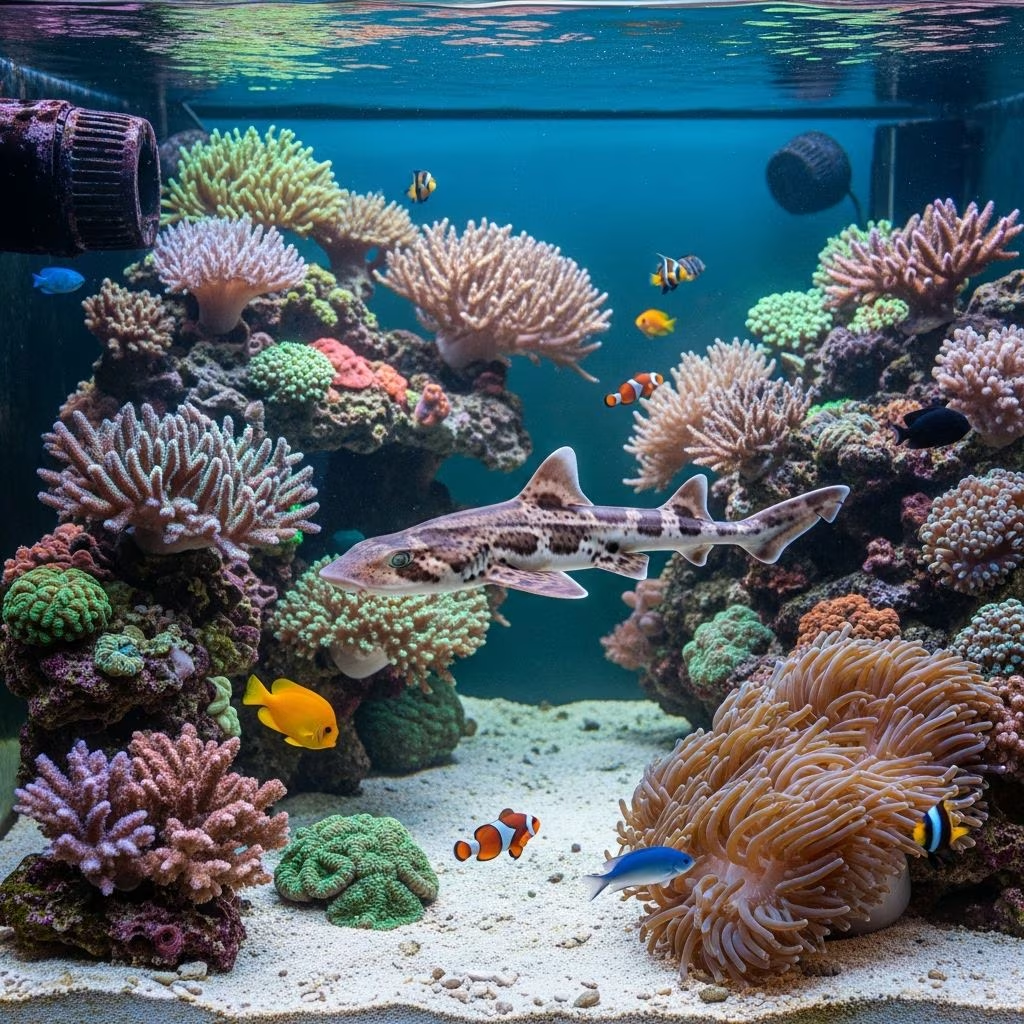
Ideal Sharks for the Saltwater Aquarium
Keeping sharks in a saltwater aquarium is an exciting and rewarding experience for experienced aquarists. However, sharks are not beginner-friendly fish and require extensive knowledge, proper planning, and significant resources to thrive in captivity. Before bringing a shark into your home aquarium, it is essential to understand the specific needs of different shark species, including their tank size requirements, feeding habits, temperament, and longevity. This comprehensive guide will help you explore the various shark species suitable for saltwater aquariums and provide critical information for their successful care.
Understanding Shark Behavior and Classification
Sharks can be classified into three main behavioral categories based on their natural habitat and swimming patterns. Understanding these classifications is crucial for determining the appropriate tank setup and care requirements for your shark.
Bottom-Dwelling Sharks: These benthic sharks spend most of their time on or near the aquarium floor. They are generally more manageable for home aquariums due to their reduced space requirements compared to other shark types. Bottom-dwelling sharks often rest on the substrate and may use their pectoral fins to move along the tank bottom.
Pelagic Sharks: These sharks naturally inhabit the open ocean and require substantial swimming space. Pelagic sharks are highly active and need large tanks to prevent stress and behavioral issues. These species are typically not recommended for home aquariums due to their extensive space and feeding requirements.
Semi-Pelagic Sharks: These species live in the water column while remaining associated with coastal zones or areas near land. Semi-pelagic sharks require moderate tank sizes and are sometimes more adaptable to aquarium life than fully pelagic species.
Popular Saltwater Shark Species for Aquariums
Several shark species have proven more suitable for captive care than others. The following species are among the most commonly kept in saltwater aquariums:
Epaulette Sharks (Hemiscyllium ocellatum)
The Epaulette shark is native to Northern Australia and New Guinea, featuring a light tan body with brown bands and distinctive black spots. These bottom-dwelling sharks are nocturnal, meaning they are most active during nighttime hours and may appear inactive during the day. One of their unique characteristics is their ability to “walk” along the aquarium floor using their ventral fins.
Epaulette sharks can live 20-25 years in captivity, making them a long-term commitment. They can grow up to 42 inches and require a minimum of 350 gallons of water per individual. When keeping multiple Epaulette sharks, single-sex groups are preferable. These sharks need a robust filtration system and sandy substrate for bottom living. Ensure adequate open substrate space at the tank bottom, as they are bottom dwellers. Tank decorations should be carefully selected to avoid sharp edges that could injure their skin.
Cat Sharks (Various Species)
Cat sharks represent over 150 different species named for their characteristic whisker-like barbels at the front of their mouths. Common species include the Coral Catshark, Australian Marbled Catshark, and Banded Sand Catshark. These sharks are generally small to medium-sized, though the largest species can grow up to 60 inches.
Cat sharks typically require 500 gallons or more for a single individual, depending on the specific species. Before acquiring a cat shark, thorough research is essential to understand the correct environmental conditions and specific dietary needs for your chosen species. These sharks have varied requirements, and providing inappropriate conditions can lead to stress and health problems.
Horn Sharks (Heterodontus francisci)
Horn sharks are named for the distinctive spines located at the leading edge of their dorsal fins. These spines require special handling precautions when working with the fish. Horn sharks typically display brown coloration on their backs with tan undersides and dark spots scattered throughout their bodies.
Like many bottom-dwelling shark species, horn sharks are primarily nocturnal and prefer to hide in caves and crevices during daylight hours. Tank design should include appropriate hiding spaces to reduce stress. These sharks have specific dietary requirements and benefit from a varied diet including crustaceans and mollusks.
Short Tail Nurse Sharks (Pseudoginglymostoma brevicaudatum)
The Short Tail Nurse Shark is the smallest member of the Nurse Shark family, reaching only 30 inches in length. Native to the Western Indian Ocean, these relatively peaceful sharks feature dark brown coloration. They are named for their uniquely shortened extra fin before the tail, which distinguishes them from other nurse shark species.
Short Tail Nurse Sharks are long-lived, with some individuals living over 30 years in captivity. Their peaceful temperament and smaller size make them one of the better options for shark aquariums. These bottom dwellers require adequate space and proper water conditions to thrive.
Speckled Carpet Sharks (Hemiscyllium trispeculare)
Native to Australia, the Speckled Carpet Shark is a benthic species featuring tan and brown banded coloration. These sharks display characteristic ocelli or “epaulettes”—dark round patches with light borders—positioned right behind their pectoral fins. The distinctive markings serve as identifying features.
Speckled Carpet Sharks possess small, rounded pectoral and pelvic fins that enable them to “walk” along the aquarium bottom. This walking behavior is a fascinating adaptation that allows them to move efficiently across the substrate. Like other carpet sharks, they are primarily bottom dwellers requiring sandy substrate and adequate space.
Tank Size and Setup Requirements
| Shark Species | Maximum Size | Minimum Tank Size | Filtration | Substrate Type |
|---|---|---|---|---|
| Epaulette Shark | 42 inches | 350 gallons (individual) | Robust system required | Sandy substrate |
| Cat Shark Species | 60 inches (max) | 500+ gallons (individual) | High-capacity system | Sandy/fine substrate |
| Horn Shark | Varies by species | 400+ gallons | Robust system required | Sandy substrate with caves |
| Short Tail Nurse Shark | 30 inches | 350+ gallons | Excellent filtration | Sandy substrate |
| Speckled Carpet Shark | 30 inches | 350+ gallons | High-quality system | Sandy substrate |
Water Quality and Environmental Conditions
Maintaining pristine water quality is absolutely critical for shark health. Sharks are sensitive to fluctuations in pH, temperature, and salinity. Consistent water parameters help prevent stress and disease. A robust filtration system capable of handling the biological load produced by sharks is essential. Many shark species require cooler water temperatures than typical tropical fish, making chiller units necessary for year-round care.
Adequate aeration and water circulation are important for maintaining oxygen levels throughout the tank. Powerheads and circulation pumps help ensure even distribution of nutrients and oxygen. Regular water testing and partial water changes help maintain stable conditions. Weekly or bi-weekly testing of ammonia, nitrite, nitrate, pH, and salinity is recommended for tanks with sharks.
Best Beginner Saltwater Sharks
If you have determined that you are ready for the commitment of shark ownership, certain species are more suitable for those beginning their shark-keeping journey. The Short Tail Nurse Shark and Epaulette Shark are recommended as the best starter species. Both species are relatively docile compared to other sharks and can be kept in small groups, preferably of the same sex to minimize aggression.
Both beginner-friendly species are nocturnal, so expect minimal daytime activity. Both species prefer bottom feeding, making feeding time more manageable and reducing competition with other tank inhabitants. These species tolerate captive conditions better than more aggressive or demanding shark species, though they still require significant knowledge and resources to maintain successfully.
Smallest Saltwater Sharks for Aquariums
For aquarists with space constraints, several smaller shark species are available. The smallest saltwater sharks suitable for captivity include the Spotted Bamboo Shark, Short Tail Nurse Shark, and Speckled Carpet Shark, all maxing out around 30 inches in length. While these species are smaller than many other sharks, they still require substantial tank volume—typically 350 gallons or more—and comprehensive care.
Smaller sharks still demand excellent water quality, appropriate feeding, and species-specific environmental conditions. Size alone does not indicate ease of care; even smaller sharks require expertise and dedication from their caretakers.
Feeding Requirements and Diet
Different shark species have varied dietary needs based on their natural feeding habits. Many captive sharks prefer live or freshly frozen food items including fish, crustaceans, and mollusks. Some sharks adapt to frozen food diets, while others require live prey to stimulate feeding responses. Common food items include silversides, squid, shrimp, and occasionally small fish.
Feeding frequency varies by species and individual shark. Young sharks typically require more frequent feeding than adults. Establish a consistent feeding schedule and monitor your shark’s body condition to ensure proper nutrition. Overfeeding can compromise water quality and lead to obesity, while underfeeding causes malnutrition and stress.
Compatibility with Other Fish and Invertebrates
Most shark species are predatory and will consume smaller fish and invertebrates. Carefully consider any additional fish or invertebrates before introducing them to a shark tank. Tank mates should be similar in size or too large to be viewed as prey. Some sharks are more aggressive than others, and compatibility varies by individual. Bottom-dwelling sharks are generally less aggressive toward fish in the water column, but no shark is completely safe with all tank mates.
Avoid housing sharks with aggressive or fin-nipping species that could cause stress or injury. Invertebrates such as crabs and shrimp are typically consumed by sharks and should not be kept together. Research the specific behavioral tendencies of your chosen shark species before selecting tank mates.
Care Difficulty and Experience Requirements
There is no “easy care” shark species. Any shark species requires considerable planning, preparation, patience, and advanced care. No shark should be kept on a whim or impulse. These are very demanding aquarium species and should only be kept by experienced aquarists with considerable saltwater aquarium experience.
Shark ownership demands a thorough understanding of shark biology, behavior, nutrition, and environmental requirements. Prospective shark owners should have years of experience with other saltwater fish species before attempting shark care. The financial investment in proper tank setup, filtration, and ongoing maintenance is substantial.
Décor, Hiding Spaces, and Tank Arrangement
Bottom-dwelling sharks require adequate hiding spaces and appropriate tank décor. Caves, rock formations, and carefully placed decorations provide security and reduce stress. Decorative items should have smooth edges to prevent damaging the shark’s delicate skin. Many sharks benefit from dim lighting or areas with reduced light intensity, particularly nocturnal species.
Tank arrangement should include open substrate areas for bottom-dwelling sharks to rest and move naturally. Avoid overcrowding with decorations, which can impede movement and create stress. The tank bottom should be primarily substrate with selective placement of caves and hiding structures rather than a heavily decorated environment.
Long-Term Considerations and Commitment
Sharks are long-lived animals, with many species living 20-30 years or longer in captivity. This represents a significant long-term commitment spanning decades. Before acquiring a shark, ensure you can provide consistent care for its entire lifespan. Moving or environmental changes can stress sharks and negatively impact their health.
Consider the financial commitment involved in maintaining proper water quality, purchasing appropriate food, and addressing any health issues that arise. Veterinary care for sharks can be expensive and requires finding a veterinarian experienced with marine species. The combined expenses of tank maintenance, equipment, food, and potential medical care represent a substantial ongoing investment.
Frequently Asked Questions (FAQs)
Q: Can sharks be kept in home aquariums?
A: Yes, certain shark species can be kept in home aquariums by experienced aquarists, though they require large tanks (typically 350+ gallons), excellent water quality, and extensive knowledge of shark behavior and care.
Q: What is the best shark for beginners?
A: The Short Tail Nurse Shark and Epaulette Shark are recommended for beginners due to their relatively docile nature, smaller size compared to other sharks, and tolerance for captive conditions. However, these species still require significant expertise and resources.
Q: How large of a tank do I need for a shark?
A: Minimum tank size depends on the species but typically ranges from 350 to 500+ gallons for a single shark. Larger species and multiple sharks require proportionally larger tanks. Research your specific species for exact requirements.
Q: How long do sharks live in captivity?
A: Most shark species kept in aquariums live 20-30+ years with proper care. Some individuals may live even longer, making shark ownership a multi-decade commitment.
Q: What do aquarium sharks eat?
A: Sharks eat various foods depending on their species, including frozen fish (silversides), squid, shrimp, and live prey. Most sharks are carnivorous and require whole food items rather than pellets or processed foods.
Q: Can sharks live with other fish?
A: Sharks can live with other fish if tank mates are appropriately sized to avoid predation. Most sharks will eat smaller fish, crustaceans, and invertebrates, so compatibility must be carefully considered before tank mates are introduced.
Q: Do sharks require special lighting?
A: Most sharks do not require special lighting. Many species are nocturnal and prefer dim lighting conditions. Standard aquarium lighting is typically adequate, though some species benefit from reduced light intensity.
Q: What filtration system do sharks need?
A: Sharks require robust, high-capacity filtration systems capable of handling significant biological waste. Combination of mechanical, biological, and chemical filtration is recommended. Regular maintenance and filter media replacement are essential.
References
- Top Saltwater Shark Species for Aquariums — PetMD. 2024. https://www.petmd.com/fish/top-saltwater-shark-species-aquariums
- Sharks for the Aquarium and Considerations for Their Selection — University of Florida IFAS Extension. https://edis.ifas.ufl.edu/publication/FA179
- Shark Species — Shark Research Institute. https://www.sharks.org/species



