

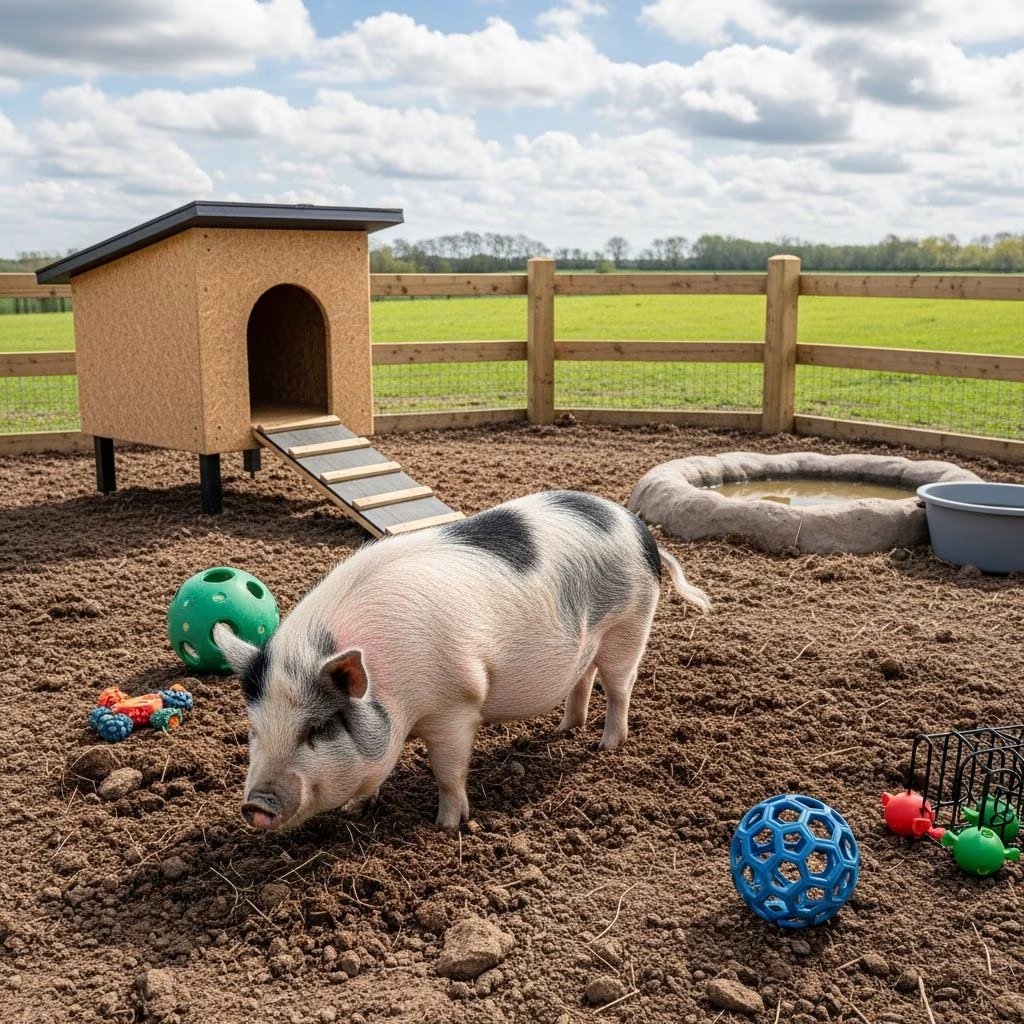
Potbellied pigs make engaging and intelligent companions, but their unique needs demand thoughtful housing arrangements to promote physical health, mental stimulation, and social well-being. Whether keeping them primarily indoors, outdoors, or in a hybrid setup, owners must prioritize ample space, secure boundaries, comfortable resting areas, and protection from environmental hazards. This guide outlines proven strategies for establishing a pig-friendly habitat that supports their natural behaviors like rooting, foraging, and socializing.
Understanding Space Requirements for Healthy Living
Adequate space prevents obesity, boredom-induced stress, and behavioral issues in potbellied pigs. These animals are active foragers by nature, requiring room to explore, exercise, and express instincts without confinement. For one or two mini pigs living primarily indoors, a minimum of 5,663 square feet (about 0.13 acres) is recommended, scaling up to 10,890 square feet (0.25 acres) for outdoor-focused setups to allow foraging on grass and bugs. Indoor-only pigs benefit from dedicated rooms or sections, while outdoor pigs need expansive yards with varied terrain.
| Setup Type | Minimum Space (1-2 Pigs) | Key Features |
|---|---|---|
| Primarily Indoor | 5,663 sq ft (0.13 acre) | Pig-proofed rooms, rooting boxes, daily walks |
| Primarily Outdoor | 10,890 sq ft (0.25 acre) | Secure fencing, shade, wading pools |
| Hybrid | 12 sq m (130 sq ft) base + yard | Indoor access + outdoor exercise area |
Larger pigs demand proportionally more area—roughly 0.5 square feet per kilogram of body weight—to avoid overcrowding, which can lead to stereotypical behaviors like pacing or aggression.
Designing Secure Outdoor Enclosures
Outdoor living suits many potbellied pigs, mimicking their ancestral habitats while providing exercise opportunities. A spacious yard with secure fencing is essential to prevent escapes and deter predators. Fences should be at least 4-5 feet high, buried 12 inches underground, and reinforced with electric wire for extra security. Include shaded zones, natural rooting spots, and hard surfaces like pavers to naturally wear down hooves.
- Constant access to clean, fresh water via large troughs or automatic fillers.
- A child-sized wading pool or mud wallow for cooling and skin health.
- Varied terrain: grass for grazing, dirt for rooting, and shelters scattered throughout.
- Daily waste removal to maintain hygiene and reduce parasite risks.
In communal settings, pigs often huddle for warmth, preferring shared spaces over isolation during cold snaps.
Indoor Housing: Pig-Proofing Your Space
Many owners integrate potbellied pigs into family homes, especially during their adorable piglet phase. Pig-proofing involves removing hazards like fragile decor, electrical cords, and toxic plants, as young pigs are agile climbers capable of leaping onto furniture. Designate a “home base”—such as a kitchen or laundry room—bounded by baby gates for easy supervision and cleanup. This area should feature durable flooring, heavy feeding bowls, and enrichment toys.
For sleeping, provide a dedicated bed with layered blankets, fleece, or aspen shavings in a draft-free corner. Avoid cedar bedding, which can irritate respiratory systems, and opt for thrift-store blankets that pigs enjoy rearranging. Indoor pigs need at least one hour of supervised exercise daily, supplemented by harness walks if yard space is limited.
Seasonal Shelter and Temperature Management
Potbellied pigs are sensitive to extremes: piglets thrive at 84°F (28°C), weanlings at 75°F (24°C), and adults prefer 68-75°F (20-24°C). Year-round shelters must be draft-free, spacious enough for turning around, and elevated to stay dry.
- Winter: Insulated huts with deep straw bedding, supplemental heat if below 50°F, and group housing for body warmth.
- Summer: Shaded structures, misters, pools, and light-colored roofs to combat heat; avoid cars or direct sun.
- Transitional: Tarps or umbrellas for quick shade adjustments; monitor for humidity-related skin issues.
Outdoor options include modified doghouses (“pigloos”), barns, or natural caves, always with multiple units for choice in group settings.
Enrichment and Mental Stimulation Essentials
Boredom leads to destructive rooting or escapism in intelligent potbellied pigs. Combat this with a rotation of toys: sturdy balls, mirrors, hanging ropes, and rooting boxes filled with soil or treats. Outdoor yards should offer foraging opportunities, like scattered veggies or puzzle feeders. Indoor setups benefit from designated rooting zones to channel natural digging urges away from carpets.
Socialization is key—pigs are herd animals who bond with humans, other pigs, or even dogs. Pairs or small groups reduce loneliness, but introduce companions gradually under supervision.
Health and Hygiene Protocols
A clean environment wards off common issues like intestinal parasites (e.g., roundworms), which necessitate routine fecal exams. Scoop waste twice daily, use odor neutralizers, and rotate exercise areas to prevent overgrazing or mud pits. Hoof maintenance occurs naturally on concrete, but trim as needed. Vaccinations, deworming, and vet checkups ensure longevity.
Common Mistakes and Solutions
| Mistake | Consequence | Solution |
|---|---|---|
| Inadequate fencing | Escapes, predator attacks | Reinforce with buried mesh and electric top |
| Poor bedding | Chills, joint pain in seniors | Deep straw or fleece nests |
| Insufficient exercise | Obesity, aggression | Daily hour-long sessions + walks |
| Overcrowding | Stress behaviors | Scale space to weight and number |
Frequently Asked Questions (FAQs)
Can potbellied pigs live solely indoors?
Yes, with pig-proofing, ample space, and outdoor walks, but they benefit from yard access for natural behaviors.
How do I protect outdoor pigs from predators?
Use high, buried fencing, secure locks, and motion lights; house in pairs for mutual vigilance.
What bedding is safest for my pig?
Fleece blankets, straw, or aspen shavings; avoid cedar and ingestible fabrics.
Do potbellied pigs need companions?
They thrive socially, preferring pig pairs over solitude, though human interaction suffices for some.
How much daily exercise is required?
At least one hour, split into sessions, with walks or yard romps.
Daily Care Routine Table
| Time | Activity | Purpose |
|---|---|---|
| Morning | Feed, fresh water, waste scoop | Nutrition, hygiene |
| Midday | Exercise/play session | Physical/mental health |
| Afternoon | Enrichment toy rotation | Prevent boredom |
| Evening | Check shelter/bedding, second exercise | Comfort, wind-down |
By implementing these housing principles, potbellied pig owners create nurturing environments that foster joyful, healthy lives for their porcine friends. Regular observation and adjustments based on your pig’s age, size, and preferences ensure optimal welfare.
References
- Basic Care: Potbelly Pigs — Arizona Exotic Animal Hospital. Accessed 2026. https://azeah.com/pot-bellied-pigs/basic-care-potbelly-pigs
- Housing and Environment for Your Mini-Pig — VCA Animal Hospitals. Accessed 2026. https://vcahospitals.com/know-your-pet/housing-and-environment-for-your-mini-pig
- Housing Your Pigs — American Mini Pig Association. Accessed 2026. https://americanminipigassociation.com/housing-your-pigs/
- A Guide to Potbellied Pigs as Pets — Best Friends Animal Society. Accessed 2026. https://bestfriends.org/pet-care-resources/guide-potbellied-pigs-pets
- Living Accommodations — North American Pet Pig Association. Accessed 2026. https://petpigs.com/education/pig-care/living-accommodations/



