

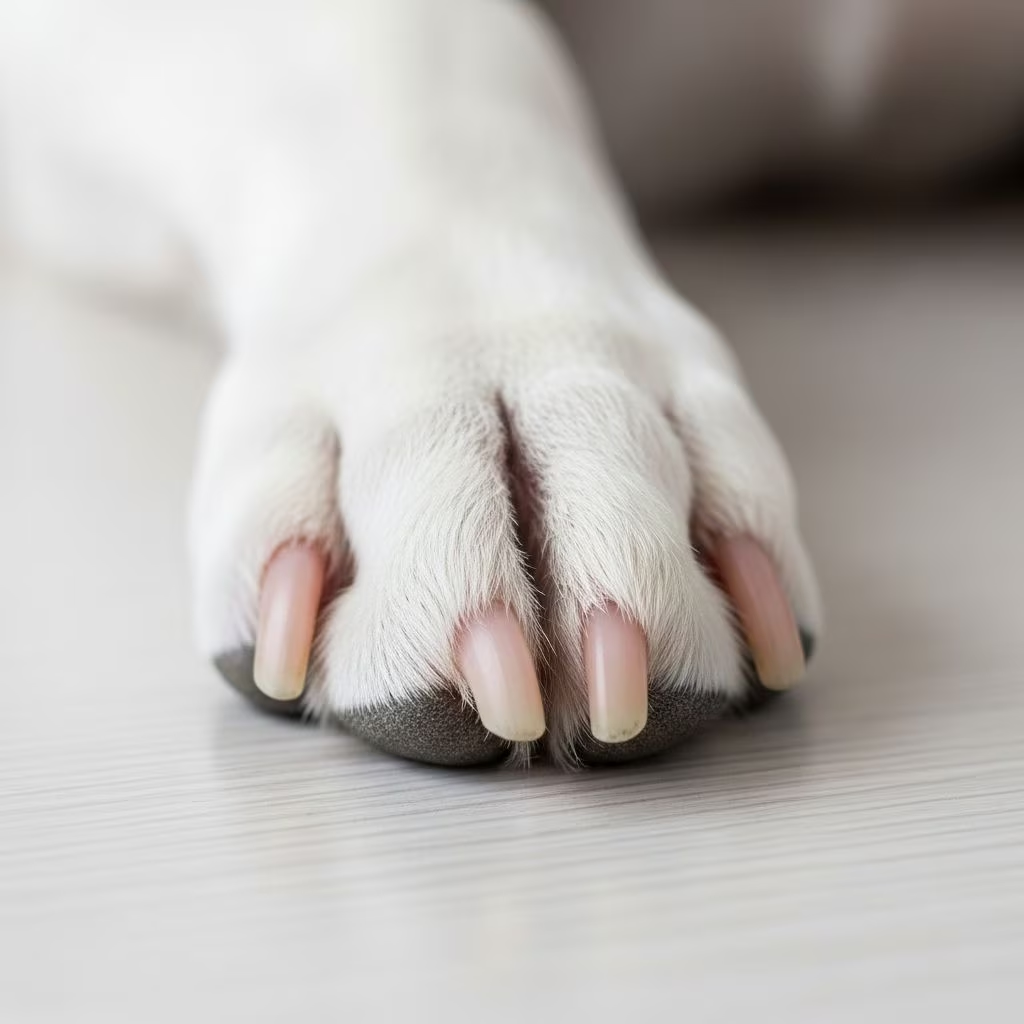
Keeping your dog’s nails at the proper length is essential for their overall mobility and comfort. Nails that are too long can lead to pain, altered gait, and long-term joint problems, while properly trimmed nails support natural movement and paw health. This guide explores everything you need to know about achieving the right nail length through observation, trimming techniques, and maintenance routines.
Understanding Perfect Nail Length for Dogs
The optimal dog nail length ensures they do not contact the ground when your dog stands squarely on a flat surface. Ideally, nails should hover about 1-2 mm above the floor, allowing slight contact only during strides for traction on inclines. This positioning prevents pressure on the nail bed, which can cause soreness, and maintains proper joint alignment.
Visualize a dog standing naturally: the nails curve slightly upward without touching down. If you hear a clicking sound on hard floors or see nails splaying outward, they have overgrown. For dewclaws—the higher claws on the legs—keep them even shorter to avoid snags and tears, as they lack ground support and are prone to injury.
| Sign | Ideal State | Too Long Indicator |
|---|---|---|
| Ground Contact (Standing) | Hovers 1-2mm above | Touches or drags |
| Sound on Hard Floors | Silent steps | Clicking noise |
| Paw Appearance | Nails curve up | Splay outward |
| Dewclaws | Short, retracted | Extended, risky |
Health Risks of Overgrown Dog Nails
Excessively long nails force dogs to shift weight backward, stressing joints like the elbows, hocks, and spine. Over time, this unnatural posture contributes to arthritis and mobility decline. The constant ground friction also irritates the nail bed, making paws sensitive to touch and increasing infection risks from splits or cracks.
Inactive dogs or those on soft surfaces suffer most, as natural wear doesn’t occur. Puppies and seniors are particularly vulnerable; short nails promote confident movement, reducing slip-and-fall incidents. Regular checks prevent these issues, ensuring your dog walks with ease.
Identifying the Nail Quick
The quick is the sensitive inner core containing blood vessels and nerves, visible as a pink area in light nails. Trim to leave 2-3 mm clearance to avoid bleeding and pain. For dark nails, look for a chalky white layer signaling proximity—stop there and file cautiously.
- Light Nails: See pink quick clearly; clip below it at a 45-degree angle.
- Dark Nails: Trim tips gradually (1-2 mm per cut), pausing to check for moisture or paling.
- Overgrown Quicks: Frequent trims recede the quick over weeks, shortening nails safely.
If you nick the quick, apply styptic powder or cornstarch to staunch bleeding, and reassure your dog—most recover quickly but remember the discomfort.
Safe At-Home Nail Trimming Techniques
Start with positive associations: handle paws daily, introduce clippers with treats. Use sharp, quality tools like plier-style clippers with safety guides or a rotary grinder (Dremel) for smooth edges.
- Prepare: Calm environment, non-slip mat, helper if needed.
- Position Paw: Firm but gentle hold; extend nail forward.
- Clip Small Amounts: Below quick or to guide; angle mimics natural curve.
- File/Grind: Smooth edges, expose more quick safely.
- Reward: High-value treats post-session.
For black nails, use low light or a flashlight underneath to spot the quick’s shadow. Multiple short sessions beat one long ordeal.
How Frequently Should You Trim Dog Nails?
Frequency varies by lifestyle: active dogs on pavement may need trims every 4-6 weeks, while house dogs require every 2-3 weeks. Weekly light trims maintain short quicks and ease the process. Check weekly: if clicking starts, act immediately.
- High Activity (Pavement Walks): Monthly or less.
- Low Activity (Carpets/Grass): Every 3 weeks.
- Maintenance: Weekly for receding quicks.
Puppies need gentle trims bi-weekly to shape growth; seniors benefit from professional help if arthritic.
Tools and Products for Effective Trimming
Invest in reliable gear:
| Tool | Best For | Tips |
|---|---|---|
| Plier Clippers (e.g., Miller’s Forge) | Quick cuts | Red/orange handles; sharp blades. |
| Guillotine Style | Small breeds | Use with guide. |
| Dremel/Grinder | Dark nails, finishing | Low speed; short bursts. |
| Nail File | Smoothing | Manual for control. |
| Styptic Powder | Accidents | Essential kit item. |
Avoid dull clippers—they crush nails painfully.
Special Considerations for Different Dogs
Breed matters: heavy breeds like Mastiffs need robust tools; sighthounds have curved nails requiring angle awareness. Dark-nailed breeds (Labs, Pugs) demand patience.
For anxious dogs, sedatives or vets are options. Multi-dog homes benefit from routines tying trims to baths or meals.
Professional Grooming vs. Home Care
Home trimming saves money and builds bonds but requires practice. Vets or groomers handle tough cases (overgrown, quick-heavy nails) with sedation if needed. Hybrid approach: pro for initial shorten, home for upkeep.
Frequently Asked Questions (FAQs)
What if my dog’s nails bleed during trimming?
Apply pressure with styptic or flour; it stops in seconds. Monitor for infection.
Can walking on concrete replace trimming?
It helps but doesn’t suffice for all; check length regularly.
How do I trim a wiggly puppy’s nails?
Tire them with play, use distractions, clip during sleep if safe.
Are there nail caps as an alternative?
They cover but don’t shorten; use for protection, not length control.
What if nails are extremely overgrown?
See a vet for safe reduction over sessions.
Long-Term Benefits of Proper Nail Maintenance
Consistent care enhances gait, prevents injuries, and boosts paw sensitivity for agility. Dogs with trimmed nails are more playful and less prone to slips, improving quality of life across ages.
Integrate checks into daily walks: a quick glance confirms health. Your vigilance ensures pain-free adventures.
References
- How Long Should Dog Nails Be? — Four Leaf Rover. 2023. https://fourleafrover.com/blogs/natural-health/how-long-should-dog-nails-be
- Proper Nail Length And Care — Ideal Companion Dog Training. 2020-04-01. https://idealcompaniondogtraining.com/2020/04/01/proper-nail-length-and-care/
- How to Trim a Dog’s Nails — VCA Animal Hospitals. 2023. https://vcahospitals.com/know-your-pet/how-to-trim-a-dogs-nails
- When Do Dogs Need Their Nails Clipped? — Walkerville Vet. 2023. https://www.walkervillevet.com.au/blog/do-dogs-need-their-nails-clipped/



