

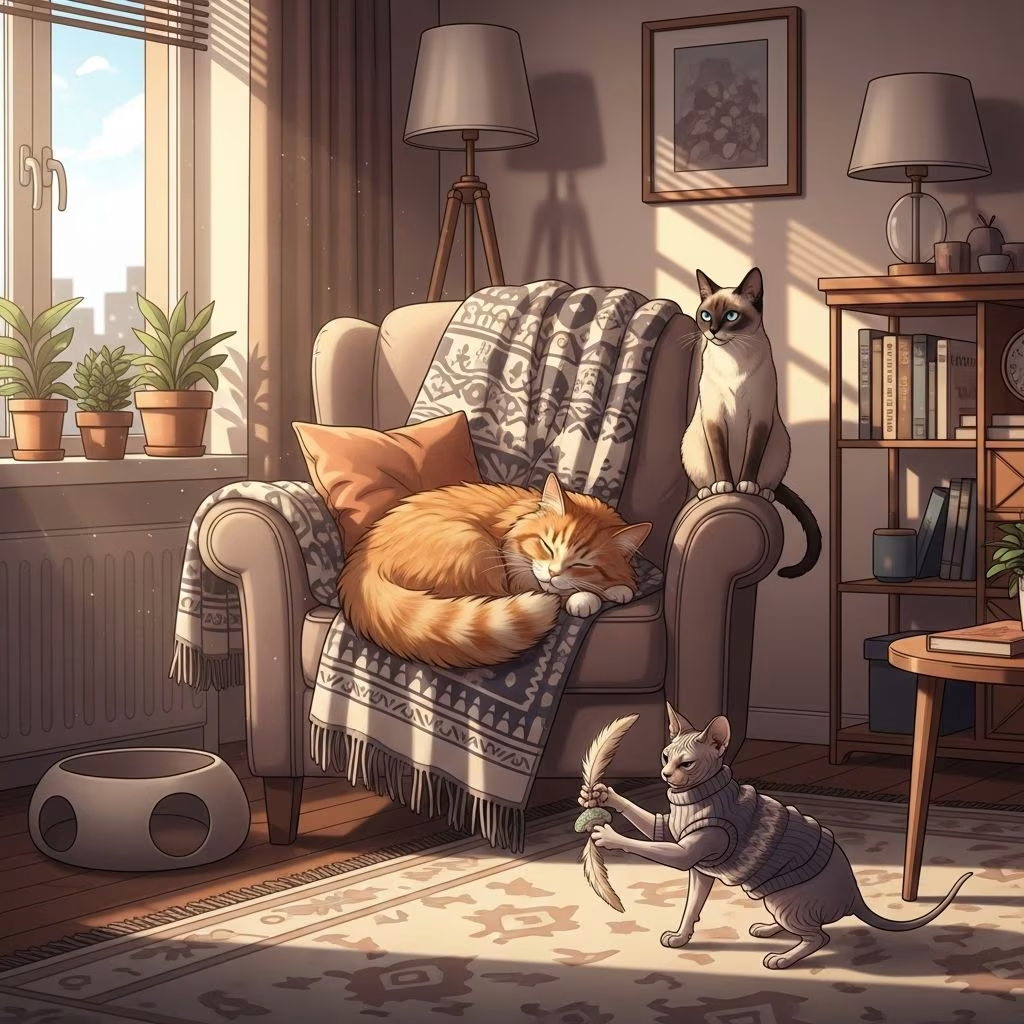
Selecting a feline companion for apartment living requires careful consideration of breed characteristics, energy levels, and behavioral traits. Not all cat breeds thrive in compact spaces, and understanding which varieties adapt well to limited square footage can help ensure a harmonious living situation for both pet and owner. This comprehensive guide explores the characteristics that make certain breeds particularly well-suited to apartment environments and highlights specific varieties that consistently perform well in these settings.
Understanding Apartment-Friendly Cat Traits
Before examining specific breeds, it is important to understand the qualities that distinguish apartment-suitable cats from those requiring larger living spaces. Cats that excel in apartments typically exhibit lower activity requirements, maintain relatively quiet dispositions, and possess independent temperaments that allow them to be content during periods when their owners are away. Additionally, breeds that do not require extensive grooming or create excessive noise through vocalization tend to be better neighbors in multi-unit housing situations.
The ideal apartment cat demonstrates moderate to low energy levels, enjoys relaxing in confined spaces, and bonds with their owners without demanding constant attention or entertainment. These cats are often described as laid-back or composed, preferring quiet environments to chaotic, stimulating ones. Size matters less than temperament, as some large breeds remain perfectly content in small spaces when their emotional and behavioral needs align with apartment living.
Calm and Affectionate Companions
Ragdoll Cats: Gentle Giants with Docile Temperaments
Ragdoll cats represent one of the most popular choices for apartment dwellers seeking a larger feline with a gentle disposition. These striking cats feature long, silky coats and distinctive blue eyes, but their most appealing characteristic is their remarkably calm and affectionate nature. Ragdolls are known for their tendency to go limp when picked up, a trait that inspired their breed name and reflects their overall docility.
What makes Ragdolls particularly suitable for apartments is their contentment with lounging and their strong desire to be near their humans. These cats eagerly greet owners at the door, follow them from room to room, and thrive on cuddle time. Despite their size, Ragdolls require minimal space to be happy because they are far more interested in companionship than exploration. They are also relatively quiet cats, which prevents disruption to neighbors in adjacent units.
Birman Cats: Velcro Companions for Close Living
Birmans combine striking appearance with exceptional suitability for apartment environments. These cats feature beautiful blue eyes and semi-long silky coats, but their true advantage for apartment living lies in their personality. Often called “velcro cats,” Birmans genuinely enjoy being close to their owners and are perfectly content spending entire days curled up on laps or nearby.
The breed’s gentle and quiet nature makes them excellent neighbors, as they are unlikely to create disturbances through excessive vocalization or destructive behavior. Additionally, Birmans require far less grooming maintenance than their coat length might suggest, as their fur resists matting. These social cats thrive when given regular attention and interaction, making them particularly suitable for owners who spend considerable time at home or enjoy an interactive relationship with their pets.
Low-Maintenance Indoor Specialists
British Shorthair: Calm and Independent
The British Shorthair stands out as an exceptional choice for apartment living due to its calm, laid-back temperament and independent nature. These stocky cats, recognizable by their plush dense coats and distinctly round faces, are not particularly active or demanding. They seem genuinely content to spend their days lounging in comfortable spots, observing their surroundings without requiring constant stimulation.
One of the primary advantages of British Shorthairs for apartment dwellers is their ability to be left alone for extended periods without developing behavioral problems. Their independent streak means they are not prone to separation anxiety or excessive vocalization. These quiet cats rarely disturb neighbors, and their moderate grooming needs make them manageable for owners with limited time. British Shorthairs also adapt readily to different living situations, making them reliable choices for renters or those in transitional housing situations.
Russian Blue: Elegant and Adaptable
Russian Blue cats demonstrate a remarkable ability to adapt to various living environments while maintaining their calm, gentle temperament. These medium-sized cats feature distinctive silver-gray coats and are known for their intelligence and slightly reserved nature. Unlike some breeds that demand constant interaction, Russian Blues balance affection with independence, bonding closely with their humans while remaining comfortable during alone time.
Their short, hypoallergenic coats require minimal grooming, reducing maintenance demands for apartment dwellers with limited time or cleaning tolerance. Russian Blues enjoy mental stimulation through interactive toys and play sessions, but these activities require minimal space. Their quiet nature and low activity levels make them particularly suitable for apartments where noise levels matter, and their adaptability means they thrive in various apartment configurations and sizes.
American Shorthair: Versatile All-Around Companions
American Shorthairs represent genuinely adaptable cats suitable for apartment living, offering a combination of easy-going temperament and low-maintenance care requirements. These sturdy, muscular cats come in various colors and patterns, and their short, dense coats require minimal grooming. Despite their hunting heritage, American Shorthairs in home environments demonstrate moderate energy levels and generally healthy, stable temperaments.
What distinguishes American Shorthairs for apartment living is their friendly but independent nature. They enjoy human companionship without becoming clingy or demanding, making them suitable for owners with variable schedules. These cats are healthy by nature, require no special grooming, and adapt well to different living situations. Their moderate energy levels mean they appreciate opportunities for climbing and play but do not require extensive space or demanding exercise routines.
Specialized Small-Space Breeds
Singapura Cats: Petite and Lively
For apartment dwellers seeking a smaller cat, Singapura cats offer a compelling option despite their high energy levels. These cats rank among the smallest domestic breeds, featuring delicate builds and proportionally large ears. Their petite size allows them to navigate limited spaces comfortably without feeling confined or developing behavioral issues related to lack of space.
Singapuras possess lively, curious personalities and enjoy interactive play and exploration within their apartments. Their small size means their play activities, climbing needs, and overall movement requirements fit comfortably within compact spaces. These engaging cats appreciate toys and interactive play sessions but require minimal area to fulfill their activity needs, making them particularly suitable for studios or one-bedroom apartments.
Cornish Rex: Active Yet Space-Efficient
Cornish Rex cats present an interesting option for apartment dwellers who appreciate more active, playful cats while still maintaining suitability for limited spaces. These distinctive cats feature slender builds and uniquely curly coats, creating an elegant, athletic appearance. Despite higher activity levels compared to other apartment-suitable breeds, Cornish Rex cats adapt well to apartment living because their vertical exploration and climbing behaviors require less horizontal space.
These cats are highly agile and enjoy exploring their environment through climbing and leaping, activities that utilize vertical space rather than extensive floor area. Their interactive nature means they engage actively with owners, providing entertainment and companionship. While they require more stimulation than calmer breeds, their energy can be well-managed through interactive toys, climbing structures, and vertical cat furniture designed for apartment environments.
Long-Haired Options for Committed Owners
Persian Cats: Luxurious and Laid-Back
Persian cats embody the ultimate low-energy apartment companion for owners willing to commit to regular grooming maintenance. These cats are famous for their luxurious long coats and distinctive flat faces, but their temperament is equally important for apartment living. Persians are extremely calm, preferring relaxed, quiet environments where they can spend extended periods lounging in sunny spots or on comfortable furniture.
The breed requires minimal space because they are genuinely content to remain sedentary throughout much of the day. They do not need extensive exploration areas or vigorous exercise, making them ideal for owners with limited square footage. However, their long coats demand regular grooming to prevent matting and maintain coat health. For apartment dwellers who appreciate a calm, decorative presence and can commit to grooming routines, Persians reward their owners with affectionate, low-demand companionship.
Exotic Shorthair: Persian Temperament, Lower Maintenance
Exotic Shorthairs offer an appealing middle ground between Persian temperament and practical apartment suitability. These cats possess the calm, sweet disposition of Persians but with significantly reduced grooming requirements thanks to their short coats. Their quiet, loyal nature makes them excellent apartment companions, and their lower maintenance needs appeal to busy owners or those in rental situations.
Exotic Shorthairs enjoy lounging and spending time with their owners, but they are not demanding or particularly vocal. Their compact, sturdy build suits apartment living, and their modest activity levels mean they thrive in limited spaces. These playful yet composed cats offer an accessible entry point for owners attracted to Persian qualities but concerned about grooming demands.
Active Breeds That Still Adapt Well
Maine Coon: Large Cats for Apartment Living
Maine Coon cats demonstrate that larger size does not preclude apartment suitability when behavioral characteristics align properly with small-space living. Despite being among the largest domestic cat breeds, Maine Coons exhibit calm, patient dispositions and gentle temperaments that facilitate apartment living. These distinctive cats feature prominent tufted ears, bushy tails, and muscular builds, but their true strength lies in their personality.
Maine Coons display remarkable social skills, genuine affection toward their humans, and curious but measured exploration behaviors. They tend to be quiet cats, avoiding excessive vocalization that might disturb neighbors. While they appreciate regular play and interaction, Maine Coons are content to live in apartments with their favorite humans, prioritizing companionship over space. Their intelligence means they enjoy interactive play sessions but do not require extensive roaming areas.
Burmese Cats: Social and Manageable
Burmese cats offer a compact, muscular build combined with sociable and interactive personalities that suit apartment environments. These cats enjoy climbing and active play but do their activity needs without overwhelming space requirements. Their social nature means they genuinely seek out human interaction and companionship, thriving in apartments where owners enjoy engaging with their pets.
Burmese cats are interactive without being hyperactive, striking a balance between entertainment-seeking and apartment suitability. Installing vertical cat furniture allows them to fulfill climbing needs while using minimal floor space. Their adaptability to apartment routines and moderate energy levels make them particularly suitable for owners seeking more interactive companions than calmer breeds provide.
Comparative Breed Characteristics
| Breed | Size | Energy Level | Grooming Needs | Social Nature | Best For |
|---|---|---|---|---|---|
| Ragdoll | Large | Low | Moderate | Highly Social | Affection-Seeking Owners |
| Birman | Medium | Low | Moderate | Highly Social | Interactive Owners |
| British Shorthair | Medium | Low | Low | Independent | Busy Owners |
| Russian Blue | Medium | Low-Moderate | Low | Moderately Social | Quiet Environments |
| American Shorthair | Medium | Moderate | Low | Moderately Social | First-Time Owners |
| Singapura | Small | High | Low | Highly Social | Studio Apartments |
| Persian | Medium | Very Low | High | Moderately Social | Patient Groomers |
| Maine Coon | Large | Low-Moderate | Moderate | Highly Social | All Apartment Sizes |
Creating an Apartment Environment for Your Cat
Selecting an appropriate breed is only half the challenge of successfully housing a cat in an apartment. Creating an enriching environment within limited space requires thoughtful planning and investment in appropriate furnishings and enrichment tools. Vertical cat furniture such as cat trees, wall-mounted shelves, and climbing structures allow cats to exercise natural climbing and perching behaviors while utilizing vertical space rather than demanding additional floor area.
Interactive toys, puzzle feeders, and window perches provide mental stimulation and entertainment without requiring extensive space. Many apartment dwellers find success with window-mounted bird feeders or bird viewing stations, which provide hours of entertainment and mental stimulation through the natural hunting interest that cats possess. Additionally, establishing consistent play routines and interactive play sessions strengthens bonding while providing necessary exercise.
Frequently Asked Questions
Can large cat breeds live comfortably in small apartments?
Yes, large breeds such as Maine Coons and Ragdolls can live comfortably in small apartments when they possess calm temperaments and bond strongly with their owners. Size matters less than energy level and behavioral characteristics. These gentle giants often prefer quiet companionship to extensive space exploration.
Which apartment cat breeds require the least grooming?
British Shorthairs, American Shorthairs, Russian Blues, and Cornish Rex cats all feature short coats requiring minimal grooming. These breeds represent excellent choices for owners with limited time or those in apartments where shedding might pose concerns.
Are apartment cats prone to obesity or behavioral problems?
Cats living in apartments may face increased obesity risk if not provided with adequate exercise opportunities and proper feeding schedules. Providing vertical climbing structures, interactive toys, and regular play sessions prevents both physical inactivity and boredom-related behavioral problems.
How do I manage cat noise in apartment living?
Selecting naturally quiet breeds such as British Shorthairs, Persians, or Russian Blues reduces noise concerns. Additionally, providing adequate environmental enrichment and attention prevents excessive vocalization caused by boredom or frustration.
What size apartment works best for cats?
Cats adapt well to apartments of various sizes when their emotional and behavioral needs are met. Even studio apartments work for appropriate breeds, though larger apartments allow for more environmental enrichment opportunities.
Conclusion: Matching Breeds to Apartment Living
Apartment living does not require foregoing feline companionship. Numerous breeds exhibit characteristics particularly well-suited to limited spaces, including calm temperaments, independent natures, and contentment with indoor-only lifestyles. Whether seeking a large, affectionate companion like a Ragdoll, an independent British Shorthair, or a petite, playful Singapura, apartment dwellers have excellent options.
The key to successful apartment cat ownership involves selecting breeds whose personalities and energy levels align with small-space living, then creating enriching environments through appropriate furniture, toys, and interaction. With thoughtful breed selection and environmental planning, apartment cats thrive as beloved, well-adjusted companions.
References
- The 6 Best Cat Breeds for Apartment Living — Happy Paws. Accessed February 2026. https://www.happypawsus.com/blogs/cat-care/the-6-best-cat-breeds-for-apartment-living
- 10 Best Cat Breeds for Apartment Living (Low-Maintenance & Lovable) — KBS Pets. Accessed February 2026. https://kbspets.com/blogs/news/10-best-cat-breeds-for-apartment-living-low-maintenance-lovable
- The 7 Best Cat Breeds for Renters — Glad Dogs Nation. Accessed February 2026. https://gladdogsnation.com/blogs/blog/the-7-best-cat-breeds-for-renting
- Breeds Suited to Apartment Living – Cats — Royal Canin. Accessed February 2026. https://www.royalcanin.com/ae/cats/thinking-of-getting-a-cat/apartment-living-cats-guide
- The Best Cat Breeds For Small Spaces — Bark and Luv. Accessed February 2026. https://barkandluv.com/blog/the-best-cat-breeds-for-small-spaces
- 11 Indoor Cat Breeds to Take Home — Tender Care Animal Hospital. 2022. https://www.tendercarepethospital.com/site/blog/2022/05/31/best-indoor-cat-breeds



