

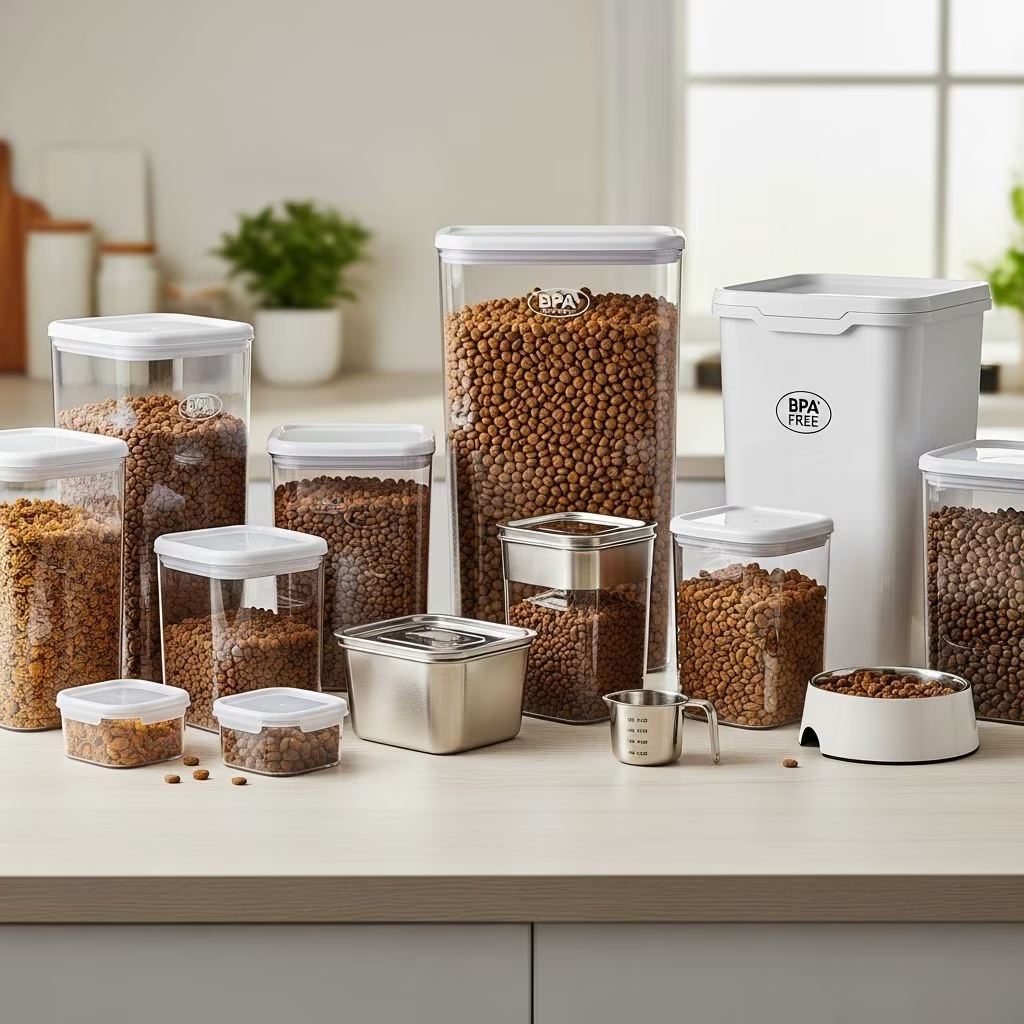
Selecting an appropriate dog food bag size might seem straightforward, but it involves multiple considerations that extend beyond simply grabbing the largest option available. The right container dimensions depend on your individual dog’s requirements, your household composition, storage capabilities, and how quickly your pet consumes the food. Understanding these factors helps ensure your furry companion receives fresh, nutritious meals while optimizing your purchasing decisions and storage efficiency.
Understanding Size Classifications and Their Purpose
Dog food packaging comes in various standardized sizes, each designed to serve different consumer needs and pet situations. Rather than a one-size-fits-all approach, manufacturers and retailers offer multiple options to accommodate diverse household configurations and preferences.
Entry-Level and Trial Containers
The smallest packaging category typically ranges from 1 to 5 pounds and serves specific purposes in the pet food market. These containers work exceptionally well for households with toy breed dogs that consume minimal daily portions. Trial-sized bags also benefit consumers who want to test a new food formula before committing to larger quantities. Pet owners considering a dietary change can assess their dog’s response, coat quality, and digestive health without financial risk. Additionally, these compact bags travel conveniently, making them ideal for pet owners who frequently relocate with their companions or need portable nutrition options.
Standard Household Containers
Medium-capacity bags, typically ranging from 10 to 15 pounds, represent the most commonly purchased size category. This range strikes an effective balance between freshness maintenance and cost-effectiveness. For households containing one or two average-sized dogs, medium bags provide approximately one to two months of nutrition, allowing owners to purchase without excessive storage demands. These containers fit comfortably in standard pantries, closets, and kitchen storage spaces, making them practical for urban dwellers and those with limited storage capacity.
Family and Multi-Pet Containers
Larger bags containing 25 to 30 pounds suit households with multiple dogs or those feeding large breed canines. These containers offer substantial cost savings per pound compared to smaller sizes, though they demand adequate storage space and careful handling. Families committed to bulk purchasing benefit from reduced trips to retailers and lower per-unit pricing.
Professional and Commercial Sizing
The largest packaging categories, containing 40 to 50 pounds or more, cater to breeders, kennels, rescue operations, and working dog handlers. These professional-grade containers require specialized storage and handling equipment but deliver maximum economy for high-volume users.
Matching Container Size to Your Dog’s Characteristics
Your specific canine companion’s attributes should guide your packaging selection process. Different dogs have vastly different nutritional needs based on their physical dimensions, activity levels, and metabolic rates.
Small Breed Considerations
Dogs weighing under 20 pounds typically thrive with 4 to 6 pound bag sizes. Small breeds consume considerably less daily nutrition, making larger containers impractical for most households. A 5-pound bag provides approximately 20 cups of kibble, sufficient for weeks of feeding for diminutive dogs. Purchasing oversized containers exposes the remaining food to unnecessary air and moisture exposure, potentially compromising nutritional quality and palatability before consumption completion.
Medium Breed Requirements
Dogs ranging from 20 to 60 pounds generally consume between 1.5 to 3 cups daily, depending on activity levels and specific caloric needs. For these animals, 10 to 15 pound bags represent ideal choices, providing one to two months of nutrition without excessive storage complications. A 10-pound bag contains approximately 40 cups, while a 15-pound bag yields about 60 cups, allowing precise calculation of supply duration.
Large and Giant Breed Needs
Dogs exceeding 60 pounds consume substantially more daily nutrition, sometimes requiring 4 or more cups per day. These animals benefit from 25 to 30 pound containers, with a 25-pound bag containing approximately 100 cups. Large breed families often discover that medium-sized bags deplete too quickly, requiring frequent repurchasing trips and higher overall costs.
Evaluating Storage Space and Environmental Factors
Physical storage capacity significantly impacts appropriate container selection. Your home environment and available storage solutions determine practical maximum bag sizes.
Climate Considerations
Homes in humid climates face unique challenges regarding pet food preservation. Moisture accelerates kibble degradation and promotes mold development, making smaller bags that are consumed quickly preferable to large containers that remain open intermittently over extended periods. Conversely, homes with controlled humidity and climate stability can safely store larger bags without quality concerns.
Kitchen and Pantry Space
Limited storage capacity necessitates smaller, more frequent purchases. Apartment dwellers and those with compact living spaces benefit from medium to small containers that fit existing storage solutions without requiring additional furniture or organizational systems. Urban pet owners particularly appreciate 2 to 5 pound bags that maximize space efficiency.
Access to Storage Containers
Airtight storage receptacles extend shelf life significantly. Pet owners with quality storage containers can safely maintain larger bags longer than those storing food in original packaging. Vacuum-sealed bags or premium barrier materials protect contents from oxidation and contamination more effectively than standard pouches.
Freshness, Spoilage Prevention, and Nutritional Integrity
Once opened, dog food begins degrading as nutrients oxidize and exposure to environmental elements increases. Container size directly affects how frequently the bag is opened, influencing overall food quality.
Oxygen Exposure Effects
Each time a bag opens, fresh oxygen enters, initiating oxidation processes that diminish vitamin content and palatability. Smaller bags that are completely consumed within shorter timeframes minimize cumulative oxygen exposure. Large bags opened repeatedly over weeks or months experience greater nutrient degradation, potentially affecting your dog’s nutritional intake.
Moisture and Contamination Risk
Pet food exposed to moisture develops clumping, mold growth, and bacterial proliferation. Larger bags stored in humid environments face elevated contamination risks, particularly if not sealed properly between feedings. Smaller bags consumed quickly reduce contamination exposure.
Packaging Technology Solutions
Modern packaging innovations extend preservation. Resealable zippers maintain better freshness than standard folds. High-barrier materials specifically engineered for pet food reduce oxygen permeation significantly. Premium bags often incorporate nitrogen flushing, which displaces oxygen and extends shelf life substantially.
Cost-Effectiveness and Purchase Strategy
While larger bags typically offer lower per-pound pricing, total cost considerations involve multiple factors beyond simple unit economics.
Price Per Unit Analysis
Large bags containing 25 to 30 pounds generally cost 20-40% less per pound than small trial sizes, but this savings evaporates if food spoils before consumption. Break-even analysis requires calculating whether the price difference justifies your household’s consumption rate.
Waste Prevention Calculations
Spoilage represents hidden costs. If a large bag deteriorates and you discard half the contents, the apparent savings disappear. Small to medium bags reduce waste risk, potentially making them more economical for households unable to use large quantities rapidly.
Subscription and Purchase Frequency
Frequent shopping trips offset per-pound savings from bulk purchasing. Conversely, infrequent purchases using large bags reduce transportation costs and shopping time investments.
Practical Sizing Recommendations
| Dog Category | Recommended Bag Size | Typical Supply Duration | Best For |
|---|---|---|---|
| Toy and Small Breeds | 4-6 lbs | 3-4 weeks | Single small dogs, trial periods |
| Medium Breeds | 10-15 lbs | 4-8 weeks | Average households, 1-2 dogs |
| Large Breeds | 25-30 lbs | 2-3 months | Large dogs, multi-pet homes |
| Giant Breeds/Multi-Pet | 40-50 lbs | 3-4 months | Multiple large dogs, kennels |
Special Circumstances and Exceptions
New Product Testing
When introducing novel food formulas or brands, small 2 to 5 pound bags enable dietary transitions without financial risk. This approach allows observation of digestive responses and appetite over several weeks before committing to larger quantities.
Seasonal Feeding Changes
Dogs with seasonal appetite fluctuations or those transitioning between food types benefit from flexible sizing strategies. Smaller bags reduce waste during periods of decreased consumption.
Senior and Special Diet Requirements
Aging dogs or those with digestive sensitivities may consume less food or experience waste due to reduced palatability. Medium to small bags accommodate these changing nutritional patterns without promoting spoilage.
Decision-Making Framework
Selecting optimal bag size involves systematically evaluating multiple criteria:
- Calculate your dog’s daily consumption in cups or pounds
- Determine your available storage space and environmental conditions
- Assess your shopping frequency and convenience priorities
- Evaluate your access to quality storage containers
- Compare per-unit pricing across available sizes
- Consider your budget for replacement frequency versus storage space
- Account for seasonal consumption variations
Frequently Asked Questions
What size bag suits a small dog?
Small breed dogs typically benefit from 4 to 6 pound bags, which provide several weeks of nutrition while minimizing oxidation and waste risks.
How many cups are in standard bag sizes?
A 5-pound bag contains approximately 20 cups, a 10-pound bag yields about 40 cups, a 15-pound bag provides roughly 60 cups, and a 25-pound bag contains approximately 100 cups.
Should I buy larger bags to save money?
While per-pound pricing favors larger bags, potential spoilage, storage challenges, and freshness degradation may negate savings. Calculate your household’s consumption rate to determine actual cost-effectiveness.
How does humidity affect bag selection?
High-humidity environments increase spoilage risk, making smaller bags that are consumed quickly preferable to large containers exposed to repeated moisture exposure.
What storage solutions extend shelf life?
Airtight containers, vacuum-sealed bags, and high-barrier packaging materials significantly extend preservation. Resealable zippers maintain freshness better than standard folds.
Can I mix different bag sizes in my purchasing strategy?
Yes, many pet owners purchase multiple medium bags instead of single large bags to balance cost savings with freshness preservation. Some rotate between sizes seasonally based on consumption patterns.
Making Your Final Selection
The ideal dog food bag size balances your specific household configuration, storage capabilities, consumption patterns, and freshness priorities. Rather than defaulting to largest available options, evaluate your unique circumstances methodically. Small households with limited storage benefit from medium-sized bags, while large multi-pet families gain efficiency with bulk sizes. By matching container dimensions to actual consumption rates and environmental conditions, you optimize both nutritional quality and financial investment in your canine companion’s wellbeing.
References
- Strategic Guide to Dog Food Bag Sizes: Choosing the Right Fit — B.S. Flex Pack. 2025. https://www.bsflexpack.com/dog-food-bag-sizes-guide/
- How to Choose the Right Dog Food Bag Size — QianyuPack. 2025. https://qianyupack.com/dog-food-bag-size-guide/
- Understanding How Many Cups Are in a Pound of Dog Kibble — Houndsy. 2024. https://www.houndsy.com/blogs/modern-tails/understanding-how-many-cups-are-in-a-pound-of-dog-kibble
- Dog Food Bag Sizes for Packaging — Noissue. 2024. https://noissue.co/blog/dog-food-bag-sizes/



