

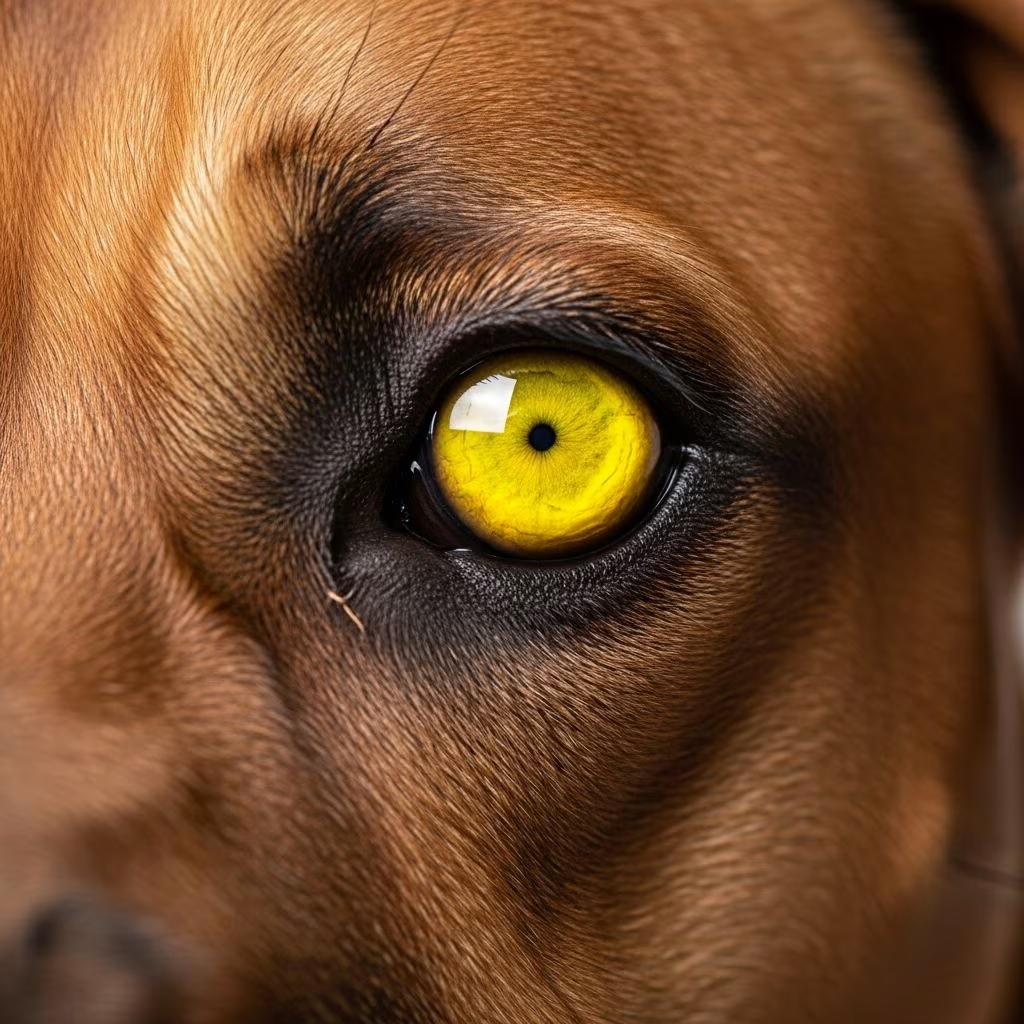
Understanding Icterus (Jaundice) in Dogs
Icterus, commonly known as jaundice or yellow jaundice, is a medical condition that refers to an excessive accumulation of a yellow pigment called bilirubin in the blood and tissues of dogs. This condition occurs when the normal metabolic process of handling bilirubin is disrupted. Bilirubin is a byproduct of hemoglobin breakdown from aging red blood cells, and under normal circumstances, it is processed by the liver and excreted through bile into the digestive system. When this process malfunctions, bilirubin levels rise in the blood and urine, leading to visible discoloration of tissues.
When icterus persists for any length of time, it will discolor tissues and become visible as a yellowish appearance on most body surfaces. Since most of a dog’s skin is covered by fur, jaundice is most easily observed in the gingivae (gums), the sclerae (white part of the eyes), and the pinnae (ear flaps). This visible yellowing serves as an important clinical indicator that an underlying disease process is occurring. Jaundice may be particularly difficult to detect in dogs that have pigmented or dark gums or skin, making thorough veterinary examination essential for accurate diagnosis.
The Three Major Causes of Icterus
The causes of icterus in dogs fall into three major categories, each involving different physiological mechanisms:
Destruction of Red Blood Cells (Hemolysis)
The process of red cell destruction is known as hemolysis. This can occur within blood vessels, referred to as intravascular hemolysis, or in the spleen and liver, known as extravascular hemolysis. Hemolysis causes hemolytic anemia, which differs significantly from blood loss anemia that results from bleeding due to injury. When red blood cells are destroyed at an accelerated rate, the body cannot keep up with the production of new cells, and the byproducts of cell destruction overwhelm the liver’s processing capacity.
Hemolysis can be caused by multiple factors including toxins, drugs, parasites that attach to red blood cells, heartworm disease, autoimmune diseases, bacterial or viral infections, and certain cancers. Several additional diagnostic tests may be needed to determine which specific cause is responsible for the hemolysis and resulting icterus in your dog.
Liver Disease
Any disease or condition that damages or destroys liver cells can cause icterus. The liver is central to bilirubin metabolism, and when liver function is compromised, the organ cannot effectively process and excrete bilirubin. This leads to a buildup of the pigment in the bloodstream and tissues. The most common causes of liver disease include viral or bacterial infections, ingestion of toxic plants or chemicals, adverse reactions to certain drugs and medications, cancer affecting the liver, autoimmune diseases targeting liver tissue, and certain breed-specific liver diseases that are genetically predisposed in particular dog breeds.
Obstruction of the Bile Duct
Bile is stored in the gallbladder and transported into the small intestine by the bile duct. If bile becomes abnormally thick, if gallstones form in the gallbladder, if the gallbladder or bile ducts become inflamed, or if the liver becomes swollen so that the bile ducts are constricted, bile flow will become obstructed. When bile cannot flow normally, bilirubin accumulates in the bloodstream. The most common causes of bile duct obstruction in dogs include pancreatitis, abdominal trauma, abdominal or liver cancer, gallbladder stones, and severely thickened bile. Dogs with obstructed bile ducts are usually extremely icteric, displaying obvious yellow discoloration in the whites of the eyes, gums, and often throughout their skin.
Diagnostic Approach to Determining the Cause
Determining the underlying reason for icterus can be challenging and requires a systematic diagnostic approach. Since there are several potential causes within each of the three major categories, the first step is to perform screening tests to determine which category is involved and narrow down the list of likely diseases. Based on the results of preliminary tests, your veterinarian will perform additional targeted tests to determine the specific cause of icterus in your dog.
Diagnosing Hemolysis
When hemolysis is suspected as the cause of jaundice, veterinarians perform specific blood tests to confirm red blood cell destruction and identify the underlying cause. These tests help differentiate hemolysis from other causes of jaundice and guide treatment decisions.
Liver Disease Determation
A biochemistry profile, which comprises a group of 10 to 30 different tests, is performed on a blood sample from the dog with icterus. The biochemistry profile contains several tests that are specific for liver disease and others that provide supporting evidence of hepatic dysfunction. The main liver enzymes measured include alanine aminotransferase (ALT), aspartate aminotransferase (AST), alkaline phosphatase (ALP or ALKP), and total bilirubin levels. In some cases, your veterinarian will also recommend a bile acid analysis, which specifically assesses liver function and the liver’s ability to process and excrete bile acids.
Beyond blood work, additional diagnostic procedures may be employed. A fine needle aspiration involves using a small gauge needle to collect individual cells from the liver tissue for microscopic examination. This procedure is minimally invasive and can often be performed with minimal sedation. A needle core biopsy uses a much larger biopsy needle to obtain a core sample of liver tissue rather than just isolated cells. This procedure is often performed during an ultrasound examination and is called an ultrasound-guided needle biopsy. For this technique, your dog will require either heavy sedation or general anesthesia. The needle biopsy provides a core of liver tissue with cells in their normal relationship to each other, allowing the pathologist to better assess the architectural changes within the liver. The sample is fixed in formaldehyde and submitted to a pathologist for histopathological analysis.
Bile Duct Obstruction Evaluation
The gallbladder and bile ducts must be examined to confirm the presence of an obstruction. Although this may be possible using radiographs (X-rays), an ultrasound examination is a more accurate, non-invasive technique to evaluate the gallbladder and bile duct structure and contents. Ultrasound can reveal gallstones, assess the thickness of the bile, and determine if the bile ducts are dilated, indicating obstruction. Sometimes, exploratory surgery is necessary to properly evaluate the dog for biliary obstruction, assess for gallstones, and determine the most appropriate surgical approach to relieving the obstruction.
Treatment of Icterus in Dogs
It is crucial to understand that icterus is not itself a disease; rather, it is a clinical sign indicating that an underlying disease process is present. When the underlying disease is diagnosed and treated successfully, the icterus will resolve. The approach to treatment depends entirely on identifying and addressing the root cause.
Treatment strategies are tailored to the specific cause identified during diagnosis. For bile duct obstruction, surgery may be necessary to clear the obstruction, remove gallstones, or address any structural abnormalities preventing bile flow. For infectious causes, antibiotics or antiviral medications will be prescribed based on the pathogen involved. For autoimmune hemolytic anemia, immunosuppressive therapy may be required to reduce the body’s attack on its own red blood cells.
Supportive care is essential regardless of the underlying cause. This typically includes intravenous fluid therapy to maintain hydration and electrolyte balance, as dogs with jaundice often become dehydrated due to decreased appetite or increased urination. Pain medications help manage discomfort, while anti-nausea medications and appetite stimulants address gastrointestinal symptoms. Antacids may be prescribed to protect the stomach lining, and digestive aids support the gastrointestinal system during recovery.
Dietary management often plays an important role in recovery. Some dogs with jaundice benefit from a special diet that is easy to digest and low in fat, reducing the burden on the digestive system and liver. Your veterinarian can recommend a diet specifically suited to your dog’s individual needs and the underlying condition causing the jaundice.
Medications to address specific complications may be necessary. Vitamin K may be used to treat and control bleeding disorders that can develop with certain liver conditions. Vitamin E serves as an antioxidant to eliminate free radicals that could cause additional damage to liver tissue. Liver protectant supplements containing silymarin and S-Adenosine Methionine may be recommended to support hepatic function and promote recovery.
Frequently Asked Questions
Q: How quickly can jaundice be cured in dogs?
A: The timeline for recovery depends on the underlying cause and severity of the condition. Once the underlying disease is treated successfully, the icterus typically begins to resolve. However, recovery can take weeks to months depending on the extent of liver or other organ damage and how quickly the dog responds to treatment.
Q: Is jaundice in dogs always serious?
A: Yes, jaundice should always be considered a serious clinical sign requiring immediate veterinary attention. The presence of icterus indicates an underlying disease that could be life-threatening if left untreated. Early diagnosis and intervention significantly improve the prognosis.
Q: Can jaundice be prevented in dogs?
A: While some causes of jaundice cannot be prevented, others can be mitigated through proper preventive care. This includes keeping your dog current on vaccinations to prevent infectious diseases, preventing access to toxins and toxic plants, maintaining a healthy diet, regular veterinary checkups, and treating any underlying health conditions promptly.
Q: What is the difference between icterus and jaundice?
A: There is no difference. Icterus and jaundice are two terms for the same condition. Icterus is the medical term, while jaundice is the more commonly used term to describe the yellowing of tissues due to bilirubin accumulation.
Q: Should I give my dog supplements to help with jaundice?
A: Any supplementation should be done under veterinary guidance. While some supplements may support liver function during recovery, they should only be given as recommended by your veterinarian and should never replace appropriate medical treatment of the underlying condition.
When to Seek Veterinary Care
If you notice any yellowing of your dog’s gums, eyes, or skin, or if your dog displays symptoms such as lethargy, loss of appetite, weakness, fever, abdominal pain, dark or discolored urine, change in feces color to an orange tint, increased water consumption, weight loss, or unexplained bleeding, seek veterinary care immediately. These signs may indicate the presence of icterus or another serious underlying condition requiring prompt diagnosis and treatment.
References
- Icterus (Jaundice) in Dogs — VCA Animal Hospitals. Accessed November 2025. https://vcahospitals.com/know-your-pet/icterus-or-jaundice-in-dogs
- Jaundice in Small Animals – Digestive System — MSD Veterinary Manual. Accessed November 2025. https://www.msdvetmanual.com/digestive-system/pathophysiology-of-hepatic-disease-in-small-animals/jaundice-in-small-animals
- Jaundice in Dogs: Signs, Symptoms, Treatment — American Kennel Club. Accessed November 2025. https://www.akc.org/expert-advice/health/jaundice-in-dogs/
- Jaundice in Dogs — PetMD. Accessed November 2025. https://www.petmd.com/dog/conditions/digestive/jaundice-dogs
- Jaundice in Dogs: Causes, Symptoms, and Treatment — PetCareRx. Accessed November 2025. https://www.petcarerx.com/article/jaundice-in-dogs-causes-symptoms-and-treatment/6657



