

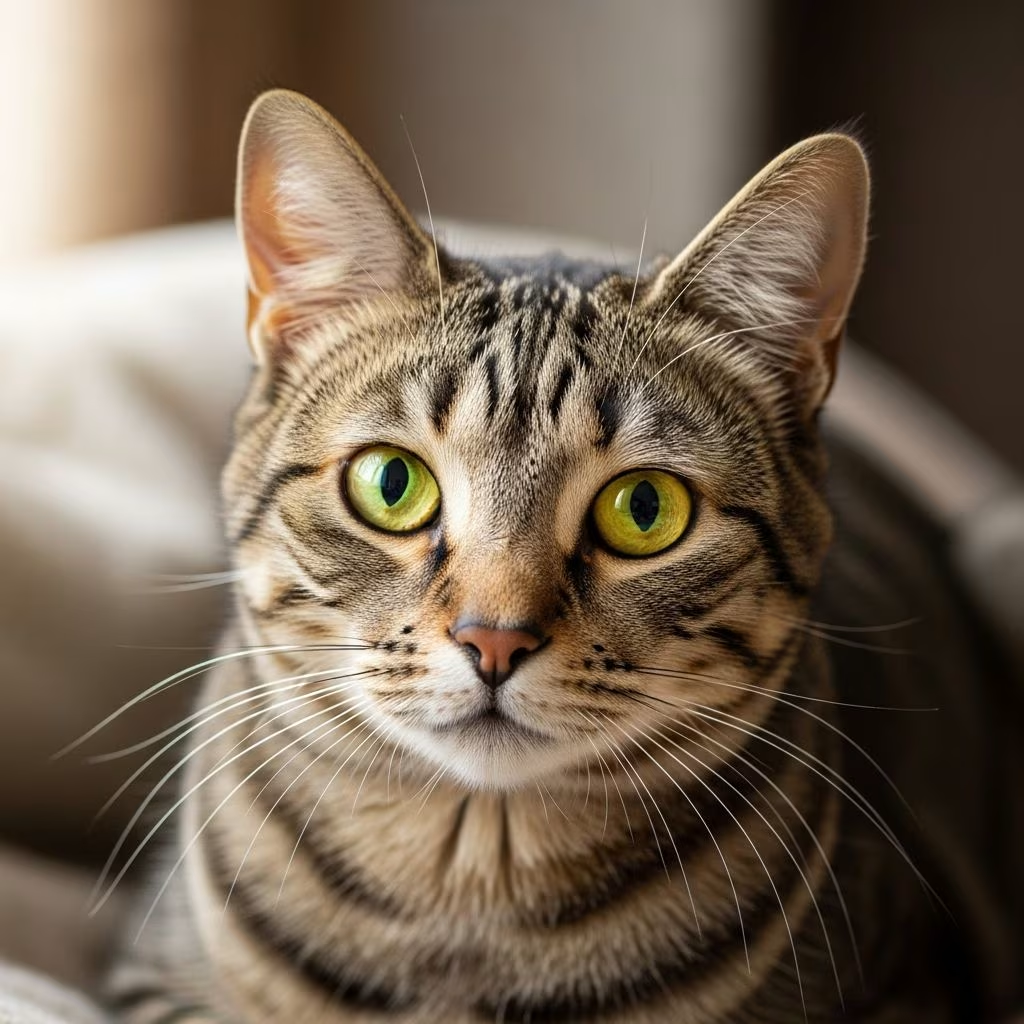
Understanding Icterus (Jaundice) in Cats
Icterus, commonly known as jaundice or yellow jaundice, is a clinical condition characterized by the excessive accumulation of a yellow pigment called bilirubin in the blood and tissues of cats. This yellowish discoloration becomes visible in the skin, mucous membranes, and sclera (whites of the eyes). While icterus itself is not a disease, it serves as a critical indicator that an underlying health condition requires immediate veterinary attention. Understanding the causes, symptoms, and treatment options for jaundice is essential for cat owners who want to maintain their pet’s health and well-being.
What is Bilirubin and How Does Jaundice Develop?
Bilirubin is a yellow pigment produced during the normal breakdown of hemoglobin from red blood cells. In healthy cats, bilirubin is processed by the liver and excreted through bile into the intestines. However, when there is an excessive accumulation of bilirubin in the blood and tissues, it manifests as a yellowish discoloration visible on the skin, gums, eyes, and ear flaps. The intensity of the yellow color increases proportionally with the concentration of bilirubin in the body.
Since most cats have fur covering their skin, detecting jaundice can be challenging. Pet owners should examine their cat’s eyes, ear flaps, gums, and foot pads for signs of yellowing. Detection becomes even more difficult in cats with dark skin or gums, making regular veterinary checkups particularly important for early identification.
Types of Jaundice: Understanding the Three Categories
Veterinarians classify jaundice into three main categories based on where the problem originates in the bilirubin metabolism process:
Prehepatic Jaundice
Prehepatic jaundice, also known as prehepatic hyperbilirubinemia, occurs due to excessive destruction of red blood cells before they reach the liver. This condition results in high levels of bilirubin in the bloodstream that exceed the liver’s processing capacity. Common causes include:
- Mycoplasmosis (Mycoplasma spp)
- Cytauxzoonosis (Cytauxzoon felis)
- Babesiosis (Babesia spp)
- Feline Infectious Peritonitis (FIP)
- Feline Immunodeficiency Virus (FIV)
- Immune-mediated hemolytic anemia (IMHA)
- Environmental toxins, food toxins, or drug toxicity
- Transfusion reactions
- Hypophosphatemia
Hepatic Jaundice
Hepatic jaundice, referred to as hepatic or intrahepatic hyperbilirubinemia, develops when the liver itself is damaged or diseased and cannot properly process bilirubin. This category represents jaundice caused directly by liver pathology. Primary causes include:
- Hepatic lipidosis (fatty liver disease)
- Feline infectious peritonitis (FIP)
- Amyloidosis
- Sepsis or systemic inflammatory response syndrome (SIRS)
- Systemic feline calicivirus
- Drug and toxin-induced liver damage
- Triaditis (inflammation of the liver, pancreas, and intestines)
Posthepatic Jaundice
Posthepatic jaundice, also known as posthepatic or extrahepatic hyperbilirubinemia, occurs when the bile ducts are obstructed, preventing bile from flowing out of the liver into the intestines. Even though the liver may be functioning normally, bilirubin cannot be properly excreted. Common causes include:
- Cholelithiasis (gallstones)
- Extrahepatic biliary obstruction
- Liver flukes
- Triaditis
- Pancreatitis
- Abdominal trauma
- Abdominal or liver cancer
- Severely thickened bile
Clinical Signs and Symptoms of Jaundice in Cats
Cat owners should be alert to several clinical signs that may indicate their pet has developed jaundice. The most obvious symptom is the yellowing of visible mucous membranes and tissues. Additional symptoms commonly associated with jaundice include:
- Yellow discoloration of skin, gums, eyes, and ear flaps
- Loss of appetite or anorexia
- Vomiting
- Weight loss
- Dehydration
- Changes in urine color (dark or amber-colored)
- Pale or clay-colored stools
- Abdominal pain or tenderness
- Lethargy and extreme weakness
- Collapse in severe cases
If your cat displays any of these symptoms, particularly if accompanied by yellowing of the eyes, gums, or skin, immediate veterinary evaluation is necessary. Cats showing symptoms such as pale gums, collapse, weakness, or extreme lethargy require emergency medical attention.
Diagnostic Procedures for Feline Jaundice
Accurate diagnosis of the underlying cause of jaundice is crucial for effective treatment. Veterinarians employ multiple diagnostic tools and tests to identify the specific condition causing icterus:
Physical Examination
The veterinarian begins with a thorough physical examination, assessing the degree of yellowing in the mucous membranes, skin, and sclera. They also evaluate the cat’s overall condition, palpate the abdomen for pain or organ enlargement, and assess hydration status.
Blood Work
Comprehensive blood testing is essential for diagnosing jaundice. Tests typically include:
- Complete Blood Count (CBC): Identifies anemia, infection, and abnormal red blood cell levels
- Liver Function Tests: Measure liver enzymes and bilirubin levels to assess liver stress and function
- Biochemistry Panel: Evaluates overall organ function and electrolyte balance
Higher liver enzyme levels signify stress on the liver, while elevated bilirubin confirms the diagnosis of icterus.
Diagnostic Imaging
X-rays and ultrasound imaging help visualize the liver, bile ducts, and surrounding organs. Ultrasound is particularly valuable for detecting bile duct obstructions, gallstones, and structural abnormalities within the liver. These imaging studies help differentiate between intrahepatic and extrahepatic causes of jaundice.
Advanced Diagnostic Tests
When necessary, veterinarians may recommend:
- Liver Biopsy: Provides tissue samples for microscopic examination to diagnose specific liver diseases
- Fine-Needle Aspiration: Collects cells from the liver for cytological analysis
- Specialized Serological Tests: Identifies infectious agents or autoimmune conditions
Treatment Approaches for Feline Jaundice
It is important to understand that icterus itself is not treated directly. Rather, veterinarians focus on diagnosing and treating the underlying disease causing the jaundice. Once the source of the condition is identified and treated successfully, icterus will resolve on its own. Treatment protocols vary significantly depending on the underlying cause:
Liver Support Medications
Regardless of the cause, most cats with jaundice receive liver support medications to protect hepatic function and promote healing. These medications may be administered orally or intravenously and include:
- Hepatoprotective agents
- Nutraceutical supplements
- Anti-inflammatory medications
Cause-Specific Treatments
For Bacterial or Protozoal Infections: Veterinarians prescribe antibiotics or antiprotozoal medications to eliminate the causative organism. Steroids may be used to manage immune responses.
For Immune-Mediated Hemolytic Anemia: Immunosuppressive therapy with corticosteroids and other immunosuppressants helps control the body’s attack on red blood cells. Blood transfusions may be necessary in severe cases.
For Bile Duct Obstructions: Surgical intervention may be required to remove gallstones or resolve other physical obstructions preventing bile flow.
For Liver Cancer: Chemotherapy, radiation, or surgical removal of tumors may be recommended depending on the cancer type and stage.
Supportive Care
Supportive care is vital for all cats with jaundice and may include:
- Intravenous fluid therapy to maintain hydration and support organ function
- Nutritional support through high-quality diet or supplemental feeding
- Medications to control nausea and vomiting
- Pain management as needed
Prognosis and Recovery
The prognosis for cats with jaundice varies considerably depending on the underlying cause and the timeliness of treatment. Many animals recover quickly once the source of jaundice is identified and a treatment plan is implemented. Cats with bacterial or protozoal infections generally have a favorable prognosis when treated promptly with appropriate medications and supportive care.
However, cats with more serious conditions such as severe liver disorders may require weeks of intensive treatment before improvement occurs. Some cats develop chronic conditions requiring long-term or lifelong supportive care. The prognosis for jaundice caused by biliary obstruction, amyloidosis, sepsis, severe immune-mediated hemolytic anemia, and transfusion reactions is typically guarded, meaning the outcome is uncertain but treatment may be attempted.
Prevention Strategies for Feline Jaundice
While not all causes of jaundice can be prevented, cat owners can reduce the risk of conditions leading to icterus through several preventive measures:
- Regular Veterinary Checkups: Schedule wellness exams at least annually to catch diseases early
- Current Vaccinations: Keep vaccinations up-to-date to prevent infectious diseases like FIP and calicivirus
- Flea and Tick Control: Use year-round preventatives to avoid parasitic infections
- Toxin Avoidance: Keep household toxins, medications, and harmful substances out of reach
- Balanced Diet: Provide high-quality nutrition to support liver health and prevent fatty liver disease
- Stress Reduction: Maintain a calm environment to support immune function
- Weight Management: Maintain appropriate body weight to reduce liver stress
Frequently Asked Questions About Feline Jaundice
Q: Is jaundice contagious between cats?
A: Jaundice itself is not contagious, but some underlying infections causing jaundice, such as Mycoplasma or feline infectious peritonitis (FIP), may spread between cats. Infected cats should be isolated from other cats when possible.
Q: Can kittens develop jaundice?
A: Yes, kittens can develop jaundice due to infections, liver disease, anemia from flea infestations, or poor nutrition. Newborn kittens may develop physiologic jaundice within the first few days of life, which typically resolves without treatment.
Q: Does jaundice cause pain in cats?
A: Depending on the underlying cause, cats may experience abdominal pain, nausea, and discomfort. Conditions like pancreatitis and biliary obstruction are particularly painful. Pain management is an important component of treatment.
Q: Can jaundice be treated at home?
A: No, jaundice requires professional veterinary diagnosis and treatment to address the underlying cause. Attempting home treatment delays necessary medical care and can worsen the cat’s condition.
Q: How long does recovery from jaundice take?
A: Recovery time varies widely depending on the underlying cause. Some cats improve within days with appropriate treatment, while others with severe liver disease may require weeks of intensive care before showing improvement.
Q: What should I do if I suspect my cat has jaundice?
A: Contact your veterinarian immediately for evaluation. If your cat shows signs of severe illness such as collapse, pale gums, or extreme lethargy, seek emergency veterinary care right away. Early diagnosis and treatment significantly improve outcomes.
References
- Icterus (Jaundice) in Cats — VCA Animal Hospitals. Retrieved from https://vcahospitals.com/know-your-pet/icterus-or-jaundice-in-cats
- Feline Jaundice — National Center for Biotechnology Information (NCBI). PMC. Retrieved from https://pmc.ncbi.nlm.nih.gov/articles/PMC10829111/
- Yellow Skin (Jaundice) in Cats — PetMD. Retrieved from https://www.petmd.com/cat/conditions/digestive/c_ct_jaundice
- Yellow Eyes/Skin (Jaundice) in Cats — Vetster. Retrieved from https://vetster.com/en/symptoms/cat/yellow-eyes-skin-jaundice-in-cats
- Jaundice in Cats: Yellow Skin – Signs, Diagnosis, Treatment — Vetic. Retrieved from https://vetic.in/blog/pet-health/jaundice-in-cats-why-is-my-cats-skin-yellow/



