

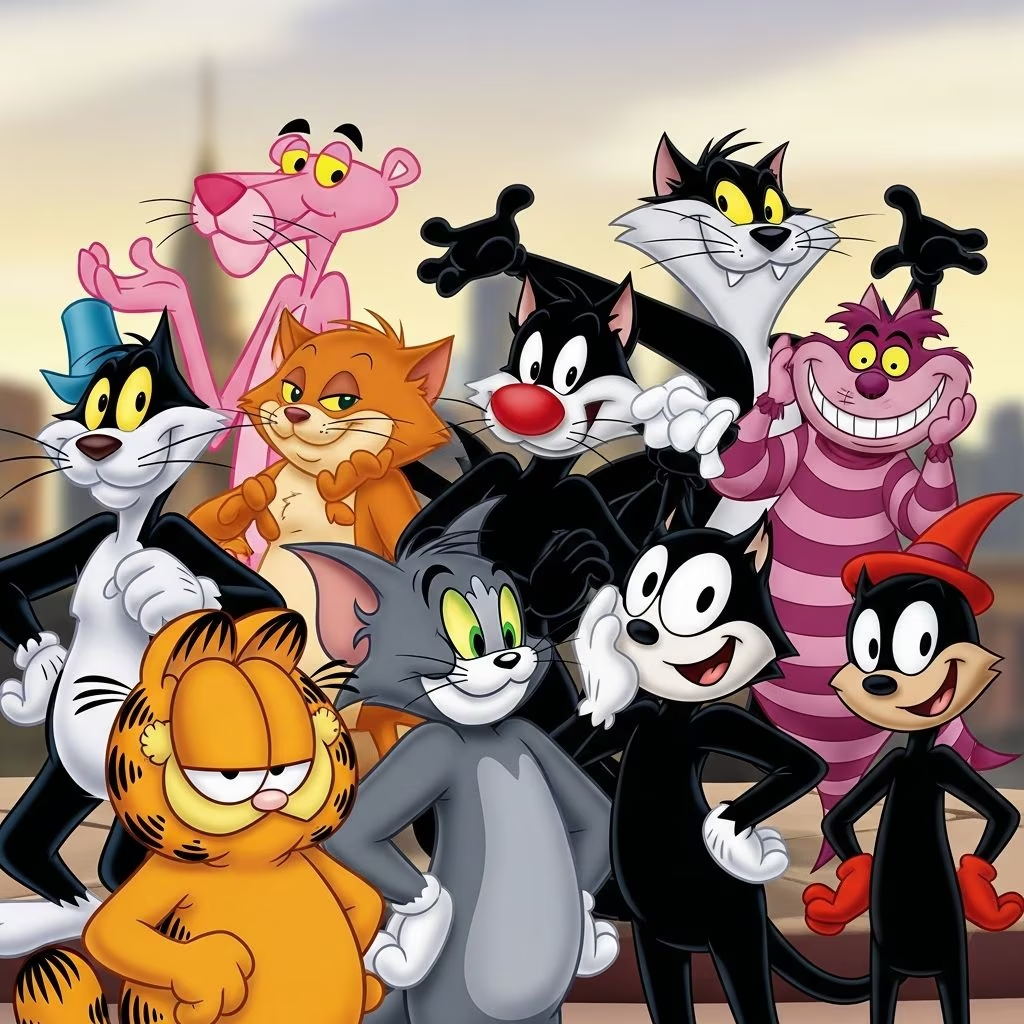
Animated felines have prowled through the screens and pages of popular media for over a century, captivating audiences with their wit, mischief, and relatable personalities. These characters transcend mere entertainment, becoming cultural symbols that reflect societal shifts, humor styles, and storytelling innovations. This article delves into their origins, key figures, and lasting legacies, highlighting how cartoon cats evolved from silent film stars to digital icons.
The Dawn of Animated Felines: Pioneers of the Silent Era
The journey of cartoon cats begins in the early 20th century, a time when animation was finding its footing in silent films. These early characters laid the groundwork for feline archetypes that persist today, blending slapstick humor with expressive visuals.
One standout is Felix the Cat, debuting in 1919’s Feline Follies. Created by Pat Sullivan and Otto Messmer, Felix’s bag of tricks and mischievous grin made him a global sensation, rivaling even Mickey Mouse in popularity during the 1920s. His adventures showcased clever problem-solving and boundless energy, setting a precedent for cat-centric narratives. By the 1950s, Felix transitioned to television, cementing his status as animation’s oldest enduring icon.
Another trailblazer, Krazy Kat from George Herriman’s 1913 comic strip, brought emotional depth to the genre. This carefree feline’s unrequited love for a brick-throwing mouse named Ignatz explored themes of misunderstanding and affection in surreal landscapes. Critics like Gilbert Seldes hailed it as groundbreaking art in 1924, influencing later works despite modest initial syndication success.
Golden Age Classics: Rivalry and Chaos in Mid-Century Animation
The 1940s and 1950s marked the Golden Age of American animation, where cats became synonymous with comedic pursuit and frustration. Studios like Hanna-Barbera and Warner Bros. perfected the cat-and-prey dynamic, creating enduring rivalries.
- Tom from Tom and Jerry: This gray tabby embodies relentless determination in his chases after Jerry the mouse. Debuting in 1940, Tom’s elaborate schemes and explosive mishaps defined slapstick animation, resonating across generations.
- Sylvester the Cat: Known for his lisping ‘Sufferin’ succotash!’ Sylvester’s futile hunts for Tweety Bird highlight classic underdog struggles with hilarious flair. A Looney Tunes staple, he mirrors human perseverance amid failure.
These characters not only drove plots but also advanced animation techniques, from fluid motion to exaggerated expressions, influencing global styles.
Comic Strip Sensations: Laziness and Wit in Print
Parallel to screen animations, newspaper comics birthed feline stars that captured everyday humor. These strips emphasized personality over action, fostering deep audience connections.
Garfield, created by Jim Davis in 1978, revolutionized the format with his sarcastic, lasagna-obsessed persona. Voiced by Bill Murray in the 2004 live-action film, Garfield’s blend of sloth and clever quips made him a merchandising giant, outpacing rivals like Heathcliff in reader polls. His commentary on modern life—dieting woes, Mondays, and pets’ superiority—endures in strips, books, and media.
Heathcliff, another orange tabby, competed fiercely in the 1980s, known for street-smart adventures. A narrow loss to Garfield in a 1981 poll underscored their rivalry, yet both enriched comic culture.
| Cat | Creator | Debut Year | Signature Trait |
|---|---|---|---|
| Garfield | Jim Davis | 1978 | Laziness & sarcasm |
| Heathcliff | George Gately | 1973 | Rebellious independence |
| Krazy Kat | George Herriman | 1913 | Romantic naivety |
Literary Legends Brought to Life: From Books to Screens
Many cartoon cats sprang from literature, their animated adaptations amplifying chaotic charm. Dr. Seuss’s The Cat in the Hat (1957) turned a rainy day into anarchy with top hats, balancing acts, and rhyming mayhem, inspiring films and specials that celebrate imagination.
Lewis Carroll’s Cheshire Cat from Alice’s Adventures in Wonderland grins through multiple animations, including Tim Burton’s versions, symbolizing enigmatic whimsy. These adaptations preserve literary essence while adding visual spectacle.
Modern Mischief-Makers: Adventure and Edge in Contemporary Tales
Recent decades introduced edgier and adventurous cats, blending tradition with fresh narratives. Fritz the Cat (1972), based on Robert Crumb’s comics, pushed boundaries with adult themes of urban life, drugs, and romance, grossing over $90 million despite bans.
Puss in Boots from the Shrek universe dazzles with swordplay and bravado. His 2011 spin-off and 2022 sequel highlight swashbuckling heroism, proving cats excel in epic quests. DreamWorks’ feline expands the genre beyond comedy.
Hello Kitty, Sanrio’s 1974 creation, prioritizes cuteness over animation depth, spawning a merchandising empire. Though minimally expressive, her global appeal rivals traditional cartoons.
TV and Film Felines: Sidekicks and Stars
Television expanded cat roles beyond leads. Salem from Sabrina the Teenage Witch, a punished warlock turned sarcastic cat, delivers witty banter as a magical companion.
In films, Mr. Jinx from Meet the Parents wreaks havoc with real-cat authenticity, amplifying comedic tension. These portrayals showcase cats as plot catalysts.
Cultural Ripples: Why Cartoon Cats Endure
Cartoon cats mirror human traits—laziness, cunning, resilience—making them relatable. From Felix’s optimism to Garfield’s cynicism, they evolve with society, influencing manga like Kimba the White Lion. Their economic impact spans merchandise, films, and holidays like Felix the Cat Day.
In digital eras, they inspire memes and reboots, maintaining relevance.
Comparing Eras: Evolution at a Glance
| Era | Key Cats | Themes | Influence |
|---|---|---|---|
| Silent/1920s | Felix, Krazy Kat | Mischief, surrealism | Pioneered animation stars |
| Golden Age | Tom, Sylvester | Rivalry, slapstick | Defined studio styles |
| Comics Boom | Garfield, Heathcliff | Humor, daily life | Merchandising giants |
| Modern | Puss, Fritz | Adventure, edge | Cross-media franchises |
Frequently Asked Questions (FAQs)
Who was the first famous cartoon cat?
Felix the Cat, debuting in 1919, holds that title as animation’s pioneering feline star.
Why is Garfield so popular?
His relatable sarcasm and love for lasagna connect with audiences across ages, boosting comics and films.
Did cartoon cats influence real animation techniques?
Yes, characters like Tom advanced fluid motion and exaggeration in the Golden Age.
Are there adult-oriented cartoon cats?
Fritz the Cat stands out for its mature themes, contrasting kid-friendly icons.
How have cartoon cats shaped pop culture?
Through merchandise, holidays, and memes, they’ve become timeless symbols.
References
- Famous Cats Throughout Film History — PremiumBeat. 2023-05-15. https://www.premiumbeat.com/blog/famous-cat-in-film-history/
- Understanding Cartoon Cats: Characteristics and Cultural Impact — Adventure Den. 2024-02-10. https://www.adventureden.ca/understanding-cartoon-cats-characteristics-and-cultural-impact/
- Krazy Felines: A Brief History of Cat Comics in North America — Book Riot. 2022-11-20. https://bookriot.com/history-of-cat-comics/
- Famous Cats in History and Pop Culture — Passionately Pets. 2024-08-05. https://www.passionatelypets.com/blog/famous-cats-in-history-and-pop-culture-the-pawsitive-impact-of-feline-fame/
- Cats and Animation: A Brief Hisstory — Animation Studies 2.0. 2023-03-12. https://blog.animationstudies.org/cats-and-animation-a-brief-hisstory/
- Cats in Pop Culture: Famous Felines in Movies and TV — Cat Tree UK. 2024-01-18. https://cattree.uk/cats-in-pop-culture-famous-felines-in-movies-and-tv/



