

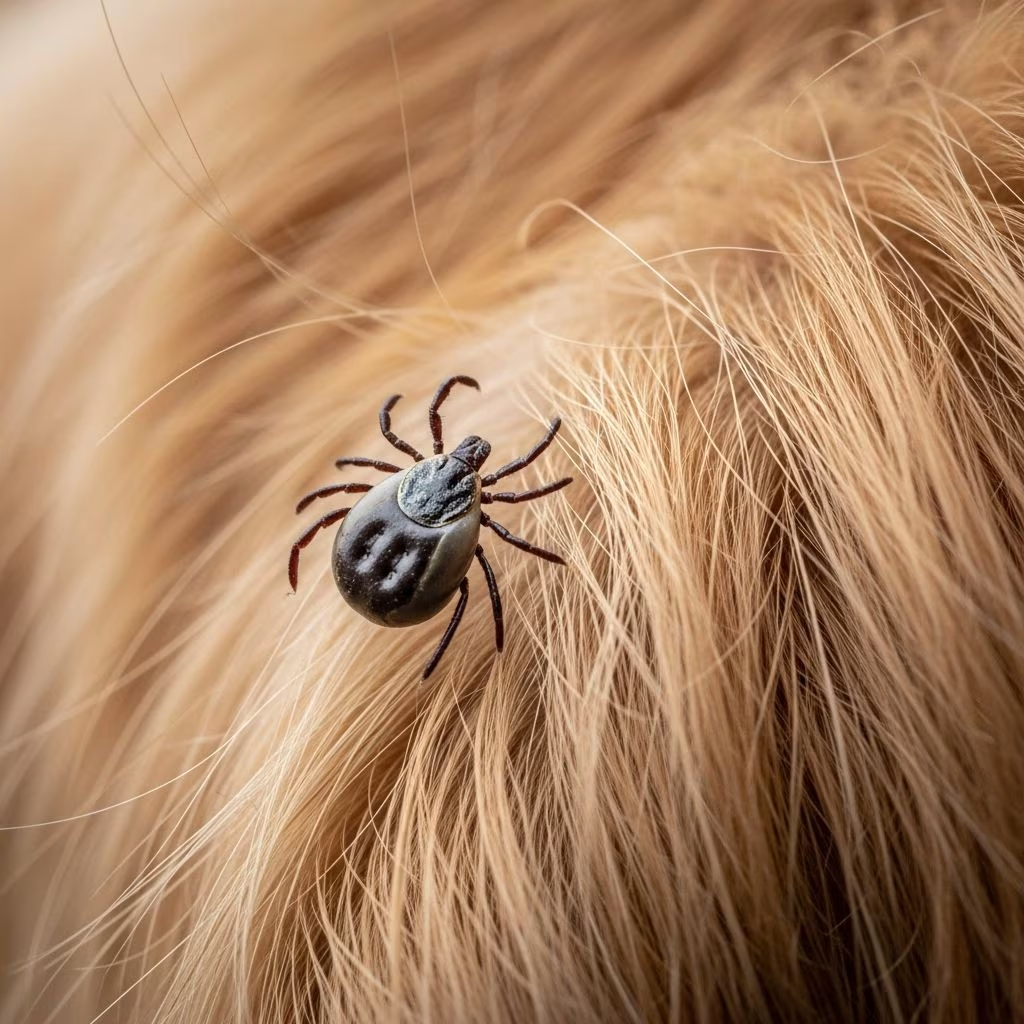
Ticks are more than just a nuisance for dogs—they can transmit serious diseases like Lyme disease, babesiosis, and anaplasmosis. Understanding how to spot, remove, and prevent ticks is crucial for every dog owner, especially in tick-prone areas. This comprehensive guide covers identification, safe removal, prevention strategies, and treatment for tick-borne conditions to keep your furry friend healthy and happy.
What Are Ticks and Why Are They a Problem for Dogs?
Ticks are small, blood-sucking arachnids that latch onto dogs during walks in wooded areas, tall grass, or parks. Unlike fleas, ticks embed their heads into the skin to feed, potentially transmitting pathogens within hours. Common species affecting UK dogs include the sheep tick (Ixodes ricinus) and hedgehog tick (Ixodes hexagonus), active from spring to autumn but year-round in mild weather.
Problems arise because ticks can carry bacteria, viruses, and parasites. A single bite might lead to Lyme disease, causing fever, lameness, and kidney issues if untreated. Puppies, seniors, and dogs with weakened immunity face higher risks. Early detection prevents escalation—check your dog daily after outdoor adventures.
- Tick life cycle: Eggs hatch into larvae, then nymphs, adults—each stage seeks a host.
- Peak season: March to October, but climate change extends activity.
- Hotspots: New Forest, Lake District, Scottish Highlands.
How to Spot Ticks on Your Dog
Ticks start tiny (poppy seed size) but swell to grape-like after feeding. Look for dark, oval bugs with legs, often mistaken for skin moles. Common attachment sites include ears, armpits, groin, between toes, and under the collar—warm, hidden spots.
Symptoms of infestation include excessive scratching, red bumps, hair loss, or lethargy. Nymphs (size of pinheads) are hardest to see, especially on long-haired breeds like Labradors or Spaniels. Use a fine comb or run fingers through fur post-walks. Magnifying tools help for small ticks.
| TICK STAGE | SIZE | APPEARANCE | DIFFICULTY TO SPOT |
|---|---|---|---|
| Larva | 0.5mm | 6 legs, pale | High |
| Nymph | 1-2mm | 8 legs, brown-grey | Very High |
| Adult Female | 3-12mm (engorged) | Red-black, swollen | Low |
| Adult Male | 2-3mm | Dark brown | Medium |
Pro tip: Part fur against growth direction and use good lighting. Ticks feel like slow-moving scabs.
Safe Tick Removal Techniques for Dogs
Never pull ticks with fingers or tweezers—the mouthparts can break off, causing infection. Use purpose-made tick removers (hook or twister tools from vets/pharmacies) for clean extraction.
- Prepare: Wear gloves; restrain dog gently.
- Position tool: Slide hook under tick, close to skin.
- Twist/remove: Rotate counterclockwise 2-3 times, lift steadily—no squeezing.
- Disinfect: Clean bite with antiseptic; save tick in jar for ID if needed.
- Monitor: Watch for redness/swelling over 48 hours.
Avoid petroleum jelly, matches, or alcohol—these make ticks regurgitate, increasing disease risk. If unsure, visit a vet. Removal within 24 hours slashes transmission odds.
Treatment After Tick Bites on Dogs
Most bites heal without issue, but monitor for allergic reactions (swelling, hives) or infection (pus, heat). Apply hydrocortisone cream if vet-approved. For disease suspicion, vets test blood and prescribe antibiotics like doxycycline.
Supportive care includes rest, hydration, and anti-inflammatories. Severe cases may need hospitalization. Always consult a vet—self-treatment risks masking symptoms.
Treatments for Tick-Borne Diseases in Dogs
Lyme Disease (Borrelia burgdorferi)
Transmitted by sheep ticks; incubation 2-5 months. Symptoms: fever, joint pain, limping, anorexia. Diagnosed via blood tests; treated with 4-week doxycycline course. 95% recover fully if caught early. Vaccines available for high-risk dogs.
Babesiosis (Babesia canis/vogeli)
Red blood cell parasite; causes anemia, dark urine, weakness. Vet treatment: antiparasitics (imidocarb), blood transfusions if critical. Preventable with spot-ons.
Anaplasmosis/Ehrlichiosis
Bacterial; flu-like symptoms, thrombocytopenia. Antibiotics resolve most cases in 2-4 weeks.
- Vet diagnostics: PCR tests, serology.
- Long-term: Heart/kidney monitoring.
Preventing Ticks on Dogs: Best Products and Methods
Prevention beats cure. Use vet-recommended parasiticide monthly/year-round.
| PRODUCT TYPE | EXAMPLES | PROS | CONS | DURATION |
|---|---|---|---|---|
| Spot-on | Frontline, Advantix | Easy apply, waterproof | Can irritate skin | 1 month |
| Tablets | NexGard, Bravecto | Tasty, long-lasting | Prescription only | 1-3 months |
| Collars | Seresto | 8-month protection | Not for puppies | 8 months |
| Sprays/Dips | Various | Quick coverage | Messy, short-term | Days-weeks |
Combine with environmental control: mow lawns, avoid bramble. Check after rural walks. Puppies start prevention at 8 weeks.
Natural Tick Prevention for Dogs
Essential oils (neem, cedarwood) diluted in carriers show promise but lack full efficacy—use as adjuncts. Diatomaceous earth repels but irritates lungs. Brewer’s yeast alters scent unproven. Prioritize licensed products; naturals alone risk exposure.
- Tick-repellent plants: lavender, rosemary gardens.
- Daily checks + vacuuming indoors.
Ticks in the UK: Seasons, Regions, and Risks
UK ticks thrive in humid, vegetated areas. Sheep tick dominates south/central; highest incidence Exmoor, Thetford Forest. Warmer winters boost populations—2025 saw record cases per DEFRA.
Risks peak April-July (nymphs), September-October (adults). Dogs in kennels, hiking face higher odds.
Frequently Asked Questions (FAQs)
What happens if a tick is not removed properly from my dog?
Mouthparts left behind cause inflammation, granulomas, or secondary infections. Disease transmission risk rises if tick fed longer.
Can ticks kill dogs?
Rarely directly, but untreated Lyme/babesiosis can lead to fatal organ failure. Prompt care saves lives.
How long after a tick bite do symptoms appear in dogs?
Days for local reactions; weeks-months for systemic diseases like Lyme.
Are tick preventives safe for pregnant dogs?
Many are (e.g., Frontline); confirm with vet.
Do indoor dogs get ticks?
Yes, via clothing, other pets, or escaping indoors.
What’s the best tick prevention for multi-dog homes?
Tablets for all; treat yard with approved acaricides.
Stay vigilant—ticks evolve, but informed owners protect best. Consult your vet for tailored advice.
References
- Canine infectious respiratory disease complex (Kennel cough) — AVMA. 2023. https://www.avma.org/resources-tools/pet-owners/petcare/canine-infectious-respiratory-disease-complex-kennel-cough
- Kennel Cough – Respiratory System — Merck Veterinary Manual. 2024-10-15. https://www.merckvetmanual.com/respiratory-system/respiratory-diseases-of-small-animals/kennel-cough
- Kennel Cough in Dogs | Blue Cross — Blue Cross UK. 2024. https://www.bluecross.org.uk/advice/dog/health-and-injuries/kennel-cough
- Kennel Cough in Dogs: Symptoms, Treatments, Vaccine — Best Friends Animal Society. 2023-05-01. https://bestfriends.org/pet-care-resources/kennel-cough-dogs-symptoms-treatments-vaccine
- Kennel Cough in Dogs: Symptoms, Causes, and Treatment — PetMD. 2024-11-20. https://www.petmd.com/dog/conditions/respiratory/kennel-cough-dogs-what-are-symptoms-and-how-kennel-cough-treated
- What Is Kennel Cough in Dogs? Symptoms, Treatment, & Prevention — All Bay Animal Hospital. 2024-02-15. https://www.allbayanimalhospital.com/site/blog/2024/02/15/kennel-cough-dogs



