

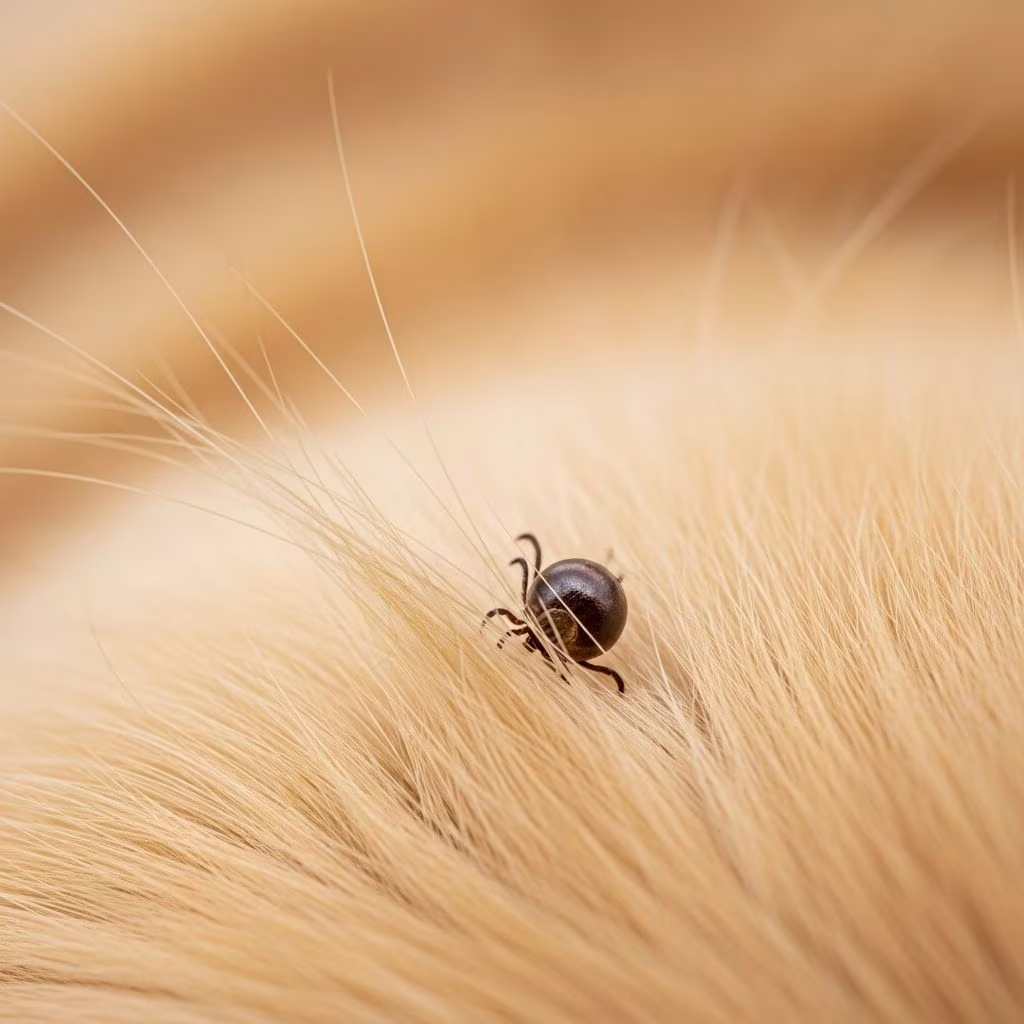
Ticks are more than just a nuisance for dogs—they’re vectors for dangerous diseases that can cause fever, lethargy, joint pain, and even life-threatening conditions. Understanding ticks, their life cycle, symptoms of infection, safe removal techniques, and prevention is essential for every dog owner. This comprehensive guide draws from veterinary expertise to help you protect your furry companion from these parasites.
What Are Ticks and Their Life Cycle?
Ticks are arachnids, not insects, belonging to the order Ixodida. They thrive in wooded, grassy, or brushy areas, waiting to latch onto passing hosts like dogs, humans, or wildlife. A tick’s life cycle consists of four stages: egg, larva, nymph, and adult. Each stage requires a blood meal to progress, with females laying up to 18,000 eggs after feeding.
- Egg stage: Tiny eggs hatch into larvae in warm, humid environments.
- Larva stage: Six-legged larvae feed on small mammals.
- Nymph stage: Eight-legged nymphs, about sesame seed size, target larger hosts like dogs.
- Adult stage: Larger ticks (up to quarter-sized when engorged) feed for days, transmitting diseases during prolonged attachment.
The entire cycle can take 2-3 years, but warmer climates accelerate it. Ticks quest for hosts by climbing vegetation and extending their front legs, latching on with barbed mouthparts.
Common Types of Ticks That Affect Dogs
Several tick species pose risks to dogs across the U.S. and beyond. Identifying them helps gauge disease risk.
| Tick Type | Appearance | Region | Diseases Transmitted |
|---|---|---|---|
| Blacklegged Tick (Deer Tick) | Very small; reddish-brown adults | Northeast, Midwest, West Coast | Lyme disease, Anaplasmosis |
| Dog Tick | Brown with white markings on females | Nationwide | Rocky Mountain Spotted Fever (RMSF) |
| Brown Dog Tick | Uniform brown; survives indoors | Southwest, nationwide | Ehrlichiosis, Babesiosis |
| Lone Star Tick | Females have white dot on back | Southeast, expanding north | Ehrlichiosis, Tularemia |
| Gulf Coast Tick | Ornate markings | Southeast | Hepatozoonosis |
Each species transmits specific pathogens, with transmission occurring 24-48 hours after attachment for most bacteria.
How to Check Your Dog for Ticks
Daily checks after outdoor time are crucial, especially in tick season (spring-fall, year-round in warm areas). Use these steps:
- Wet your dog’s coat slightly to make ticks visible.
- Part the fur and feel for bumps, focusing on:
- Ears (inside/out)
- Armpits and groin
- Between toes
- Around eyes, mouth, neck
- Under collar, tail base
Ticks start small (poppy seed) but engorge to grape size. Use a flashlight and fine comb. Act fast—early removal prevents disease.
Symptoms of Tick Bites and Tick-Borne Diseases in Dogs
Tick bites alone cause itching or redness, but diseases emerge days to weeks later. Common tick-borne diseases include:
Lyme Disease
Caused by Borrelia burgdorferi, symptoms: fever, lameness shifting joints, loss of appetite, swollen lymph nodes.
Ehrlichiosis
Brown dog and lone star ticks transmit Ehrlichia bacteria attacking white blood cells. Phases: acute (fever, lethargy, bruising, nosebleeds), chronic (weight loss, swollen nodes).
Anaplasmosis
Similar to Ehrlichiosis; fever, joint pain, vomiting.
Rocky Mountain Spotted Fever (RMSF)
Dog ticks spread Rickettsia rickettsii: fever over 105°F, poor appetite, joint pain, neurological issues like wobbliness.
Babesiosis
Protozoan destroys red blood cells: pale gums, dark urine, anemia.
General signs: lethargy, fever, vomiting/diarrhea, lameness, swollen joints, breathing issues, CNS changes (staggering, seizures).
Safe Tick Removal on Dogs
Never twist, squeeze, or use petroleum jelly— these increase disease transmission and infection risk.
- Wear gloves; restrain dog.
- Use fine-tipped tweezers or tick remover tool.
- Grasp tick close to skin; pull straight out steadily.
- Disinfect bite with antiseptic; clean tool in alcohol.
- Save tick in jar with rubbing alcohol for ID/testing.
- Monitor for rash/fever; see vet if concerned.
Avoid crushing the body to prevent saliva regurgitation.
Treatment for Tick-Borne Diseases in Dogs
Treatment targets the pathogen with supportive care. Early intervention is key—delays worsen outcomes.
- Antibiotics: Doxycycline (first-line for Lyme, Anaplasmosis, Ehrlichiosis, RMSF) for 3-4 weeks. Others: tetracycline, minocycline.
- Antiprotozoals: Imidocarb for Babesiosis; pyrimethamine/clindamycin for Hepatozoonosis.
- Supportive: IV fluids, blood transfusions for anemia, anti-inflammatories/NSAIDs for pain, anti-nausea meds, probiotics.
Hospitalization for severe cases (fever to 106°F, DIC, encephalitis). Prognosis: Good with early doxycycline; guarded for advanced cases (kidney/neuro damage).
Prevention: Keeping Ticks Off Your Dog
Prevention beats treatment. Year-round protectants are vital.
- Topicals/Oral preventives: Flea/tick collars (Seresto), spot-ons (Frontline), orals (NexGard, Bravecto).
- Vaccines: Lyme vaccine for high-risk dogs.
- Yard control: Mow grass, clear brush, use tick tubes/granules.
- After walks: Bathe dog, check thoroughly.
- Repel: Avoid tick hotspots; use pet-safe sprays.
Consult vet for tailored plans.
Frequently Asked Questions (FAQs)
Q: Can ticks transmit diseases immediately?
A: Most require 24-48 hours of attachment; quick checks prevent transmission.
Q: What if my dog has tick fever symptoms?
A: Seek vet urgently—antibiotics like doxycycline start fast, even pre-test.
Q: Do all tick bites cause disease?
A: No, but ~30% show CNS signs if severe; strong immunity may fight subclinical infections.
Q: Is lifelong treatment needed for some diseases?
A: Hepatozoonosis requires ongoing management; others resolve with antibiotics.
Q: How effective is doxycycline?
A: Highly effective early; dogs improve in 24-48 hours, full recovery in weeks.
References
- Infectious Canine Hepatitis – PMC — PubMed Central – NIH. 2020-04-01. https://pmc.ncbi.nlm.nih.gov/articles/PMC7151783/
- Tick Fever in Dogs – Symptoms & Treatment — Charlotte Vet. 2020-12-30. https://www.charlotte.carolinavet.com/site/charlotte-emergency-vet-blog/2020/12/30/tick-fever-in-dogs-symptoms–treatment
- Tick-Borne Disease in Dogs — PetMD. Recent update. https://www.petmd.com/dog/conditions/infectious-parasitic/tick-borne-disease-dogs
- Tick-Borne Diseases in Dogs — Hershey Veterinary Hospital. Recent. https://hersheyvet.com/blog/tick-borne-diseases-in-dogs/
- Canine Tick-Borne Disease — AKC Canine Health Foundation. Recent. https://www.akcchf.org/disease-history/canine-tick-borne-disease/
- Tick-Borne Diseases in Dogs: Symptoms, Treatment & Prevention — Critter Creek Vet. 2024-04-15. https://www.crittercreekvet.com/site/blog/2024/04/15/tick-borne-diseases-dogs
- Ehrlichiosis in Dogs — VCA Animal Hospitals. Recent. https://vcahospitals.com/know-your-pet/ehrlichiosis-in-dogs



