

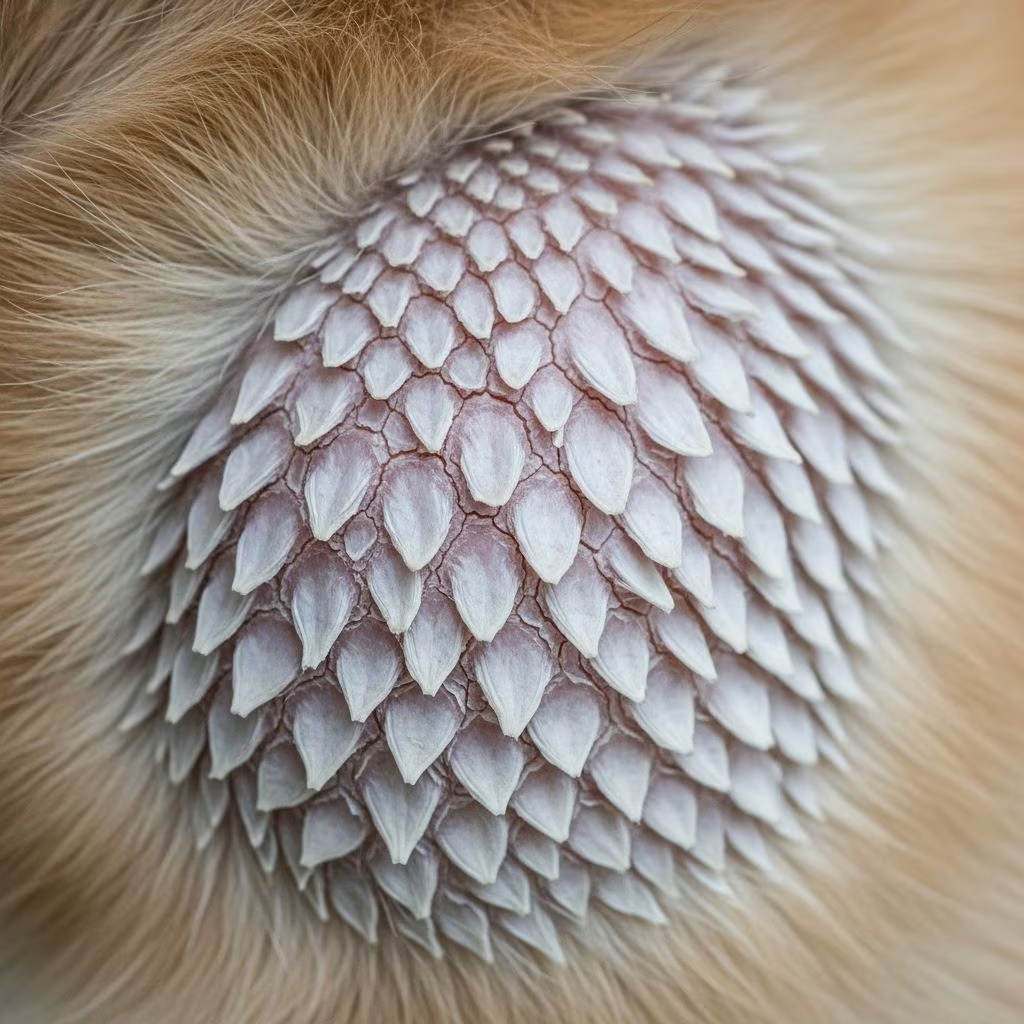
Ichthyosis in dogs is a genetic skin disorder characterized by abnormally dry, thickened, and scaly skin that resembles fish scales, primarily affecting certain breeds due to inherited gene mutations.
Understanding the Nature of Canine Ichthyosis
This condition disrupts normal skin cell shedding, leading to a buildup of dead skin cells on the surface. Dogs with ichthyosis experience chronic dryness that worsens in low-humidity environments, such as during winter months. While not life-threatening, it requires consistent management to prevent secondary issues like infections or discomfort. Genetic mutations, particularly in the filaggrin gene analogous to human cases, impair the skin’s barrier function, making it prone to cracking and flaking.
Breeds predisposed include Golden Retrievers, American Bulldogs, and some terriers, where the trait is passed recessively. Puppies may show signs at birth or within weeks, with scales appearing on the abdomen first, then spreading to limbs and torso. Unlike simple dry skin, ichthyosis persists despite moisturizing and features fine, white scales rather than patchy dryness.
Recognizing Key Symptoms in Your Dog
- Dry, flaky skin: Fine white or gray scales cover large body areas, especially belly, legs, and ears.
- Thickened skin patches: Hyperkeratosis causes rough, leathery texture in severe cases.
- Itching and odor: Mild irritation leads to scratching; scales trap oils, creating a musty smell.
- Cracked skin: Deep fissures on paws or elbows risk bacterial entry.
- Hair loss: Sparse coat in affected zones due to follicle blockage.
Symptoms intensify in cold, dry weather and improve with humidity. Owners often mistake early signs for allergies or poor grooming until scales accumulate visibly. Monitor for lethargy or refusal to walk, indicating pain from cracks.
Causes: Genetics and Rare Triggers
Most cases stem from autosomal recessive mutations, meaning both parents carry the gene without symptoms. Research identifies specific variants in breeds like Golden Retrievers, confirmed via genetic testing. Acquired ichthyosis, rarer in dogs, links to underlying issues like hypothyroidism, malnutrition, or medications, mimicking genetic forms but resolving with root cause treatment.
No environmental factors directly cause it, but low moisture exacerbates scaling. Puppies born with collodion membranes (tight, shiny skin) represent severe congenital types, needing immediate neonatal care.
Diagnostic Approaches for Accurate Identification
Veterinarians diagnose through clinical exam, skin biopsies, and history. Biopsy reveals compact hyperkeratosis—thickened stratum corneum—distinguishing it from dermatitis. Scrapes rule out mites or fungi. Genetic panels from labs like Paw Print Genetics confirm breed-specific mutations, aiding breeding decisions.
| Method | Purpose | Benefits |
|---|---|---|
| Skin Biopsy | Examine cell layers microscopically | Gold standard for confirmation |
| Genetic Testing | Detect filaggrin-like mutations | Non-invasive, breed screening |
| Cytology/Srapes | Check for infections | Quick exclusion of secondary issues |
Differential diagnoses include seborrhea, zinc deficiency, or hypothyroidism, requiring bloodwork if symptoms overlap. Early diagnosis prevents complications.
Comprehensive Treatment Strategies
No cure exists; management focuses on hydration, exfoliation, and infection prevention. Daily routines dramatically improve quality of life.
Humectants and Bathing Protocols
Bathe weekly with mild, oatmeal-based shampoos to soften scales without stripping oils. Add Epsom salts to water for itch relief. Post-bath, apply emollients within 3 minutes to lock in moisture. Urea or lactic acid creams (5-10%) dissolve scales safely; avoid eyes and genitals.
Topical Therapies for Scale Reduction
- Keratolytics: Urea 10-20% or salicylic acid gels applied nightly.
- Emollients: Petroleum jelly or ceramide lotions twice daily.
- Antiseptics: Chlorhexidine sprays for cracks.
For severe cases, veterinarians prescribe oral retinoids like isotretinoin, monitoring liver function. Bleach baths (dilute 0.005%) reduce bacteria in recurrent infections.
Advanced Interventions
Biologics and vitamin A derivatives are in trials, showing promise for genetic forms. Nutritional support with omega-3 supplements aids barrier repair.
Daily Management Routine for Optimal Skin Health
- Morning: Spot-clean scales with damp cloth.
- Apply humectant lotion to affected areas.
- Evening: Gentle brush to loosen flakes, followed by full moisturizer.
- Weekly: Medicated bath and deep exfoliation.
- Humidifier use in dry seasons.
Consistency yields 70-80% symptom reduction. Track progress with photos for vet visits.
Preventing Complications and Infections
Cracks invite Staphylococcus, causing painful pyoderma. Prophylactic antibacterials and antifungal shampoos mitigate risks. Regular paw soaks prevent painful fissures. Avoid steroid overuse, as it thins skin further.
Prognosis and Long-Term Outlook
With diligent care, most dogs thrive without lifespan impact. Mild cases need minimal intervention; severe ones require lifelong therapy. Quality of life improves markedly, allowing normal activity. Breeding affected dogs is discouraged to curb prevalence.
FAQs on Ichthyosis in Dogs
Is ichthyosis painful for dogs?
Generally not, but cracks and infections cause discomfort. Proper care minimizes this.
Can ichthyosis be cured?
No, but symptoms are controllable with routine.
What breeds are at risk?
Golden Retrievers, Bulldogs, Terriers primarily.
How much does treatment cost?
Monthly supplies: $50-150; vet visits add $200-500 yearly.
Is it contagious?
No, purely genetic or acquired, not transmissible.
When to Consult a Veterinary Dermatologist
Seek specialists if home care fails, infections recur, or systemic signs appear. They offer tailored plans, including trials.
References
- Ichthyosis Vulgaris: Causes, Symptoms, Treatment & Recovery — Cleveland Clinic. 2023-10-15. https://my.clevelandclinic.org/health/diseases/21069-ichthyosis-vulgaris
- All about ichthyosis: causes, symptoms and treatments — Dexeryl. 2024-01-20. https://www.dexeryl.com/en/your-skin/ichthyosis
- Ichthyosis vulgaris: Diagnosis and treatment — American Academy of Dermatology (AAD). 2023-05-10. https://www.aad.org/public/diseases/a-z/ichthyosis-vulgaris-treatment
- Ichthyosis Vulgaris | Causes, Signs & Symptoms, Diagnosis, Treatment — JJ Medicine (YouTube). 2020-07-17. https://www.youtube.com/watch?v=q3BqAmpKx3s
- Ichthyosis Symptoms, Types, Causes, & Risk Factors — National Institute of Arthritis and Musculoskeletal and Skin Diseases (NIAMS). 2024-08-01. https://www.niams.nih.gov/health-topics/ichthyosis



