

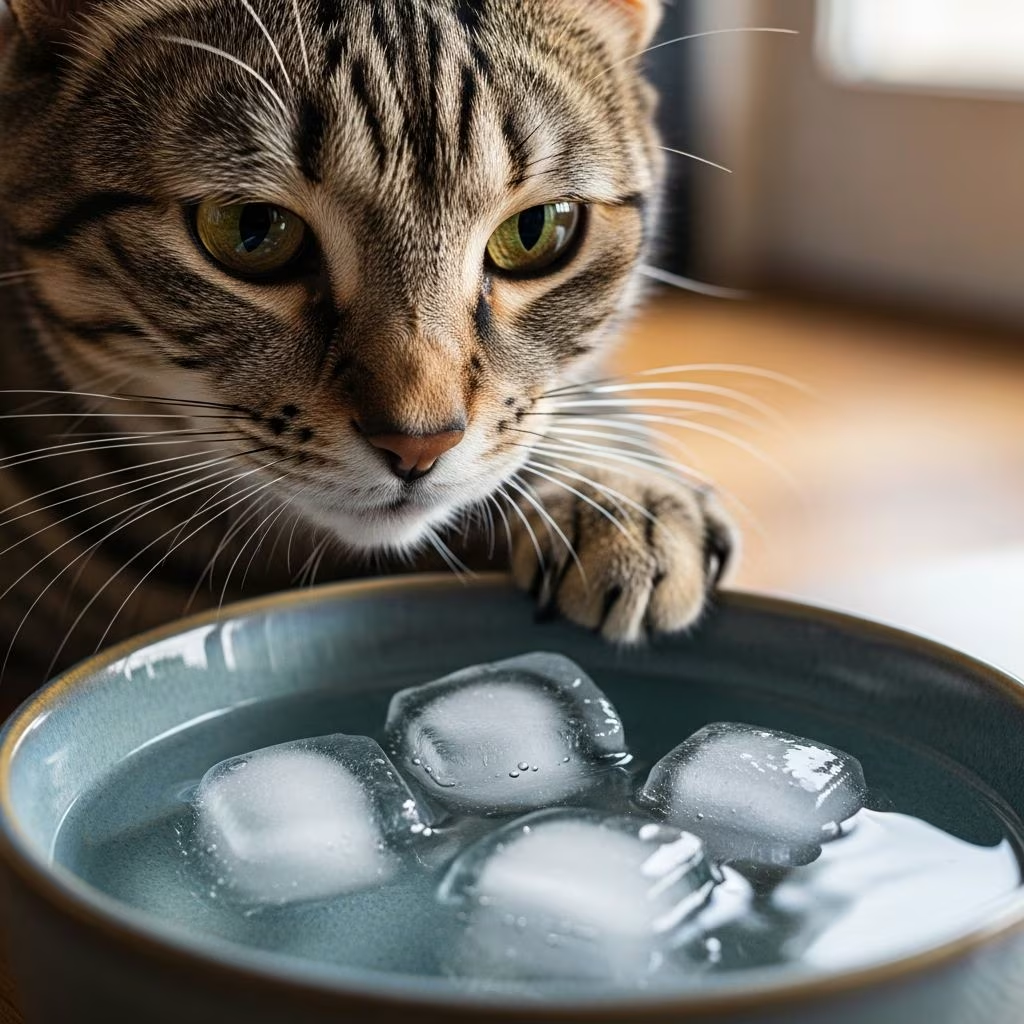
Cats often show curiosity toward ice cubes in water, but is it truly beneficial or potentially harmful? While many felines enjoy the movement and coolness, veterinary insights reveal that ice cubes are generally safe in moderation for healthy adult cats, though preferences and health factors play a key role in optimal hydration.
Why Cats Are Drawn to Cool Water
Felines have evolved preferences rooted in survival instincts from their wild ancestors. Fresh, running streams in nature are typically cool, signaling safety and purity, whereas stagnant warm water often harbors bacteria. This explains why domestic cats frequently ignore room-temperature bowls sitting out for hours but eagerly lap up from a chilled glass.
A cat’s tongue features specialized thermal receptors that detect subtle temperature differences far better than humans. These sensors help them assess water quality instinctively. Cool water, around 50-60°F, mimics natural sources and encourages drinking, supporting vital functions like kidney health—crucial since over 30% of senior cats face chronic kidney disease linked to poor hydration.
Potential Downsides of Very Cold Water
Although cool water appeals to most cats, extremely cold temperatures from excessive ice can deter drinking. Some felines find it uncomfortable, preferring room temperature (68-72°F) that aligns with their natural environment. Very cold water might cause temporary stomach discomfort or reduced intake, exacerbating dehydration risks.
Sensitive groups like senior cats, kittens, or those with dental issues may experience shock from icy water, triggering avoidance. Observation is key: if your cat paws at ice without drinking or hesitates, switch to tepid options.
Optimal Water Temperatures by Cat Life Stage and Season
Tailoring water temperature to your cat’s needs enhances hydration. Use this guide to adjust based on factors like age, health, and weather.
| Cat Profile/Season | Ideal Temperature | Benefits |
|---|---|---|
| Healthy Adult (Summer) | 50-60°F (Chilled) | Attractive for heat regulation; prevents stagnation |
| Healthy Adult (Winter) | 68-72°F (Room Temp) | Comfortable for energy conservation; less shocking |
| Senior Cats | 68-72°F (Tepid) | Avoids dental sensitivity; supports gentle digestion |
| Kittens/Thin-Coated | 72°F (Slightly Warm) | Prevents chills; mimics body temp (99-102.5°F) |
| Post-Exercise | 60°F (Cool, No Ice) | Cools without cramps; encourages rehydration |
For warm climates, 1-2 ice cubes in a large bowl maintain coolness without freezing the entire volume.
Health Impacts of Hydration Choices
Proper water intake prevents urinary tract issues and kidney strain. Cats on dry food especially need encouragement, as dehydration contributes to crystals and stones. Cool, fresh water boosts consumption by triggering instincts, but extremes hinder it.
Monitor signs of adequate hydration: elastic skin (pinch and release test), regular urination, and pink gums. Low intake shows as dry gums, lethargy, or concentrated urine—consult a vet if persistent.
Proven Ways to Boost Your Cat’s Water Intake
- Cat Water Fountains: Circulating water stays aerated and cooler naturally, hitting the ‘moving stream’ instinct. Filters ensure purity.
- Multiple Stations: Place bowls in quiet, elevated spots away from food/litter. Variety prevents territorial guarding.
- Flavor Enhancers: Add vet-approved tuna water or chicken broth (low-sodium) to room-temp bowls for appeal.
- Wet Food Integration: High-moisture canned food (70-80% water) supplements intake significantly.
- Glass or Ceramic Bowls: Avoid plastic, which retains odors and bacteria; cool materials like steel work too.
Experiment with temperatures—start cool and adjust if ignored. Track intake over days for patterns.
Safe Ice Cube Practices for Feline Owners
Ice is not toxic and can refresh water on hot days, but moderation prevents issues. Use purified water for cubes to avoid chlorine buildup. Limit to 1-2 per large bowl; dissolve fully before refilling. Never force icy water on reluctant cats.
Alternatives like chilled bowls (pre-frozen with water, then swapped) provide coolness without direct ice contact, ideal for picky drinkers.
Common Myths About Cat Water Preferences
Myth 1: Cats don’t need much water. False—daily needs are 3-4 oz per 5 lbs body weight, more on dry diets.
Myth 2: Warm water is always bad. Some prefer it in winter, mimicking ambient wild sources.
Myth 3: Ice cures dehydration. Movement attracts, but consistent access trumps gimmicks.
When to Consult a Veterinarian
Changes in drinking habits signal issues like diabetes, kidney disease, or hyperthyroidism. Sudden aversion to water, even cool varieties, warrants a check-up. Vets may recommend bloodwork or urinary analysis for peace of mind.
Frequently Asked Questions
Can ice cubes harm my cat’s teeth?
Generally no for healthy teeth, but brittle enamel in seniors risks cracks. Opt for smaller chips or avoid.
Why does my cat paw at the water bowl?
Pawing tests depth, temperature, or stimulates flow—common with still water lovers.
Is filtered tap water better than ice?
Yes if minerals/chlorine are high; filters remove impurities without temperature extremes.
Do all cats prefer cold over warm?
No—observe yours; room temp suits many, especially in cooler months.
How often should I change the water?
Daily minimum, more with ice melt to prevent bacterial growth.
Seasonal Hydration Strategies
In summer, prioritize chillers and fountains; winter calls for covered bowls to retain warmth. Always ensure 24/7 access in safe spots. For multi-cat homes, provide one per cat plus extra to reduce competition.
Integrate these habits for long-term health—hydrated cats live vibrantly, dodging common age-related woes.
References
- Is Cold Water Bad For Cats? Unlocking the Secrets to Feline Hydration — Neakasa. 2023. https://neakasa.com/blogs/all/do-cats-like-cold-water
- Cat Bath Water Temperature: The Ultimate Guide for Safe and Stress-Free Baths — UAH Pet. 2024. https://www.uahpet.com/blogs/post/cat-bath-water-temperature-the-ultimate-guide-for-safe-and-stress-free-baths
- Can cats drink cold water, or should it be room temperature? — Dial A Vet. 2024. https://www.dialavet.com/vet-answers/cat-cold-water-effects-23597
- Increasing water intake — International Cat Care. 2022. https://icatcare.org/resources/cat-carer-guide-encouraging-your-cat-to-drink.pdf
- What Temperature Do Cats Like? — Hill’s Pet Nutrition. 2023. https://www.hillspet.co.id/cat-care/routine-care/what-temperature-do-cats-like



