

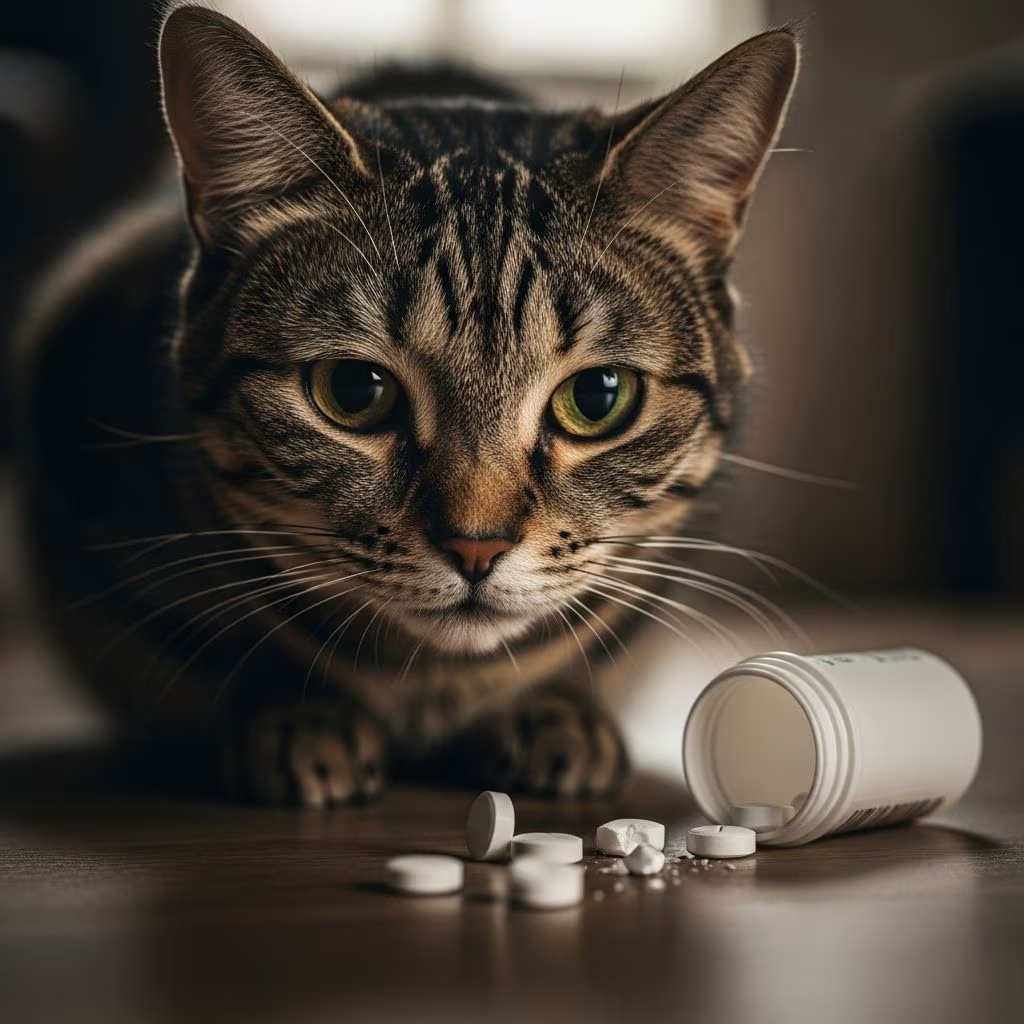
Understanding Ibuprofen Poisoning in Cats
Ibuprofen is a common nonsteroidal anti-inflammatory drug (NSAID) used in humans to relieve pain, inflammation, and fever. However, it is extremely toxic to cats, even in small doses. Cats lack the liver enzymes necessary to metabolize ibuprofen effectively, which leads to a rapid buildup of the drug in their system and can result in severe organ damage or death. Recognizing the signs of ibuprofen poisoning and acting quickly is crucial for your cat’s survival.
Why Ibuprofen Is Dangerous for Cats
Cats are uniquely sensitive to NSAIDs like ibuprofen due to their limited ability to process these drugs. Ingestion of even a small amount—such as a quarter of a 200 mg tablet—can be fatal. The drug primarily affects the gastrointestinal tract, kidneys, and central nervous system, leading to symptoms such as vomiting, stomach ulcers, acute kidney failure, seizures, and, in severe cases, death.
Symptoms of Ibuprofen Poisoning in Cats
Symptoms of ibuprofen poisoning can appear within 1–6 hours after ingestion, but in some cases, they may be delayed for up to several days. The severity and timing of symptoms depend on the amount ingested and the cat’s individual sensitivity.
Early Warning Signs
- Vomiting (sometimes with blood)
- Lethargy or weakness
- Loss of appetite
- Pale gums
- Abdominal pain
- Diarrhea (sometimes with blood)
- Excessive thirst and urination
Severe Symptoms
- Black, tarry stools (indicating internal bleeding)
- Difficulty urinating or not urinating at all
- Seizures or disorientation
- Weakness, wobbliness, or incoordination
- Tremors
- Coma
- Death
Immediate Actions If Your Cat Ingests Ibuprofen
Time is critical when dealing with ibuprofen poisoning. If you suspect or know your cat has consumed ibuprofen, take the following steps immediately:
- Contact an emergency veterinarian or animal poison control center right away.
- Do not attempt to induce vomiting at home, as this can be dangerous.
- Note the time of ingestion if known.
- Secure any remaining medication to prevent further exposure.
- Transport your cat to the nearest veterinary clinic as quickly as possible.
Veterinary Treatment for Ibuprofen Poisoning
Immediate veterinary intervention is essential for the best chance of recovery. Treatment will depend on the amount ingested, the time since ingestion, and the severity of symptoms.
Initial Treatment Steps
- Gastric decontamination: If ingestion was recent (within 1–2 hours), the veterinarian may induce vomiting or perform gastric lavage to remove the drug from the stomach.
- Activated charcoal: This may be administered to bind any remaining ibuprofen in the gastrointestinal tract and prevent further absorption.
- Intravenous (IV) fluids: Fluid therapy is crucial to maintain hydration, support kidney function, and help flush the toxin from the body.
Supportive Care
- Medications: Drugs may be given to protect the stomach lining, prevent or treat ulcers, and support kidney function.
- Blood work: Regular monitoring of blood tests is necessary to assess organ damage and adjust treatment as needed.
- Anti-seizure drugs: If neurological symptoms such as seizures occur, anti-seizure medications may be administered.
- Blood transfusions: In severe cases with significant blood loss or anemia, a blood transfusion may be required.
- Intralipid therapy: In some cases, a newer treatment called intralipid therapy may be used to help pull the NSAID out of the tissues faster and shorten the duration of symptoms.
Hospitalization
Cats with ibuprofen poisoning often require hospitalization for several days to receive close monitoring and intensive supportive care. The duration of hospitalization depends on the severity of the poisoning and the cat’s response to treatment.
Prognosis and Long-Term Effects
The prognosis for cats with ibuprofen poisoning depends on several factors, including the amount ingested, the time between ingestion and treatment, and the severity of symptoms. Cats that receive prompt and aggressive treatment have a better chance of recovery, especially if the dose was small and therapy was started early.
Possible Long-Term Complications
- Chronic kidney disease
- Stomach ulcers
- Neurological deficits
- Need for ongoing medication or dietary adjustments
Prevention Strategies
Preventing ibuprofen poisoning is far easier than treating it. Follow these steps to keep your cat safe:
- Store all medications in secure, closed cabinets out of reach of pets.
- Never give human pain medications to cats, even if recommended by a well-meaning friend or family member.
- Keep pill bottles in their original containers to avoid confusion.
- Inform houseguests about medication safety and the dangers of ibuprofen for cats.
- Post emergency vet numbers in an accessible location.
- Dispose of unused or expired medications properly.
Frequently Asked Questions
Can a single ibuprofen tablet be fatal to a cat?
Yes, even a single 200 mg ibuprofen tablet can be fatal to a cat due to their extreme sensitivity to the drug.
How quickly do symptoms of ibuprofen poisoning appear in cats?
Symptoms typically appear within 1–6 hours after ingestion, but they can be delayed for up to several days, especially with smaller doses.
What should I do if I suspect my cat has eaten ibuprofen?
Contact an emergency veterinarian immediately. Do not wait for symptoms to appear or try home remedies. Take your cat to the vet right away, as early treatment significantly improves survival chances.
Can cats recover from ibuprofen poisoning?
Yes, cats can recover if the poisoning is detected early and treated promptly. The prognosis is better for cats that ingest smaller amounts and receive immediate veterinary care. However, the risk of long-term complications increases if treatment is delayed or if the dose was large.
Are there safe alternatives to ibuprofen for cats?
Yes, but only under veterinary supervision. Medications such as gabapentin or buprenorphine may be prescribed for pain management in cats. Never give your cat over-the-counter human medications without consulting a veterinarian.
Summary Table: Ibuprofen Poisoning in Cats
| Symptom | Onset | Severity |
|---|---|---|
| Vomiting (with or without blood) | 1–6 hours | Moderate to severe |
| Lethargy or weakness | 1–6 hours | Moderate |
| Loss of appetite | 1–6 hours | Moderate |
| Abdominal pain | 1–6 hours | Moderate to severe |
| Black, tarry stools | Several hours to days | Severe |
| Difficulty urinating | Several hours to days | Severe |
| Seizures | Several hours to days | Severe |
References
- Ibuprofen Poisoning in Cats: What You Need to Know — PetCare.com. 2023. https://www.petscare.com/news/post/cat-ate-ibuprofen-critical-steps
- Ibuprofen Poisoning in Cats — Pet Care Partners. 2023. https://petcarepartners.co/ibuprofen-poisoning-in-cats/
- Ibuprofen Poisoning in Dogs and Cats — PDSA. 2023. https://www.pdsa.org.uk/pet-help-and-advice/pet-health-hub/conditions/ibuprofen-poisoning-in-dogs-and-cats
- NSAID Toxicity in Cats — PetMD. 2023. https://www.petmd.com/cat/poisoning/nsaid-toxicity-cats
- NSAID (Ibuprofen) Poisoning in Cats — Vetster. 2023. https://vetster.com/en/conditions/cat/nsaid-ibuprofen-poisoning



