

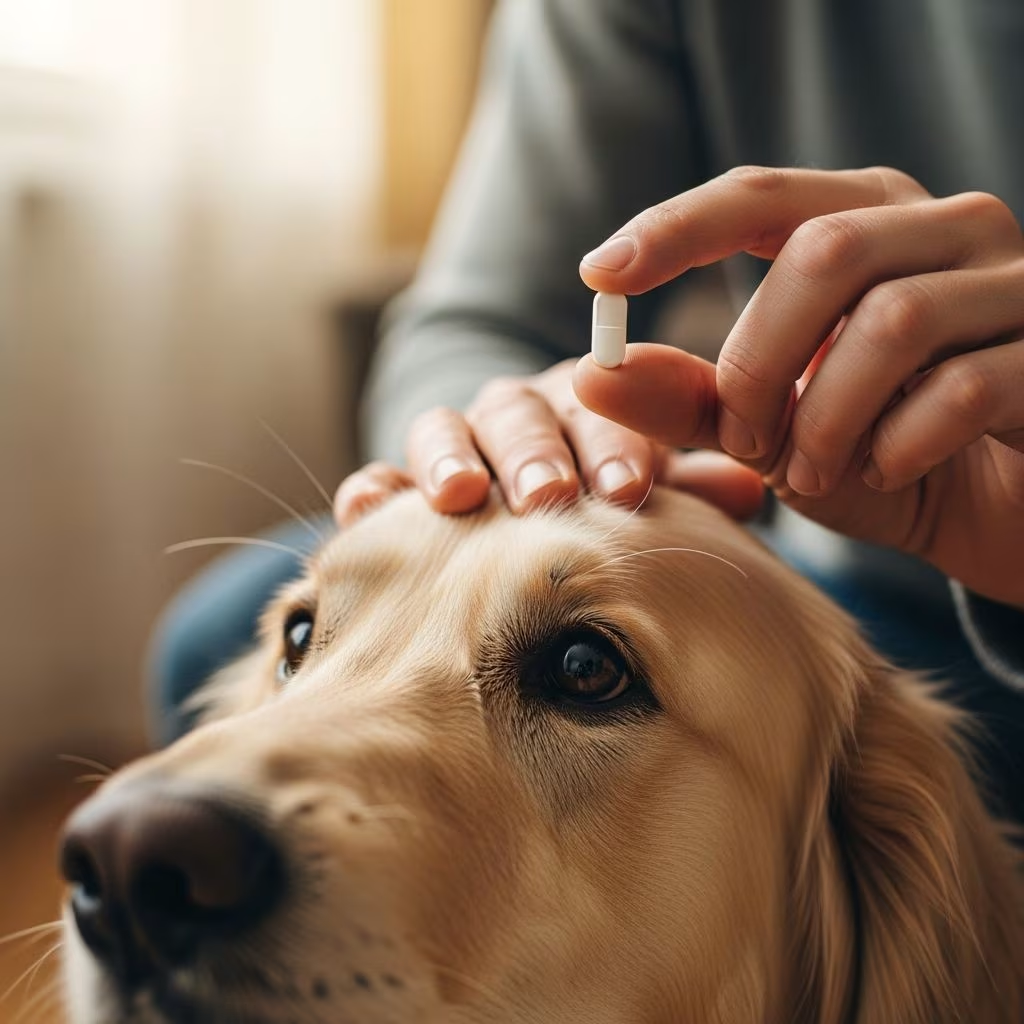
Many pet owners assume that medications safe for humans are equally safe for their dogs. This dangerous misconception has led to countless cases of accidental poisoning in veterinary clinics across the country. Ibuprofen, one of the most commonly used over-the-counter pain relievers in households, represents a significant threat to canine health. Unlike humans who can safely take ibuprofen to manage headaches, arthritis, and minor aches, dogs metabolize this medication in fundamentally different ways, making even small doses potentially life-threatening.
The Fundamental Difference: How Dogs Process Medication
The reason ibuprofen proves so dangerous to dogs lies in their unique metabolic processes. Dogs process nonsteroidal anti-inflammatory drugs (NSAIDs) differently than humans do, resulting in a significantly narrower safety margin. When a human takes ibuprofen, their body manages and eliminates it relatively efficiently. In dogs, the medication remains in their system longer, absorbs more rapidly, and reaches higher blood concentrations than it would in a human taking an equivalent dose.
This metabolic difference means that what constitutes a safe dose for a 150-pound human could prove toxic or even fatal for a 25-pound dog. The drug’s effect on dogs’ gastrointestinal and urinary systems is particularly pronounced, leading to concentrated damage in these sensitive areas. A single tablet may contain enough ibuprofen to poison a dog, and toxicity signs can appear remarkably quickly.
Dosage Guidelines and Toxicity Thresholds
Understanding toxic dosage levels is essential for pet owners who handle ibuprofen regularly in their homes. Research has established specific thresholds at which ibuprofen becomes problematic for dogs:
- Signs of toxicity may appear at doses of 50 mg/kg (approximately 22 mg/lb) for single ingestion episodes
- For cats and smaller dog breeds, as little as one 200 mg tablet can trigger toxicity
- With repeated exposure over time, dogs show toxic reactions at doses as low as 5-6 mg/kg (2-3 mg/lb)
- Acute poisoning has been documented with doses as low as 25 mg/kg
To put this in perspective, a 25-pound dog could experience adverse effects from just half of a standard 200 mg ibuprofen tablet. This means that a curious pet who discovers a bottle of ibuprofen on a nightstand faces genuine danger from what might seem like minimal exposure. The toxic effects are dose-dependent, meaning higher doses produce progressively more severe symptoms and greater organ damage.
Recognizing the Warning Signs of Ibuprofen Poisoning
Early recognition of ibuprofen toxicity is crucial because prompt veterinary treatment can mean the difference between recovery and permanent organ damage. Symptoms can manifest rapidly, sometimes appearing within just 12 hours of ingestion. Pet owners should watch for the following warning signs:
- Vomiting or regurgitation
- Diarrhea, potentially with blood present
- Complete loss of appetite or refusal to eat
- Lethargy, weakness, or reluctance to move
- Visible abdominal pain or sensitivity to touch
- Signs of dehydration
- Pale or white gums indicating anemia
- Increased thirst and frequent urination
- Seizures in severe cases
- Coma or loss of consciousness in critical situations
The severity and progression of symptoms depend on several factors: the amount of ibuprofen ingested, the dog’s body weight, overall health status, and individual sensitivity to the drug. Smaller dogs and those with pre-existing health conditions face higher risks of severe complications.
The Physiological Damage: Organ-Specific Effects
Ibuprofen’s toxic effects in dogs are not limited to a single system but rather create damage across multiple organ systems. Understanding these mechanisms helps explain why even small doses can be problematic:
Gastrointestinal Damage: Ibuprofen inhibits protective prostaglandins in the stomach and intestinal lining, leading to severe bleeding ulcers. These ulcers cause internal bleeding, which can be fatal if not treated promptly. Dogs may vomit blood or pass tarry, dark stools indicating internal hemorrhage.
Kidney Failure: The kidneys are particularly vulnerable to NSAID toxicity. Ibuprofen reduces blood flow to the kidneys and impairs their ability to filter waste products. Acute kidney failure can develop rapidly, presenting a life-threatening emergency.
Liver Damage: While typically associated with massive overdoses, liver damage can occur even with moderate repeated exposure. This damage manifests as impaired ability to process toxins and maintain normal metabolic functions.
Blood Clotting Abnormalities: NSAIDs interfere with platelet function and clotting cascade, potentially leading to excessive bleeding from minor injuries or spontaneous internal hemorrhage.
Comparing Ibuprofen to Other Dangerous Over-the-Counter Medications
Ibuprofen is not the only over-the-counter human medication that poses risks to dogs. Pet owners should understand that several common household pain relievers are equally or similarly toxic:
| Medication | Brand Names | Primary Danger | Safe for Dogs? |
|---|---|---|---|
| Ibuprofen | Advil, Motrin | Gastrointestinal ulcers, kidney and liver damage | No |
| Naproxen | Aleve | Similar to ibuprofen; extremely toxic in dogs | No |
| Acetaminophen | Tylenol | Liver failure, red blood cell damage | No |
| Aspirin | Various brands | Can cause gastrointestinal upset at small doses | Not recommended |
While aspirin is occasionally used in veterinary medicine under professional guidance, it is generally not recommended for dogs and can cause vomiting and diarrhea. The critical point is that no human over-the-counter pain medication should ever be administered to a dog without explicit veterinary authorization.
What to Do If Your Dog Ingests Ibuprofen
Time is critical when a dog has consumed ibuprofen. Immediate action can prevent serious complications or even save your pet’s life. Follow these steps if you suspect ibuprofen ingestion:
- Contact the Pet Poison Hotline immediately at 855-764-7661 for professional guidance
- Call your regular veterinarian right away, providing information about when the medication was ingested and the estimated amount
- If your veterinarian is unavailable, take your dog to the nearest emergency veterinary hospital without delay
- If possible, bring the medication bottle to help veterinarians determine the exact dose and formulation
- Note the time of ingestion, as this affects treatment options
Veterinary treatment for ibuprofen toxicity may include inducing vomiting if the ingestion occurred recently, administering activated charcoal to bind remaining medication in the gastrointestinal tract, providing protective medications for the stomach lining, and supportive care including intravenous fluids to support kidney function. Blood work will likely be performed to assess organ damage, and hospitalization may be necessary for severe cases.
Safe Pain Management Alternatives for Dogs
The good news is that veterinarians now have access to numerous pain management options specifically formulated and tested for canine safety. These prescription NSAIDs and other medications are far safer than human formulations because they are dosed appropriately and monitored carefully:
- Veterinary-Specific NSAIDs: Medications like Galliprant, carprofen, and other canine-formulated NSAIDs provide pain relief with built-in safety margins and dosing guidelines established through veterinary research
- Physical Therapy: For conditions like arthritis, controlled exercise and rehabilitation can reduce pain without medication risks
- Weight Management: Maintaining healthy weight reduces stress on joints and can alleviate chronic pain
- Joint Supplements: Glucosamine and chondroitin may provide mild pain relief and support joint health over time
- Acupuncture: Some dogs respond well to veterinary acupuncture for chronic pain conditions
- Massage and Heat Therapy: These complementary approaches can provide comfort and improve mobility
Any dog experiencing pain deserves professional veterinary evaluation. A veterinarian can accurately diagnose the underlying cause and recommend appropriate, safe treatment options tailored to your individual pet’s needs.
Prevention: Keeping Ibuprofen Away From Curious Pets
The most effective approach to ibuprofen toxicity is prevention. Pet owners should implement strict storage protocols for all over-the-counter medications:
- Store ibuprofen and other medications in high cabinets or shelves that dogs cannot access
- Use childproof containers when possible to provide an additional barrier
- Never leave medication bottles on nightstands, bathroom counters, or other accessible surfaces
- Educate family members, visitors, and guests about the dangers of sharing human medications with pets
- Dispose of expired medications properly and securely
- Keep the Pet Poison Hotline number readily available
Frequently Asked Questions
Can a single dose of ibuprofen kill a dog?
While a single dose of ibuprofen is not necessarily immediately lethal for all dogs, it can cause serious harm. A single 200 mg tablet can poison smaller dogs, and serious complications can develop even in larger dogs. The safety margin is extremely narrow, making even one dose risky.
How long does ibuprofen stay in a dog’s system?
Ibuprofen remains in a dog’s system longer than in humans, and dogs absorb it more rapidly, reaching higher blood concentrations. This prolonged presence increases the risk of organ damage, particularly to the kidneys and gastrointestinal system.
Is there a safe dose of ibuprofen for dogs?
No veterinarian will recommend giving dogs human ibuprofen formulations. While ibuprofen may stay in a dog’s system longer and reach higher blood concentrations, making any dose potentially problematic, veterinary-specific pain medications have established safe dosing protocols.
What if my vet prescribed ibuprofen?
Veterinarians may occasionally prescribe ibuprofen formulated specifically for veterinary use at carefully calculated doses. This is different from giving a dog human ibuprofen. Always follow your veterinarian’s instructions precisely and report any adverse effects immediately.
How common is ibuprofen poisoning in dogs?
Ibuprofen poisoning is remarkably common. Pet Poison Helpline, a 24/7 animal poison control center, receives thousands of calls annually regarding ibuprofen exposure in dogs alone, making it one of the most frequent medication poisoning cases.
Conclusion: Prioritizing Your Dog’s Safety
The temptation to share human medications with our pets comes from a place of love and concern when we see them in pain. However, understanding the fundamental differences in how dogs metabolize medications is crucial for responsible pet ownership. Ibuprofen represents a clear and present danger to canine health, with toxicity possible at remarkably low doses. By maintaining strict storage practices, recognizing the warning signs of poisoning, and working with veterinarians to develop safe pain management plans, pet owners can protect their dogs from this preventable harm. When your dog needs pain relief, always consult a veterinarian rather than reaching for human medications.
References
- Ibuprofen for Dogs: What You Need to Know to Keep Your Pet Safe — MedVet. https://www.medvet.com/is-ibuprofen-toxic-to-dogs/
- Can You Give Dogs Ibuprofen? Here’s Why You Shouldn’t — GoodRx. https://www.goodrx.com/pet-health/dog/can-you-give-dogs-ibuprofen
- Pain Meds for Dogs: What Can You Give a Dog for Pain? — UrgentVet. https://urgentvet.com/pain-meds-for-dogs/
- Can I Give My Dog Advil? No! A Vet Explains Why — Toe Grips. https://toegrips.com/can-i-give-my-dog-advil/
- NSAIDs for Dogs: Everything You Need to Know — PetMD. https://www.petmd.com/dog/general-health/nsaids-dogs-everything-you-need-know
- Ibuprofen & Naproxen — American College of Veterinary Pharmacists. https://vetmeds.org/pet-poison-control-list/ibuprofen-naproxen/
- Ibuprofen Poisoning in Dogs — VCA Animal Hospitals. https://vcahospitals.com/know-your-pet/ibuprofen-poisoning-in-dogs
- Get the Facts about Pain Relievers for Pets — FDA Animal Health Literacy. https://www.fda.gov/animal-veterinary/animal-health-literacy/get-facts-about-pain-relievers-pets
- Ibuprofen Is NOT Your Painful Pet’s Best Friend — Lake Road Animal Hospital. https://lakeroadanimalhospital.com/ibuprofen-is-not-your-painful-pets-best-friend-how-to-safely-keep-your-senior-pet-happy-and-healthy/



