

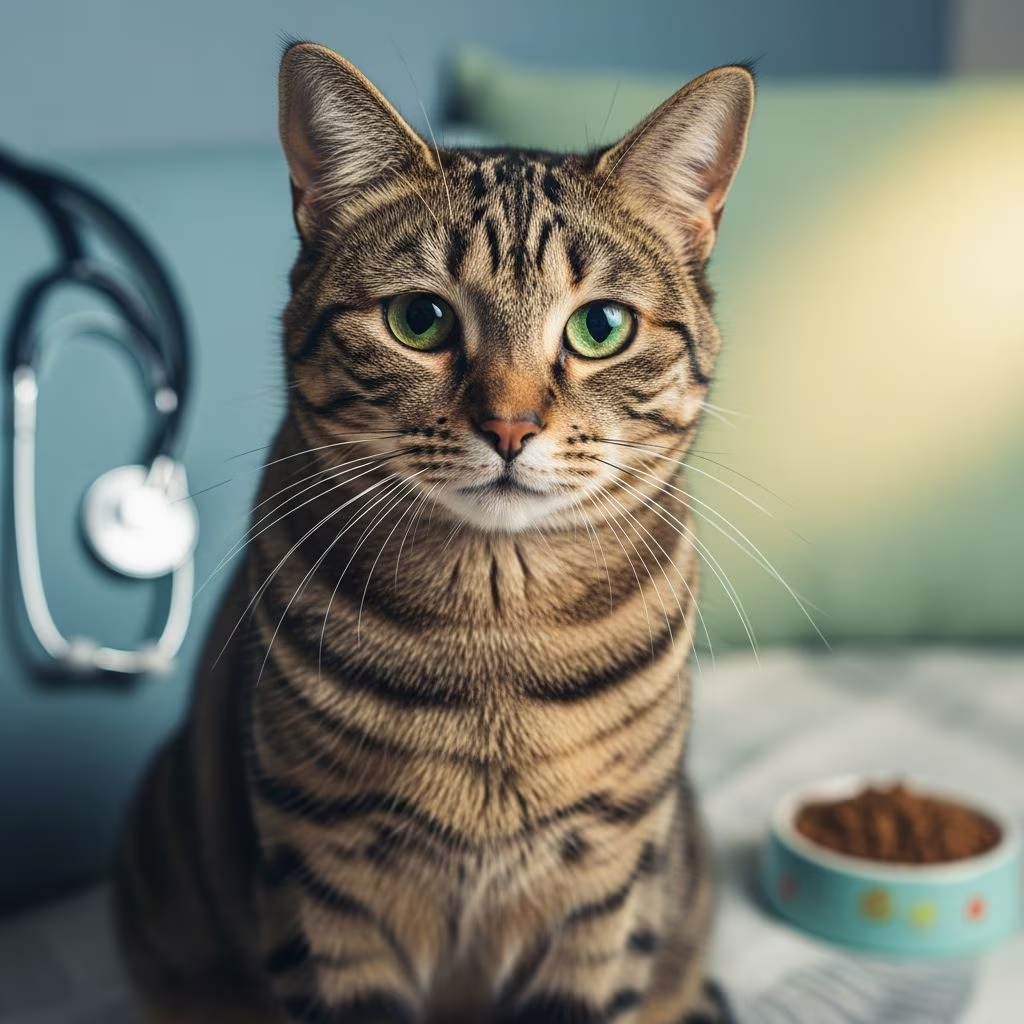
Irritable bowel syndrome (IBS) in cats is a common gastrointestinal disorder that affects many feline companions. Understanding this condition is essential for cat owners who want to provide their pets with the best possible care and quality of life. IBS is a diagnosis of exclusion, meaning veterinarians arrive at this diagnosis only after ruling out all other potential causes of a cat’s digestive symptoms. Unlike inflammatory bowel disease (IBD), which involves actual inflammation and structural changes in the intestines, IBS is characterized by functional digestive disturbances without visible inflammation on biopsies.
Understanding IBS in Cats
Irritable bowel syndrome represents a complex gastrointestinal disorder that presents varied symptoms and can significantly impact a cat’s daily life. The condition is particularly challenging to diagnose because its symptoms overlap considerably with those of other illnesses. Many cat owners struggle to understand whether their pet has IBS or another more serious digestive condition. The key distinction lies in the diagnostic findings: cats with IBS typically have normal biopsy results and normal intestinal wall thickness, whereas cats with IBD show thickened intestinal walls due to chronic inflammatory responses.
Causes of IBS in Cats
The exact cause of IBS in cats remains unclear, but veterinarians and researchers have identified several suspected factors that contribute to the development of this condition:
- Abnormal colonic myoelectrical activity and motility: Irregular muscle contractions and movement patterns in the colon can lead to digestive disturbances
- Changes in neural or neurochemical regulation: Disruptions in how the nervous system controls colonic function may play a significant role
- Stress: Environmental changes, household disruptions, and anxiety can trigger or exacerbate IBS symptoms in sensitive cats
- Dietary intolerances: Specific food ingredients or proteins may trigger digestive responses in susceptible cats
- Lack of dietary fiber: Insufficient fiber intake can affect digestive function and bowel regularity
These factors often work in combination, making it difficult to pinpoint a single cause in individual cats. Stress management and dietary adjustments are therefore crucial components in addressing the underlying factors contributing to IBS development.
Recognizing Symptoms of IBS in Cats
The symptoms of feline IBS vary from cat to cat and can range from mild to severe. Some cats experience frequent episodes, while others have sporadic symptoms that come and go over time. Understanding these signs is essential for early recognition and management of the condition.
Primary Symptoms
The most common symptoms of IBS in cats include:
- Diarrhea: Often intermittent but consistent, sometimes accompanied by mucus
- Constipation: Frequent trips to the litter box to pass small amounts of stool
- Abdominal pain: Visible discomfort or sensitivity in the abdominal region
- Bloating and gas: Abdominal distension and flatulence
- Vomiting: May occur occasionally or frequently depending on severity
- Nausea: Loss of appetite or reluctance to eat
- Dyschezia: Painful or difficult bowel movements
Secondary Symptoms
Cats with IBS may also experience additional symptoms that affect their overall well-being:
- Lethargy and decreased energy levels
- Loss of appetite or changes in appetite
- Gradual weight loss with persistent stress
- Poor coat condition
- Gurgling sounds from the abdomen
It is important to note that episodes of IBS may be frequent, severe, or poorly managed, and the severity can fluctuate over time. Some cats experience periods of remission followed by flare-ups, while others struggle with chronic symptoms.
Diagnostic Procedures for IBS in Cats
Diagnosing IBS in cats requires a thorough and systematic approach, as it is fundamentally a diagnosis of exclusion. Veterinarians must rule out numerous other conditions that present similar symptoms before confirming an IBS diagnosis. The diagnostic process typically involves multiple steps and tests.
Initial Evaluation
Your veterinarian will begin with a comprehensive physical examination and detailed medical history. During this consultation, the vet will ask about:
- Recent potential stressors in your cat’s environment
- Dietary changes or feeding patterns
- Litter box habits and stool consistency
- Duration and frequency of symptoms
- Any medications your cat is currently taking
Diagnostic Tests
To rule out other conditions, your veterinarian may recommend several diagnostic tests:
- Complete blood count (CBC) and blood chemistry panel: Evaluates overall health and organ function
- Fecal examination: Identifies parasites and other infectious agents
- Urinalysis: Rules out urinary tract issues
- Serologic testing: Screens for feline leukemia virus (FeLV) and feline immunodeficiency virus (FIV)
- Abdominal X-rays and ultrasound: Provides visual assessment of the gastrointestinal tract and surrounding organs
- Vitamin B12 testing: Measures cobalamin levels, which can be affected by gastrointestinal absorption issues
Advanced Diagnostic Procedures
In some cases, your veterinarian may recommend more advanced diagnostic procedures to definitively rule out inflammatory bowel disease or other conditions:
- Colonoscopy: A long, flexible tube allows the veterinarian to visualize the colon and take tissue samples if needed
- Endoscopy: Allows visualization of the stomach and upper small intestine
- Intestinal biopsies: Tissue samples can be examined under a microscope to rule out inflammatory, fungal, or neoplastic (abnormal cell growth) conditions
In cats with IBS, biopsies of the stomach and intestinal tissues are typically normal, which helps distinguish IBS from IBD. Cats with IBS may show increased spasticity (muscle stiffening) of the colon and more mucus inside the colon during colonoscopy, but the tissue itself remains structurally normal.
Treatment Options for IBS in Cats
Effective treatment of cats with IBS requires a comprehensive, multi-faceted approach that addresses dietary issues, manages stress, and provides appropriate medical intervention when necessary. There is no single best treatment, so your veterinarian may need to try several different combinations of diet and medication to determine the most effective therapy for your individual cat.
Immediate Symptom Management
The primary goals of IBS treatment are to stop diarrhea and abdominal pain. Your veterinarian may administer the following medications or interventions:
- Intravenous fluids: Restores hydration, particularly important during acute episodes
- Antidiarrheal medications: Helps control diarrhea and normalizes bowel movements
- Stool softeners: Addresses constipation and promotes regular bowel movements
- Antispasmodics: Controls colon spasms and reduces abdominal pain
- Corticosteroids: In severe cases, a short course of corticosteroids (prednisolone) may help relieve inflammation and symptoms
Medical Management
In certain cases, veterinarians may prescribe additional medications to manage specific symptoms:
- Antibiotics: May be beneficial in some cases, particularly when dysbiosis (microbial imbalance) is present
- Anti-inflammatory drugs: Help reduce inflammation and discomfort
- Medications for vomiting: Antiemetics control nausea and vomiting
Dietary Management
Dietary modifications are one of the most important components of long-term IBS management. Many cats benefit significantly from dietary changes alone or in combination with medication.
Diet Elimination Trial
Cats with suspected dietary intolerances may benefit from a diet elimination trial. This involves placing your cat on a diet consisting of a new protein they have never consumed before. This trial helps identify specific protein intolerances and allows you to monitor your cat for improvement over several weeks. During this period, avoid introducing other new foods or treats, as these can interfere with the results of the elimination diet.
Highly Digestible Diets
Switching to a highly digestible and hypoallergenic diet can help identify and eliminate potential dietary triggers. These specialized diets are formulated to be gentle on the digestive system and reduce the likelihood of triggering IBS symptoms. Many cats show significant improvement when switched to prescription or premium digestible diets.
Probiotic and Supplement Support
Nutritional supplements play an important role in supporting digestive health and managing IBS symptoms:
- Probiotics: Beneficial bacteria supplements maintain a healthy bacterial flora in the gut, supporting proper digestive function
- Fiber supplements: When necessary, fiber can be added to the diet to promote regular bowel movements
- B vitamins: Important for cats with malabsorption issues, as IBS can interfere with nutrient absorption
Stress Management and Environmental Enrichment
Stress is a significant trigger for IBS symptoms, making stress management and environmental enrichment crucial components of long-term care. Reducing stress and providing a calm, enriched environment can substantially improve your cat’s symptoms:
- Environmental enrichment: Provide interactive toys, scratching posts, climbing structures, and hiding spots
- Vertical spaces: Cats benefit from vertical territory, which allows them to observe their environment and feel secure
- Consistent routines: Maintain predictable feeding schedules and daily activities
- Calm environment: Minimize loud noises, sudden changes, and household disruptions
- Pheromone products: Consider using synthetic pheromone diffusers to reduce anxiety
Long-Term Management and Recovery
Managing IBS in cats is typically a long-term commitment that requires ongoing attention and adjustments. Recovery from IBS is not about curing the condition but rather effectively managing symptoms and maintaining your cat’s quality of life. Dietary management, stress management, and medical intervention work together to provide comprehensive care for your affected feline.
Nutritional deficiencies are a significant concern in cats with chronic digestive issues, as gastrointestinal inflammation greatly interferes with your cat’s ability to process and absorb nutrients from their diet. Regular monitoring of your cat’s weight, appetite, and overall condition is essential. Your veterinarian may recommend periodic blood tests to assess vitamin B12 and folate levels, which are indicators of proper nutrient absorption.
Some cats require ongoing medication, while others may eventually transition to dietary management alone. The key is working closely with your veterinarian to develop a customized treatment plan tailored to your individual cat’s needs and to adjust the plan as needed based on your cat’s response to treatment.
When to Contact Your Veterinarian
Contact your veterinarian if your cat experiences:
- Persistent or worsening diarrhea or constipation
- Frequent vomiting
- Signs of abdominal pain or distress
- Significant weight loss
- Blood in the stool
- Lethargy or decreased appetite lasting more than a few hours
- Any symptoms that concern you or fail to improve with current management
Frequently Asked Questions (FAQs)
Q: Is IBS the same as IBD?
A: No, IBS and IBD are different conditions. IBS (irritable bowel syndrome) is a functional disorder where tissue biopsies appear normal, while IBD (inflammatory bowel disease) involves actual inflammation and structural changes in the intestines visible on biopsies.
Q: Can IBS in cats be cured?
A: IBS cannot be permanently cured, but symptoms can be effectively managed through diet, stress reduction, and medication. Many cats experience significant improvement or periods of remission with appropriate management.
Q: How long does it take to see improvement with treatment?
A: Response time varies by cat and treatment approach. Dietary changes may take 4-8 weeks to show results, while some medications provide faster symptom relief. Your veterinarian will help monitor progress and adjust treatment accordingly.
Q: Are certain cat breeds more prone to IBS?
A: IBS can affect any cat breed or mixed breed. However, stress-sensitive cats and those with dietary sensitivities may be at higher risk for developing IBS symptoms.
Q: What role does diet play in managing IBS?
A: Diet is crucial in IBS management. Many cases involve dietary intolerances, so switching to highly digestible, hypoallergenic, or novel protein diets often provides significant symptom improvement.
Q: Can stress really trigger IBS symptoms in cats?
A: Yes, stress is a well-documented trigger for IBS in cats. Environmental enrichment and stress reduction are important components of comprehensive IBS management.
Q: Is IBS in cats hereditary?
A: While there is no definitive evidence that IBS is directly hereditary, some cats may have a genetic predisposition to sensitive digestion or stress responses that increase IBS risk.
References
- Irritable Bowel Syndrome in Cats (IBS) — PetMD. Retrieved January 2026. https://www.petmd.com/cat/conditions/digestive/c_ct_irritable_bowel_syndrome
- IBS in Cats: Causes, Symptoms and Treatment — Bark & Whiskers. 2017. https://www.barkandwhiskers.com/2017-10-17-nl-ibs-in-cats/
- Irritable Bowel Syndrome in Cats: A Detailed Guide — PetCareRx. Retrieved January 2026. https://www.petcarerx.com/article/irritable-bowel-syndrome-in-cats-a-detailed-guide/6964
- Inflammatory Bowel Disease in Cats — VCA Animal Hospitals. Retrieved January 2026. https://vcahospitals.com/know-your-pet/inflammatory-bowel-disease-in-cats
- Inflammatory Bowel Disease (IBD) in Cats — Cornell Feline Health Center, Cornell University College of Veterinary Medicine. Retrieved January 2026. https://www.vet.cornell.edu/departments-centers-and-institutes/cornell-feline-health-center/health-information/feline-health-topics/inflammatory-bowel-disease
- Inflammatory Bowel Disease in Cats: Symptoms & Treatment — Animal Biome. Retrieved January 2026. https://www.animalbiome.com/blogs/cat/inflammatory-bowel-disease-in-cats-what-it-is-and-how-to-help



