

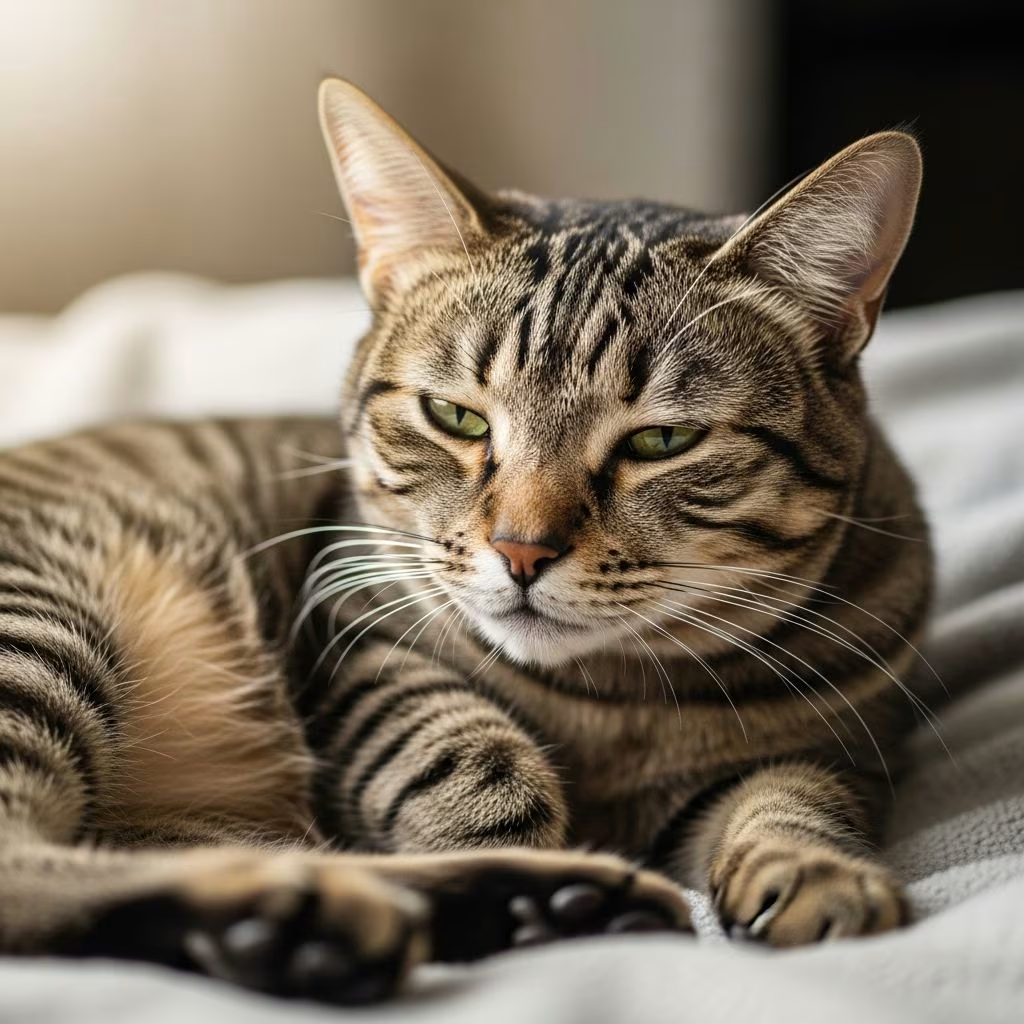
Irritable bowel syndrome (IBS) in cats refers to acute episodes of gastrointestinal distress, often triggered by stress, dietary issues, or colon dysfunction, leading to symptoms like diarrhea and abdominal pain.
What Is Irritable Bowel Syndrome (IBS) in Cats?
IBS in cats manifests as sudden, severe gastrointestinal upset rather than a chronic condition. These episodes typically arise from stressors, food intolerances, or changes in colon motility, disrupting normal digestion. Unlike ongoing diseases, IBS flares are episodic but can recur if underlying triggers persist.
Cats with IBS experience inflammation primarily in the colon, causing discomfort during defecation and irregular stools. Veterinary sources note that while not as well-defined in felines as in humans, IBS-like presentations occur in response to acute triggers. Stressful events, such as moving homes or new pets, can precipitate attacks by altering gut motility and bacterial balance.
IBS vs. IBD in Cats: Key Differences
Distinguishing IBS from inflammatory bowel disease (IBD) is crucial for proper treatment. IBS involves acute, stress- or diet-induced colon inflammation without lasting mucosal damage, while IBD is a chronic syndrome with persistent immune-mediated inflammation in the stomach, intestines, or colon.
| Aspect | IBS in Cats | IBD in Cats |
|---|---|---|
| Onset | Acute, sudden episodes | Chronic, progressive |
| Cause | Stress, diet change, colon dysfunction | Immune response, allergies, bacteria |
| Duration | Short-term flares | Long-term, recurrent |
| Treatment Focus | Symptom relief, stress management | Immunosuppressants, diet trials |
IBD often shows histologic changes like thickened intestinal walls from inflammatory cell infiltration, confirmed via biopsy. IBS lacks these chronic lesions, though some debate exists on whether feline IBS is a distinct entity or mild IBD variant.
Symptoms of IBS in Cats
Recognizing IBS symptoms enables prompt veterinary care. Primary signs include:
- **Diarrhea**, often with mucus, due to colon irritation
- **Dyschezia** (straining or painful defecation)
- **Abdominal bloating or gas**
- **Abdominal pain**, shown by hunching or sensitivity
Additional symptoms may involve nausea, vomiting, lethargy, appetite loss, and weight reduction during prolonged episodes. Cats might vocalize during litter box visits or avoid eating. Severity varies; mild cases resolve quickly, but frequent flares signal management needs.
Observe for patterns: symptoms often follow stress or diet shifts. Differentiate from IBD, where chronic vomiting or bloody diarrhea predominates.
Causes of IBS in Cats
IBS triggers in cats stem from multifactorial sources. Stress disrupts the gut-brain axis, heightening colon sensitivity similar to human IBS. Dietary factors like allergies or sudden food changes provoke intolerance reactions.
Other contributors include bacterial imbalances or motility issues. Unlike IBD’s immune pathology, IBS relates more to functional disorders. Breeds like Orientals may be prone due to stress sensitivity.
How Is IBS Diagnosed in Cats?
Veterinarians diagnose IBS by exclusion after ruling out infections, parasites, or IBD. Initial steps include:
- History review for stress/diet triggers
- Bloodwork to check hydration, organ function
- Fecal analysis for parasites/pathogens
- Imaging (ultrasound/X-rays) for obstructions
Endoscopy or biopsy may confirm no IBD lesions. A diet trial helps identify food sensitivities. No single test exists; it’s clinical based on acute presentation.
Treatment for IBS in Cats
Treatment prioritizes halting diarrhea, easing pain, and addressing triggers. Vets may prescribe:
- **IV fluids** for dehydration
- **Antidiarrheals** like loperamide analogs
- **Stool softeners** for constipation
- **Antispasmodics** for spasms
- Short-term **corticosteroids** (e.g., prednisolone) or antibiotics in severe cases
Probiotics restore gut flora. Hospitalization aids acute flares. Long-term, combine meds with lifestyle changes.
Feeding Cats with IBS
Diet is pivotal for IBS management. Recommend:
- Highly digestible, high-fiber, low-fat foods to normalize stools
- Hydrolyzed protein or novel proteins (e.g., rabbit) for elimination trials
- Avoid abrupt changes; transition slowly
Fiber sources like psyllium aid motility. Wet foods hydrate. Monitor 4-8 weeks for improvement. Consult vets for prescription diets like Hill’s i/d.
Recovery and Management of IBS in Cats
Recovery hinges on trigger avoidance. Strategies include:
- Stress reduction: Pheromone diffusers, stable routines, hiding spots
- Probiotics/prebiotics: Support microbiome
- Diet trials: Identify allergens via 8-week novel protein feeds
- Regular vet check-ups for flare prevention
Most cats respond well, with flares decreasing via management. Prognosis excels without complications. Concurrent issues like pancreatitis warrant monitoring.
Frequently Asked Questions (FAQs)
What causes IBS in cats?
Stress, dietary intolerances, or colon motility changes trigger acute IBS episodes.
Is IBS the same as IBD in cats?
No, IBS is acute and functional; IBD is chronic with mucosal inflammation.
Can diet cure IBS in cats?
Diet manages symptoms via elimination trials but doesn’t ‘cure’; combined with stress control.
How long does a cat IBS episode last?
Days to weeks with treatment; unmanaged flares recur.
Is IBS fatal in cats?
Rarely, if dehydration is addressed promptly.
References
- Irritable Bowel Syndrome in Cats (IBS) — PetMD. 2023. https://www.petmd.com/cat/conditions/digestive/c_ct_irritable_bowel_syndrome
- Inflammatory Bowel Disease in Cats — VCA Animal Hospitals. 2023. https://vcahospitals.com/know-your-pet/inflammatory-bowel-disease-in-cats
- IBD in Cats – Life Expectancy — LakeCross Veterinary Hospital. 2021-03-30. https://www.lakecross.com/site/blog-huntersville-vet/2021/03/30/ibd-in-cats-life-expectancy
- IBD or IBS: does irritable bowel syndrome exist in cats? — British Veterinary Association (BVA). 2023. https://www.bva.co.uk/news-and-blog/blog-article/ibd-or-ibs-does-irritable-bowel-syndrome-exist-in-cats/
- Feline Idiopathic Inflammatory Bowel Disease — National Institutes of Health (PMC). 2024. https://pmc.ncbi.nlm.nih.gov/articles/PMC10822384/
- Inflammatory Bowel Disease — Cornell University College of Veterinary Medicine. 2023. https://www.vet.cornell.edu/departments-centers-and-institutes/cornell-feline-health-center/health-information/feline-health-topics/inflammatory-bowel-disease



