

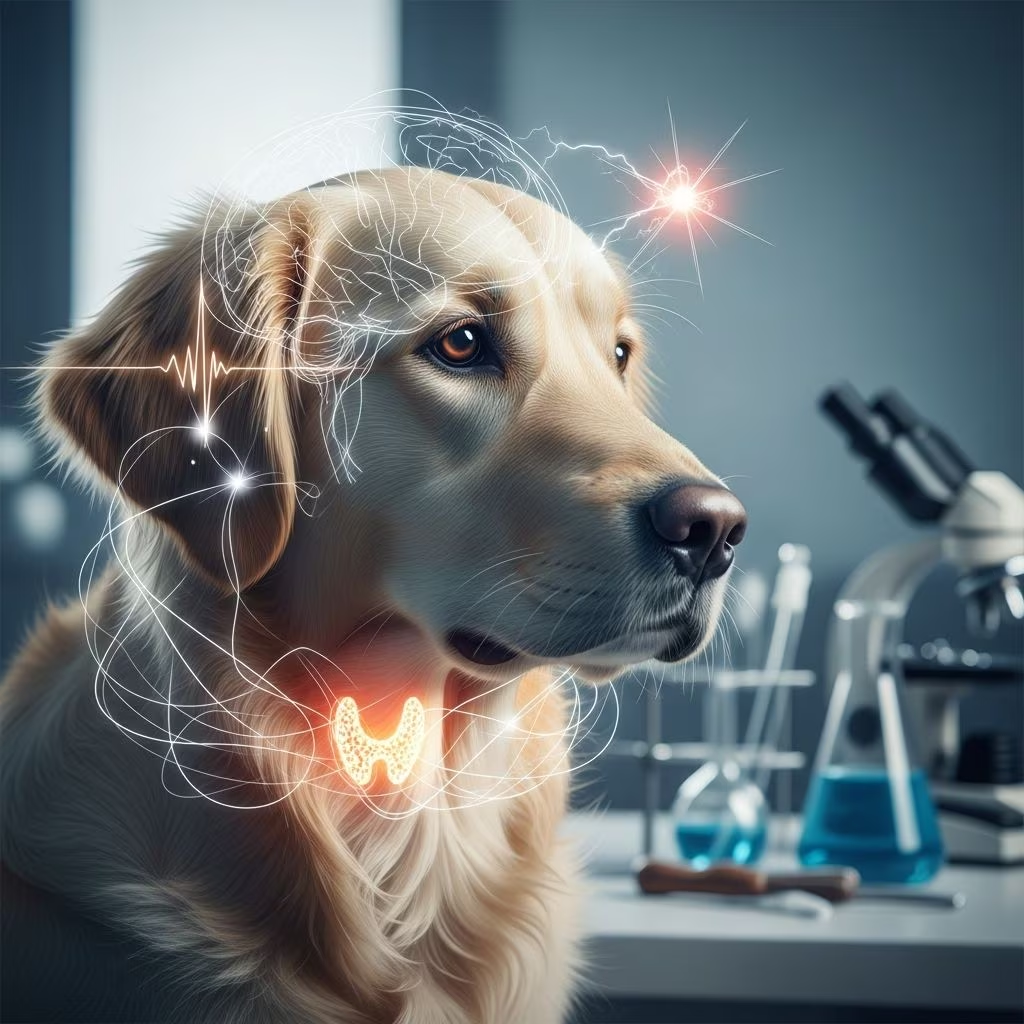
Hypothyroidism occurs when a dog’s thyroid gland fails to produce enough hormones, disrupting metabolism and leading to severe issues like seizures in advanced cases. This condition affects middle-aged dogs most commonly and requires lifelong management with synthetic hormones.
Understanding the Thyroid’s Role in Canine Health
The thyroid gland, located in the neck, secretes hormones thyroxine (T4) and triiodothyronine (T3) that regulate energy use, body temperature, and organ function. In dogs, primary hypothyroidism stems from immune-mediated destruction (lymphocytic thyroiditis) or gland atrophy, while secondary forms arise from pituitary issues.
When hormone levels drop, cellular metabolism slows, impacting skin, heart, muscles, and brain. Untreated, this cascade can manifest as neurological disturbances, including seizures, due to neuromuscular weakness and altered brain signaling.
Common Symptoms Beyond Seizures
Dogs with hypothyroidism show gradual signs that owners might overlook initially. Key indicators include:
- Weight gain despite unchanged diet, from slowed metabolism.
- Lethargy and reduced activity, with excessive sleeping and reluctance to exercise.
- Cold intolerance, seeking warm spots frequently.
- Skin and coat changes: dry, flaky skin, hair loss (especially tail base and rump), and recurrent infections.
- Ear issues: red, smelly ears prone to infections.
- Facial expression appearing sad or droopy, termed ‘tragic face’.
- High cholesterol and anemia, detectable via bloodwork.
These symptoms progress slowly, but neurological ones signal urgency.
The Dangerous Link: Hypothyroidism Causing Seizures
Advanced hypothyroidism triggers neuromuscular problems like ataxia (wobbling), head tilt, circling, paw knuckling, and seizures. Seizures arise from thyroid deficiency slowing brain and nerve function, potentially mimicking epilepsy.
Owners report mild ‘seizure-like’ episodes initially, escalating without intervention. Unlike idiopathic epilepsy, these resolve with thyroid treatment, highlighting the need for thyroid screening in seizing dogs.
| Feature | Hypothyroid-Related Seizures | Idiopathic Epilepsy |
|---|---|---|
| Onset Age | Middle-aged adults | Typically under 6 years |
| Associated Signs | Lethargy, weight gain, skin issues | Isolated seizures |
| Response to Thyroid Meds | Resolves with levothyroxine | No response |
| Bloodwork | Low T4, high cholesterol | Normal thyroid levels |
This table aids differentiation; always consult a vet for diagnostics.
Diagnosis: Confirming the Thyroid-Seizure Connection
Vets diagnose via clinical signs, blood tests measuring total T4, free T4, and TSH. Low T4 with high TSH confirms primary hypothyroidism. Repeat testing avoids false lows from non-thyroid illnesses or breeds like sighthounds with naturally low levels.
Drugs interfering with tests include phenobarbital (anti-seizure), steroids, NSAIDs, propranolol, clomipramine, and sulfa antibiotics—disclose all meds. For seizuring dogs, thyroid panels are routine alongside neurology workups.
Proven Treatment Strategies
Hypothyroidism demands lifelong oral levothyroxine (e.g., Thyro-Tabs Canine, ThyroKare), FDA-approved synthetics mimicking T4. Dosing starts weight-based, given once or twice daily.
- Initial monitoring: Blood checks every 4-8 weeks to adjust dose until stable.
- Ongoing checks: Every 6-12 months, or if symptoms change.
- Improvement timeline: Energy boosts in days; skin/coat in 4-8 weeks.
Dogs with heart disease need cardiac monitoring post-start, as thyroid meds boost heart rate. Prognosis excels with compliance; untreated cases risk shortened lifespan from multi-organ effects.
Potential Treatment Risks and Monitoring
Overdosing causes thyrotoxicosis: hyperactivity, panting, rapid pulse, vomiting, diarrhea, weight loss. Adjust if seen.
For hypothyroid dogs on anti-seizure meds like phenobarbital or levetiracetam (Keppra), coordinate dosing—thyroid therapy often reduces seizure needs.
Supportive and Natural Adjuncts
While levothyroxine is cornerstone, vets may suggest:
- Nutraceuticals: Iodine, selenium, zinc for T4-to-T3 conversion.
- Diet: High-quality, gluten-free foods; fermented options for gut health.
- Lifestyle: Daily exercise, fluoride-free water.
These complement, not replace, meds. Antibiotics treat secondary infections.
Preventing Progression in At-Risk Dogs
Breeds like Golden Retrievers, Dobermans, and Boxers face higher risk. Annual senior bloodwork catches early. Prompt treatment averts seizures and improves quality of life.
Frequently Asked Questions (FAQs)
Can hypothyroidism cause seizures in dogs?
Yes, untreated hypothyroidism leads to neuromuscular issues including seizures from slowed nerve function.
How quickly do seizures stop after starting treatment?
Neurological signs often resolve within weeks of consistent levothyroxine, though full stabilization takes monitoring.
Is lifelong medication always necessary?
Hypothyroidism has no cure; daily thyroid replacement is required for life.
What if my dog is on seizure meds already?
Thyroid treatment may allow dose reduction; safe to start concurrently, with vet oversight.
Are there breed-specific considerations?
Sighthounds have lower baseline T4; avoid misdiagnosis.
Long-Term Outlook and Owner Tips
With treatment, most dogs regain vitality, shedding dull coats for shiny ones and resuming play. Track weight, energy, and stool; report changes promptly. Lifelong commitment yields a happy, healthy companion.
Early detection transforms outcomes—routine vet visits are key.
References
- Hypothyroidism in Dogs—There are FDA-Approved Drugs to Treat It — U.S. Food and Drug Administration. 2023-10-05. https://www.fda.gov/animal-veterinary/animal-health-literacy/hypothyroidism-dogs-there-are-fda-approved-drugs-treat-it
- Hypothyroidism in Dogs — Westmoreland Animal Hospital. 2024-02-29. https://www.westmorelandah.com/site/blog/2024/02/29/hypothyroidism-dogs
- Hypothyroidism in Dogs: The Ultimate Guide — ToeGrips. 2024. https://toegrips.com/hypothyroidism-in-dogs/
- Hypothyroidism in Dogs: Treatment Options — Animal Friends Dermatology. 2024-05-15. https://www.animalfriendsdermatology.com/site/blog/2024/05/15/hypothyroidism-dogs-treatment
- Hypothyroidism — Metropolitan Veterinary Associates. 2024. https://metro-vet.com/references/hypothyroidism/
- Hypothyroidism — Cornell University College of Veterinary Medicine. 2024. https://www.vet.cornell.edu/departments-centers-and-institutes/riney-canine-health-center/canine-health-information/hypothyroidism
- Hypothyroidism in Dogs — PetMD. 2024. https://www.petmd.com/dog/conditions/endocrine/c_dg_hypothyroidism



