

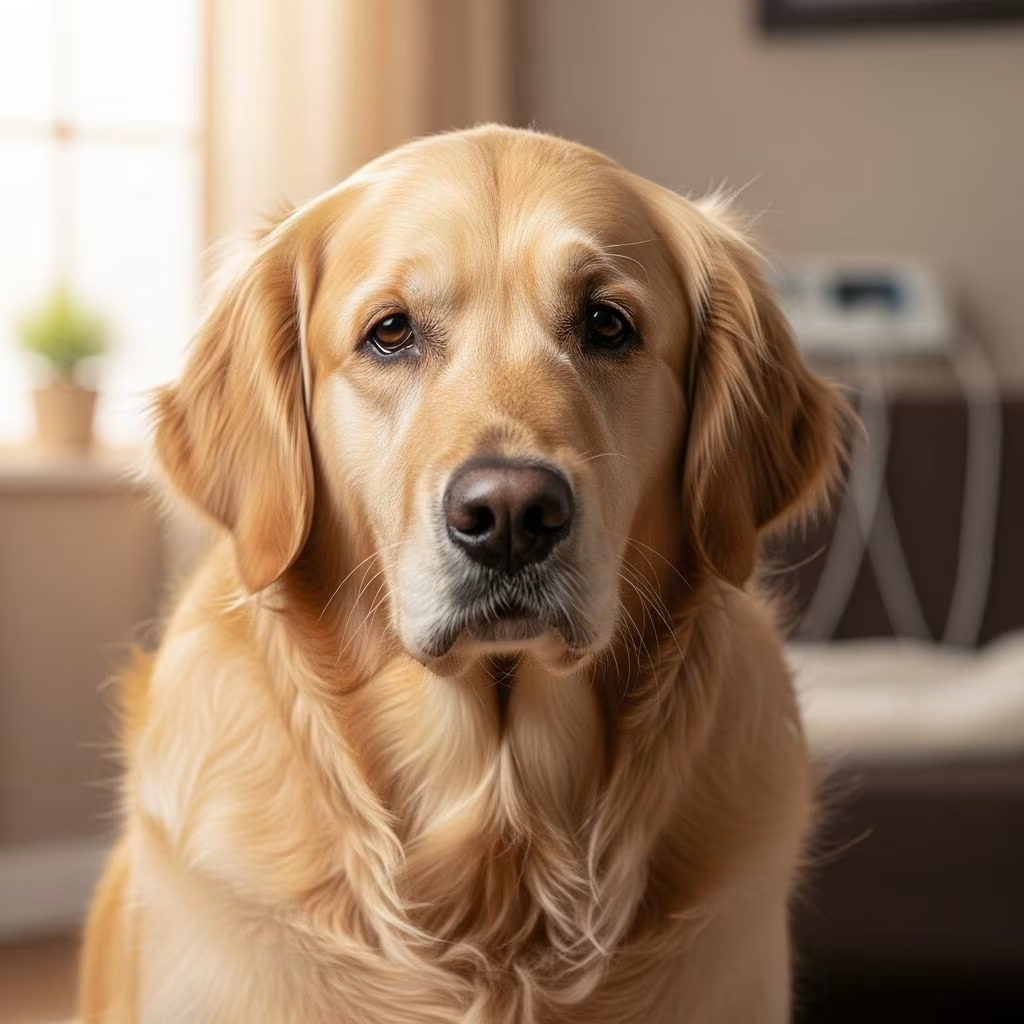
Hypothyroidism occurs when a dog’s thyroid gland fails to produce sufficient hormones, primarily thyroxine (T4) and triiodothyronine (T3), leading to a slowed metabolism and various health challenges. This endocrine disorder is prevalent in middle-aged to older dogs, particularly certain breeds, and requires lifelong management for optimal outcomes.
Understanding the Thyroid’s Role in Canine Health
The thyroid glands, located in a dog’s neck, regulate metabolism, energy levels, skin and coat condition, heart function, and temperature control. These hormones influence nearly every body system, ensuring vitality and responsiveness. When production drops, dogs exhibit widespread effects, from behavioral changes to dermatological issues.
Primary hypothyroidism, accounting for most cases, stems from direct thyroid damage, while secondary forms are rarer and involve pituitary gland issues. Recognizing this distinction aids in precise veterinary care.
Common Causes Behind Thyroid Dysfunction
Two primary mechanisms destroy thyroid tissue in dogs: lymphocytic thyroiditis and idiopathic atrophy. Lymphocytic thyroiditis, the leading cause, involves the immune system mistakenly attacking thyroid cells, often with a genetic basis in breeds like Doberman Pinschers and Golden Retrievers.
Idiopathic atrophy sees functional thyroid tissue replaced by non-producing fat cells, with unknown triggers. Less common etiologies include congenital defects, iodine deficiencies, or tumors, but these are infrequent in adult dogs.
- Lymphocytic thyroiditis: Autoimmune destruction, heritable in predisposed breeds.
- Idiopathic atrophy: Fatty replacement of glandular tissue.
- Rare causes: Congenital dyshormonogenesis or TSH abnormalities.
Recognizing the Signs: Symptoms to Watch For
Symptoms develop gradually, often mistaken for aging, making early detection crucial. Metabolic slowdown manifests as lethargy, mental dullness, and exercise intolerance.
| Category | Symptoms |
|---|---|
| Metabolic | Weight gain despite unchanged diet, cold intolerance, slowed heart rate. |
| Dermatologic | Excessive shedding, dry brittle coat, hair loss (especially trunk), hyperpigmentation, scaling, recurrent infections. |
| Behavioral | Fatigue, prolonged sleep, reduced playfulness. |
| Other | Anemia, high cholesterol, neurological issues like weakness or seizures in severe cases. |
Skin changes, such as post-clipping alopecia or thickened, darkened areas in friction zones like armpits, are hallmarks. Owners may notice a “puppy coat” from brittle outer hairs.
Breeds at Higher Risk and Factors Influencing Susceptibility
Middle-aged dogs (4-10 years) of medium to large breeds face elevated risk. Predisposed breeds include:
- Doberman Pinschers
- Golden Retrievers
- Labrador Retrievers
- Irish Setters
- Boxers, Cocker Spaniels, and Dachshunds
Sighthounds like Greyhounds naturally have lower T4 levels, complicating diagnosis. Medications such as phenobarbital, steroids, or sulfa antibiotics can suppress thyroid function, mimicking or exacerbating the condition.
Diagnostic Process: Confirming Hypothyroidism
Veterinarians start with a thorough history and physical exam, noting symmetric hair loss and dull coat. Blood tests measure total T4, free T4, and TSH for accuracy, as low T4 alone is insufficient due to non-thyroidal illness effects.
Elevated TSH with low T4 confirms primary hypothyroidism. Additional panels screen for anemia, high cholesterol, or organ function. Advanced imaging or biopsies are rare unless tumors are suspected.
- Initial screening: Total T4 and chemistry panel.
- Confirmatory: Free T4 (via equilibrium dialysis) and TSH.
- Therapeutic trial: Monitored levothyroxine response if tests are borderline.
Treatment Strategies: Restoring Hormonal Balance
Lifelong oral levothyroxine (e.g., Thyro-Tabs Canine, ThyroKare) is the cornerstone, FDA-approved for dogs. Dosing starts at 0.02 mg/kg once or twice daily, adjusted via follow-up bloodwork every 4-6 weeks.
Energy improves within weeks, but skin regrowth takes months. Owners administer on an empty stomach for optimal absorption.
| Dosing Phase | Frequency | Monitoring |
|---|---|---|
| Initiation | 0.02 mg/kg q24h or q12h | Blood T4 4-6 weeks post-start |
| Maintenance | Once daily preferred | Every 6-12 months |
| Overdose signs | N/A | Tachycardia, polydipsia, weight loss |
Monitoring and Long-Term Management
Regular T4 checks ensure therapeutic levels (1-4 hours post-dose). Pre- and post-pill sampling refines dosing. Annual exams track cholesterol, weight, and coat quality.
Diet supports management: moderate-fat, high-fiber foods aid weight control without excess calories. Avoid iodine extremes; consult vets on supplements.
Potential Complications and Prognosis
Untreated, it leads to obesity-related issues, infections, or myxedema coma (rare). Over-treatment causes thyrotoxicosis: hyperactivity, rapid pulse, GI upset. Prognosis excels with compliance; most dogs regain normalcy.
FAQs: Common Questions on Canine Hypothyroidism
Can hypothyroidism be cured in dogs?
No, it’s managed lifelong with daily medication, but symptoms resolve effectively.
How quickly do symptoms improve after starting treatment?
Lethargy lifts in 1-4 weeks; dermatologic changes need 3-6 months.
Is hypothyroidism hereditary?
Often, especially lymphocytic thyroiditis in breeds like Goldens.
Can diet alone treat hypothyroidism?
No, hormone replacement is essential; diet supports weight management.
What if my dog refuses thyroid pills?
Compounding into treats or liquids; consult your vet for options.
Preventive Measures and When to Seek Help
Genetic screening for at-risk breeds and prompt vet visits for subtle changes aid early intervention. Routine senior bloodwork detects subclinical cases.
If your dog gains weight inexplicably, shivers in warmth, or loses hair symmetrically, schedule diagnostics promptly.
References
- Hypothyroidism in Dogs: Causes, Symptoms, and Treatment — GoodRx Pet Health. 2023. https://www.goodrx.com/pet-health/dog/signs-symptoms-of-hypothyroidism-in-dogs
- Canine Hypothyroidism: Diagnosis and Treatment — Today’s Veterinary Practice. 2022-2023. https://todaysveterinarypractice.com/endocrinology/canine-hypothyroidism-diagnosis-and-treatment/
- Hypothyroidism in Animals — Merck Veterinary Manual. 2023. https://www.merckvetmanual.com/endocrine-system/the-thyroid-gland/hypothyroidism-in-animals
- Hypothyroidism in Dogs: Causes, Symptoms & Diet — Carolina Veterinary Specialists. 2021-02-28. https://www.charlotte.carolinavet.com/site/charlotte-emergency-vet-blog/2021/02/28/hypothyroidism-in-dogs-diet
- Hypothyroidism in Dogs—There are FDA-Approved Drugs — U.S. Food and Drug Administration. 2023. https://www.fda.gov/animal-veterinary/animal-health-literacy/hypothyroidism-dogs-there-are-fda-approved-drugs-treat-it
- Hypothyroidism in Dogs — VCA Animal Hospitals. 2023. https://vcahospitals.com/know-your-pet/hypothyroidism-in-dogs
- Canine Hypothyroidism — Cornell University College of Veterinary Medicine. 2023. https://www.vet.cornell.edu/departments-centers-and-institutes/riney-canine-health-center/canine-health-information/hypothyroidism



