

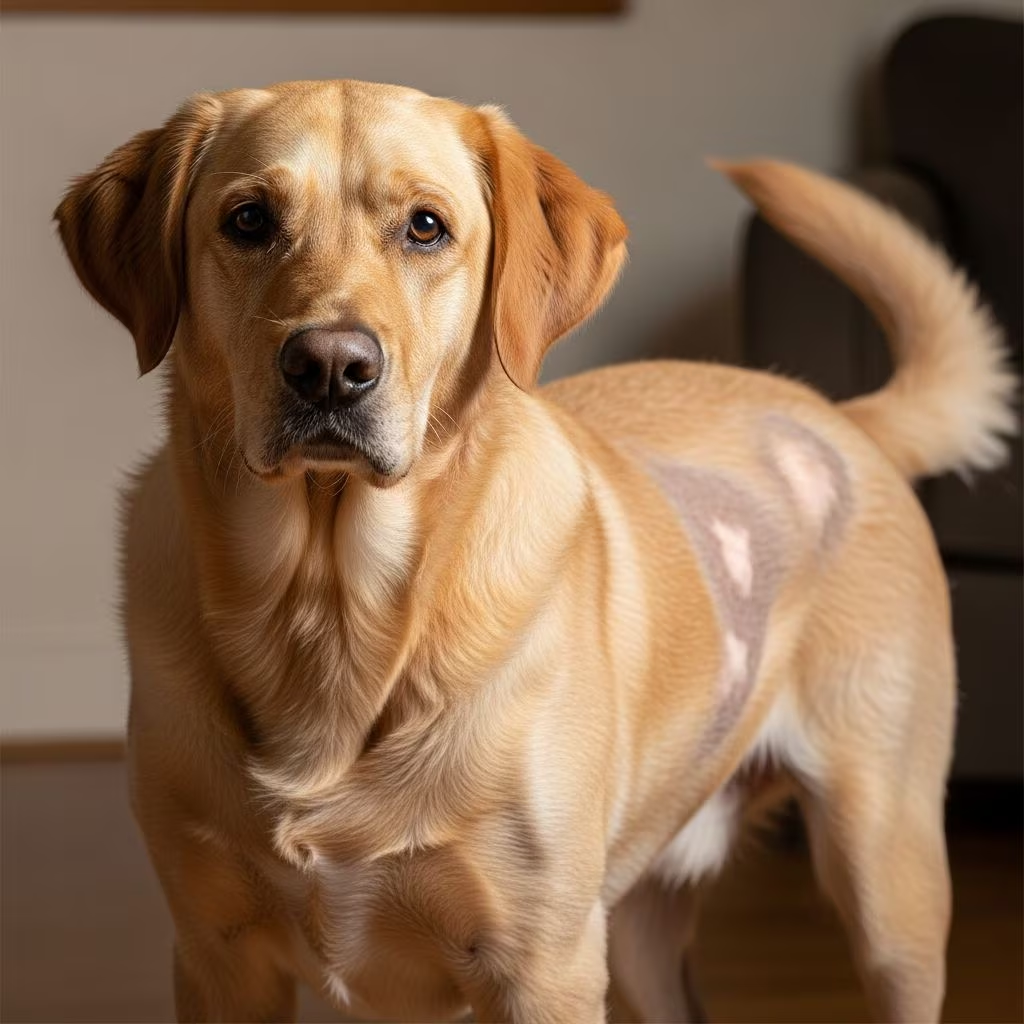
Hypothyroidism is a prevalent endocrine disorder in dogs where the thyroid gland fails to produce sufficient thyroid hormones, primarily thyroxine (T4) and triiodothyronine (T3), leading to a slowed metabolism and various health issues.
What is hypothyroidism in dogs?
Hypothyroidism occurs when a dog’s thyroid glands do not generate enough hormones essential for regulating metabolism, energy levels, skin and coat health, and overall vitality. This condition is one of the most common hormonal diseases in canines, affecting middle-aged to older dogs, particularly breeds like Golden Retrievers, Doberman Pinschers, and Boxers.
The thyroid hormones T4 and T3 play critical roles in maintaining normal body functions. When production drops, dogs experience a cascade of symptoms stemming from reduced metabolic rate. Unlike in humans, where it can be more variable, canine hypothyroidism is almost always primary, meaning the issue originates in the thyroid itself rather than the pituitary gland.
Causes of hypothyroidism in dogs
The primary causes of hypothyroidism in dogs are lymphocytic thyroiditis and idiopathic thyroid gland atrophy, accounting for over 90% of cases. Lymphocytic thyroiditis is an immune-mediated condition where the dog’s immune system attacks the thyroid gland, leading to inflammation and eventual destruction of hormone-producing cells. This is often hereditary, with genetic predispositions in certain breeds.
Idiopathic thyroid gland atrophy involves the replacement of normal thyroid tissue with fat, progressively impairing hormone synthesis. The exact triggers remain unclear, though environmental factors may contribute.
Rarer causes include congenital hypothyroidism from dyshormonogenesis (defective hormone synthesis), thyroid-stimulating hormone (TSH) deficiencies, or abnormal thyroid development. Secondary hypothyroidism, due to pituitary issues, is uncommon in dogs.
Speculative links to external factors like raw diets, vaccines, lawn chemicals, or toxins exist but lack robust evidence; further research is needed.
Symptoms of hypothyroidism in dogs
Symptoms develop gradually and can mimic other conditions, making early detection challenging. They primarily relate to decreased metabolic rate and skin changes.
- Lethargy and mental dullness: Dogs appear tired, unwilling to exercise, and show reduced mental alertness.
- Weight gain: Unexplained obesity despite normal appetite, due to slowed metabolism.
- Cold intolerance: Seeking warm spots and inability to handle cooler temperatures.
- Skin and coat issues: Dull, dry, brittle hair; excessive shedding; hair loss (especially trunk, tail, rear legs); flaky, oily, thickened, or darkened skin; recurrent infections.
- Ear and skin infections: Red, painful, smelly ears; scaly, odorous skin.
- Other signs: High cholesterol, slow heart rate, anemia, muscle weakness, infertility, seizures (rare), lameness, or coordination problems.
These symptoms often worsen over time, impacting quality of life. Female dogs may show reproductive issues, while intact males could experience reduced fertility.
Diagnosis of hypothyroidism in dogs
Diagnosing hypothyroidism requires ruling out mimicking conditions like allergies or Cushing’s disease. Veterinarians start with a thorough history, physical exam, and blood tests measuring T4, free T4 (fT4), and TSH levels. Low T4 alone is insufficient due to non-thyroidal illness effects; elevated TSH with low T4 confirms primary hypothyroidism.
Additional tests may include complete blood count (CBC), chemistry panel for cholesterol elevation, and thyroid autoantibodies for thyroiditis. Imaging like ultrasound assesses gland structure, though not routine.
Challenges arise from ‘sick euthyroid syndrome’ where illness lowers T4 without true hypothyroidism. Trial treatments or repeat testing post-recovery may be needed.
Treatment for hypothyroidism in dogs
There is no cure; treatment involves lifelong daily oral thyroid hormone replacement with levothyroxine (e.g., Thyro-Tabs Canine, ThyroKare), FDA-approved for dogs. Starting dose is typically 0.02 mg/kg once or twice daily.
Energy improves within weeks, but skin/coat recovery takes 4-6 months. Dosage adjustments via blood tests every 4-6 weeks initially, then every 6-12 months.
Overdose risks tachycardia, polydipsia, polyuria, weight loss; contact vet immediately. Some vets explore nutraceuticals like iodine or selenium, but consult professionals first.
| Symptom | Time to Improvement |
|---|---|
| Lethargy/Energy | 1-4 weeks |
| Weight | 4-6 weeks |
| Hair regrowth/Skin | 3-6 months |
Prognosis and management
With consistent treatment, prognosis is excellent; most dogs regain normal health and activity. Lifelong therapy and monitoring prevent relapse. Annual bloodwork ensures stable levels. Diet management aids weight control; avoid iodine excesses.
Owners report dramatic improvements in demeanor and coat quality. Untreated, it leads to chronic issues like atherosclerosis or neurologic deficits.
FAQs
Is hypothyroidism common in dogs?
Yes, it’s one of the most frequent endocrine disorders, especially in middle-aged, medium-to-large breeds.
Can hypothyroidism be cured?
No, but lifelong medication fully manages it, restoring normal function.
What breeds are prone to hypothyroidism?
Golden Retrievers, Dobermans, Irish Setters, Boxers, and Dachshunds have higher risks.
How much does treatment cost?
Initial diagnostics: $100-300; monthly meds: $20-50; monitoring: $50-150 per visit. Varies by location.
Are there natural treatments?
Supplements like selenium may support, but prescription levothyroxine is standard; vet guidance essential.
What if my dog refuses meds?
Compounding pharmacies offer flavored chews or liquids; consistency is key.
References
- Hypothyroidism in Dogs: Causes, Symptoms, and Treatment — GoodRx. 2023. https://www.goodrx.com/pet-health/dog/signs-symptoms-of-hypothyroidism-in-dogs
- Canine Hypothyroidism: Diagnosis and Treatment — Today’s Veterinary Practice. 2023. https://todaysveterinarypractice.com/endocrinology/canine-hypothyroidism-diagnosis-and-treatment/
- Natural Treatment Options For Dogs With Hypothyroidism — English Creek Vet. 2023-03-15. https://www.englishcreekvet.com/site/blog/2023/03/15/natural-treatment-options-dogs-hypothyroidism
- Hypothyroidism in Animals — Merck Veterinary Manual. 2023. https://www.merckvetmanual.com/endocrine-system/the-thyroid-gland/hypothyroidism-in-animals
- Hypothyroidism in Dogs—There are FDA-Approved Drugs to Treat It — FDA. 2023. https://www.fda.gov/animal-veterinary/animal-health-literacy/hypothyroidism-dogs-there-are-fda-approved-drugs-treat-it
- Hypothyroidism in Dogs: Symptoms and Treatment — WebMD. 2023. https://www.webmd.com/pets/dogs/hypothyroidism-in-dogs



