

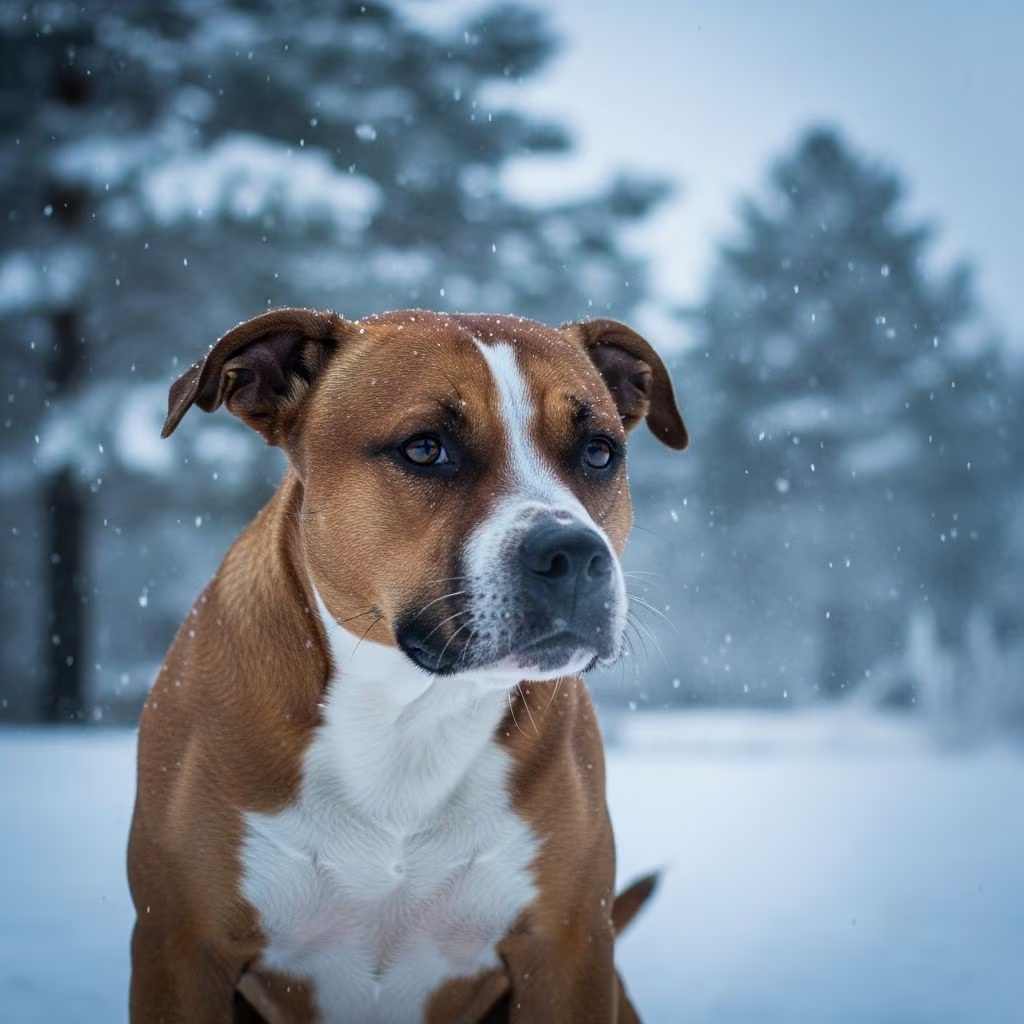
Dogs can suffer from hypothermia when their core body temperature drops below the normal range of 99-102.5°F, often due to cold exposure or health issues. This condition ranges from mild shivering to life-threatening organ failure if untreated.
Understanding the Science Behind Canine Hypothermia
Hypothermia develops when a dog’s heat production fails to match heat loss, influenced by environmental factors and physiology. Smaller breeds, puppies, and seniors lose heat faster due to higher surface-area-to-volume ratios. Wet fur or wind amplifies cooling, as water conducts heat 25 times faster than air.
Normal canine thermoregulation relies on shivering, vasoconstriction, and metabolic heat. When these mechanisms overwhelm, body temperature plummets: mild (99-90°F), moderate (90-82°F), severe (<82°F). Early intervention prevents complications like cardiac arrhythmias or coma.
Primary Triggers of Hypothermia in Canines
Several factors contribute to this dangerous drop in body heat. Understanding them helps owners act proactively.
- Extreme Cold Exposure: Leaving dogs outside in sub-freezing temperatures without shelter is the top cause. Even short walks in wind chill below 20°F pose risks.
- Moisture on Fur: Rain, snow, or baths followed by cold air cause rapid heat loss. Wet dogs cool 4-5 times faster than dry ones.
- Medical Conditions: Hypothyroidism, heart disease, kidney issues, or low blood pressure impair heat generation. Shock from injury or trauma also triggers it.
- Age and Size Vulnerabilities: Newborn puppies, elderly dogs, and toy breeds like Chihuahuas have less fat insulation and muscle mass for warmth.
- Anesthesia or Sedation: Post-surgery dogs often experience temporary hypothermia due to slowed metabolism.
Recognizing Early Warning Signs
Spotting symptoms promptly can save lives. Progression varies by severity, so monitor closely during cold snaps.
| Severity Level | Body Temp (°F) | Common Symptoms |
|---|---|---|
| Mild | 99-90 | Intense shivering, hunched posture, cold extremities, whining |
| Moderate | 90-82 | Muscle rigidity, sluggishness, weak pulse, pale/blue gums, shallow breaths |
| Severe | <82 | Unconsciousness, dilated pupils, no shivering, coma risk, organ shutdown |
Always check rectal temperature for accuracy; below 98.5°F confirms hypothermia. Behavioral shifts like reluctance to move or confusion signal urgency.
Immediate Response Steps for Suspected Cases
Act fast but avoid mistakes like hot water immersion, which causes shock.
- Remove from Cold: Bring indoors to a draft-free room above 70°F.
- Dry Thoroughly: Towel off wet fur, focusing on paws, ears, and belly.
- Warm Gradually: Use blankets warmed in a dryer, hot water bottles (wrapped), or low-setting heating pads against the body core.
- Monitor Temperature: Check every 10 minutes; seek vet if below 95°F.
- Hydrate Carefully: Offer lukewarm water or broth if alert; no food until stable.
Never use direct heat sources like hairdryers unwatched or human bedding, as burns occur easily.
Professional Veterinary Interventions
For moderate/severe cases, rush to a vet. They use advanced protocols to rewarm safely.
- Warm IV Fluids: Deliver body-temperature saline to raise core heat internally without shock.
- Oxygen Support: Masks or cages improve breathing and circulation.
- Advanced Warming Devices: Circulating warm air blankets or water-circulating pads provide controlled heat.
- Monitoring Tools: ECG for heart rhythm, blood tests for organ damage, continuous temp tracking.
- Enemas or Peritoneal Lavage: Rare for severe cases to warm abdomen directly.
Recovery time varies: mild cases stabilize in hours; severe may need hospitalization days. Prognosis improves with early care.
High-Risk Breeds and Pets
Not all dogs face equal threats. Short-haired breeds like Greyhounds, thin-coated ones like Whippets, and Arctic breeds in mild climates paradoxically overheat but chill in wet cold.
- Small breeds: Less insulation.
- Seniors: Reduced metabolism.
- Puppies: Immature regulation.
- Ill dogs: Conditions like diabetes exacerbate risks.
Proven Prevention Strategies for Winter Safety
Preparation beats reaction. Integrate these habits year-round.
- Limit Outdoor Time: Walks under 10-15 minutes in temps below 32°F; skip if wind chill drops lower.
- Dress Appropriately: Coats, booties for paws protect vulnerable areas.
- Dry Post-Exposure: Towel rub after snow/rain; check between toes.
- Indoor Warmth: Heated beds, draft blockers; maintain 68-72°F home temp.
- Nutrition Boost: Higher-calorie food in winter aids heat production; vet-approved.
- Health Screenings: Annual checkups catch hypothyroidism or heart issues early.
Seasonal Care Checklist
| Action | Frequency | Why It Matters |
|---|---|---|
| Check paws for ice/salt | After every walk | Prevents frostbite and pain |
| Weigh and condition monitor | Weekly | Ensures fat insulation |
| Vet wellness exam | Annually | Detects vulnerabilities |
| Update emergency kit (blankets, thermometer) | Seasonally | Ready for crises |
Frequently Asked Questions (FAQs)
Can my dog get hypothermia indoors?
Yes, especially in drafty homes, after baths, or if ill. Keep ambient temps stable.
How long does recovery take?
Mild: 1-2 hours; moderate: 24 hours; severe: days with monitoring.
Is shivering always hypothermia?
No, but combined with lethargy or cold ears, it signals risk. Measure temp to confirm.
What if my dog stops shivering?
Dangerous—means exhaustion. Seek emergency vet care immediately.
Do all breeds need coats?
Northern breeds may not, but thin-coated or small dogs benefit greatly.
Long-Term Monitoring After an Episode
Post-hypothermia, watch for delayed effects like aspiration pneumonia or clotting issues. Schedule follow-up bloodwork. Strengthen prevention to avoid recurrence, as repeat exposure worsens outcomes.
References
- Dog Hypothermia: Causes, Symptoms, Treatment and How To … — Berthoud Animal Hospital. 2023. https://berthoudanimalhospital.com/blog/dog-hypothermia/
- Hypothermia in Dogs: Causes, Signs, Treatment and Prevention — Broomfield Vet. 2023. https://broomfieldvet.com/blog/dog-hypothermia/
- Dog Hypothermia: Causes, Treatment and Prevention — Glenwood Pet Hospital. 2023. https://glenwoodpethospital.com/blog/dog-hypothermia/
- Hypothermia in Dogs: Causes, Symptoms & Treatment — Purina US. 2024. https://www.purina.com/articles/dog/health/symptoms/hypothermia-in-dogs
- Hypothermia in Dogs: Signs and Treatment — Partners Vet South Loop. 2023. https://partnersvetsl.com/blog/hypothermia-in-dogs/
- How To Recognize and Prevent Hypothermia in Dogs — CareCredit Well-U. 2024. https://www.carecredit.com/well-u/pet-care/hypothermia-in-dogs/



