

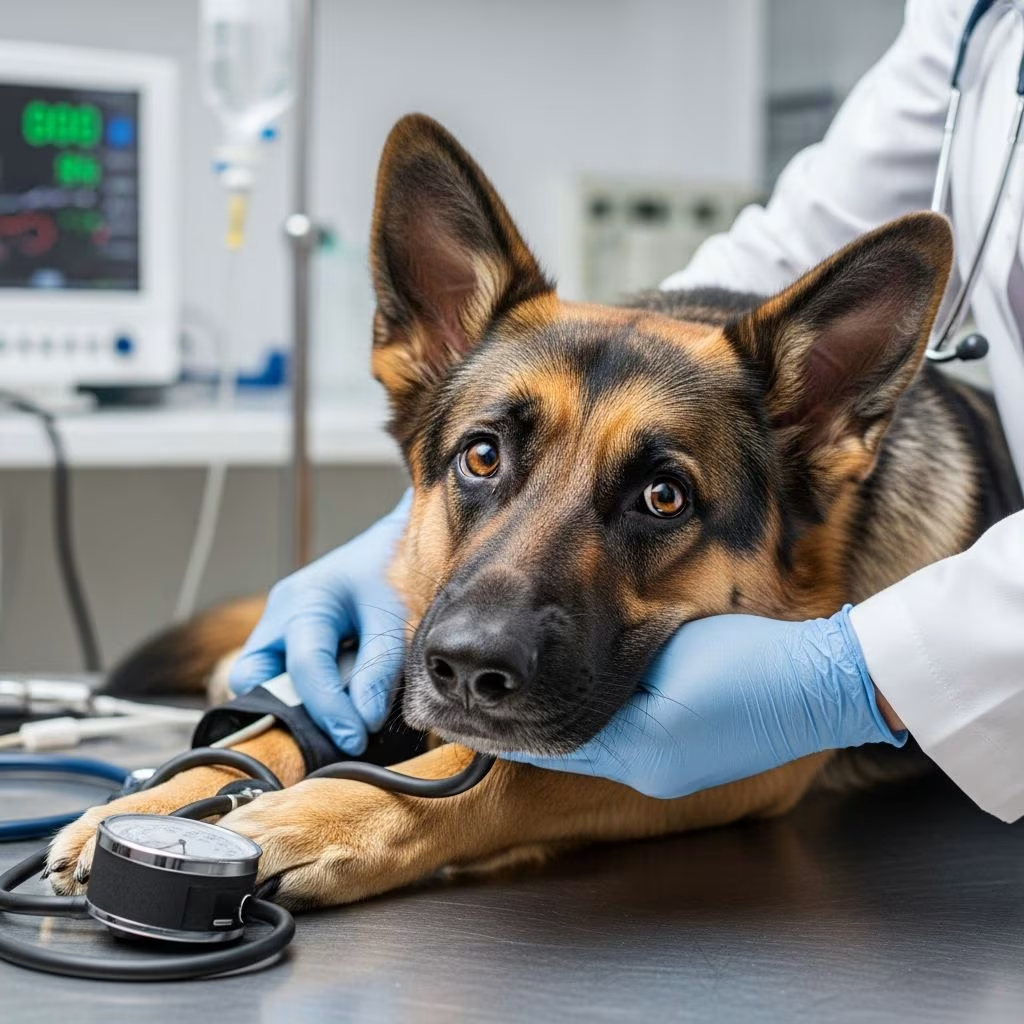
Low blood pressure, or hypotension, in dogs disrupts normal blood flow, starving vital organs of oxygen and leading to potentially life-threatening complications if not addressed promptly. This condition manifests through observable changes in behavior and physical appearance, requiring swift veterinary intervention to identify and resolve underlying issues.
Recognizing the Signs of Low Blood Pressure
Dogs experiencing hypotension often display subtle yet critical symptoms that alert owners to seek help. Common indicators include pronounced lethargy, where the pet seems unusually tired even after minimal activity, and weakness that hinders normal movement like standing or walking. Pale or white gums signal poor circulation, contrasting with the typical pink hue of healthy mucous membranes. Affected dogs may collapse suddenly, a phenomenon akin to fainting or syncope, due to insufficient brain oxygenation.
- Lethargy and fatigue: Reduced energy levels persisting throughout the day.
- Weak pulses: Difficult to detect at limbs, indicating diminished cardiac output.
- Collapse episodes: Brief loss of consciousness, often triggered by exertion.
- Cold extremities: Limbs feel cooler than usual from vasoconstriction or poor perfusion.
- Rapid breathing: Tachycardia compensates for low pressure, though bradycardia can occur in specific cases.
These signs vary by severity; mild cases might only show intermittent weakness, while acute episodes demand emergency care to prevent organ damage.
Primary Causes Behind Canine Hypotension
Hypotension arises from multiple physiological disruptions, broadly categorized into cardiac, circulatory, and systemic failures. Heart-related problems dominate, such as bradycardia where the heart rate slows excessively, denying the brain oxygen, or tachycardia that prevents adequate ventricular filling. Arrhythmias cause erratic contractions, reducing effective blood pumping, while low cardiac output stems from weakened myocardium in cardiomyopathy, faulty valves, or congenital defects narrowing outflow tracts.
Beyond the heart, nervous system triggers like vasovagal responses during stress cause transient drops via heart rate reduction and vessel dilation. Situational factors, including collar pulls stimulating the carotid sinus, provoke bradycardia and hypotension. Preload deficiencies from hypovolemia—due to dehydration, hemorrhage, or vomiting—rank as frequent culprits, alongside distributive shock from sepsis-induced vasodilation.
| Cause Category | Examples | Mechanism |
|---|---|---|
| Cardiac | Arrhythmias, Cardiomyopathy | Impaired pumping efficiency |
| Hypovolemic | Dehydration, Blood Loss | Reduced blood volume |
| Distributive | Sepsis, Toxins | Vasodilation lowers resistance |
| Neurologic | Vasovagal, Carotid Stimulation | Sudden autonomic imbalance |
| Metabolic | Hypoglycemia, Electrolyte Imbalance | Systemic dysfunction |
Pulmonary hypertension or heartworm blockages exacerbate issues by impeding blood flow, while rarer afterload problems like aortic stenosis limit output, often evident in young dogs with murmurs.
Breeds and Ages at Elevated Risk
Certain breeds face heightened susceptibility due to genetic predispositions. Cocker Spaniels, Miniature Schnauzers, Pugs, and Dachshunds suffer sick sinus syndrome, oscillating between slow and fast rhythms. Boxers and German Shepherds contend with ventricular arrhythmias prone to syncope. Older dogs generally experience more episodes as age-related degeneration affects cardiac and vascular integrity. Athletic breeds like Border Collies may exhibit baseline lower pressures from fitness, but pathological drops signal trouble.
Puppies and neonates risk severe bradycardia-induced hypotension from underdeveloped sympathetic responses. Trauma victims or those with chronic illnesses like kidney disease indirectly contribute via fluid shifts.
Diagnostic Approaches for Accurate Assessment
Veterinarians employ a multi-step process to confirm hypotension and its etiology. Initial physical exams check pulses, mucous membranes, and heart rate, revealing tachycardia or pallor. Blood pressure measurement uses Doppler ultrasound or oscillometric devices for precise systolic, mean, and diastolic readings; hypotension typically means systolic below 80-90 mmHg or mean under 60-70 mmHg.
Laboratory panels include complete blood counts for anemia, biochemistry for glucose, calcium, and electrolytes, plus urinalysis. Electrocardiography (ECG) captures rhythms over minutes, while Holter monitors provide 24-hour data. Echocardiograms visualize structure, function, and pulmonary pressures; chest radiographs assess heart size and lung fields. Advanced cases warrant cardiologist or neurologist referrals.
Treatment Strategies to Stabilize Blood Pressure
Therapy targets the root cause while supporting circulation. Fluid resuscitation via intravenous crystalloids restores preload in hypovolemic states, titrated to central venous pressure of 6-8 cmH2O. Inotropes and pressors address contractility or resistance deficits in septic or refractory cases, monitored arterially.
Cardiac-specific interventions manage arrhythmias with antiarrhythmics, while heartworm treatment clears obstructions. Metabolic corrections replenish glucose or electrolytes. Anesthesia-related hypotension during procedures responds to depth adjustments and supportive infusions. Long-term management for breeds with syndromes involves pacemakers or medications.
Preventive Measures for Pet Owners
Proactive steps mitigate risks: schedule regular veterinary check-ups for early detection, especially in predisposed breeds. Maintain hydration through fresh water access and monitor during illnesses causing fluid loss. Use harnesses over collars to avoid carotid stimulation. Balanced diets prevent metabolic imbalances, and prompt treatment of infections curbs sepsis.
- Annual blood pressure screenings for seniors.
- Watch for exercise intolerance in at-risk breeds.
- Avoid overexertion in hot weather to prevent dehydration.
- Heartworm preventives year-round.
Prognosis and Long-Term Outlook
Outcomes hinge on cause rapidity and severity; hypovolemic shock responds well to fluids, yielding high recovery rates. Cardiac diseases like cardiomyopathy carry guarded prognoses without intervention, but monitoring extends life. Early detection via owner vigilance improves survival, with many dogs regaining normalcy post-treatment.
Frequently Asked Questions (FAQs)
What triggers sudden collapse in dogs?
Syncope from hypotension often stems from cardiac arrhythmias or vasovagal events, cutting brain blood flow.
Can dehydration alone cause low blood pressure?
Yes, it reduces preload, a top cause in emergencies like vomiting or diarrhea.
Is hypotension common during vet procedures?
Frequently under anesthesia, managed by hypotension thresholds and fluids.
How do I check my dog’s gums at home?
Lift the upper lip; healthy gums are moist and pink, not pale or tacky.
Do all breeds need blood pressure checks?
Focus on older dogs, those with heart murmurs, or breeds like Boxers.
Monitoring Your Dog Post-Diagnosis
Home tracking involves noting activity, appetite, and collapse frequency, reporting changes immediately. Weight scales track fluid status, and apps log vitals if equipped. Collaborate with vets for tailored protocols, ensuring medications like ACE inhibitors or beta-blockers suit the case.
References
- Syncope (Fainting) in Dogs — VCA Animal Hospitals. 2023. https://vcahospitals.com/know-your-pet/syncope-fainting-in-dogs
- Low Blood Pressure in Dogs: Symptoms, Causes & Treatment — Lancaster Puppies. 2024. https://www.lancasterpuppies.com/pet-advice/low-blood-pressure-in-dogs-symptoms-causes-treatment.html
- Approach to hypotensive patients (Proceedings) — dvm360. 2022. https://www.dvm360.com/view/approach-hypotensive-patients-proceedings
- Everyday Medicine: Blood Pressure in Dogs and Cats — Animal Medical Center. 2017-11-01. https://www.amcny.org/blog/2017/11/01/everyday-medicine-blood-pressure/
- Hypotension — AAHA. 2020. https://www.aaha.org/resources/2020-aaha-anesthesia-and-monitoring-guidelines-for-dogs-and-cats/troubleshooting-anesthetic-complications/hypotension/



