

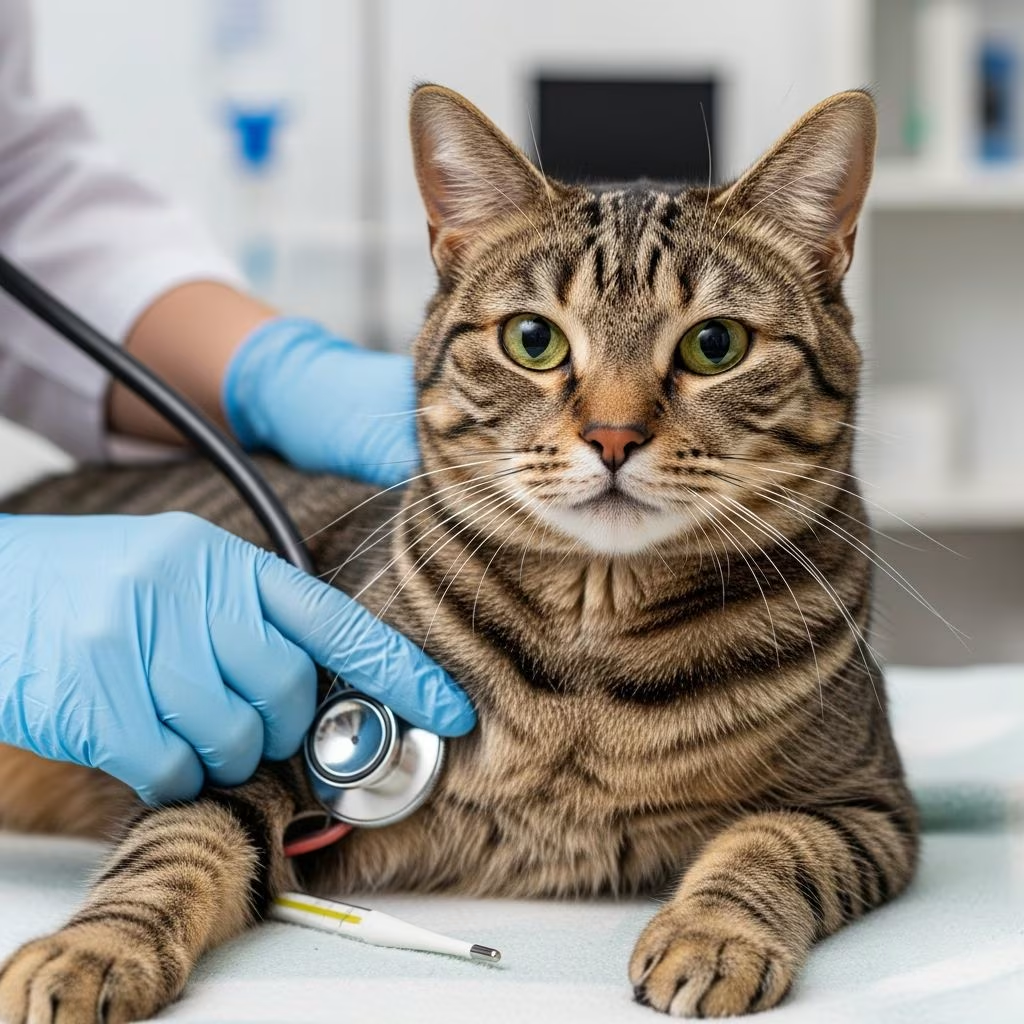
Low blood pressure, or hypotension, represents a critical cardiovascular condition in feline patients that typically emerges secondary to underlying systemic disease. Unlike hypertension, which receives considerable attention in geriatric feline populations, hypotension often develops acutely and requires immediate veterinary intervention. This condition demands prompt recognition and targeted therapeutic strategies to prevent organ dysfunction and improve patient outcomes.
Understanding Feline Blood Pressure Regulation
Blood pressure maintenance depends on three physiological components: cardiac output, blood volume, and peripheral vascular resistance. When any of these elements become compromised, systemic blood pressure may decline significantly. In veterinary medicine, hypotension is clinically defined as a systolic arterial pressure below 90 mmHg or a mean arterial pressure below 60 mmHg. Cats possess unique cardiovascular physiology that makes them particularly vulnerable to blood pressure fluctuations, especially during periods of physiological stress or illness.
The feline cardiovascular system relies on precise autoregulation to maintain adequate tissue perfusion. When pressure drops, compensatory mechanisms attempt to restore balance through increased heart rate and peripheral vasoconstriction. However, these adaptive responses have limitations, and prolonged hypotension can result in inadequate oxygen delivery to vital organs, precipitating cellular dysfunction and shock.
Primary Causes of Low Blood Pressure in Feline Patients
Hypotension in cats rarely develops as a primary condition; rather, it typically manifests as a secondary manifestation of underlying pathology. Understanding the diverse etiological factors is essential for appropriate diagnostic and therapeutic planning.
Hemorrhagic and Hypovolemic Mechanisms
Significant fluid loss represents one of the most common pathways to feline hypotension. Hemorrhage from traumatic injury, gastrointestinal bleeding, or internal organ damage rapidly depletes circulating blood volume. Additionally, fluid loss through vomiting and diarrhea can precipitate dangerous hypovolemia, particularly in cats with acute gastroenteritis or inflammatory bowel disease. Cats with chronic conditions such as pancreatitis or hepatic lipidosis are also susceptible to developing volume depletion and subsequent pressure reduction.
Cardiac and Rhythm Disturbances
Heart disease, particularly hypertrophic cardiomyopathy, ranks among the most common cardiac causes of hypotension in feline populations. This condition involves abnormal thickening of the ventricular wall, reducing the heart’s ability to fill and contract effectively. Additionally, bradycardia, or abnormally slow heart rate, impairs cardiac output and contributes to systemic pressure reduction. Cats experiencing sepsis or systemic inflammatory response may develop paradoxical bradycardia rather than the expected tachycardia, further compromising perfusion.
Infectious and Inflammatory Conditions
Severe infections and sepsis trigger widespread vasodilation and vascular leak, reducing effective circulating volume and peripheral vascular resistance. The inflammatory cascade associated with serious infection can rapidly overwhelm compensatory mechanisms, resulting in distributive shock characterized by hypotension and inadequate tissue perfusion.
Renal and Metabolic Factors
Kidney failure and chronic kidney disease frequently culminate in hypotension through multiple mechanisms. These include fluid and electrolyte abnormalities, acidosis, anemia, and blood pressure dysregulation. Acidosis, defined as excessive hydrogen ion accumulation, directly impairs cardiovascular function and peripheral vascular tone.
Temperature and Medication-Related Causes
Hypothermia, or subnormal body temperature, significantly depresses cardiovascular function and contributes to hypotension. This condition commonly develops in cats experiencing shock or prolonged anesthesia. Furthermore, medications intended to lower blood pressure, such as amlodipine, or diuretic agents such as furosemide, may reduce pressure excessively when dosing exceeds therapeutic ranges.
Prolonged anesthesia itself represents a significant risk factor for iatrogenic hypotension, as anesthetic agents depress myocardial contractility and reduce peripheral vascular resistance.
Clinical Recognition and Diagnostic Assessment
Early recognition of hypotension requires awareness of both overt and subtle clinical manifestations. Cats with low blood pressure frequently exhibit pale or muddy-colored gums, indicating reduced peripheral perfusion. Weakness and behavioral changes develop as cerebral and muscular perfusion declines. Subnormal body temperature accompanies many cases of hypotensive shock.
In severe cases, cats may present with collapse or syncope (fainting), reflecting inadequate cerebral perfusion. Some affected cats display depression, altered mentation, or weak femoral pulses on physical examination. The constellation of clinical findings—including bradycardia, hypotension, and hypothermia—constitutes the classic triad of shock in feline patients.
Definitive diagnosis requires direct or oscillometric blood pressure measurement. Veterinarians may employ various techniques ranging from simple oscillometric cuffs to more sophisticated non-invasive or invasive monitoring systems, depending on clinical urgency and available resources. Laboratory evaluation typically includes complete blood count, comprehensive chemistry panel, blood gas analysis, and electrolyte assessment to identify underlying causes and guide targeted therapy.
Therapeutic Approaches to Feline Hypotension
Treatment philosophy centers on identifying and addressing the underlying etiology while simultaneously supporting systemic blood pressure. The therapeutic approach must be tailored to each patient’s unique circumstances and the primary pathophysiological mechanism driving the hypotensive state.
Foundational Supportive Care
Intravenous fluid therapy represents the cornerstone of hypotension management, particularly for hypovolemic shock. Judicious fluid administration restores circulating volume and improves cardiac preload, thereby enhancing stroke volume and pressure. However, clinicians must differentiate hypovolemia from primary cardiac dysfunction, as excessive fluid administration in heart failure patients risks fatal pulmonary edema.
Correction of electrolyte abnormalities, including low blood sugar, low calcium, and low sodium, involves administration of appropriate intravenous solutions and specific supportive therapies. For hypothermic patients, careful external rewarming using hot water bottles and administration of warmed intravenous fluids gradually restore core body temperature.
Pharmacological Vasopressor Support
When fluid therapy alone fails to restore adequate pressure, pharmacological agents that increase blood pressure through enhanced cardiac contractility or peripheral vasoconstriction become necessary. These medications, termed vasopressors, are administered as continuous-rate infusions and gradually reduced once blood pressure stabilizes.
Dopamine enhances myocardial contractility and increases peripheral vascular resistance, making it a first-line agent for many hypotensive cats. Norepinephrine provides potent vasoconstriction and inotropic support, often proving effective when dopamine resistance occurs. Dobutamine increases cardiac contractility with less peripheral vasoconstriction than dopamine, proving useful in specific clinical scenarios. Vasopressin, or antidiuretic hormone, acts as a potent vasoconstrictor and has demonstrated particular value in treating sepsis-associated hypotension resistant to conventional vasopressors.
Disease-Specific Treatment Strategies
Management must address the underlying condition responsible for pressure reduction. Cats with severe bacterial infections require appropriate broad-spectrum antibiotics alongside fluid and vasopressor support. Cats with anemia or acute blood loss may necessitate blood transfusion to restore oxygen-carrying capacity. Traumatic injuries with associated hemorrhage and vascular damage often require surgical intervention.
Cats with kidney disease typically benefit from prescription renal diets and phosphorus binders to slow disease progression while managing electrolyte abnormalities. For diabetic cats experiencing hypoglycemia-induced hypotension, correction of blood glucose and adjustment of insulin dosing prove essential. Cardiac causes of hypotension may require supplemental oxygenation and judicious diuretic therapy to prevent pulmonary edema.
Blood clot-associated hypotension responds to blood thinners or anti-clotting medications. Gastrointestinal conditions involving vomiting and constipation may improve with stool softeners, high-fiber diets, probiotics, and anti-nausea medications such as maropitant.
Comparison of Blood Pressure Conditions in Cats
| Condition | Blood Pressure Level | Prevalence in Cats | Primary Concern |
|---|---|---|---|
| Hypotension (Low BP) | <90 mmHg systolic | Secondary manifestation of disease | Inadequate organ perfusion, shock |
| Hypertension (High BP) | >160 mmHg systolic | Common in older cats with kidney disease, hyperthyroidism | Retinal detachment, acute blindness |
| Normal Range | 110-130 mmHg systolic | Baseline standard | Optimal organ perfusion |
Distinguishing Shock States and Treatment Implications
Understanding different shock mechanisms guides appropriate therapy. Hypovolemic shock, caused by hemorrhage or fluid loss, responds primarily to fluid replacement. Distributive shock, characterized by peripheral vasodilation associated with sepsis, may require vasopressor support even after fluid administration. Cardiogenic shock resulting from heart disease requires careful fluid management to avoid pulmonary edema while ensuring adequate perfusion.
Frequently Asked Questions
What distinguishes hypotension from hypertension in cats?
Hypotension involves abnormally low blood pressure (typically below 90 mmHg systolic), while hypertension involves elevated pressure above normal ranges. Hypertension is substantially more common in cats, particularly older individuals with concurrent kidney disease or thyroid dysfunction, whereas hypotension typically develops acutely as a secondary condition requiring emergency intervention.
How quickly does hypotension develop, and what is the urgency level?
Hypotension may develop acutely over minutes to hours, particularly following trauma, hemorrhage, or severe infection. This condition constitutes a medical emergency requiring immediate veterinary assessment and treatment initiation, as prolonged hypotension rapidly leads to organ dysfunction and death.
Can cats recover fully from hypotension if treated promptly?
Recovery potential depends on the underlying cause, duration of hypotension before treatment initiation, and severity of resulting organ damage. Cats with reversible causes and prompt treatment have substantially better outcomes than those with organ dysfunction or irreversible disease.
Are certain cat breeds predisposed to developing hypotension?
Hypotension itself shows no breed predisposition, though certain breeds may be predisposed to underlying conditions that cause it. For example, Maine Coons and Ragdolls have increased hypertrophic cardiomyopathy risk, which can precipitate hypotension.
What monitoring is required during recovery from hypotension?
Cats recovering from hypotensive episodes require ongoing blood pressure monitoring, serial assessment of kidney function (urea and creatinine), electrolyte monitoring, and evaluation of the underlying condition’s response to treatment. Most cats require continued hospitalization during acute management phases.
References
- Low Blood Pressure in Cats (Hypotension in Cats): Causes and Treatment — Cats.com. 2024. https://cats.com/low-blood-pressure-in-cats
- Fainting in Cats — PetMD Editorial. 2024. https://www.petmd.com/cat/conditions/neurological/fainting-cats
- 2020 AAHA Anesthesia and Monitoring Guidelines for Dogs and Cats: Troubleshooting Anesthetic Complications — American Animal Hospital Association. 2020. https://www.aaha.org/resources/2020-aaha-anesthesia-and-monitoring-guidelines-for-dogs-and-cats
- Management and Treatment of Hypotension and Hypertension — Sturgess, K. VetTimes. 2016-11-07. https://www.vettimes.com/news/vets/small-animal-vets/management-and-treatment-of-hypotension-and-hypertension
- Low Blood Pressure in Cats: Our Vet Explains the Signs, Causes and Treatment — Catster. 2024. https://www.catster.com/cat-health-care/low-blood-pressure-in-cats/
- Recognizing and Treating Shock in Cats — DVM360. 2024. https://www.dvm360.com/view/recognizing-and-treating-shock-cats
- Pharmacist’s Corner: Treating Severe Hypotension and Shock — University of Illinois College of Veterinary Medicine. 2023-06-13. https://vetmed.illinois.edu/2023/06/13/pharmacists-corner-hypertension/



