

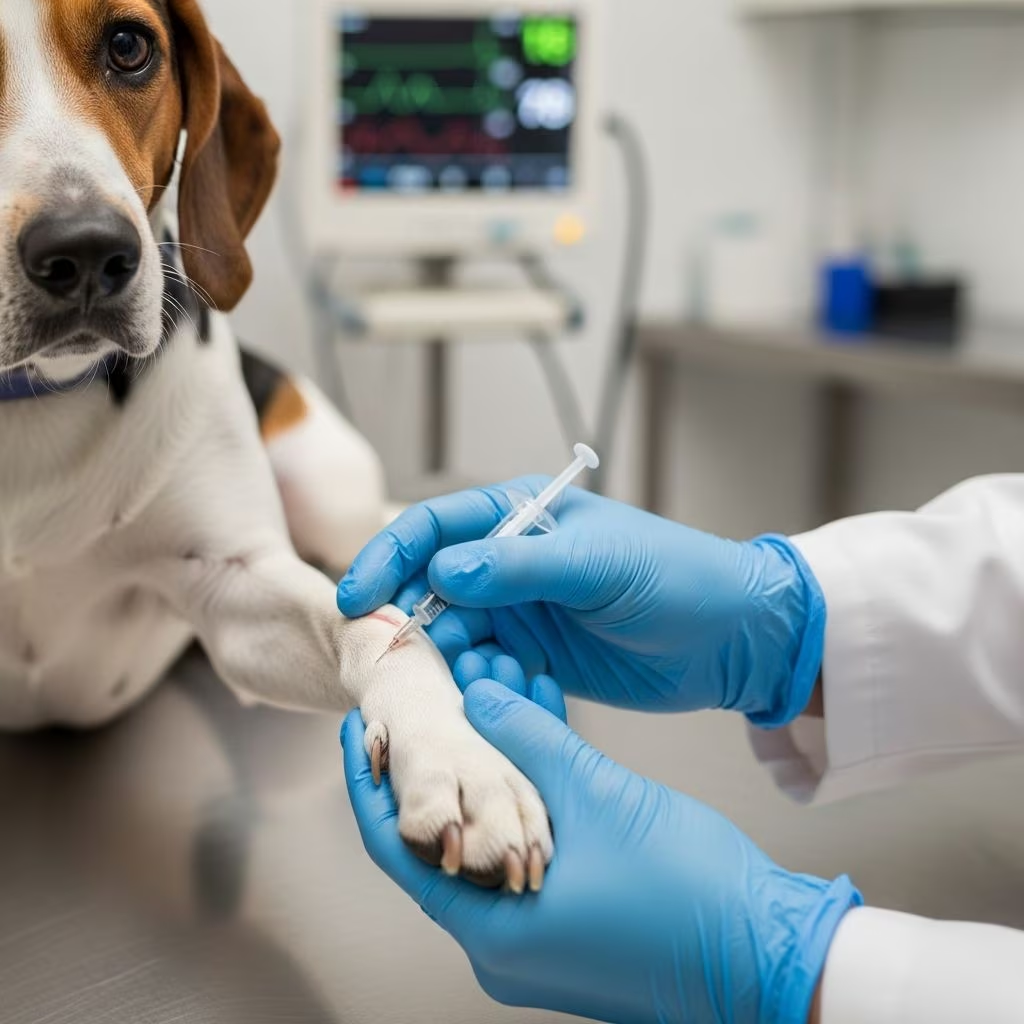
Understanding Hypokalemia in Dogs
Hypokalemia, also known as low potassium levels in dogs, is a condition characterized by abnormally low serum potassium ion (K+) concentration in the bloodstream. Potassium is a critical electrolyte that plays a vital role in maintaining proper muscle function, nerve conduction, and cardiac rhythm in dogs. When blood potassium levels fall below the normal range of 3.5 mEq/L, various physiological problems can develop. This electrolyte imbalance can develop gradually over time or emerge suddenly, depending on the underlying cause and severity of the condition.
While mild cases of hypokalemia might present with few obvious symptoms, severe hypokalemia can become life-threatening and requires immediate veterinary medical attention. Dogs of any age can develop low potassium levels, but senior dogs and those with chronic health conditions such as kidney disease are particularly susceptible to this condition. It is important to understand that hypokalemia is often a manifestation of an underlying disease process rather than a primary diagnosis itself. The condition frequently develops as a secondary problem to other significant health issues, making regular veterinary check-ups essential for at-risk dogs.
What Causes Hypokalemia in Dogs?
Understanding the causes of low potassium in dogs is essential for proper prevention and treatment. Several factors can contribute to the development of hypokalemia in canines, and veterinarians often classify these causes into specific categories.
Primary Causes of Low Potassium
The most common cause of hypokalemia in dogs is chronic kidney disease. As kidney function declines, the organs lose their ability to regulate electrolyte balance effectively, leading to potassium loss through the urinary system. Severe or chronic vomiting may also cause hypokalemia in dogs by depleting potassium stores through gastrointestinal fluid loss. Additionally, chronic diarrhea contributes to potassium depletion through intestinal losses.
A rare but significant cause of hypokalemia in dogs is hyperaldosteronism, which is the overproduction of a hormone called aldosterone by adrenal gland tumors. Aldosterone causes potassium loss in the urine and can result in severe electrolyte imbalances if left untreated.
Secondary and Contributing Factors
A variety of other factors can also cause or contribute to hypokalemia in dogs, including:
Metabolic Conditions: Diabetes mellitus and diabetic ketoacidosis can alter potassium distribution and increase urinary losses. Metabolic alkalosis and conditions causing heat exhaustion may also reduce potassium levels.
Medication-Related Causes: Long-term use of certain medications, especially diuretics like furosemide (lasix), can significantly increase potassium losses through the kidneys. Other medications such as amphotericin B and certain penicillins may also contribute to hypokalemia.
Nutritional Factors: Inadequate dietary intake, extended periods of not eating (anorexia), or starvation can lead to insufficient potassium consumption. Malnutrition, whether from disease or reduced food intake, plays a role in developing hypokalemia.
Fluid Therapy Issues: Intravenous fluid therapy with low-potassium fluids or potassium-deficient intravenous solutions may inadvertently cause or worsen hypokalemia during treatment for other conditions.
Recognizing the Clinical Signs of Hypokalemia
Dogs with hypokalemia may exhibit a wide range of symptoms, and the severity of clinical signs often correlates directly with how low the potassium levels have dropped and how quickly the decrease occurred. Recognizing these signs early is crucial for timely veterinary intervention.
Common Symptoms
The most common clinical manifestations of hypokalemia in dogs include:
- Muscle weakness and lethargy (overall decreased energy and activity)
- Difficulty walking, standing, or maintaining normal posture
- Poor appetite or anorexia
- Increased thirst (polydipsia) and frequent urination (polyuria)
- Depression or significant behavioral changes
- Abnormal heart rhythms or cardiac arrhythmias
- Weight loss and loss of muscle mass
- Chronic constipation due to decreased intestinal motility
- Stiff or wobbly gait
Severe Presentation
In moderate to severe cases of hypokalemia, dogs may develop more dramatic clinical signs. These include generalized muscle weakness, ventroflexion of the neck (curving the head downward toward the chest), forelimb hypermetria, and broad-based hind limb stance. Plantigrade stance, where dogs walk on the full sole of their back feet rather than on their paws, may also be observed. In the most severe cases, respiratory muscle paralysis can occur, and dogs may experience rhabdomyolysis (muscle breakdown) with associated complications.
Cardiac manifestations in severely hypokalemic dogs may include various arrhythmias and abnormal heart rhythms, which can be life-threatening. These severe presentations require immediate emergency veterinary care.
Diagnosis of Hypokalemia
Accurate diagnosis of hypokalemia involves several complementary diagnostic approaches that help veterinarians confirm the condition and identify underlying causes.
Primary Diagnostic Methods
Veterinarians diagnose hypokalemia primarily through blood tests that directly measure serum electrolyte levels. A simple blood panel reveals the actual potassium concentration and whether it falls below the normal range of 3.5 mEq/L.
Additional Diagnostic Tools
To fully evaluate a hypokalemic patient and determine the underlying cause, veterinarians may employ additional diagnostic tests:
- Complete Blood Count (CBC): Helps identify anemia, infection, or other hematologic abnormalities that may contribute to or result from hypokalemia
- Urinalysis: Evaluates kidney function and electrolyte handling by the kidneys
- Electrocardiogram (ECG): Detects cardiac arrhythmias and assesses the heart’s electrical activity, which may be affected by low potassium
- Kidney Function Tests: Measures blood urea nitrogen (BUN) and creatinine to assess renal function, as kidney disease is the most common cause of hypokalemia
These comprehensive diagnostic approaches enable veterinarians to not only confirm hypokalemia but also identify any underlying disease processes that require treatment.
Treatment of Hypokalemia in Dogs
Treatment of hypokalemia involves two critical components: addressing the underlying cause while simultaneously correcting the potassium deficiency. The specific approach depends on the severity of the condition and its underlying etiology.
Potassium Supplementation Methods
Hypokalemia and its associated clinical signs may be quickly corrected by potassium supplementation through different routes of administration. In mild hypokalemia cases, oral potassium supplementation is typically sufficient. Potassium gluconate (such as Tumil-K) or potassium citrate can be administered orally at dosages of 5 to 10 mEq/kg every 12 to 24 hours and can be mixed directly into food for easier administration. Good dietary sources of potassium include bananas and kiwis, which may be incorporated into the dog’s diet as supplements.
In severe cases where oral supplementation is insufficient or the dog cannot take oral medication, potassium may be given intravenously. However, veterinarians must exercise caution when administering intravenous potassium because if given too rapidly, it can cause dangerous heart arrhythmias or abnormal heartbeats. The rate of intravenous potassium administration must be carefully controlled and monitored.
Comprehensive Treatment Approach
Successful management of hypokalemia requires addressing the complete clinical picture:
- Fluid Therapy: Appropriate fluid therapy helps restore normal electrolyte balance and supports kidney function
- Dietary Modifications: Prescription renal diets are typically formulated with supplemented potassium levels and may be recommended for long-term management, particularly in dogs with chronic kidney disease
- Management of Underlying Conditions: Treating the primary disease process (such as kidney disease, diabetes, or other conditions) is essential for lasting resolution
- Regular Monitoring: Frequent blood work to monitor potassium levels ensures appropriate supplementation levels and guides treatment adjustments
Your veterinarian will determine how quickly to correct the potassium deficiency based on the severity of the condition and the dog’s clinical status. Supplementation typically reverses muscle weakness and other clinical signs relatively quickly once adequate potassium levels are restored.
Long-Term Management and Prevention
For dogs diagnosed with hypokalemia, particularly those with chronic kidney disease or other ongoing conditions predisposing them to low potassium, long-term management is essential. This typically involves:
- Ongoing oral potassium supplementation to maintain normal levels
- Regular veterinary monitoring with periodic blood work to assess potassium levels
- Dietary management with prescription foods formulated to support potassium balance
- Proper medication management to minimize potassium-wasting effects of certain drugs
- Prompt treatment of any underlying conditions
Prevention of hypokalemia in at-risk dogs involves maintaining a balanced diet, ensuring proper medication management, and attending regular veterinary check-ups for early detection of problems.
Frequently Asked Questions
Q: What are the most common signs of low potassium (hypokalemia) in dogs?
A: The most common signs include muscle weakness, lethargy, poor appetite, increased thirst, frequent urination, and in severe cases, abnormal heart rhythms. Dogs may appear wobbly or have difficulty standing and walking.
Q: What causes low potassium levels in dogs, and which dogs are at higher risk?
A: The primary causes include chronic kidney disease, prolonged vomiting or diarrhea, certain medications (especially diuretics), and inadequate dietary intake. Senior dogs and those with chronic medical conditions are at higher risk.
Q: How do veterinarians diagnose hypokalemia in dogs?
A: Diagnosis typically involves blood tests to measure electrolyte levels, complete blood count, urinalysis, and sometimes an ECG. These tests help determine both the severity of the condition and potential underlying causes.
Q: What treatments are available for dogs with low potassium levels?
A: Treatment options include potassium supplementation (oral or intravenous), fluid therapy, dietary adjustments, and treatment of underlying conditions. The specific approach depends on the severity and cause of the hypokalemia.
Q: How can low potassium in dogs be prevented, especially in those with chronic kidney disease?
A: Prevention involves regular veterinary monitoring, maintaining a balanced diet, proper medication management, and prompt treatment of underlying conditions. Dogs with chronic kidney disease may require ongoing potassium supplementation and regular blood work to monitor levels.
Q: What is the prognosis for dogs with hypokalemia?
A: The prognosis is generally good if the underlying condition is recognized and managed appropriately. Early detection and treatment provide the best outcomes for dogs with hypokalemia.
Conclusion
Hypokalemia is a significant electrolyte disorder that can affect dogs of any age but is particularly common in senior dogs and those with chronic health conditions. Understanding the causes, recognizing clinical signs, and seeking prompt veterinary care are essential for successful management. If you notice any signs of low potassium in your dog, particularly weakness, lethargy, or difficulty walking, consult your veterinarian immediately. With appropriate diagnosis, treatment of underlying causes, and ongoing supplementation and monitoring, most dogs with hypokalemia can recover well and maintain good quality of life.
References
- Low Potassium in Dogs: Causes, Symptoms & Treatment — PetsCare. 2024. https://www.petscare.com/news/post/low-potassium-dogs-symptoms-treatment
- Hypokalemia in Dogs and Cats: Causes, Clinical Signs, Treatment — VetPocket. 2024. https://vetpocket.co/effective-product-promo-videos/
- Hypokalemia (Low Potassium Levels) in Dogs — VCA Animal Hospitals. 2024. https://vcahospitals.com/know-your-pet/hypokalemia-low-potassium-levels-in-dogs
- Hypokalemia in Dogs (Canis) — Vetlexicon. 2024. https://www.vetlexicon.com/canis/internal-medicine/articles/hypokalemia/
- Low Blood Potassium in Dogs – Symptoms, Causes, Diagnosis — Wag Walking. 2024. https://wagwalking.com/condition/hypokalemia
- Evaluation and Management of the Hypokalemic Patient — Today’s Veterinary Practice. 2024. https://todaysveterinarypractice.com/internal-medicine/evaluation-and-management-of-the-hypokalemic-patient/
- Overview of Disorders of Potassium Metabolism in Animals — Merck Veterinary Manual. 2024. https://www.merckvetmanual.com/metabolic-disorders/disorders-of-potassium-metabolism/overview-of-disorders-of-potassium-metabolism-in-animals



