

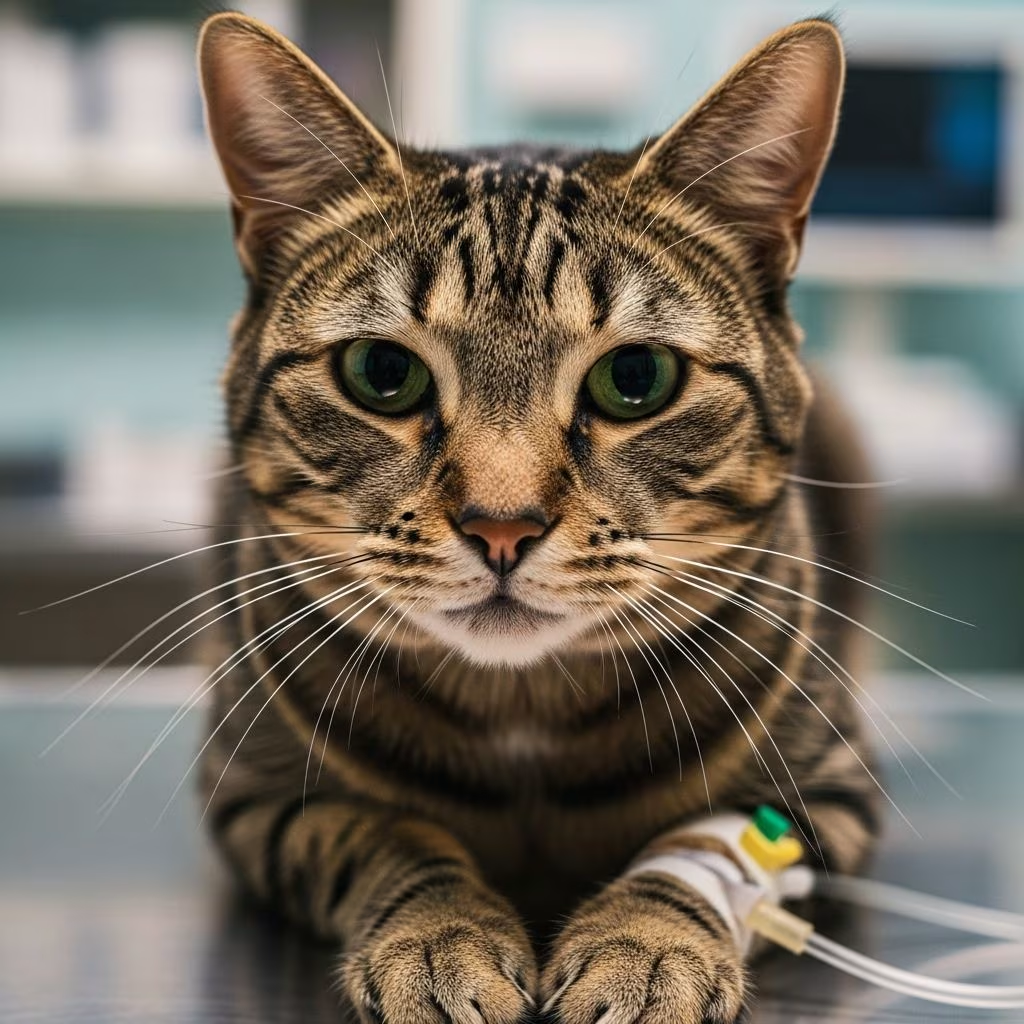
Hypokalemia (Low Potassium Levels) in Cats
Hypokalemia is a medical condition characterized by abnormally low levels of potassium in a cat’s bloodstream. Potassium is a critical electrolyte that plays an essential role in numerous physiological functions, including muscle contraction, nerve signal transmission, and maintaining proper heart rhythm. When potassium levels drop below normal ranges, cats experience a range of clinical signs that can significantly impact their quality of life and overall health. Understanding this condition is crucial for cat owners, as early detection and appropriate treatment can prevent serious complications and improve outcomes.
This condition is particularly common in older cats and those with underlying health problems, such as chronic kidney disease. The severity of hypokalemia can range from mild to severe, with symptoms varying depending on how significantly potassium levels have declined. In mild cases, cats may simply appear lethargic or have a poor appetite, while in severe cases, they can experience profound muscle weakness or even paralysis.
What Causes Hypokalemia in Cats?
Understanding the underlying causes of hypokalemia is fundamental to effective treatment and management. Multiple conditions and circumstances can lead to low potassium levels in feline patients:
Primary Causes of Hypokalemia
Chronic Kidney Disease (CKD): The most common cause of hypokalemia in cats is chronic kidney disease, particularly prevalent in older felines. It is estimated to affect 1-3% of the general feline population, with hypokalemia found in 20-30% of cats with CKD. As kidney function progressively declines, the organs’ ability to conserve potassium diminishes, leading to excessive urinary potassium loss. Additionally, cats with kidney disease often experience decreased appetite, further reducing their potassium intake.
Chronic Vomiting: Severe or prolonged vomiting is another significant cause of hypokalemia in cats. Vomiting leads to direct loss of potassium through gastrointestinal secretions and can be associated with various underlying conditions requiring veterinary investigation.
Hyperaldosteronism: This relatively rare but important cause involves the overproduction of aldosterone, a hormone secreted by adrenal gland tumors. Aldosterone causes increased potassium loss through the urine, leading to depleted blood potassium levels. This condition may be underdiagnosed in cats but should be considered in cases where other common causes have been ruled out.
Secondary and Contributing Causes
Lack of Appetite (Anorexia): Prolonged periods without adequate food intake can contribute to hypokalemia. When cats don’t eat enough, they receive insufficient dietary potassium to maintain normal blood levels.
Refeeding Syndrome: Paradoxically, rapid refeeding after a period of not eating can cause potassium to shift from the bloodstream into cells, temporarily lowering blood levels.
Insulin Overdosage: Excess insulin can drive potassium into cells, reducing blood potassium concentrations.
Dietary Problems: Although uncommon with commercially available cat foods, poor diet quality or dietary-induced kidney issues can lead to low potassium levels.
Other Contributing Conditions: Additional conditions that may cause or contribute to hypokalemia include hyperthyroidism, metabolic alkalosis, and certain cancers, though these are generally less common than chronic kidney disease.
What Are the Clinical Signs of Hypokalemia?
The clinical presentation of hypokalemia varies depending on the severity of potassium depletion. Recognizing these signs early enables prompt veterinary intervention:
Common Symptoms
– Generalized muscle weakness and lethargy- Head hanging downward or limp neck appearance- Muscle pain and discomfort- Mental dullness or depression- Increased drinking and urination (polydipsia and polyuria)- Poor appetite or anorexia- Poor coat quality and appearance
Severe Manifestations
In more severe cases, hypokalemia can cause life-threatening complications including:
– Potential muscle paralysis- Respiratory failure- Abnormal heart rhythms (arrhythmias)- Cardiac arrest- Nervous system disorders
Hypokalemia is actually the most common cause of generalized muscle weakness in cats. The weakness occurs because potassium is essential for muscle contraction, and without adequate levels, muscles cannot function properly. In some cases, affected cats may become so weak that they cannot walk independently.
How Is Hypokalemia Diagnosed?
Diagnosis of hypokalemia requires a combination of clinical evaluation and laboratory testing. Your veterinarian will typically:
Clinical Assessment
Begin with a thorough physical examination and detailed history, paying special attention to the cat’s appetite, energy levels, muscle tone, and any recent illnesses or medications. The veterinarian will assess muscle strength and look for characteristic signs such as cervical ventroflexion (drooped neck).
Blood Testing
Definitive diagnosis requires a blood serum sample to measure potassium concentration. Normal blood potassium levels in cats must be closely maintained for proper bodily function. Laboratory analysis will reveal whether potassium levels are below normal ranges, confirming hypokalemia.
Additional Diagnostic Procedures
Depending on the suspected underlying cause, additional diagnostics may include:
– Urinalysis and urine culture- Comprehensive metabolic panel- Imaging studies (ultrasound or radiographs)- Thyroid function tests (if hyperthyroidism is suspected)- Specialized tests for adrenal gland function (if hyperaldosteronism is suspected)
How Is Hypokalemia Treated?
Treatment of hypokalemia in cats focuses on two primary goals: addressing the underlying cause and replenishing potassium levels. A comprehensive approach yields the best outcomes.
Treating the Underlying Cause
Addressing the root cause is absolutely essential, as failure to do so may result in recurring hypokalemia:
Chronic Kidney Disease: Cats with CKD should be placed on a specially formulated kidney diet that helps manage kidney function while maintaining appropriate nutrient balance. Fluid supplementation and other supportive measures may also be recommended.
Other Underlying Conditions: Treatment of conditions such as vomiting, thyroid disease, or gastrointestinal issues is crucial to resolving the hypokalemia. Once the primary condition is addressed, potassium levels often improve more readily with supplementation.
Dietary Modifications: If dietary factors contribute to hypokalemia, your veterinarian may recommend a special food designed to maintain healthy potassium levels.
Potassium Supplementation
While addressing underlying causes, cats require potassium supplementation to restore normal blood levels and eliminate clinical signs.
Oral Potassium Supplements
For mild to moderate cases and long-term maintenance, oral potassium supplementation is typically recommended. Common options include:
– Potassium Gluconate: A well-tolerated oral supplement often provided as a liquid or powder that can be easily mixed into wet cat food. The typical dose is 0.5 mEq potassium/kg administered twice daily.- Potassium Citrate: Another oral supplement well-tolerated by most cats, available in various formulations.- Tasty Gel or Paste Formulations: Some supplements come in flavored gels or pastes designed to appeal to cats, though they may still require mixing with food for reluctant patients.
These oral supplements are typically dosed twice daily and can be administered at home, making them convenient for long-term management.
Intravenous (IV) Potassium Supplementation
In severe cases where potassium levels are dangerously low, intravenous potassium supplementation through IV fluids may be necessary. This method allows for rapid correction of severe deficiencies. However, veterinarians must administer IV potassium carefully and slowly, as rapid administration can cause dangerous heart arrhythmias and abnormal heartbeats.
Long-Term Management
Depending on the underlying cause of hypokalemia, cats may require permanent potassium supplementation. Regular monitoring through periodic blood sample analysis is essential to ensure supplementation is maintaining appropriate levels without causing excessive potassium, which can also cause heart problems.
Prognosis and Outcome
The prognosis for hypokalemia depends largely on the underlying cause and how quickly treatment is initiated. Many cases respond well to appropriate supplementation and management of the primary condition. Muscle weakness typically reverses relatively quickly once potassium levels are restored to normal. For chronic conditions like kidney disease, long-term supplementation significantly improves quality of life and can extend the cat’s lifespan by reducing stress on the kidneys and improving overall kidney function.
Frequently Asked Questions About Hypokalemia in Cats
Q: Is hypokalemia common in cats?
A: Hypokalemia is relatively common, particularly in older cats and those with chronic kidney disease. It affects approximately 20-30% of cats with CKD, making it an important condition to monitor and manage.
Q: Can hypokalemia be prevented?
A: While hypokalemia cannot always be prevented, feeding your cat a balanced, high-quality diet appropriate for their life stage and health status can help maintain adequate potassium intake. Regular veterinary check-ups are especially important for older cats to detect early kidney disease and other conditions that may lead to hypokalemia.
Q: How long does treatment take?
A: Clinical signs often improve quickly with appropriate supplementation, sometimes within days. However, long-term management and monitoring are usually necessary, particularly for chronic conditions. Your veterinarian will determine the appropriate treatment duration based on the underlying cause.
Q: Will my cat need potassium supplements permanently?
A: This depends on the underlying cause. If hypokalemia results from a treatable condition like vomiting, supplementation may be temporary. However, for chronic kidney disease and other permanent conditions, lifelong supplementation may be necessary.
Q: Can too much potassium be harmful?
A: Yes, excessive potassium levels can cause problems, primarily affecting heart function. This is why regular monitoring through blood tests is important to ensure supplementation is adequate but not excessive.
Q: What should I do if I notice muscle weakness in my cat?
A: Contact your veterinarian promptly. Muscle weakness can indicate hypokalemia or other serious conditions requiring professional evaluation and diagnosis. Early intervention often leads to better outcomes.
References
- Hypokalemia In Cats: Understanding Low Potassium Levels — Kingsdale Veterinary Hospital. 2024. https://www.kingsdale.com/hypokalemia-in-cats-understanding-low-potassium-levels
- Low Blood Potassium in Cats – Symptoms, Causes, Diagnosis — Wag Walking. 2024. https://wagwalking.com/cat/condition/low-blood-potassium
- Hypokalemia (Low Potassium Levels) in Cats — VCA Animal Hospitals. 2024. https://vcahospitals.com/know-your-pet/hypokalemia-or-low-potassium-levels-in-cats
- Hypokalaemia in Cats — International Cat Care. 2024. https://icatcare.org/articles/hypokalaemia-in-cats
- Hypokalemia in Cats — PetMD. 2024. https://www.petmd.com/cat/conditions/cardiovascular/hypokalemia-cats
- Hypokalemia – Causes and Management in Cats — Virbac US. 2024. https://us.virbac.com/home/health-topics/hypokalemia.html
- Evaluation and Management of the Hypokalemic Patient — Today’s Veterinary Practice. 2024. https://todaysveterinarypractice.com/internal-medicine/evaluation-and-management-of-the-hypokalemic-patient/



