

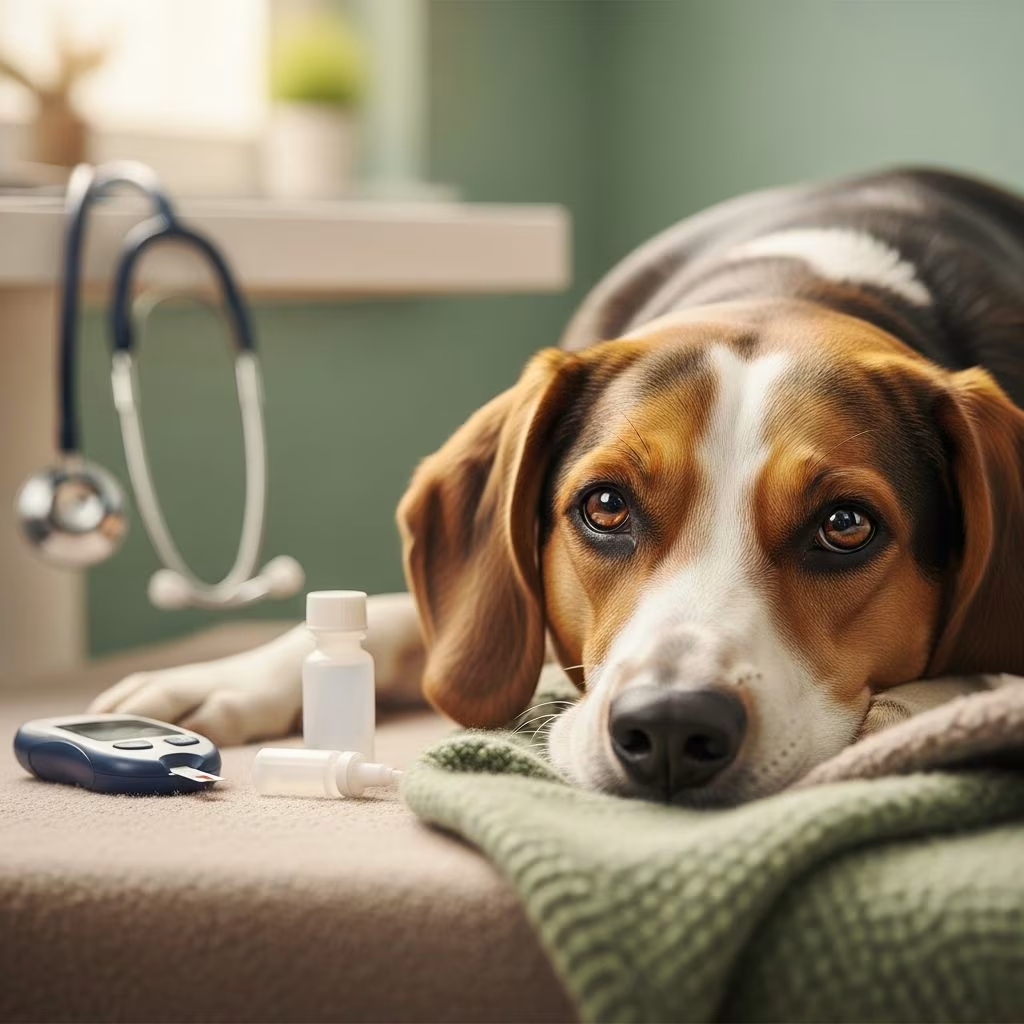
Hypoglycemia, or dangerously low blood sugar, poses a serious risk for dogs managing diabetes through insulin therapy. This condition often arises from insulin overdose, skipped meals, or excessive exercise, demanding swift recognition and action to avert collapse or worse outcomes.
Why Diabetic Dogs Face Hypoglycemia Risks
Diabetes mellitus in dogs disrupts normal glucose regulation, typically requiring lifelong insulin injections to mimic the pancreas’s role. When insulin levels exceed what’s needed relative to available glucose—due to overdosage, inadequate food intake, or heightened activity—blood sugar plummets, starving the brain and muscles of energy. Unlike hyperglycemia, which builds gradually, hypoglycemia strikes rapidly, sometimes within hours of an insulin shot.
Factors amplifying this risk include small breed dogs with higher metabolic rates, puppies on insulin, or those with concurrent illnesses reducing appetite. Owners must understand these dynamics to maintain balance, as even minor missteps can trigger crises.
Spotting the Warning Signs Early
Early detection hinges on observing behavioral shifts. Initial symptoms mimic fatigue but escalate quickly:
- Weakness or lethargy: Your dog may appear disoriented, reluctant to move, or stumble during walks.
- Muscle tremors: Shaking, especially in the hind legs, signals glucose deprivation affecting nerves.
- Rapid breathing and heart rate: The body compensates for energy loss by accelerating circulation.
- Impaired vision or coordination: Bumping into objects or hesitation indicates neurological impact.
- Gastrointestinal distress: Vomiting or diarrhea can accompany, worsening dehydration.
Advanced stages bring seizures, loss of consciousness, or coma—emergencies where every minute counts. Pale gums and a rapid pulse further confirm the issue; always check these alongside behavior.
Immediate At-Home Interventions
If symptoms appear and your dog remains conscious and swallow-capable, act fast with safe glucose sources. Rub a teaspoon of corn syrup, honey, or 50% dextrose on the gums for rapid absorption, bypassing digestion. Once alert, offer a small carbohydrate-rich meal like cooked pasta or a vet-recommended gel such as Nutri-Cal.
Key precautions:
- Avoid overfeeding initially to prevent rebound effects.
- Never force food into an unconscious dog—risks aspiration pneumonia.
- Follow up with veterinary care immediately, even if improvement occurs.
These steps buy time but do not replace professional diagnosis, as repeated episodes may signal dosing errors or underlying tumors like insulinomas.
Veterinary Emergency Protocols
In clinic, vets prioritize stabilization. Intravenous dextrose infusions restore levels precisely, monitored every few hours to avoid hyperglycemia swings. Electrolytes like potassium are replenished, as imbalances compound weakness.
For severe cases with seizures or coma, intensive care involves:
| Intervention | Purpose | Duration |
|---|---|---|
| IV Glucose/Dextrose | Raise blood sugar safely | Until stable (hours to days) |
| Electrolyte Correction | Balance potassium, etc. | Ongoing monitoring |
| Anti-Seizure Meds | Control convulsions | As needed |
| Nutritional Support | Prevent recurrence | Frequent small meals |
Hospitalization lasts until the dog eats normally and glucose holds steady. Adjustments to insulin type or dose follow, often switching to shorter-acting formulations temporarily.
Daily Strategies to Prevent Episodes
Proactive management transforms diabetes from a threat to a manageable routine. Consistency is paramount:
- Precise Insulin Administration: Use vet-prescribed doses, syringes, and storage. Rotate injection sites to avoid lipodystrophy.
- Scheduled Feeding: Match meals to insulin timing with high-fiber, low-glycemic foods stabilizing absorption.
- Home Glucose Monitoring: Glucometers for pets track curves, revealing patterns before crises.
- Balanced Exercise: Daily walks improve sensitivity but avoid extremes; feed a snack pre-activity.
- Regular Vet Visits: Quarterly bloodwork and fructosamine tests gauge long-term control.
Tech aids like continuous glucose monitors (CGMs) offer real-time alerts, revolutionizing care for vigilant owners.
Understanding Hypoglycemia vs. Hyperglycemia
Confusion between low and high blood sugar delays action. Use this comparison:
| Aspect | Hypoglycemia (Low) | Hyperglycemia (High) |
|---|---|---|
| Onset | Rapid (minutes-hours) | Gradual (days) |
| Symptoms | Tremors, seizures, collapse | Thirst, urination, lethargy |
| Breath Odor | None | Fruity (ketoacidosis) |
| Treatment | Glucose immediately | Insulin, fluids |
Hyperglycemia risks diabetic ketoacidosis (DKA), but hypoglycemia demands faster response due to brain vulnerability.
Special Considerations for High-Risk Dogs
Puppies, toy breeds, and those with liver disease or Addison’s face amplified dangers. Pregnant or lactating dogs require tailored protocols. For hunting or working dogs, pre-event carbs prevent exertion-induced drops. Always inform vets of lifestyle factors for customized plans.
Long-Term Outlook and Quality of Life
With diligent care, most diabetic dogs thrive for years post-diagnosis. Lifelong insulin is standard, though rare remissions occur in early cases. Owners report enriched bonds through routine mastery. Track progress with logs of glucose, appetite, and weight to refine management.
Frequently Asked Questions (FAQs)
What causes hypoglycemia in my insulin-dependent dog?
Common triggers: excess insulin, missed meals, intense exercise, or illness curbing appetite.
How quickly does treatment work?
Gum-rubbed glucose acts in 5 minutes; IV therapy stabilizes within hours.
Can hypoglycemia be fatal?
Yes, untreated seizures or coma can lead to irreversible brain damage or death—seek help urgently.
Is a special diet necessary?
Yes, vet-formulated low-carb, high-fiber kibble or home-cooked meals prevent spikes and crashes.
How often should I check blood sugar at home?
Twice daily initially, then per vet advice; curve tests (every 2-4 hours) assess insulin efficacy.
Empowering Owners for Success
Knowledge equips you to avert disasters. Join support groups, apps for reminders, and annual wellness screens. Celebrate milestones like stable A1C equivalents via fructosamine. Your vigilance ensures your diabetic companion enjoys full, active years.
References
- Diabetic Coma in Dogs: Treatment and Prevention — PetCareRx. 2023. https://www.petcarerx.com/article/diabetic-coma-in-dogs-treatment-and-prevention/6808
- Diabetes with Coma in Dogs — PetMD. 2024-02-15. https://www.petmd.com/dog/conditions/endocrine/c_dg_diabetes_mellitus_hyperosmolar_coma
- Hypoglycemia in dogs: Causes, management, and diagnosis — PMC (National Library of Medicine). 2018-05-25. https://pmc.ncbi.nlm.nih.gov/articles/PMC5949948/
- Hypoglycemia in Dogs: Signs, Symptoms, and Treatment — American Kennel Club. 2024. https://www.akc.org/expert-advice/health/hypoglycemia-in-dogs/
- Managing canine diabetes — Cornell University College of Veterinary Medicine. 2025. https://www.vet.cornell.edu/departments-centers-and-institutes/riney-canine-health-center/canine-health-information/managing-canine-diabetes
- Diabetes in pets — American Veterinary Medical Association. 2024. https://www.avma.org/resources-tools/pet-owners/petcare/diabetes-pets



