

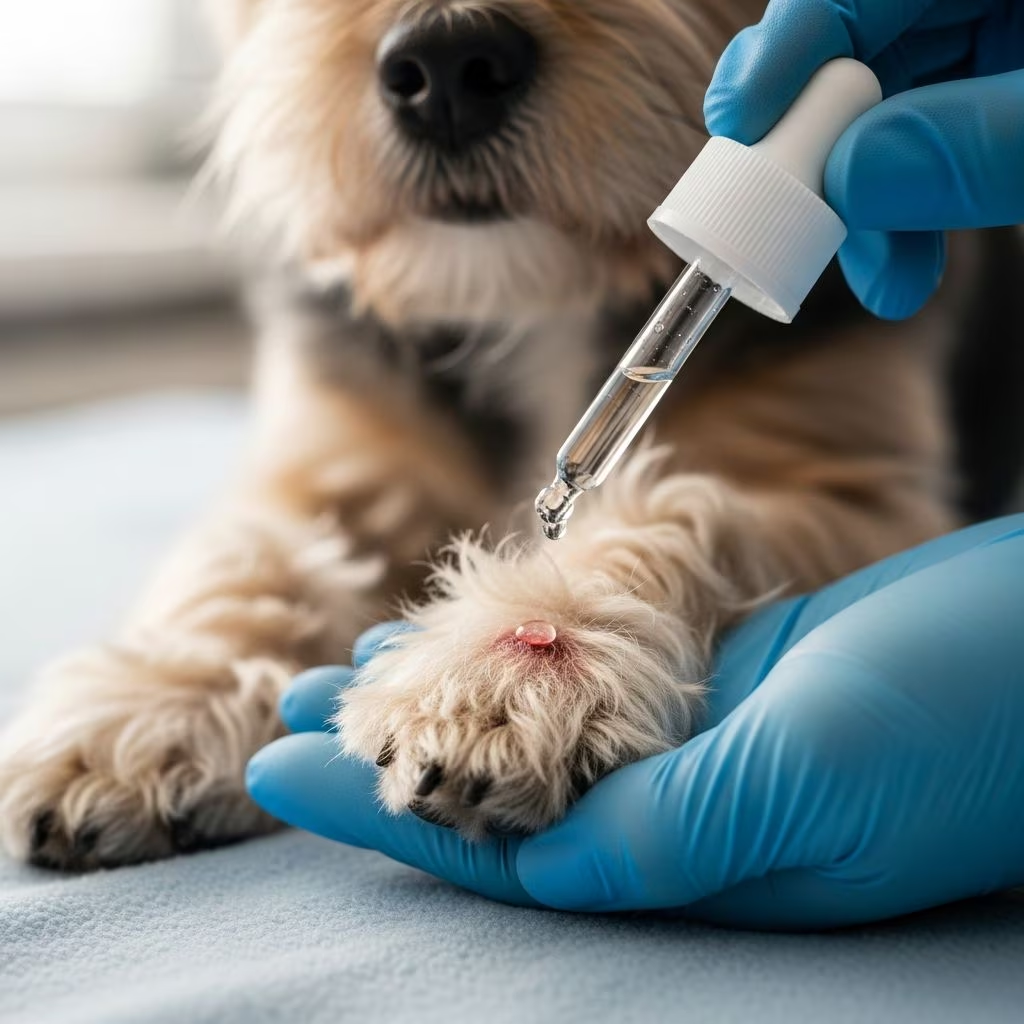
Hypochlorous Acid (HOCl) Topical: Understanding This Powerful Pet Care Solution
Hypochlorous acid, commonly abbreviated as HOCl, represents a significant advancement in veterinary topical medicine. This naturally occurring compound has revolutionized how pet owners and veterinary professionals approach wound care, skin infections, and various dermatological conditions in animals. HOCl is not a new invention—it’s a molecule that your pet’s own immune system produces naturally to fight off infections and maintain health. When applied topically, this powerful solution provides targeted antimicrobial protection without the harsh side effects associated with traditional chemical disinfectants.
The growing popularity of HOCl in veterinary practice stems from its unique ability to eliminate pathogens while remaining gentle enough for regular use on sensitive pet skin. Unlike conventional antiseptics that can irritate wounds or damage healthy tissue, hypochlorous acid works at the cellular level to neutralize harmful microorganisms while preserving the skin’s natural healing environment.
What Is Hypochlorous Acid and How Does It Work?
Hypochlorous acid is a weak acid and a reactive oxygen species naturally produced by white blood cells in both humans and animals as part of the immune response. When bacteria, viruses, fungi, or other pathogens invade the body, white blood cells release HOCl to neutralize these threats. This same mechanism can be harnessed through topical application to provide targeted antimicrobial action on wounds and affected skin areas.
The mechanism of action is remarkably effective: HOCl penetrates the cell membranes of invading pathogens and disrupts their internal structures, effectively neutralizing them from within. What makes this process extraordinary is that it accomplishes this antimicrobial action without damaging healthy cells or surrounding tissue. The solution works against a broad spectrum of microorganisms, including bacteria, viruses, fungi, and even certain parasites, making it a versatile tool in veterinary medicine.
Key Benefits of Hypochlorous Acid for Pets
Non-Toxic and Natural Composition
One of the primary advantages of HOCl is its inherent safety profile. Because it’s naturally produced within the body, hypochlorous acid is non-toxic to both pets and their owners. It contains no harsh chemicals, harmful residues, or irritating compounds that could compromise your pet’s health or cause adverse reactions. The solution breaks down into harmless byproducts—primarily salt water—making it environmentally friendly and safe for use in homes with multiple pets and children.
Highly Effective Antimicrobial Properties
Hypochlorous acid demonstrates exceptional efficacy against a wide range of microorganisms. Studies indicate that HOCl kills approximately 99.9% of bacteria, viruses, and fungi on contact, making it one of the most effective topical antimicrobial agents available. This broad-spectrum activity means a single solution can address multiple types of infections and conditions, simplifying your pet’s treatment regimen.
Gentle on Sensitive Skin
Despite its powerful antimicrobial properties, HOCl is remarkably gentle on sensitive skin. Pet owners can safely apply hypochlorous acid to delicate areas including around the eyes, ears, nose, and mouth—regions that typically require extra caution with other treatments. This gentleness makes it ideal for pets with sensitive skin, allergies, or those prone to irritation from conventional antiseptics.
No Bacterial Resistance Development
Unlike traditional antibiotics, hypochlorous acid does not appear to promote bacterial resistance with repeated use. Pathogens cannot develop immunity to HOCl’s mechanism of action, making it a sustainable long-term solution for chronic wound management and recurrent skin conditions in pets.
Common Applications of Hypochlorous Acid in Pet Care
Wound Healing and Injury Management
Hypochlorous acid accelerates the natural wound healing process in pets by reducing bacterial load and inflammation at the injury site. Whether your pet has sustained cuts, scrapes, puncture wounds, lacerations, or minor burns, topical HOCl promotes faster healing with minimal discomfort. The solution cleanses wounds without causing the stinging or burning sensation associated with traditional disinfectants, allowing pets to remain calm during treatment.
Infection Prevention and Treatment
One of the most valuable applications of HOCl is preventing and treating various pet infections. Common conditions that respond well to hypochlorous acid treatment include yeast infections in dogs (particularly in ears, paws, and skin folds), cat bite and scratch wounds, post-surgical incision care, and bacterial skin infections. For horses, HOCl effectively addresses rainrot—a bacterial infection caused by Dermatophilus congolensis that results in flaky, damaged skin.
Hot Spots and Dermatological Conditions
Hot spots, also known as acute moist dermatitis, represent painful, inflamed skin areas that commonly affect dogs. These conditions develop rapidly and can cause significant discomfort. Hypochlorous acid provides relief by reducing bacterial contamination, controlling inflammation, and promoting healing. Additionally, HOCl effectively manages other skin conditions including allergic dermatitis, dry and itchy skin from environmental factors, flea allergy dermatitis, and pet acne.
Post-Surgical and Post-Dental Care
Following surgical procedures or dental work, pets require careful wound management to prevent complications. Hypochlorous acid serves as an excellent post-operative care solution, maintaining a clean environment around surgical sites and dental extractions while the pet heals. Its gentle nature prevents disruption of delicate healing tissue while effectively preventing infection.
Ear and Eye Conditions
The safety profile of HOCl around sensitive areas makes it particularly valuable for managing ear infections and eye discharge in pets. Pet owners can apply hypochlorous acid around eyes and ears without fear of causing additional irritation or damage, making it an excellent first-line treatment for these common pet health issues.
Understanding Hypochlorous Acid Formulations
Hypochlorous acid topical solutions are available in several formulations designed for different applications and pet needs. Spray formulations provide convenient application to large wound areas and allow even distribution across affected skin. Gel formulations offer better adherence to specific areas and are particularly useful for localized conditions or areas where the solution needs to remain in contact with the skin for extended periods.
Professional-grade hypochlorous acid solutions maintain consistent potency and purity, ensuring reliable results with each application. When selecting an HOCl product for your pet, choose formulations specifically designed for topical veterinary use, as these are optimized for pet safety and efficacy.
How to Use Hypochlorous Acid Topically
Basic Application Guidelines
Before applying hypochlorous acid, gently clean the affected area with mild soap and water, then pat dry. For spray formulations, apply HOCl directly to the wound or affected skin area, ensuring thorough coverage. For gel formulations, apply an appropriate amount and gently massage into the affected region. Most veterinarians recommend applying hypochlorous acid once to twice daily, depending on the severity of the condition and individual pet response.
Frequency and Duration
The recommended frequency of HOCl application varies based on the specific condition being treated. Acute wounds typically benefit from twice-daily application until signs of healing become apparent, while chronic conditions may require once-daily maintenance. Always follow your veterinarian’s specific recommendations regarding treatment duration, as this depends on the nature of your pet’s condition and individual healing response.
Precautions During Application
While hypochlorous acid is safe for topical use, take care to prevent your pet from ingesting large quantities of the solution immediately after application. If your pet tends to lick treated areas excessively, consider using an Elizabethan collar or keeping the pet supervised for several minutes following application. Additionally, avoid applying HOCl to large areas simultaneously, as excessive absorption could potentially cause issues in sensitive animals.
Safety and Side Effects Considerations
General Safety Profile
Hypochlorous acid demonstrates an excellent safety profile for topical veterinary use. The solution is non-irritating, non-allergenic, and does not produce harmful fumes or toxic residues. Because HOCl breaks down into simple salt water and oxygen, there are minimal concerns about systemic toxicity even if pets ingest small amounts while grooming treated areas.
Potential Side Effects
Side effects from topical HOCl application are rare and typically minimal. Some pets may experience mild redness at the application site due to increased blood flow promoting healing—this is generally considered a positive sign rather than an adverse reaction. Occasionally, sensitive animals might display temporary irritation, though this is uncommon given HOCl’s gentle nature.
When to Consult Your Veterinarian
If your pet shows signs of severe allergic reaction, increasing swelling, persistent redness beyond 24 hours, or signs of systemic illness following HOCl application, contact your veterinarian immediately. Additionally, consult your veterinary professional before using hypochlorous acid if your pet has deep puncture wounds, signs of systemic infection, or conditions requiring professional medical evaluation.
Hypochlorous Acid for Different Pet Types
Dogs
Dogs benefit tremendously from topical hypochlorous acid treatment for hot spots, wound care, and various skin infections. The solution works exceptionally well for managing yeast infections in ears and paws—common issues in dogs with allergies or prone to recurrent infections.
Cats
Cats tolerate HOCl well, making it an excellent choice for managing bite wounds from fights, scratches, and minor injuries. The solution’s gentle nature makes it ideal for feline patients who often have sensitive skin and may react poorly to harsh disinfectants.
Horses and Large Animals
Equine professionals increasingly recognize hypochlorous acid as a valuable tool for managing rainrot, wire cuts, and other common equine wounds. The solution’s effectiveness against fungi and bacteria makes it particularly valuable in stable environments where multiple horses may be at risk for infectious conditions.
Other Animals
Hypochlorous acid is safe and effective for use on various other animals including rabbits, guinea pigs, birds, reptiles, and farm animals. The universal compatibility stems from HOCl’s natural occurrence in immune systems across the animal kingdom.
Advantages Over Traditional Wound Care Products
Compared to conventional antiseptics and disinfectants, hypochlorous acid offers significant advantages. Traditional products often contain harsh chemicals that can irritate wounds, delay healing, or cause pain during application. HOCl provides superior antimicrobial action without these drawbacks, making it a preferred choice for veterinary professionals and informed pet owners.
Additionally, hypochlorous acid does not require rinsing after application, simplifying the treatment process and reducing stress on injured pets. The solution remains effective even in the presence of organic matter like blood or pus, unlike some conventional disinfectants that lose effectiveness in contaminated environments.
Storing and Maintaining Hypochlorous Acid Solutions
Proper storage is essential for maintaining HOCl potency and efficacy. Store hypochlorous acid solutions in cool, dark environments, away from direct sunlight and heat sources. Most HOCl formulations remain stable for extended periods when stored appropriately, though checking the expiration date before each use is important. Avoid storing HOCl near other chemicals or cleaning products, as cross-contamination could compromise the solution’s safety and effectiveness.
Frequently Asked Questions About Hypochlorous Acid for Pets
Q: Is hypochlorous acid safe if my pet licks the treated area?
A: Yes, hypochlorous acid is safe even if ingested in small amounts, as it breaks down into harmless byproducts. However, excessive ingestion should be avoided. If you’re concerned about your pet’s licking behavior, apply the solution and monitor for several minutes, or use an Elizabethan collar during the initial healing phase.
Q: How long does hypochlorous acid take to show results?
A: Many pet owners observe improvement within 24-48 hours of starting HOCl treatment. However, the timeline varies depending on the condition’s severity and individual pet response. Consistent twice-daily application typically yields noticeable results within one week for most acute conditions.
Q: Can I use hypochlorous acid alongside other medications?
A: Generally, yes. HOCl can be used alongside most other treatments. However, consult your veterinarian before combining HOCl with other topical medications to ensure compatibility and optimal treatment outcomes.
Q: Does hypochlorous acid work on old or chronic wounds?
A: Hypochlorous acid can be beneficial for chronic wounds by reducing bacterial load and promoting healing. However, stubborn chronic wounds may require veterinary evaluation to rule out underlying complications or systemic issues requiring additional treatment.
Q: Is hypochlorous acid effective against fungal infections in pets?
A: Yes, HOCl demonstrates broad-spectrum antimicrobial activity including effectiveness against fungal infections. It’s particularly useful for managing yeast infections and fungal skin conditions common in pets.
Q: How does HOCl compare to antibiotic ointments?
A: While antibiotic ointments target specific bacteria, hypochlorous acid provides broader antimicrobial coverage against bacteria, viruses, and fungi without promoting resistance. HOCl may be preferred for routine wound care, though antibiotic ointments remain appropriate for specific bacterial infections identified by culture.
References
- How Hypochlorous Acid is Used in Veterinary and Animal Care — Very Simply. https://verysimpl.com/disinfecting/how-hypochlorous-acid-is-used-in-veterinary-and-animal-care/
- Top 10 Benefits of Hypochlorous Acid Wound Care for Animals — Clireon. https://www.clireon.com/blogs/animal-care-tips/top-10-benefits-of-hypochlorous-acid-wound-care
- Hypochlorous Acid for Pets: Everything You Need to Know — HICC Pet. https://hiccpet.com/blogs/dogs/hypochlorous-acid-for-pets-everything-you-need-to-know
- Is Hypochlorous Acid Safe for Cats? HOCl Safety Guide For Felines — HOCl Hub. https://hoclhub.com/is-hypochlorous-acid-safe-for-cats/
- The Use of Hypochlorous Acid, Test-and-removal, and Cross-contamination Prevention — National Center for Biotechnology Information (NIH). 2023. https://pmc.ncbi.nlm.nih.gov/articles/PMC10434745/
- The Power of a Molecule: Hypochlorous — Vetericyn. https://vetericyn.com/blogs/blog/hypochlorous-acid
- What is Hypochlorous Acid? The ingredient born in the body is now in topical pet care — Wondercide. https://www.wondercide.com/blogs/thewonderside-wellness/hypochlorous-acid-helping-pet-wellness



