

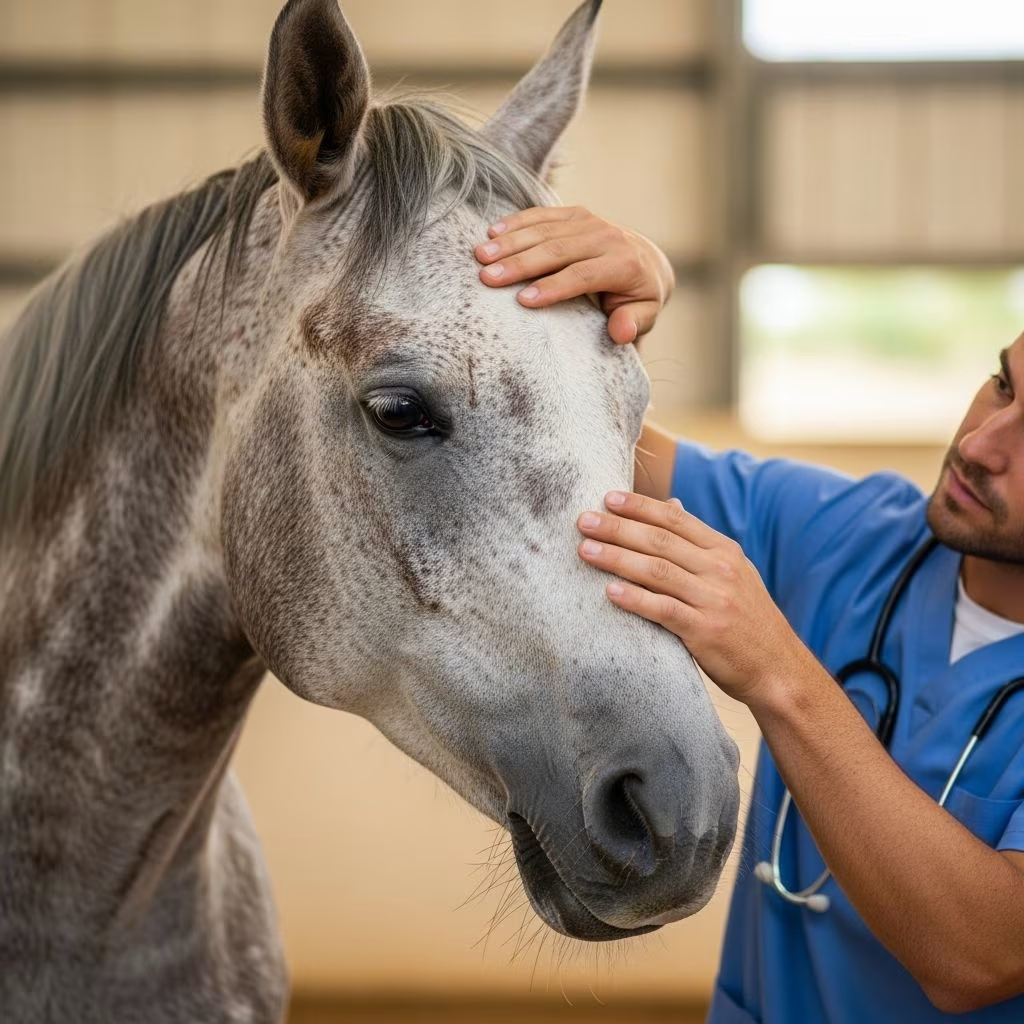
Hypocalcemia, characterized by abnormally low levels of calcium in the bloodstream, represents a critical metabolic disorder in horses that disrupts normal nerve and muscle activity. This condition manifests in various forms, notably during intense physical exertion or lactation periods, demanding swift veterinary intervention to avert severe complications.
The Critical Role of Calcium in Equine Physiology
Calcium serves as an indispensable mineral for horses, underpinning muscle contractions, nerve impulse transmission, and cardiac rhythm stability. In its ionized form, it maintains cellular membrane potentials, preventing excessive excitability that leads to spasms. When levels drop, horses experience heightened neuromuscular irritability, progressing from subtle tremors to life-threatening convulsions.
Equine sweat, notably hypertonic, depletes calcium alongside electrolytes like sodium and chloride during prolonged efforts. This loss, coupled with potential shifts in blood pH toward alkalosis, reduces the active ionized fraction, exacerbating symptoms. Bone reserves and parathyroid hormone (PTH) regulation typically buffer such declines, but overwhelming demands can overwhelm these mechanisms.
Primary Triggers of Low Calcium Levels
Several scenarios precipitate hypocalcemia in horses, each tied to specific physiological stresses.
- Lactation Demands: Nursing mares, particularly high milk producers on lush pastures or calcium-poor diets, divert substantial calcium into milk production. This ‘lactation tetany’ often emerges 10 days post-foaling or post-weaning, intensified by stressors like transport.
- Exertional Stress: Endurance rides or extended workouts cause sweat-induced calcium loss, fostering ‘transport tetany’ or post-exercise collapse. Hot environments amplify dehydration and electrolyte imbalances.
- Sepsis and Systemic Illness: Foals with infections or adult horses facing endotoxemia from colic exhibit depressed PTH response and calcium sequestration in tissues, prolonging recovery.
- Other Factors: Alkalosis from chloride loss, hypomagnesemia, or medications can indirectly lower ionized calcium availability.
Recognizing the Warning Signs
Symptom severity correlates directly with the rapidity and extent of calcium decline. Mild cases show excitability and anxiety, while advanced stages involve pronounced neuromuscular dysfunction.
| Stage | Symptoms |
|---|---|
| Mild | Anxiety, muscle fasciculations, stiff or hypermetric gait, third eyelid prolapse |
| Moderate | Inability to chew, salivation, jaw spasms, synchronous diaphragmatic flutter (thumping flank contractions audible via stethoscope) |
| Severe | Recumbency, convulsions, irregular heart rhythms, profuse sweating, collapse |
Synchronous diaphragmatic flutter, a hallmark, synchronizes diaphragm contractions with heartbeats, producing visible flank twitches and audible thumps. Untreated progression over 24-48 hours in lactating mares can prove fatal.
Diagnostic Approaches for Accurate Assessment
Veterinarians confirm hypocalcemia through blood analysis measuring total and ionized calcium, alongside magnesium, phosphorus, pH, and electrolytes. Ionized calcium best reflects physiological impact, as total levels may mislead due to protein binding variations.
History review is pivotal: recent lactation, endurance events, transport, or illness guides suspicion. Clinical exams detect dehydration, elevated temperature, and ataxia. In exhausted horses, ‘exhausted horse syndrome’ overlaps with inappropriate sweating and depression. Foals warrant sepsis screening via complete blood counts and cultures.
Immediate Treatment Protocols
Therapy prioritizes rapid calcium restoration via slow intravenous administration of 20-25% calcium gluconate or borogluconate (e.g., 400-500 mL for adults), monitoring heart rate to avoid bradycardia. Supportive measures include magnesium supplementation if deficient, fluid therapy for rehydration, and correcting acid-base imbalances.
Step-by-Step Treatment:
- Secure IV access and administer calcium slowly (0.5-1 mL/kg over 10-20 minutes).
- Monitor ECG for arrhythmias; auscultate for flutter resolution.
- Follow with oral calcium, magnesium, and balanced diet.
- Address underlying triggers: rest, weaning support, or infection control.
Relapses occur if electrolytes remain imbalanced; repeat dosing may be needed. Prognosis excels with early action, though seizures signal guarded outlook.
Prevention Strategies for At-Risk Horses
Proactive management mitigates risks:
- Dietary Optimization: Supply calcium-rich feeds (1-1.2% dietary calcium) for lactating mares; avoid lush, low-calcium pastures.
- Electrolyte Support: Provide balanced supplements during endurance prep and transport, emphasizing calcium, magnesium, and chloride.
- Monitoring: Pre-event bloodwork for competitors; gradual weaning for mares.
- Stress Minimization: Shorten transport hauls with breaks; ensure hydration in heat.
Anesthesia candidates require pre-op calcium checks, as hypocalcemia heightens complications.
Case Studies: Real-World Insights
A 2-year-old pony post-foaling displayed hindlimb stiffness, ataxia, and tremors with lab-confirmed low calcium (plus altered phosphorus/potassium). IV calcium borogluconate (400 mL) yielded rapid recovery, highlighting lactation tetany responsiveness.
Endurance horses post-ride often present with flutter and alkalosis; combined calcium-magnesium therapy resolves ‘thumps’ efficiently. Sepsis-linked cases in foals demand broader antimicrobial approaches alongside minerals.
Long-Term Management and Prognosis
Post-treatment, horses typically resume normalcy within hours to days, barring complications. High-producing mares benefit from ongoing mineral profiling. Recurrences underscore nutritional audits. Fatalities are rare with prompt care, affirming veterinary vigilance’s role.
Frequently Asked Questions (FAQs)
What causes sudden muscle twitching in my mare after foaling?
Lactation tetany from calcium drain into milk; seek immediate vet evaluation for blood calcium testing.
How do I prevent transport tetany in trailered horses?
Offer electrolyte mixes with calcium/magnesium, frequent water access, and short trips to curb sweat losses.
Is hypocalcemia fatal in horses?
Not usually if treated early; delays in severe cases lead to convulsions or cardiac issues.
Can diet alone fix low calcium in endurance horses?
No, acute cases need IV therapy; prevention relies on balanced supplements.
What is synchronous diaphragmatic flutter?
A ‘thumps’ sign where diaphragm syncs with heartbeat, visible in flanks due to hypocalcemia.
Key Takeaways for Horse Owners
- Monitor at-risk groups: lactating mares, endurance athletes, transported equines.
- Recognize progression from tremors to collapse.
- Prioritize rapid vet intervention with calcium therapy.
- Implement preventive nutrition and stress reduction.
References
- Disorders of Calcium Metabolism in Horses — MSD Veterinary Manual. 2023. https://www.msdvetmanual.com/horse-owners/metabolic-disorders-of-horses/disorders-of-calcium-metabolism-in-horses
- Milk Fever in Mares — Meander Valley Veterinary Service. 2022-10-15. https://www.meandervets.com.au/blog/milk-fever-in-mares
- Muscle Cramping in Horses — Merck Veterinary Manual. 2024. https://www.merckvetmanual.com/musculoskeletal-system/myopathies-in-horses/muscle-cramping-in-horses
- Recognizing and treating disorders of calcium metabolism in horses — dvm360. 2023-05-20. https://www.dvm360.com/view/recognizing-and-treating-disorders-calcium-metabolism-horses-proceedings
- Lactation Tetany in a Pony and its Therapeutic Management — Authorea (Madras Veterinary College). 2022. https://www.authorea.com/users/668379/articles/668290-lactation-tetany-in-a-pony-and-its-therapeutic-management
- EP. 127: Hypocalcemia in Horses — Pet Care Partners (YouTube). 2024-03-10. https://www.youtube.com/watch?v=WsApfQ9Q-aY
- Hypocalcemia in Horses (Equis) — Vetlexicon. 2024. https://www.vetlexicon.com/equis/internal-medicine/articles/hypocalcemia/



